Candy Flavour
Candy flavour is the trade term for a flavouring compounded specifically for confectionery, where the demands of the process rather than the flavour direction define the product. It is not a single profile: the category covers fruit, mint, cola, cream and spice directions, and what unites them is that each is formulated to survive the conditions inside a sugar cooker, a chewing gum mixer or a panning drum.
The technical problem is heat and solvent. Hard boiled sweets are flavoured at around one hundred and forty degrees, a temperature that strips most volatile top notes and drives off water and ethanol, so candy grades are built on high boiling carriers such as triacetin, propylene glycol or medium chain triglyceride oil and are weighted towards heat stable esters and terpenes. Acid stability matters equally, since citric, malic and tartaric acid in a fruit sweet will hydrolyse a sensitive ester over a shelf life measured in years.
Forms include water miscible and oil soluble liquids, emulsions, and spray dried or encapsulated powders for pressed tablets, chewing gum and dusted surfaces. Dose rates are low, commonly between a tenth and half a percent of the batch, so the flavour is fed by metering pump or weighed into the mass and mixed under vacuum to avoid loss.
We source bulk Candy Flavour from top China manufacturers for our partners. The manufacturer is in Shanghai. A smaller requirement can ship in a combined container with other ingredients.
Please send the grade you need, the volume and your destination port, and we will come back with a solution and a price.
or call +86-21-6858 0751
- Function
- Flavours and Aromas
Specifications
| Item | Specification |
|---|---|
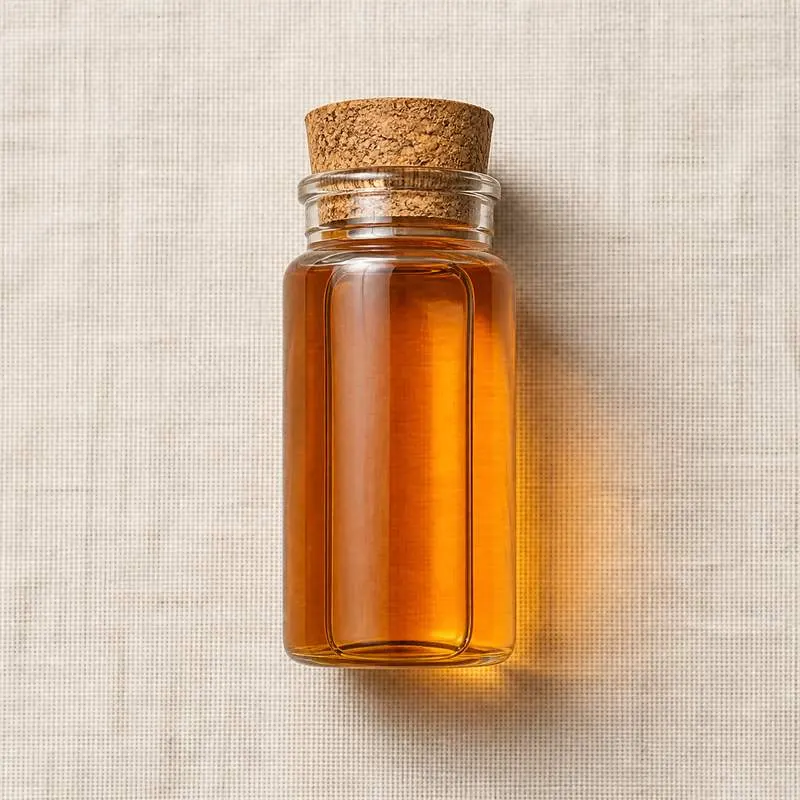
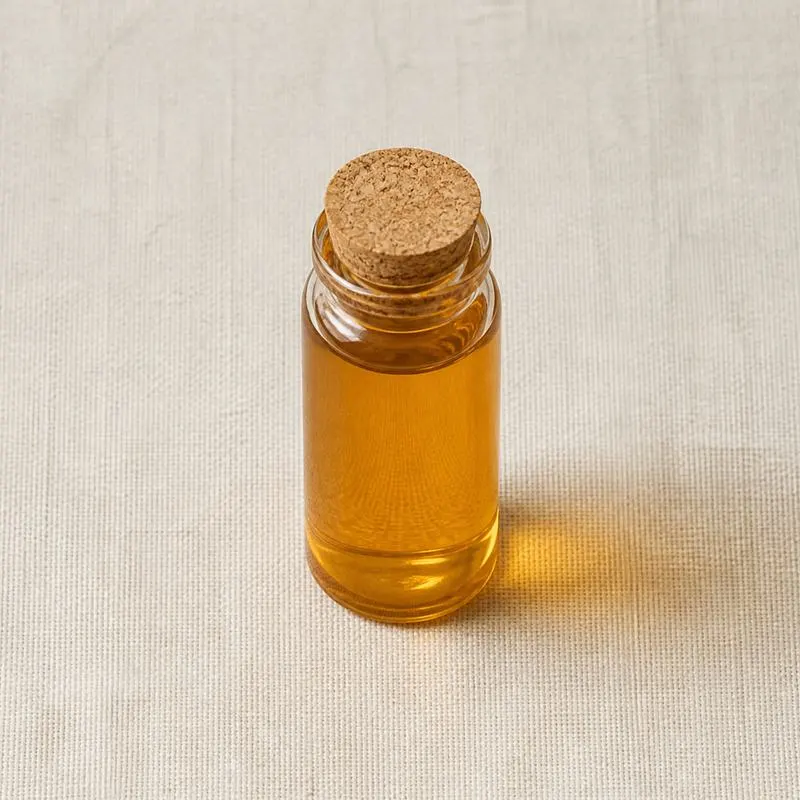
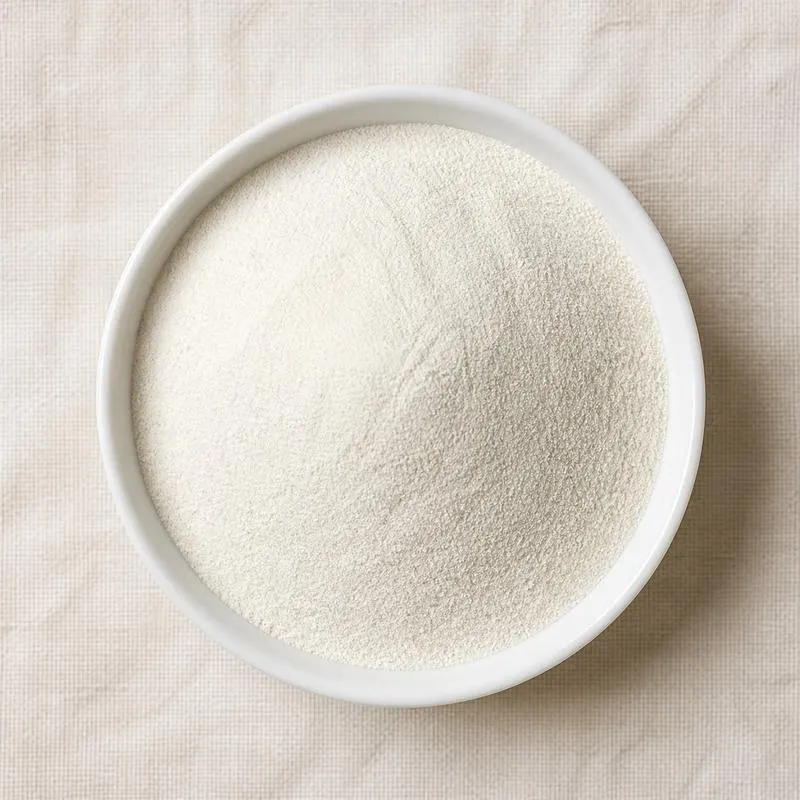
| Appearance | Clear liquid, colourless to pale yellow, or free flowing powder for dried grades |
| Odour and taste | Characteristic of the declared flavour direction, matching retained standard |
| Solubility | Miscible with the declared carrier phase, oil or water according to grade |
| Specific gravity at 25 degrees Celsius | Within agreed range for the grade |
| Refractive index at 20 degrees Celsius | Within agreed range for the grade |
| Flash point | Above 62 degrees Celsius for non ethanolic grades |
| Heat stability | Retains profile after 5 minutes at 140 degrees Celsius for hard candy grades |
| Moisture, powder grades | 5.0 percent maximum |
| Flavour load, powder grades | To declared value, typically 10 to 20 percent |
| Lead | 1 mg per kg maximum |
| Arsenic | 1 mg per kg maximum |
| Total plate count | 1000 cfu per gram maximum |
| Yeast and mould | 100 cfu per gram maximum |
| Salmonella | Absent in 25 grams |
Common Markets Grades
Grades are defined by carrier and solubility first. Oil soluble grades in triacetin or a neutral oil are used in hard candy, chewy sweets and chocolate, water soluble grades in propylene glycol or ethanol are used in jellies, syrups and sugar coatings, and emulsions are used where a cloudy appearance is wanted. Concentration runs from a ready to use dilution to a concentrate dosed below a tenth of a percent, and folded citrus oils, in which terpenes have been stripped by distillation, are traded on their fold as a measure of strength.
Powder grades split between spray dried flavours, which release on wetting and are used in pressed tablets and fizzy powders, and encapsulated grades in a modified starch, gum or hardened fat matrix, which hold the volatiles through mixing and release them during chewing. The remaining axis is labelling status: natural grades built from essential oils, extracts and natural flavouring substances, and artificial or nature identical grades built from synthesised aroma chemicals, which are cheaper, stronger and more consistent between lots. Sugar free, kosher, halal and alcohol free lines are offered where the carrier and starting materials permit.
Applications
- Hard boiled sweets, dosed into the cooked sugar mass after the vacuum cooker and before depositing
- Chewy sweets and toffee, where the flavour has to hold through cooking and an extended shelf life
- Gummy and jelly confectionery, added to the gelatine, pectin or starch slurry before depositing
- Chewing gum, using encapsulated grades so that flavour release continues over the chew
- Compressed tablets and mints, using powder grades that survive direct compression
- Lollipops and deposited sweets, where colour and flavour are dosed together at the depositor
- Sugar and chocolate panning, applied in the coating syrup or dusted onto the surface
- Marshmallow and aerated confectionery, added to the whipped mass at low temperature
- Liquorice and extruded sweets, blended into the dough before extrusion
- Sugar free confectionery, where a higher flavour dose masks the cooling effect of polyols
China Manufacturers of Candy Flavour
Top Candy Flavour manufacturers in China.

Company names and logos are the property of the manufacturers themselves. They are listed here because our own directory records them as producing this ingredient. A listing is not an endorsement by them, and we do not represent them or speak on their behalf.
Regulatory Status
Candy flavour is regulated as a flavouring rather than as a food additive. In the United States the components must be permitted for flavour use, either generally recognised as safe or listed among the synthetic flavouring substances in 21 CFR 172.515, and the label term natural flavour or artificial flavour follows the definitions in 21 CFR 101.22 according to the origin of the flavouring components. Carriers such as propylene glycol and triacetin are themselves regulated substances with defined conditions of use.
In the European Union flavourings fall under the flavourings regulation, and any flavouring substance used must appear on the Union list of authorised flavouring substances. Flavourings carry no E number, as that system applies to additives, but the carriers, solvents and any additives in the preparation must be permitted for the food category. Certain biologically active constituents naturally present in flavouring source materials, such as those from mint and cinnamon, are subject to maximum levels in specified categories including confectionery. Codex addresses flavourings through its guidelines on their use, which rest on evaluations by the Joint Expert Committee on Food Additives.
Manufacturing Process
Manufacture is a compounding operation carried out at ambient temperature. Essential oils, oleoresins, extracts and single aroma chemicals are received against specification, weighed to the formula and added to a stainless steel vessel in a defined order, with the carrier charged first so that potent components are diluted on contact. Citrus derived components are often folded beforehand, by vacuum distilling the oil to remove limonene and other terpenes that oxidise readily, which both concentrates the flavour and improves its stability in an acidic sweet.
The blend is agitated gently, held to mature so that the profile settles, then filtered and checked against a retained sensory standard together with specific gravity, refractive index and a chromatographic profile. Liquid grades are filled into lined drums, cans or bottles under nitrogen to limit oxidation. Emulsions are prepared by homogenising the flavour oil into a solution of gum arabic or modified starch with a weighting agent, then packed cold. Powder grades are produced either by spray drying that emulsion into a maltodextrin and gum matrix, or by dispersing the flavour into molten hardened fat and spray chilling it into free flowing beads, followed by sieving, flavour load testing and packing in foil lined bags.