Carthamus Extract
Carthamus extract is the colouring preparation obtained from the florets of safflower, Carthamus tinctorius. The petals carry two distinct pigment systems, and which one is recovered determines the product. Safflower yellow, the dominant commercial form, is a mixture of water soluble quinochalcone C-glycosides, chiefly hydroxysafflor yellow A and safflor yellow B, giving a clean lemon to golden yellow. Carthamin, the minor form, is a red pigment that is water insoluble at low pH and is extracted separately after the yellow fraction has been washed out.
Safflower yellow is one of the few natural yellows that is fully water soluble, which distinguishes it from the carotenoid yellows that must be emulsified and which can form rings in clear drinks. It is stable across the acid to neutral pH range and holds its shade well in acidic beverages, although it fades under prolonged light and darkens slightly on long storage at high temperature. Its tinctorial strength is high, so dosage is measured in tens of parts per million in clear liquids.
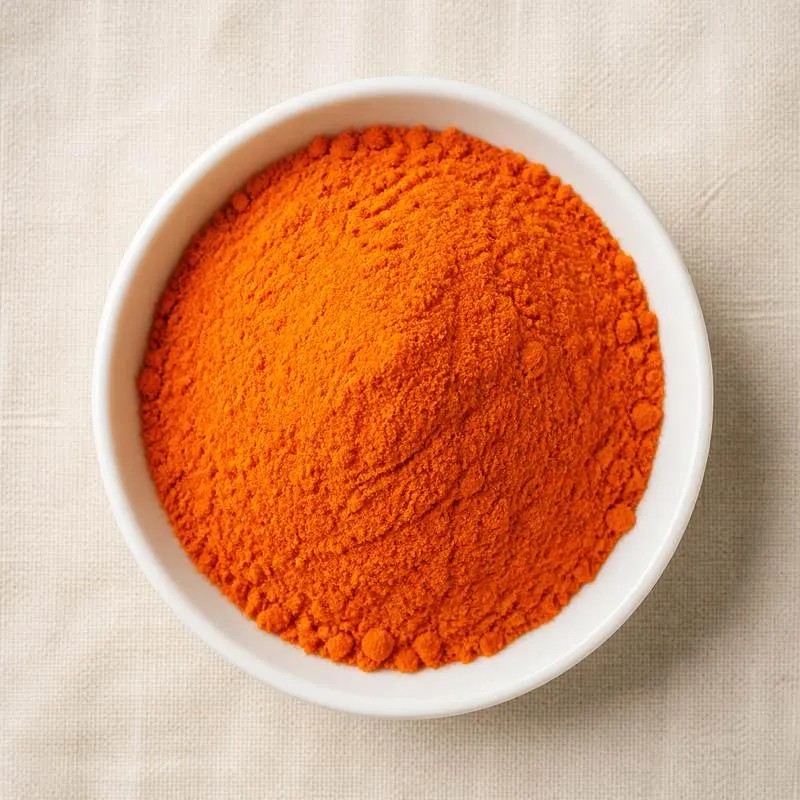
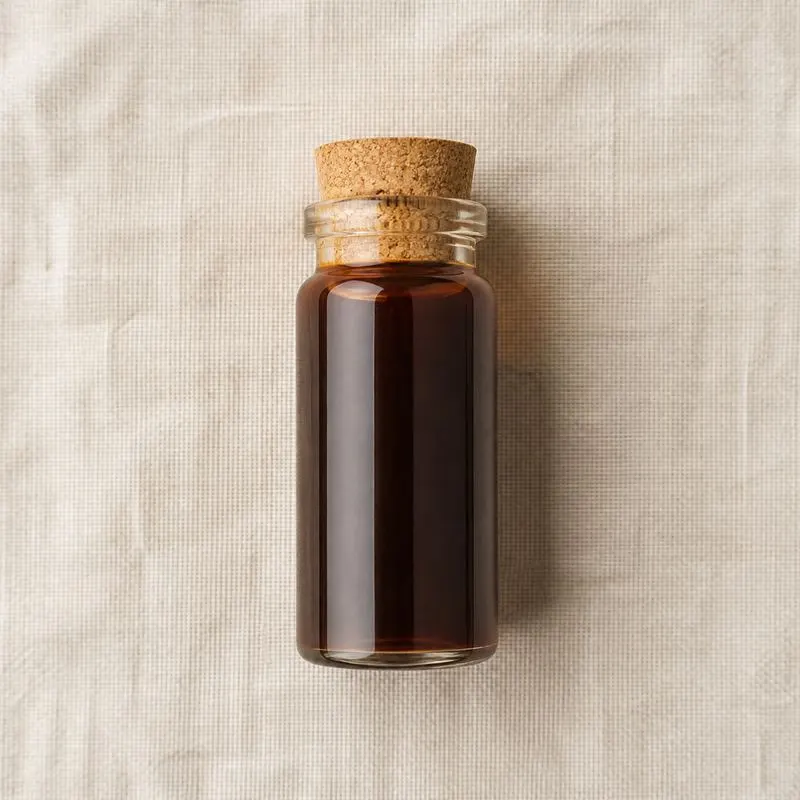
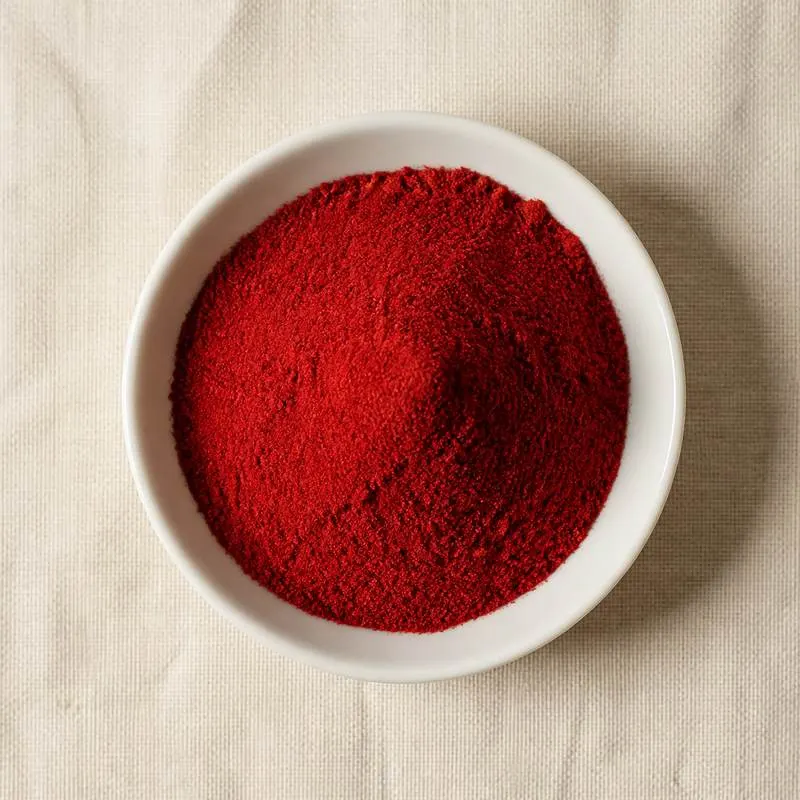
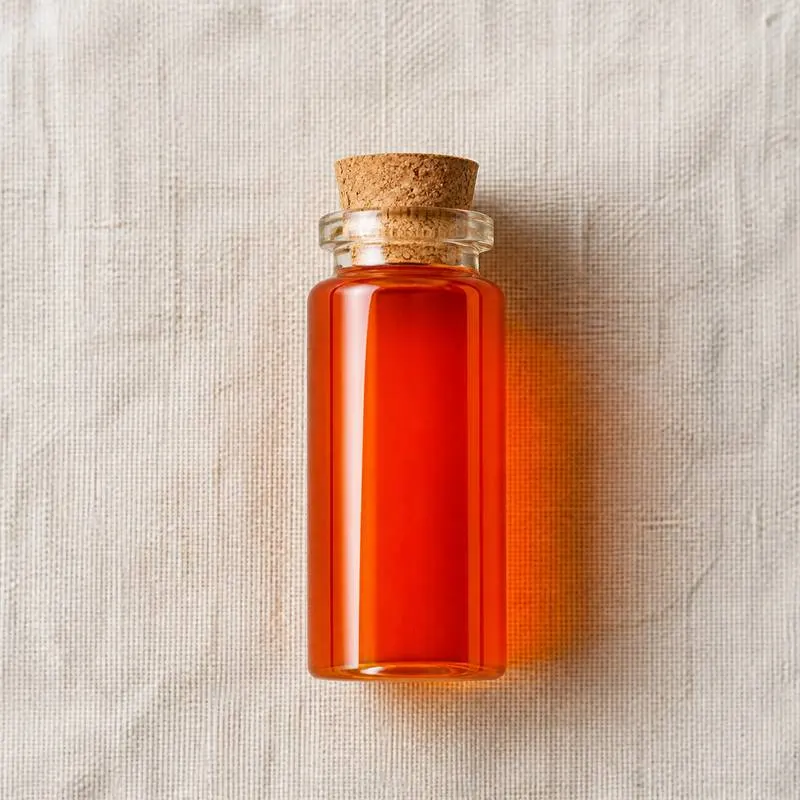
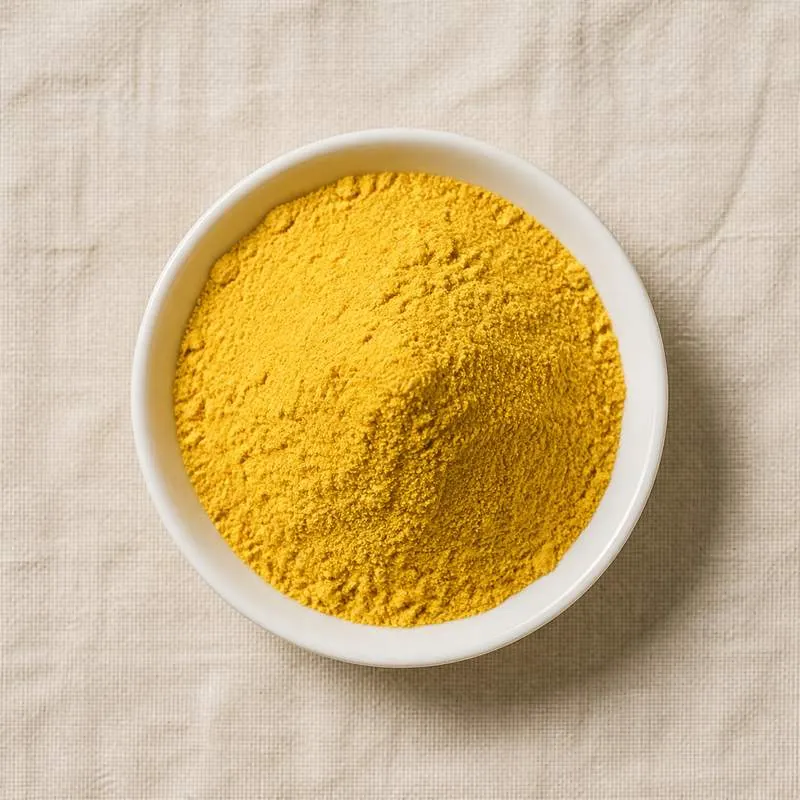
It reaches buyers as a spray dried yellow to orange brown powder on maltodextrin, and as a liquid concentrate. The powder is hygroscopic and dissolves rapidly in water and in dilute alcohol; it is insoluble in oil. The red carthamin fraction is sold separately as a dark red powder for the small traditional market it serves.
We source bulk Carthamus Extract from top China manufacturers for our partners. The manufacturer is in Yunnan. A smaller requirement can ship in a combined container with other ingredients.
Please send the grade you need, the volume and your destination port, and we will come back with a solution and a price.
or call +86-21-6858 0751
- Function
- Colorant
Specifications
| Item | Specification |
|---|---|
| Appearance | Yellow to orange brown free flowing powder |
| Colour Value E1% 1cm at 405 nm | 100 minimum |
| Identification | Absorption maximum at 400 to 410 nm in water |
| Hydroxysafflor Yellow A | 1.0% minimum by chromatography |
| Loss on Drying | 7.0% maximum |
| Ash | 8.0% maximum |
| pH, 1% aqueous solution | 4.0 to 6.5 |
| Solvent Residue, ethanol | 0.5% maximum |
| Lead | 2 mg/kg maximum |
| Arsenic | 1 mg/kg maximum |
| Total Plate Count | 1000 cfu/g maximum |
| Yeast and Mould | 100 cfu/g maximum |
| E. coli | Absent in 5 g |
| Salmonella | Absent in 25 g |
Common Markets Grades
Yellow grades are standardised on colour value, measured as E1% 1cm at about 400 to 410 nm, and are traded at colour value 50, 100 and 200 on a maltodextrin carrier, with high strength grades above that for industrial dosing. Some specifications additionally quote hydroxysafflor yellow A content by chromatography, which is the usual identity marker and the figure buyers use when the material is bought for its documented composition rather than for shade alone.
Beyond strength, the distinctions are purification level and form. A crude petal extract retains sugars and plant acids and carries a faint hay note; a resin polished grade removes most of that and is specified for clear beverages and delicate dairy bases. Liquid concentrates are preserved and shipped chilled. The red carthamin grade is a separate product with its own colour value measured near 520 nm and is not interchangeable with the yellow. Organic certified material is produced on segregated lines, and safflower yellow is frequently sold pre-blended with gardenia blue as a natural green.
Applications
- Clear soft drinks, flavoured waters and sports drinks, where full water solubility avoids the ring formation of emulsified carotenoids
- Sugar confectionery, jellies and gummies requiring a bright lemon yellow
- Noodles, wrappers and pasta, giving an egg like colour without egg
- Ice cream, sorbet and frozen desserts in citrus and tropical profiles
- Bakery fillings, icings and decorating gels applied after bake
- Blending with gardenia blue or spirulina to produce natural green shades
- Pickled vegetables and Asian preserved products
- Dairy drinks and yoghurt in mango, lemon and pineapple flavours
- Alcoholic ready to drink beverages and liqueurs at moderate alcohol strength
- Nutraceutical gummies, tablet coatings and capsule shells
China Manufacturers of Carthamus Extract
Top Carthamus Extract manufacturers in China.
Company names and logos are the property of the manufacturers themselves. They are listed here because our own directory records them as producing this ingredient. A listing is not an endorsement by them, and we do not represent them or speak on their behalf.
Regulatory Status
Status differs sharply by market. Safflower yellow has a long history of authorised use in Japan, where it is listed among the natural colouring agents, and it is widely used across East and Southeast Asia. In the United States there is no colour additive listing for safflower extract as a colour, so it may not be used to colour food there; safflower is nonetheless a familiar food crop and safflower oil and seed products are separate matters with their own status. Suppliers should be asked to confirm in writing what authorisation, if any, applies in the destination market.
In the European Union safflower yellow does not hold an E number under Regulation (EC) No 1333/2008 and may not be used as a food colour. Products containing it therefore cannot be placed on the European market on the basis of a colour declaration. Codex does not carry a safflower colour provision in the General Standard for Food Additives, and JECFA has not adopted specifications for it. Because the material is common in Asian manufacture and absent from Western positive lists, export documentation should state the destination market explicitly and reformulation should be assumed for European and North American shipments.
Manufacturing Process
Safflower florets are harvested at full flowering, dried in shade or at low temperature to limit pigment loss, and cleaned of seed and stem material. The dried petals are extracted with water or dilute food grade ethanol at moderate temperature, which brings the water soluble quinochalcone yellows into solution while carthamin remains largely bound in the petal tissue. The extract is pressed off, then clarified by filtration or centrifugation.
The clarified liquor is loaded onto a food grade adsorption resin that retains the yellow pigments while sugars, salts and much of the vegetal aroma pass to drain. The pigment is eluted with aqueous ethanol, the solvent is recovered under vacuum at low temperature, and the concentrate is standardised to colour value. Liquid grades are pasteurised, acidified and filled; powder grades are blended with maltodextrin and spray dried at a moderate outlet temperature. Where the red fraction is also recovered, the washed petal residue is extracted a second time under mild alkaline conditions and the carthamin is precipitated by acidification, then washed and dried as a separate product.