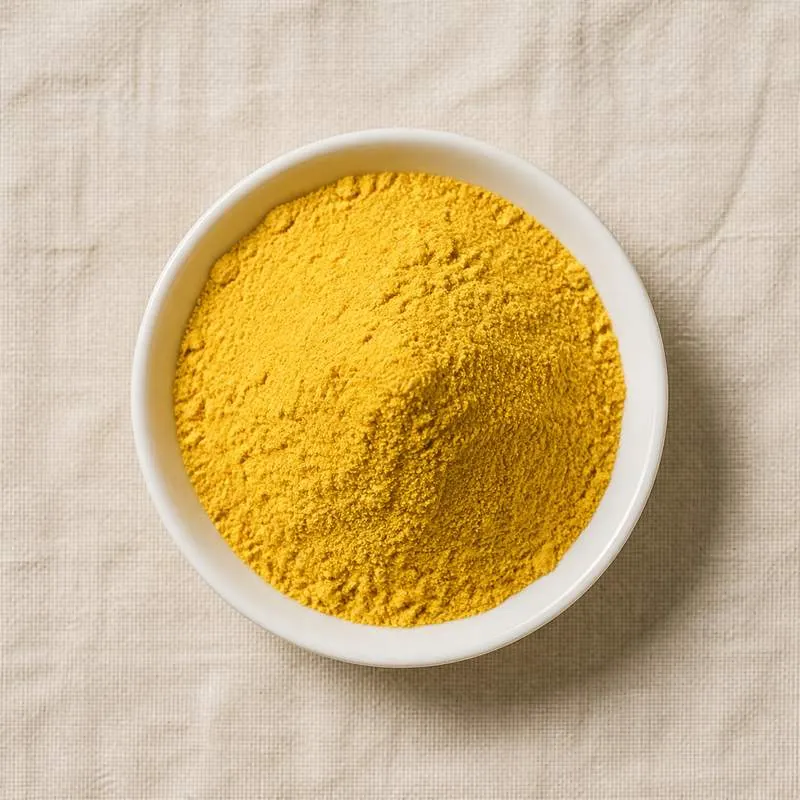
Safflower Yellow
Safflower Yellow is a water-soluble natural colourant extracted from the dried florets of Carthamus tinctorius, the safflower plant. The principal pigments are the quinochalcone C-glycosides hydroxysafflor yellow A and safflor yellow B, sometimes grouped under the older name saflomin.
The extract gives a bright lemon-yellow to golden tone at low use levels and shows good stability across the pH range typical of beverages, dairy, and confectionery. It is one of the oldest natural yellows in continuous commercial use in East Asia.
We source bulk Safflower Yellow from top China manufacturers for our partners, working with several of them. The manufacturers are in Beijing, Jiangxi and Hubei. A smaller requirement can ship in a combined container with other ingredients.
Please send the grade you need, the volume and your destination port, and we will come back with a solution and a price.
or call +86-21-6858 0751
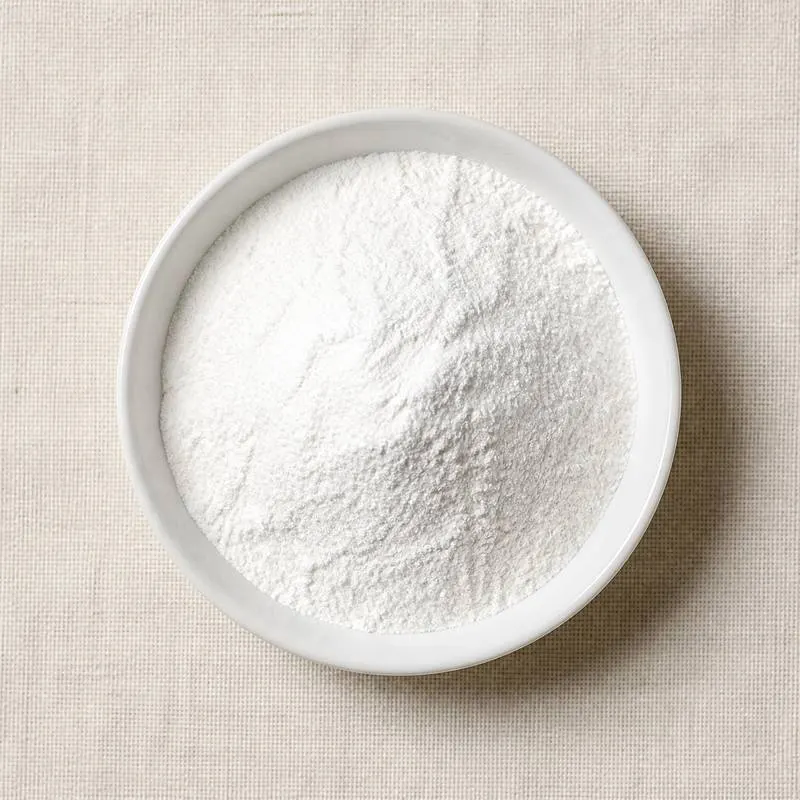
- Packaging
- 25 kg kraft paper bag with PE inner liner
- ISO 9001
- HACCP
- Halal
- Kosher
Specifications
Grades / Types Available: food grade, feed grade
| Item | Specification |
|---|---|
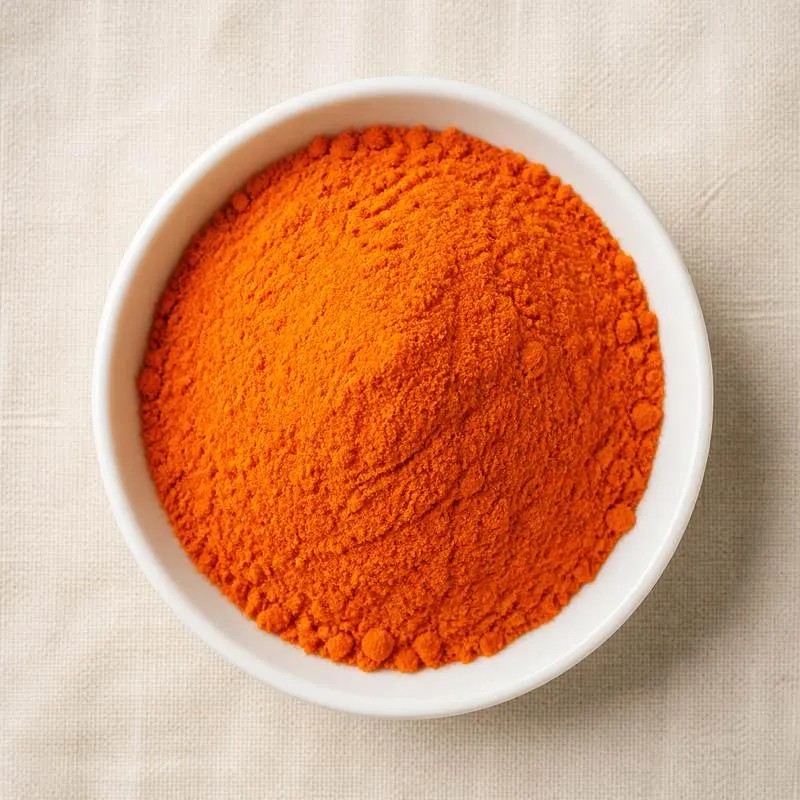
| Appearance | Yellow to amber powder |
| Colour Value (E1%, 403nm) | ≥ 30-100 |
| Moisture | ≤ 5.0% |
| Solubility | Water-soluble |
| Heavy Metals (as Pb) | ≤ 2 mg/kg |
| Total Plate Count | ≤ 1,000 cfu/g |
| Purity/Assay (Food Grade) | ≥ 95% |
| Moisture/Loss on Drying | ≤ 8% |
| pH | 6.0 - 8.0 |
| Ash | ≤ 5% |
| Lead | ≤ 1 ppm |
| Arsenic | ≤ 0.5 ppm |
| Yeast & Mold | ≤ 100 cfu/g |
Common Markets Grades
Safflower Yellow is graded by total yellow-pigment content, usually measured as hydroxysafflor yellow A by HPLC or as colour value E1%/1cm at 401 nm.
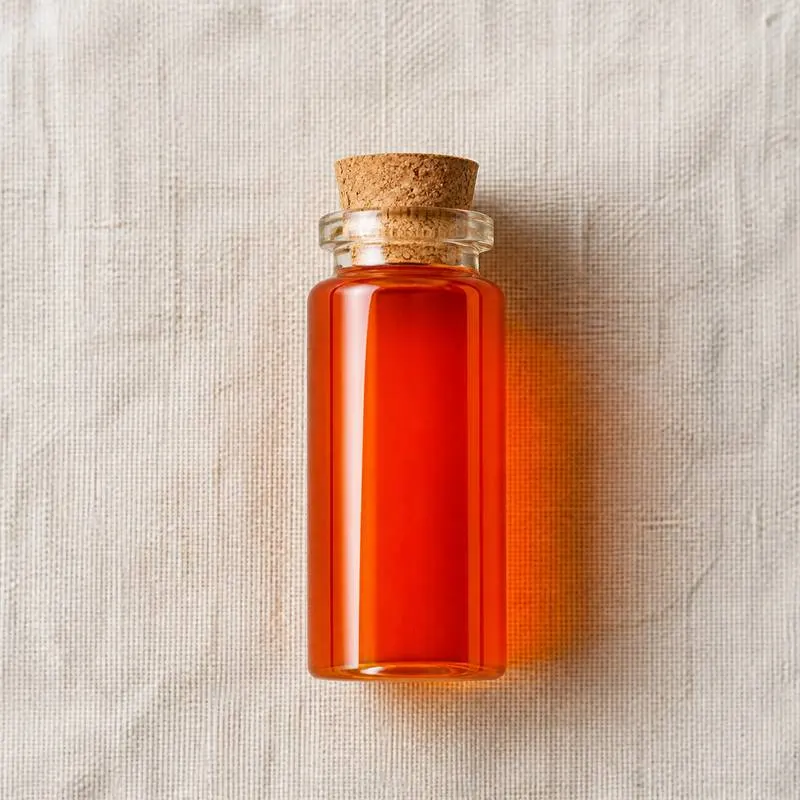
Liquid grades at 5 to 20 percent pigment in aqueous or propylene-glycol carrier are the standard for beverages and sauces.
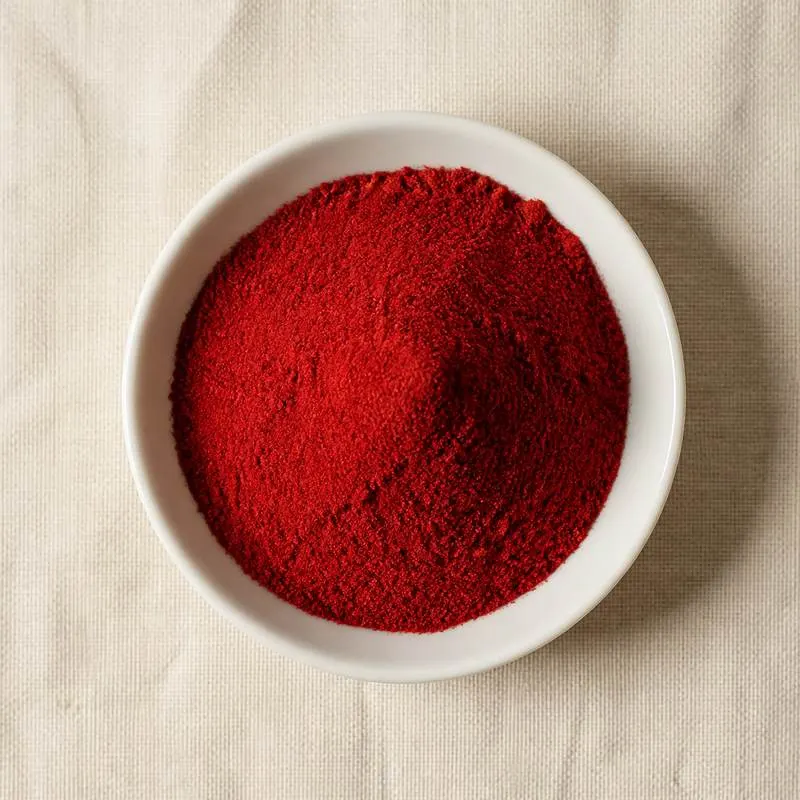
Spray-dried powder grades at 20 to 60 percent total yellow pigment, carried on maltodextrin or modified starch, are preferred for dry mixes, instant beverages, and bakery premixes.
High-assay grades standardised to 70 percent or more hydroxysafflor yellow A are sold to the nutraceutical and traditional-medicine sectors, where the same molecule is used for its vasodilatory properties.
Decolorised safflower extracts that strip the red carthamin fraction and retain only the yellow chromophores exist where a perfectly clean yellow tone is required.
Applications
- Wagashi and other Japanese confectionery for a traditional pale yellow tone
- Pickled radish (takuan) and other pickled vegetables in East Asian cuisine
- Steamed buns, sponge cakes, and sweet breads for an egg-yellow crumb
- Hard candies, jellies, and chewing gum in yellow and gold shades
- Beverages: fruit juices, vitamin waters, herbal teas, and rice wines
- Noodle and pasta products as an alternative to egg or turmeric
- Dairy: yogurt, flavoured milks, and ice cream in soft yellow shades
- Sauces, dressings, and soup bases for a clean golden tone
- Plant-based egg analogs and vegan custards
- Traditional botanical supplements where the same extract is the active ingredient
Brands Using Safflower Yellow
Widely-distributed consumer products that list Safflower Yellow on the ingredient label.
- LotteBIGスイカバー (BIG Watermelon Bar) ↗原材料: ...着色料(野菜色素、紅花黄、紅麹、クチナシ)Label verified 2026-05-24
- Lotteスイカ&メロンバー (Watermelon & Melon Bar) ↗原材料: ...着色料(紅花黄、紅麹、クチナシ)Label verified 2026-05-24
Brand names, product names and logos are the property of their owners. They appear here as published evidence that the ingredient is used, taken from the brand's own label or website. Their appearance is not an endorsement, and it does not mean the brand buys from us or from any manufacturer listed on this site.
China Manufacturers of Safflower Yellow
Top Safflower Yellow manufacturers in China.
 Bionature Co., Ltd.8 ingredients in the directory
 CNJ Nature Co., Ltd.9 ingredients in the directory
- Hubei Well-being Biotechnology Co., Ltd.7 ingredients in the directory
Company names and logos are the property of the manufacturers themselves. They are listed here because our own directory records them as producing this ingredient. A listing is not an endorsement by them, and we do not represent them or speak on their behalf.
How We Help Source Safflower Yellow
Direct Factory Sourcing
We run the whole process: selecting the manufacturer from the top Chinese food ingredient producers, negotiating the price, verifying quality, and coordinating the logistics. You deal with us instead of with several factories at once.
Original Packaging and Documents from the Manufacturer
The manufacturer sends your Safflower Yellow out of its own factory in the original packing, through to your destination port. The COA, COO, MSDS, TDS and any certifications reach you from the manufacturer as well.
Free Samples and Lead Time
We send 100 to 500 g free for your own laboratory to test and you cover only the courier, usually within 2 to 3 working days. ETD is usually within 7 to 15 days once the order is confirmed, and we check that date against the factory's own manufacturing schedule before we give it to you.
Combined Shipment
We can load Safflower Yellow together with other ingredients such as Beta Carotene, Caramel Colour and Lycopene into one 20' FCL. If your quantity is small, we can also ship LCL.
Regulatory Status
Safflower Yellow is accepted as a natural food colourant in Japan, Korea, several Southeast Asian markets, and a number of other jurisdictions that operate positive lists for natural colours.
In the European Union, Safflower Yellow is not listed in Annex II of Regulation (EC) No 1333/2008 and therefore may not be used as a food colourant in EU-marketed products. Safflower is otherwise present in the EU food supply as a culinary ingredient and as a source of cooking oil.
The U.S. Food and Drug Administration has not approved safflower extract as a colour additive for general food use, although safflower oil and defatted safflower meal are recognised as food ingredients. Use as a colouring agent in conventional U.S. food is not sanctioned under 21 CFR Part 73.
JECFA has reviewed safflower-derived colour preparations but has not issued a numerical evaluation. Halal and Kosher certifications are routinely available given the all-botanical origin.
Manufacturing Process
Safflower is grown for colour in India, Iran, Egypt, Mexico, and parts of China. Colour cultivars carry higher floret pigment than the oilseed cultivars grown for cooking oil.
Florets are harvested at full bloom, sun-dried, and stored under cool dry conditions to limit oxidation. Drying conditions strongly affect the ratio of yellow to red pigments in the finished extract.
For yellow-only material, the dried florets are extracted with cold or warm water. The water-soluble yellow C-glycosides dissolve readily, while the lipophilic red pigment carthamin stays bound to the plant matrix.
The aqueous extract is filtered, concentrated under vacuum, and either standardised as a liquid or spray-dried on a carrier polysaccharide. Decolorisation on activated carbon or a polymeric resin can further refine the hue.