Chicken Essence Seasoning
Chicken essence seasoning is a granulated compound seasoning built on monosodium glutamate, salt and chicken derived solids, sold as a general purpose savoury seasoning for cooking. It is a formulated product rather than a single substance, and in the Chinese market it has largely displaced plain monosodium glutamate on the kitchen shelf.
A typical composition carries monosodium glutamate as the main umami source, refined salt, sugar, starch or maltodextrin as the granulation base, chicken powder or chicken flavour for the aroma, spice powders such as white pepper and onion, and a small addition of disodium 5 inosinate and 5 guanylate. The nucleotides act synergistically with glutamate, so a few tenths of a percent raise perceived savouriness far more than the same weight of additional glutamate would.
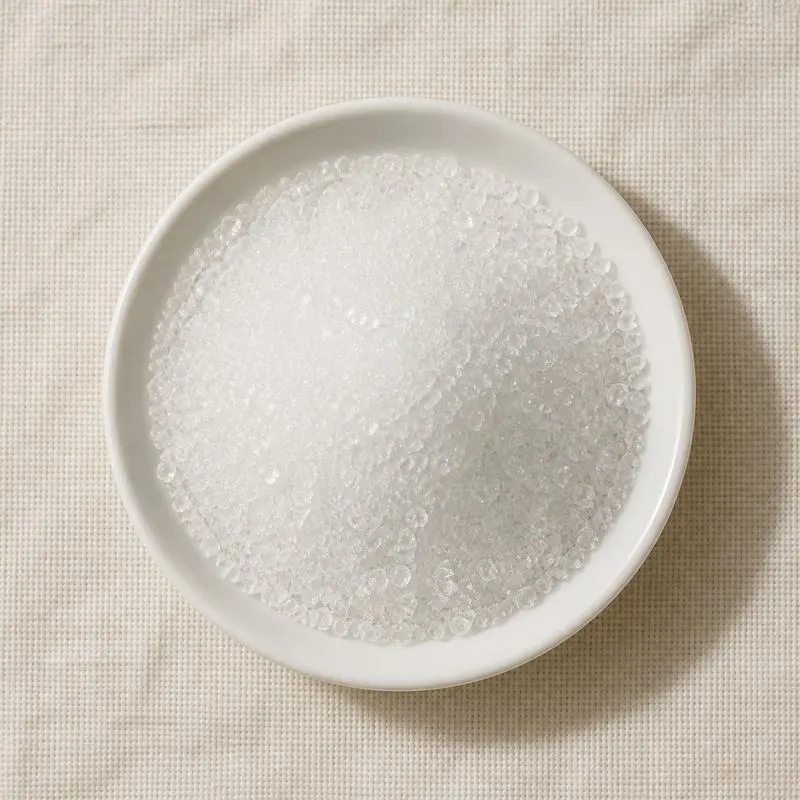
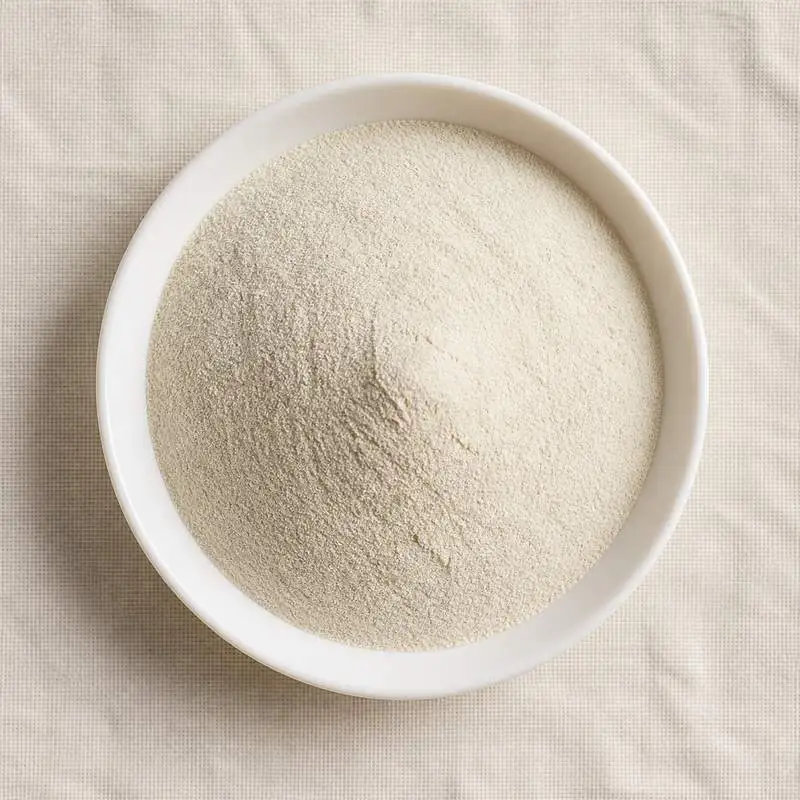
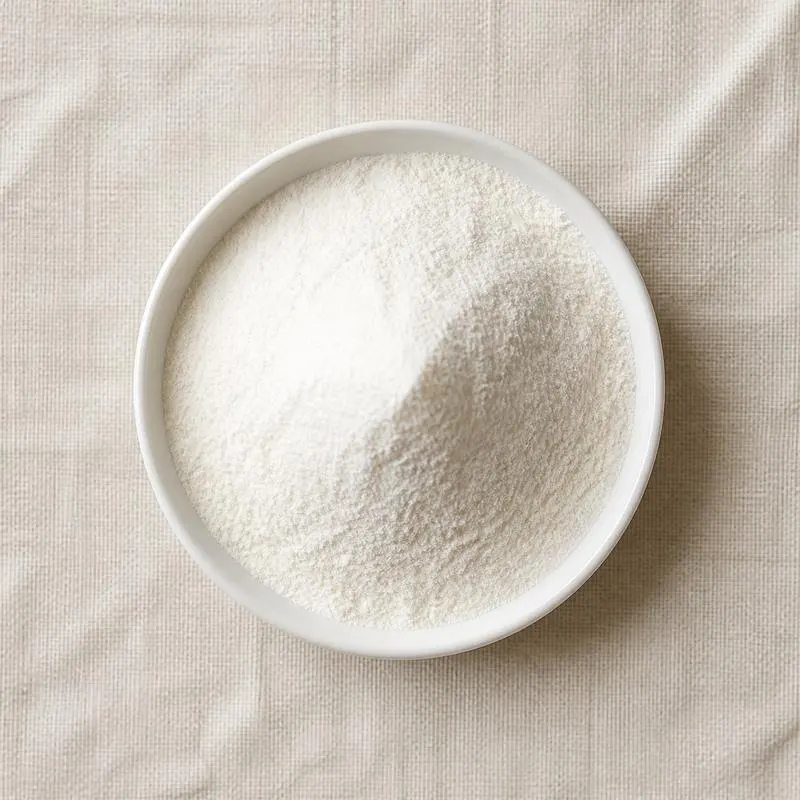
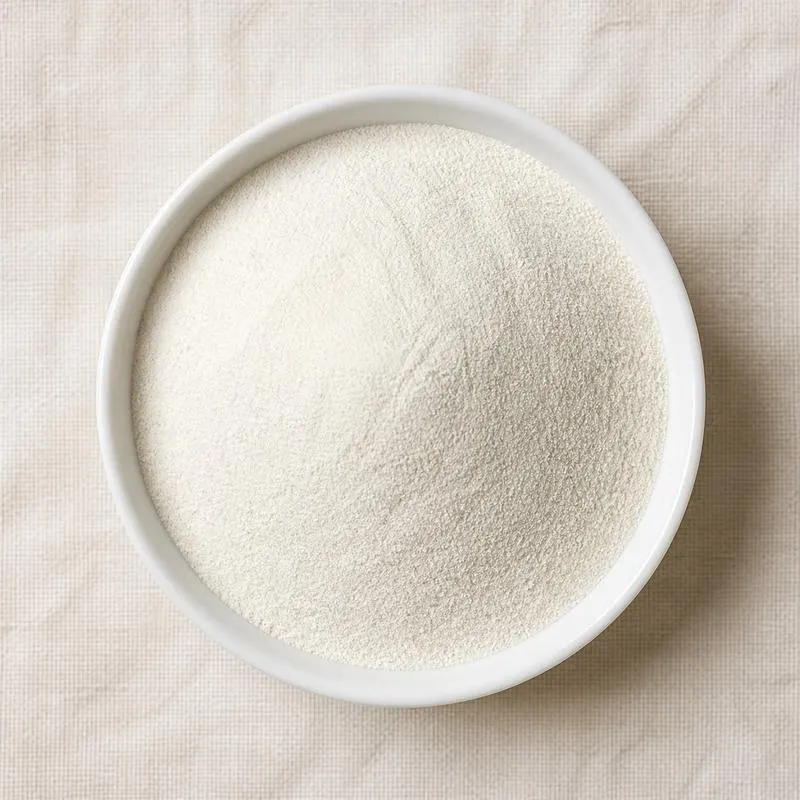
The product is a light yellow free flowing granule, occasionally a fine powder. It dissolves readily in hot water and is hygroscopic, so it is packed in laminated film or lined drums and is prone to caking if exposed to humid air. The flavour is heat stable in normal cooking, though prolonged high temperature frying degrades the aroma fraction.
We source bulk Chicken Essence Seasoning from top China manufacturers for our partners. The manufacturers are in Shandong. A smaller requirement can ship in a combined container with other ingredients.
Please send the grade you need, the volume and your destination port, and we will come back with a solution and a price.
or call +86-21-6858 0751
- Function
- Flavours and Aromas
Specifications
| Item | Specification |
|---|---|
| Appearance | Light yellow free flowing granules, free from foreign matter |
| Odour and Taste | Characteristic chicken and savoury, no off note |
| Monosodium Glutamate | Not less than 35.0% |
| Sodium Chloride | Not more than 40.0% |
| Moisture | Not more than 3.5% |
| Total Nitrogen | Not less than 3.0% |
| Particle Size | Not less than 90% through 20 mesh, retained on 60 mesh |
| pH, 1% Solution | 6.0 to 7.5 |
| Lead | Not more than 1.0 mg/kg |
| Arsenic | Not more than 0.5 mg/kg |
| Total Plate Count | Not more than 10,000 cfu/g |
| Coliforms | Not more than 30 MPN per 100 g |
| Salmonella | Absent in 25 g |
Common Markets Grades
Grades are set mainly by the declared monosodium glutamate content, with the common commercial classes sitting around thirty five percent and forty percent glutamate, and higher declared classes above that. A higher glutamate figure means more savoury power per gram and less filler, while lower classes carry more starch and salt and are used where cost decides.
Beyond assay, the traded distinctions are physical and compositional. Granular grades are standard for retail and catering, while powder grades are used by food manufacturers who need fast dispersion in dry blends. Grades containing genuine chicken meat powder and chicken fat are separated from those built only on reaction flavour and vegetable protein hydrolysate, and the latter can be made in a vegetarian composition. Halal certified grades and grades free from added nucleotides are also produced.
Applications
- Household and canteen cooking, where it is added to stir fries and braises in place of plain monosodium glutamate
- Soup and broth preparation, dissolving directly into the liquid to build a savoury base without long simmering
- Instant noodle and congee seasoning sachets, blended with dried vegetable and spice
- Marinades for meat and poultry, contributing salt, umami and a light poultry aroma at the same time
- Hot pot dipping sauces and prepared dipping powders
- Savoury snack and cracker seasonings, where the granule is milled before application
- Prepared chilled and frozen meals, replacing part of the salt with a savoury seasoning that reduces sodium at the same perceived intensity
- Sauce and gravy mixes, where the starch content in the seasoning also contributes to body
- Catering premixes and central kitchen recipes that need a single standardised seasoning across many dishes
China Manufacturers of Chicken Essence Seasoning
Top Chicken Essence Seasoning manufacturers in China.
- Leling City Henli Seasoning Foods Co., Ltd.2 ingredients in the directory
- Shandong Wanjia Food Co., Ltd.6 ingredients in the directory
Company names and logos are the property of the manufacturers themselves. They are listed here because our own directory records them as producing this ingredient. A listing is not an endorsement by them, and we do not represent them or speak on their behalf.
Regulatory Status
The seasoning is a compound food rather than a single additive, so its status follows that of its components. Monosodium glutamate is a permitted flavour enhancer in the European Union under the glutamates group, and disodium 5 inosinate and 5 guanylate are permitted under the ribonucleotide group, all of them carrying their own E numbers that must appear in the ingredient list of the finished seasoning.
In the United States the Food and Drug Administration lists monosodium glutamate as generally recognised as safe, and it must be declared by name in the ingredient statement rather than hidden within a flavour declaration. The nucleotide enhancers are likewise cleared for food use. Codex has a general standard provision for flavour enhancers in seasonings, and JECFA has evaluated glutamate and the ribonucleotides. Grades containing wheat or soya derived hydrolysate carry the corresponding allergen declaration.
Manufacturing Process
Manufacture is a dry blending and granulation operation rather than a chemical synthesis. Monosodium glutamate crystals, refined salt and sugar are weighed as the base, and chicken powder, chicken flavour, starch, spice powders and nucleotides are added as the minor stream. The materials are combined in a ribbon or plough mixer until the blend is homogeneous, since segregation of the dense salt and glutamate from the light flavour powders is the main quality risk at this stage.
The premix is granulated by adding a small quantity of water or a starch binder in a high shear mixer granulator, or by forcing the damp mass through an extrusion screen. Granules are dried in a fluid bed to a low residual moisture, cooled, then sieved to the target particle band with oversize returned for milling and fines returned to the granulator. The graded product passes a metal detector and is packed under low humidity conditions.