Chicken Imidazole Dipeptide
Chicken Imidazole Dipeptide is a concentrated extract of chicken breast muscle standardised on its content of the imidazole dipeptides carnosine and anserine. Carnosine is beta-alanyl-L-histidine and anserine is its methylated analogue, beta-alanyl-1-methyl-L-histidine, and poultry skeletal muscle is the richest ordinary dietary source of the pair, with anserine present at several times the carnosine level.
In food and supplement systems the ingredient functions as a standardised bioactive rather than as a bulk protein. The dipeptides act as intracellular buffers and as carbonyl scavengers, and the extract is formulated on a declared combined anserine and carnosine assay, commonly in the range of 10 to 30 percent of the powder.
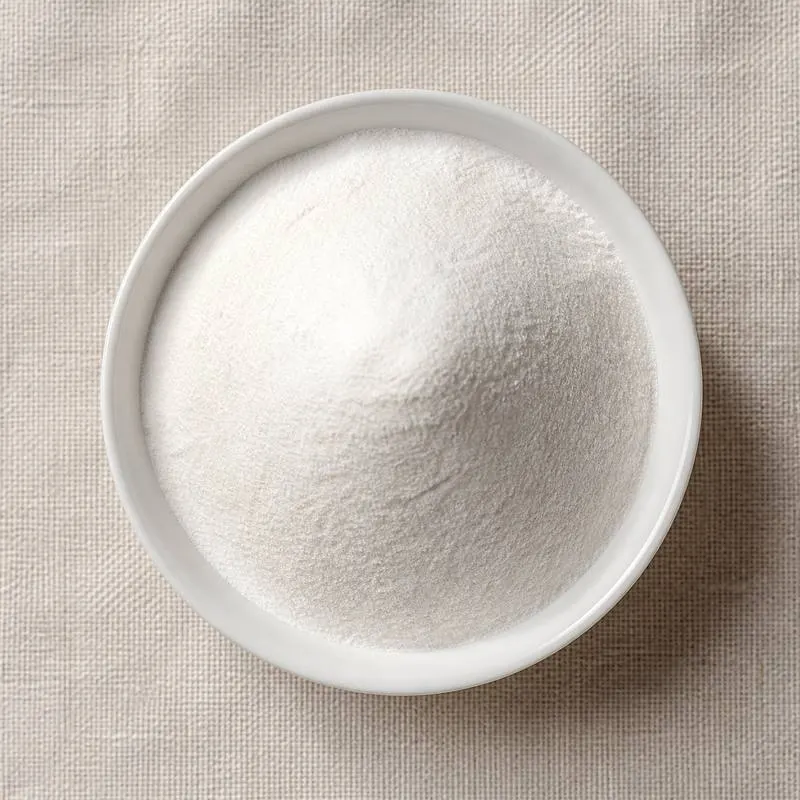
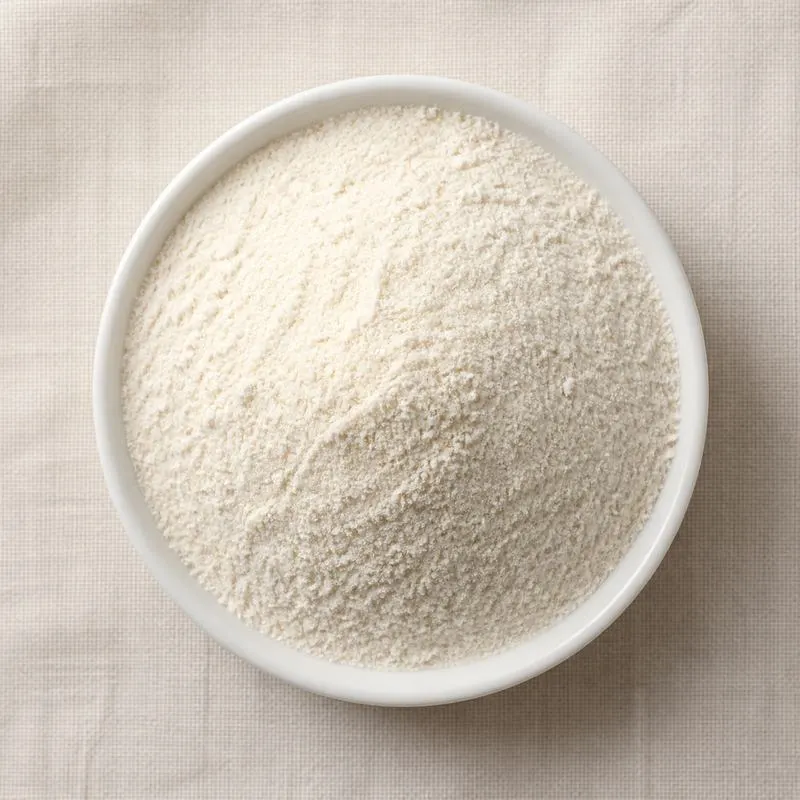
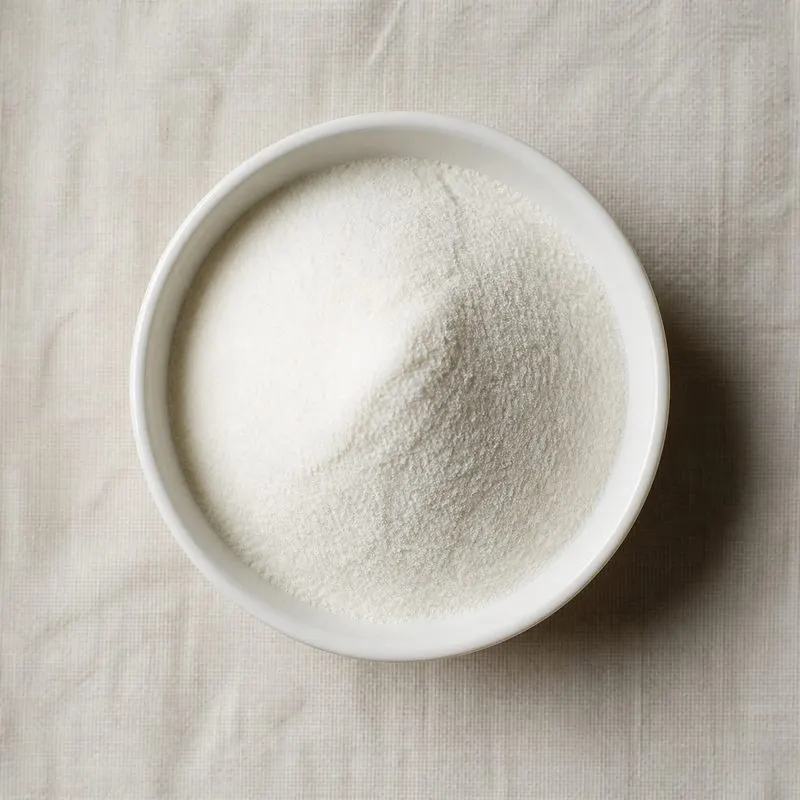
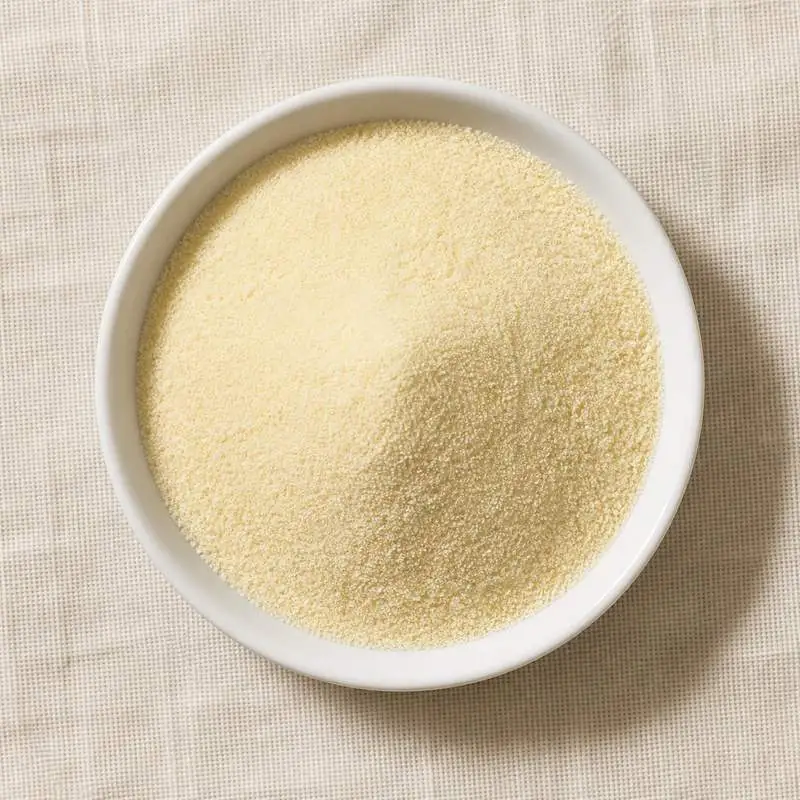
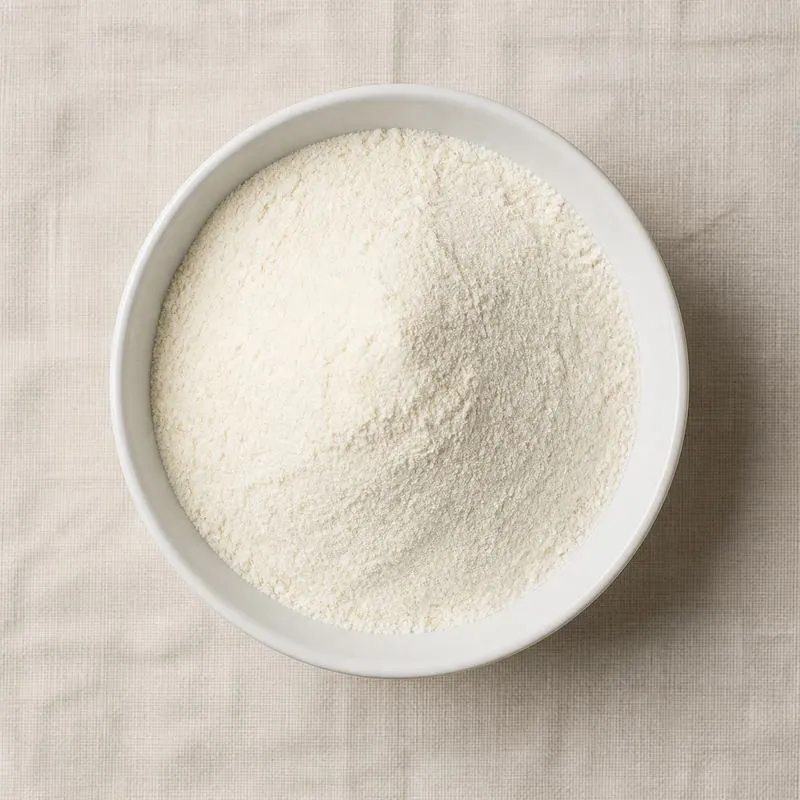
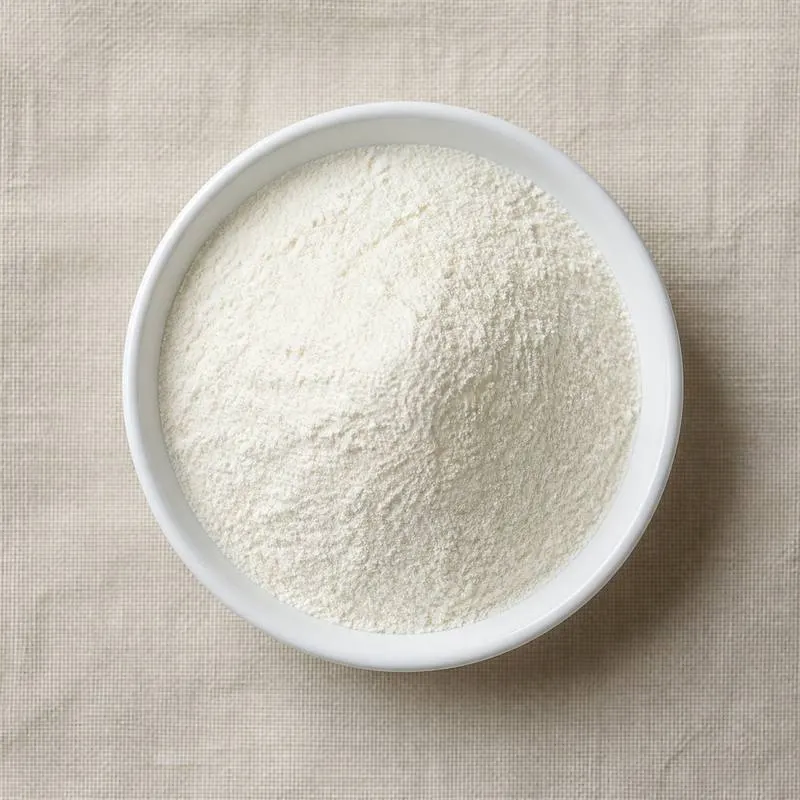
Most lots are a light yellow to pale brown hygroscopic spray-dried powder, with a concentrated liquid less common. Both dipeptides are freely water soluble and stable across the pH range used in beverages, and they survive pasteurisation and short retort cycles without measurable loss. The powder picks up moisture readily, so it is packed with a desiccant barrier, and it carries a residual savoury chicken note that is masked in flavoured formats.
We source bulk Chicken Imidazole Dipeptide from top China manufacturers for our partners. The manufacturer is in Guangdong. A smaller requirement can ship in a combined container with other ingredients.
Please send the grade you need, the volume and your destination port, and we will come back with a solution and a price.
or call +86-21-6858 0751
- Function
- Protein
Specifications
| Item | Specification |
|---|---|
| Appearance | Light yellow to pale brown fine powder |
| Odour and taste | Slight characteristic chicken extract note, savoury |
| Identification | Conforms by HPLC retention against carnosine and anserine standards |
| Anserine and carnosine, combined | Minimum 15.0 percent |
| Anserine to carnosine ratio | Approximately 3 to 1 |
| Protein, N x 6.25 | Minimum 45.0 percent |
| Loss on drying | Maximum 6.0 percent |
| Ash | Maximum 12.0 percent |
| Fat | Maximum 1.0 percent |
| pH, 1 percent solution | 5.5 to 7.0 |
| Lead | Maximum 0.5 mg per kg |
| Arsenic | Maximum 1.0 mg per kg |
| Total plate count | Maximum 10,000 CFU per gram |
| Yeast and mould | Maximum 100 CFU per gram |
| E. coli | Negative per gram |
| Salmonella | Negative per 25 gram |
Common Markets Grades
Grading is driven almost entirely by the declared imidazole dipeptide assay. Standard commercial grades sit at 10 to 15 percent combined anserine and carnosine and retain a meaningful load of free amino acids and low molecular weight peptides from the parent muscle. Concentrated grades at 20 to 30 percent are produced by additional membrane and resin polishing and carry less residual protein and salt. High purity carnosine and anserine sold as single isolated compounds are a separate product class and are usually synthesised rather than extracted.
Secondary distinctions include deodorised grades, where the chicken aroma has been reduced by carbon treatment for use in clear beverages, and undeodorised grades retained where a savoury note is acceptable. Both fine spray-dried powder and agglomerated instant powder are traded, the latter for direct dispersion in cold water sachets. Food grade material is the norm; the same extract is also sold as a feed and pet food ingredient at lower assay and looser microbiological limits.
Applications
- Sports and endurance drinks, where the dipeptides are positioned around muscle buffering during high intensity exercise
- Anti-fatigue functional shots and tonics, the principal application category in Japanese and wider East Asian markets
- Capsules and tablets in cognitive and healthy ageing supplement ranges
- Powdered drink mixes and stick packs, where the free solubility of the dipeptides avoids sediment
- Jelly drinks and functional gels, where the extract survives the hot fill and setting step
- Clinical and senior nutrition formulations aimed at maintaining muscle function
- Savoury seasoning bases, where the residual muscle extract character contributes meaty depth alongside the declared actives
- Pet supplements and senior pet foods, where anserine rich poultry extract is used for joint and mobility positioning
Brands Using Chicken Imidazole Dipeptide
Widely-distributed consumer products that list Chicken Imidazole Dipeptide on the ingredient label.
Brand names, product names and logos are the property of their owners. They appear here as published evidence that the ingredient is used, taken from the brand's own label or website. Their appearance is not an endorsement, and it does not mean the brand buys from us or from any manufacturer listed on this site.
China Manufacturers of Chicken Imidazole Dipeptide
Top Chicken Imidazole Dipeptide manufacturers in China.
Company names and logos are the property of the manufacturers themselves. They are listed here because our own directory records them as producing this ingredient. A listing is not an endorsement by them, and we do not represent them or speak on their behalf.
Regulatory Status
In the United States, chicken muscle extract standardised on imidazole dipeptides is marketed as a conventional food ingredient or as a dietary ingredient in supplements, and carnosine and anserine are normal constituents of meat rather than food additives. There is no food additive regulation specific to the extract, and the status of a given commercial preparation rests on self-determined generally recognized as safe conclusions or on dietary ingredient notification, depending on the intended use.
In the European Union the extract has no E number because it is not a food additive. A chicken breast extract used in a supplement or beverage is assessed against the novel food framework of Regulation EU 2015/2283 where it lacks a significant history of consumption in the Union before May 1997, and several imidazole dipeptide preparations have taken that route. Meat extract used as an ingredient falls under the hygiene requirements of Regulation EC 853/2004. In Japan the material has a long record of use in foods with function claims. Codex has no commodity standard for the extract, and JECFA has not evaluated it as an additive.
Manufacturing Process
The feedstock is chicken breast meat or the mechanically recovered breast fraction from poultry processing. The minced muscle is extracted in hot water, which denatures and precipitates the bulk myofibrillar protein while the small imidazole dipeptides pass into solution along with free amino acids, nucleotides and salts. Some plants apply a controlled protease step to increase yield from residual bound protein before separation.
The hot extract is separated from the meat solids by decanter centrifuge and filter press, then defatted by chilling and centrifugal separation. The clarified liquor is passed through ultrafiltration to remove residual high molecular weight protein, and then through cation exchange resin or nanofiltration, which is the step that raises the dipeptide fraction to the declared assay by rejecting salts and low value solutes. The concentrate is decolourised over activated carbon where a deodorised grade is required, evaporated under vacuum, and spray dried with or without a maltodextrin carrier depending on the target assay and flowability.