L-Histidine
L-Histidine is a proteinogenic α-amino acid with the formula C₆H₉N₃O₂ and a molar mass of 155.16 g/mol. Its distinctive imidazole side chain has a pKa near 6.0, which means the ring switches between protonated and neutral states across the physiological range and makes histidine a uniquely versatile residue at enzyme active sites.
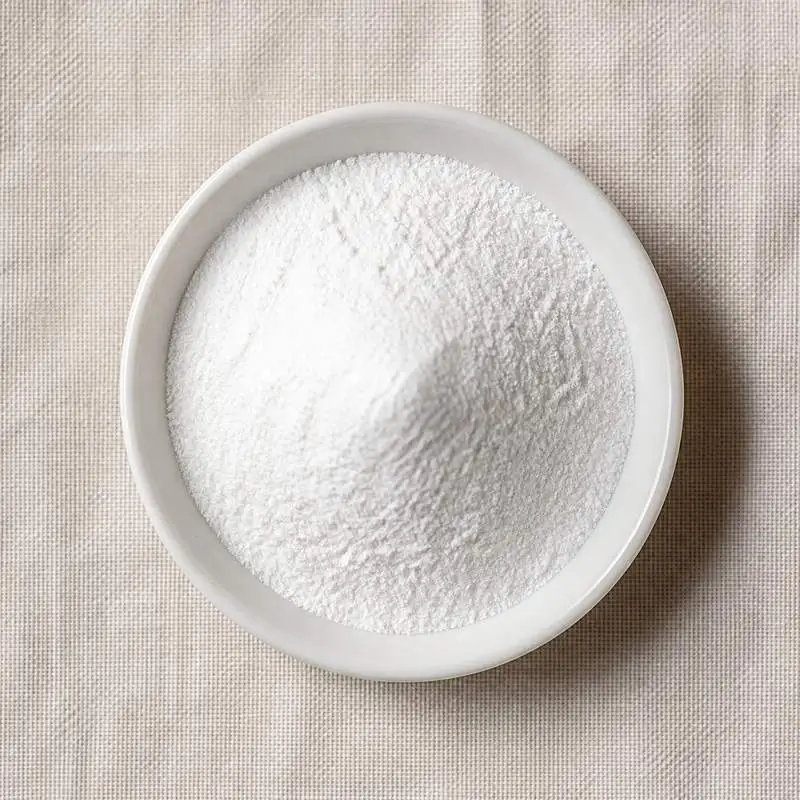
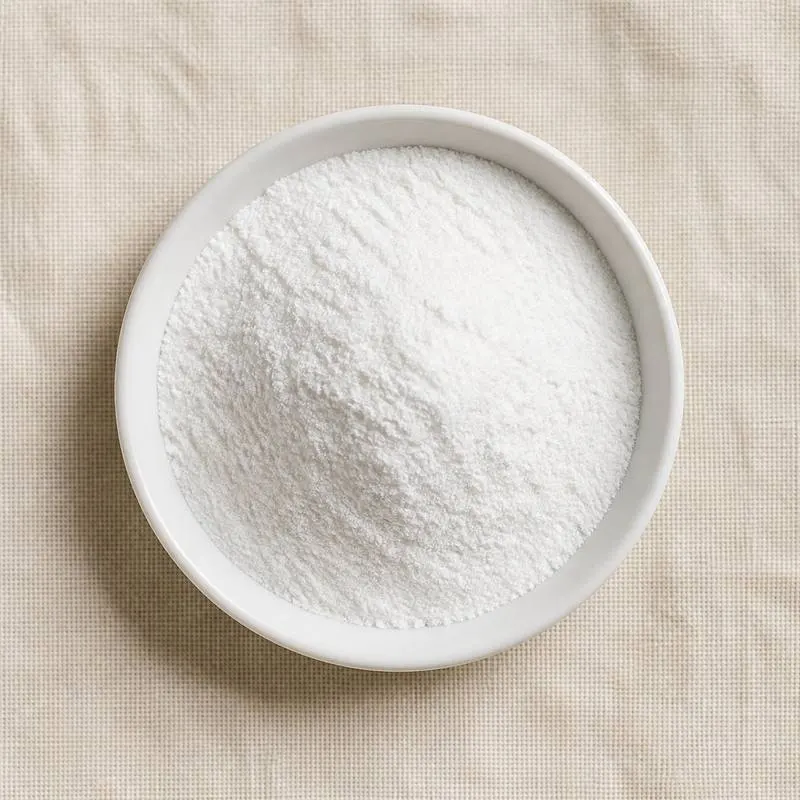
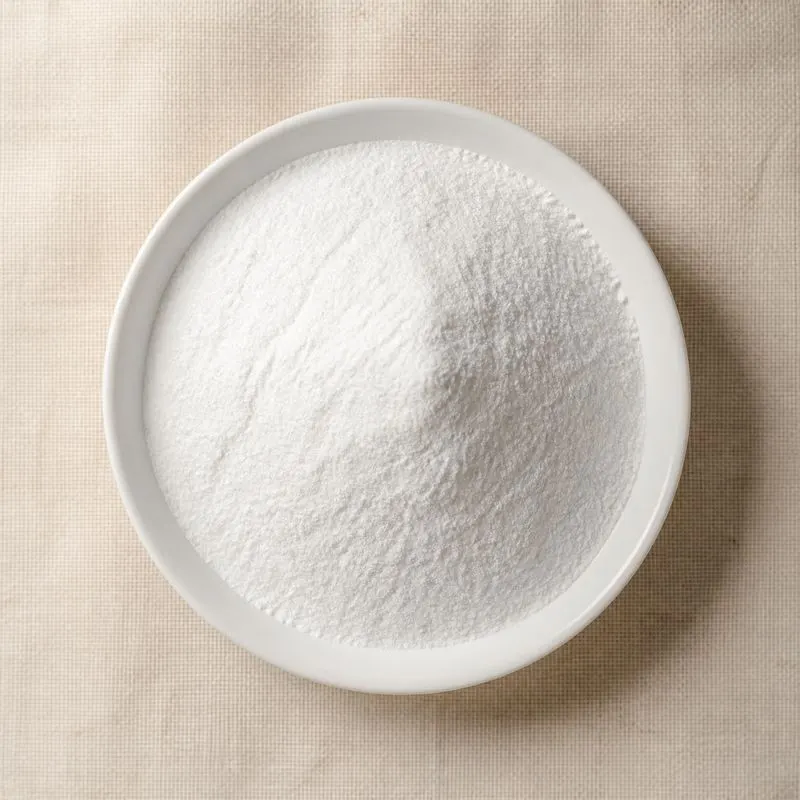
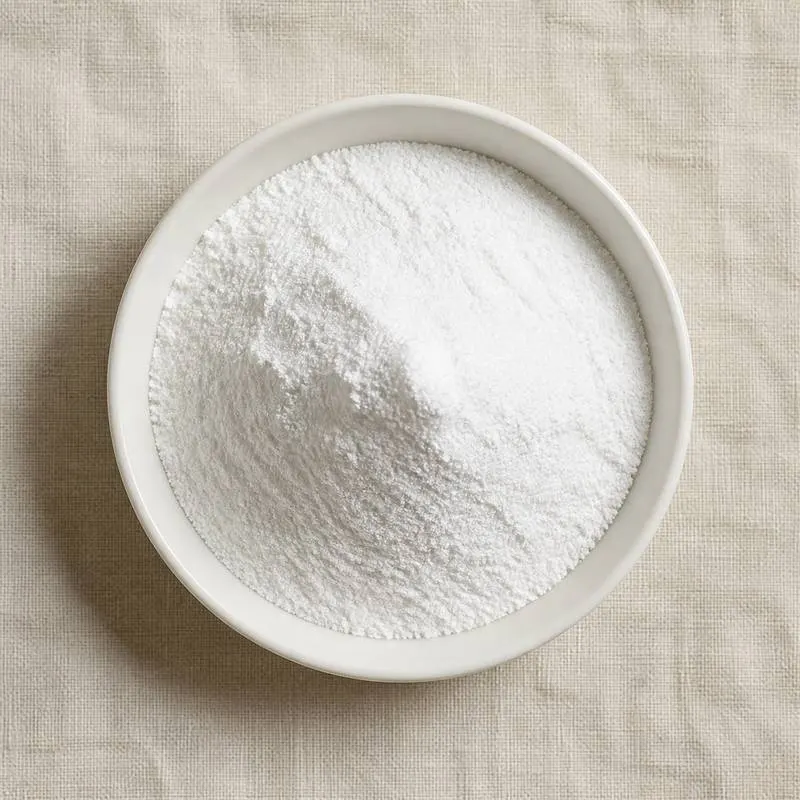
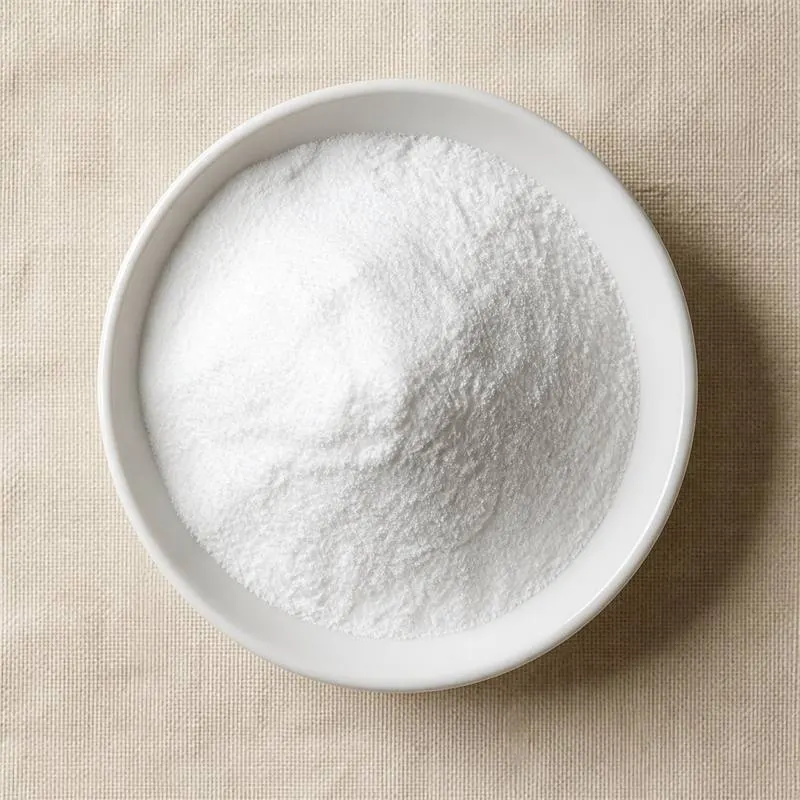
The white crystalline powder is freely soluble in water and faintly bitter. L-histidine is essential in infants and conditionally essential in adults, since the rate of endogenous synthesis is too low to support sustained growth and recovery.
We source bulk L-Histidine from top China manufacturers for our partners, working with several of them. The manufacturers are in Jiangsu, Shandong and Zhejiang. For this ingredient the minimum order is 500 kg and a 20-foot container takes 10 MT, and a smaller requirement can ship in a combined container with other ingredients.
Please send the grade you need, the volume and your destination port, and we will come back with a solution and a price.
or call +86-21-6858 0751
- Minimum order
- 500 kg
- Qty in 20' FCL
- 10 MT
- Packaging
- 25 kg kraft paper bag with PE inner liner
- ISO 9001
- HACCP
- Halal
- Kosher
Specifications
| Item | Specification |
|---|---|
| Appearance | White to off-white crystalline powder |
| Assay | ≥98.5% |
| Specific Rotation [α]D20 | -38.0° to -41.5° |
| Loss on Drying | ≤0.5% |
| Residue on Ignition | ≤0.1% |
| pH (5% solution) | 7.0–8.5 |
| Heavy Metals (as Pb) | ≤10 ppm |
| Arsenic | ≤1 ppm |
| Ammonium | ≤0.02% |
| Total Plate Count | ≤1000 CFU/g |
Common Markets Grades
L-Histidine appears in trade as the free base and as the monohydrochloride monohydrate salt.
Food and supplement grade L-histidine base meets the FCC monograph at 98.5 to 101.5 percent assay on the dried basis. The hydrochloride monohydrate form is more soluble and more stable to atmospheric moisture, which favors it for sports nutrition powders and pediatric formulations.
Pharmaceutical grade L-histidine and L-histidine hydrochloride conform to USP, Ph. Eur., and JP monographs. The material is a standard buffering component of monoclonal antibody drug products, where it pairs well with the typical formulation pH near 6.0 and offers low conductivity at high protein concentration.
Biochemical and cell-culture grades are produced with low endotoxin counts and verified amino acid purity. These ship into mammalian cell-culture media, peptide synthesis, and clinical-chemistry reagent manufacture.
Applications
- Buffering excipient in monoclonal antibody and fusion-protein injection formulations
- Component of parenteral nutrition admixtures, particularly pediatric and neonatal formulas
- Nutritional fortification of infant formula and follow-on nutrition products
- Component of clinical-nutrition products for renal and inflammatory disease support
- Sports nutrition: precursor of carnosine and component of intra-workout amino blends
- Treatment of rheumatoid arthritis and uremia as a specialty therapeutic in selected markets
- Cosmetic skin-conditioning and antioxidant ingredient in serums and creams
- Cell-culture and fermentation media for biopharmaceutical manufacture
- Building block in peptide synthesis and pharmaceutical chiral intermediate chemistry
- Substrate for the chemical and enzymatic synthesis of histamine for pharmacological research
- Animal feed supplement in aquaculture diets, particularly salmonids
Brands Using L-Histidine
Widely-distributed consumer products that list L-Histidine on the ingredient label.
- NOW FoodsL-Histidine 600 mg Veg Capsules ↗Official NOW Foods product page lists 'L-Histidine 600 mg' as the active ingredient with other ingredients hypromellose (cellulose capsule), microcrystalline cellulose, stearic acid (vegetable source) and silicon dioxide.Label verified 2026-05-24
- Pure EncapsulationsEssential Aminos ↗Pure Encapsulations Essential Aminos supplement contains L-Histidine (free-form) 50 mg per capsule alongside other essential amino acids; other ingredients are vegetarian capsule (cellulose, water) and ascorbyl palmitate.Label verified 2026-05-24
- Enfamil (Mead Johnson)Enfamil PurAmino Amino Acid-based Infant Formula ↗Enfamil PurAmino, an amino acid-based hypoallergenic infant formula, lists L-histidine in its amino acid blend alongside L-leucine, L-lysine HCl, L-cystine and other free-form amino acids that provide the protein equivalent.Label verified 2026-05-24
Brand names, product names and logos are the property of their owners. They appear here as published evidence that the ingredient is used, taken from the brand's own label or website. Their appearance is not an endorsement, and it does not mean the brand buys from us or from any manufacturer listed on this site.
China Manufacturers of L-Histidine
Top L-Histidine manufacturers in China.
 Changzhou Kansenbio Technology Co., Ltd.5 ingredients in the directory
 Wuxi Jinghai Amino Acid Co., Ltd.18 ingredients in the directory
 Xintai Jiahe Biotech Co., Ltd.(新泰市佳禾生物科技有限公司)10 ingredients in the directory
 Zhejiang Zhenyuan Biotech Co., Ltd.3 ingredients in the directory
Company names and logos are the property of the manufacturers themselves. They are listed here because our own directory records them as producing this ingredient. A listing is not an endorsement by them, and we do not represent them or speak on their behalf.
How We Help Source L-Histidine
Direct Factory Sourcing
We run the whole process: selecting the manufacturer from the top Chinese food ingredient producers, negotiating the price, verifying quality, and coordinating the logistics. You deal with us instead of with several factories at once.
Original Packaging and Documents from the Manufacturer
The manufacturer sends your L-Histidine out of its own factory in the original packing, through to your destination port. The COA, COO, MSDS, TDS and any certifications reach you from the manufacturer as well.
Free Samples and Lead Time
We send 100 to 500 g free for your own laboratory to test and you cover only the courier, usually within 2 to 3 working days. ETD is usually within 7 to 15 days once the order is confirmed, and we check that date against the factory's own manufacturing schedule before we give it to you.
Combined Shipment
We can load L-Histidine together with other ingredients such as Glycine, L-Arginine and L-Leucine into one 20' FCL. If your quantity is small, we can also ship LCL.
Regulatory Status
L-Histidine is broadly accepted as a food ingredient, dietary supplement, and pharmaceutical ingredient.
In the United States it is recognised as a nutrient and dietary supplement, with use in infant formula governed by the Infant Formula Act and associated regulations. The USP monograph and FDA's inactive ingredient database both cover use as a pharmaceutical excipient in injectable products.
The European Union permits L-histidine and its hydrochloride salt as nutrients added to foods for particular nutritional uses, infant formula, and food supplements under Regulation (EU) No 609/2013. EFSA has reviewed the safety of histidine for use in foods for special medical purposes without raising concerns at usual intakes.
USP, Ph. Eur., JP, and BP monographs cover the free base and the hydrochloride monohydrate. Halal and Kosher certifications are routinely available for fermentation-derived material that uses plant-based feedstocks and non-animal nitrogen sources.
Manufacturing Process
The dominant industrial route is direct fermentation of glucose by engineered Corynebacterium glutamicum or Escherichia coli strains. The histidine biosynthesis pathway is long and tightly regulated, with eleven enzymatic steps starting from phosphoribosyl pyrophosphate and ATP, so productive strains carry feedback-resistant variants of ATP-phosphoribosyltransferase together with amplified expression of the entire his operon.
Production fermenters operate aerobically at 30 to 37 °C with controlled ammonia and phosphate feeds. Titers above 40 g/L are reported from leading Japanese, Korean, and Chinese plants. Downstream processing relies on cation-exchange chromatography to capture the basic amino acid, followed by ammonia elution, decolorisation on activated carbon, concentration, and crystallisation either as the free base or as the hydrochloride monohydrate.
A small share of supply still comes from acid hydrolysis of blood-derived proteins, principally hemoglobin, which is rich in histidine. The residual route is largely confined to specialty pharmaceutical material in markets that accept animal-origin starting materials.
Chemical synthesis has never reached commercial competitiveness against fermentation, because the imidazole ring makes the chemistry awkward and the resolution of the racemate adds cost.