Anserine
Anserine is a naturally occurring histidine-containing dipeptide composed of β-alanine and N-methyl-L-histidine. It accumulates at high concentrations in the skeletal muscle of migratory fish (tuna, bonito, salmon) and in poultry breast meat.
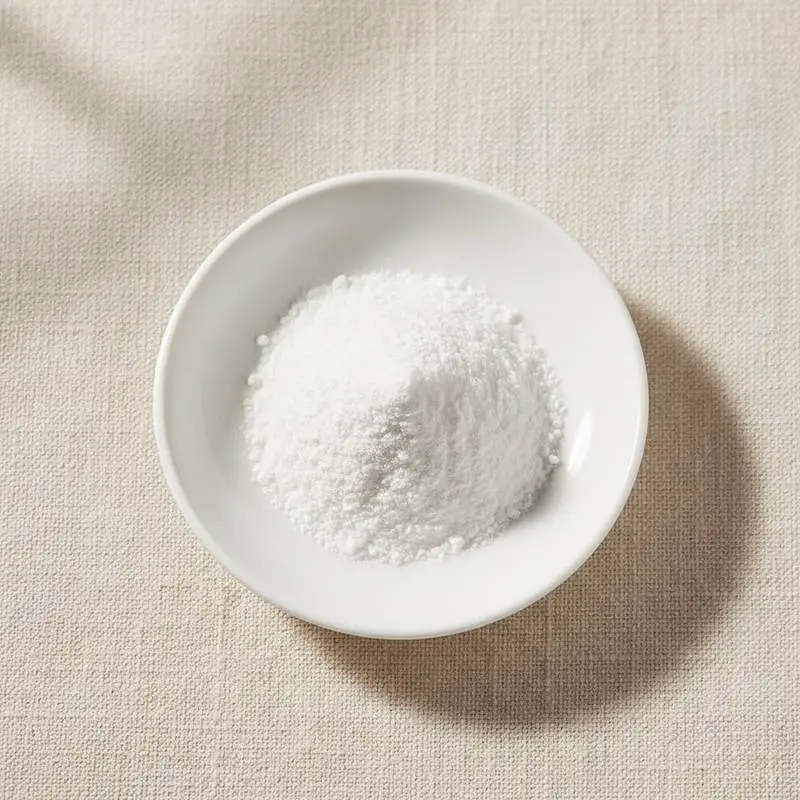
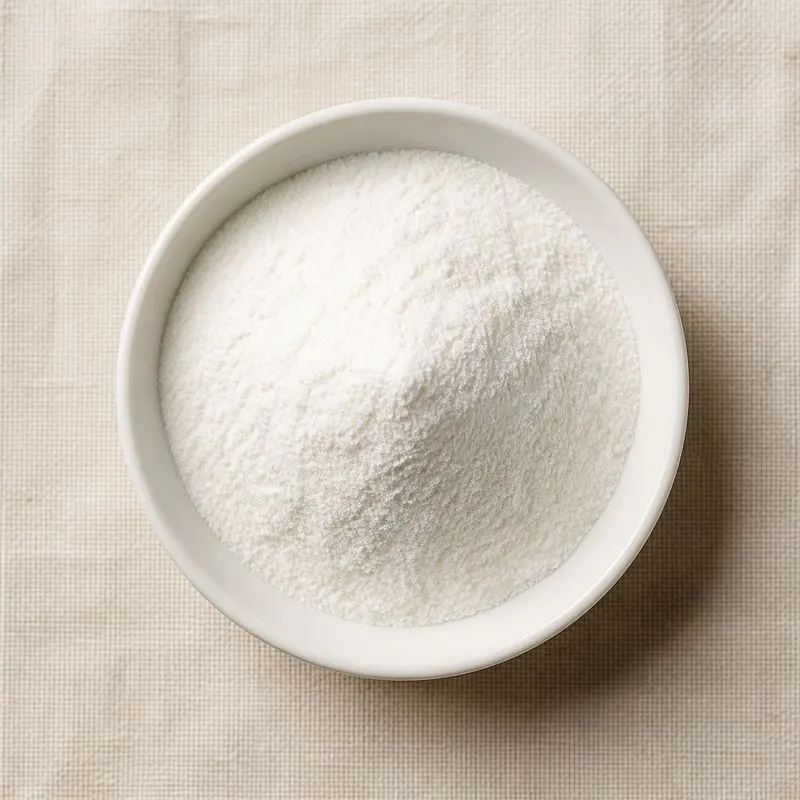
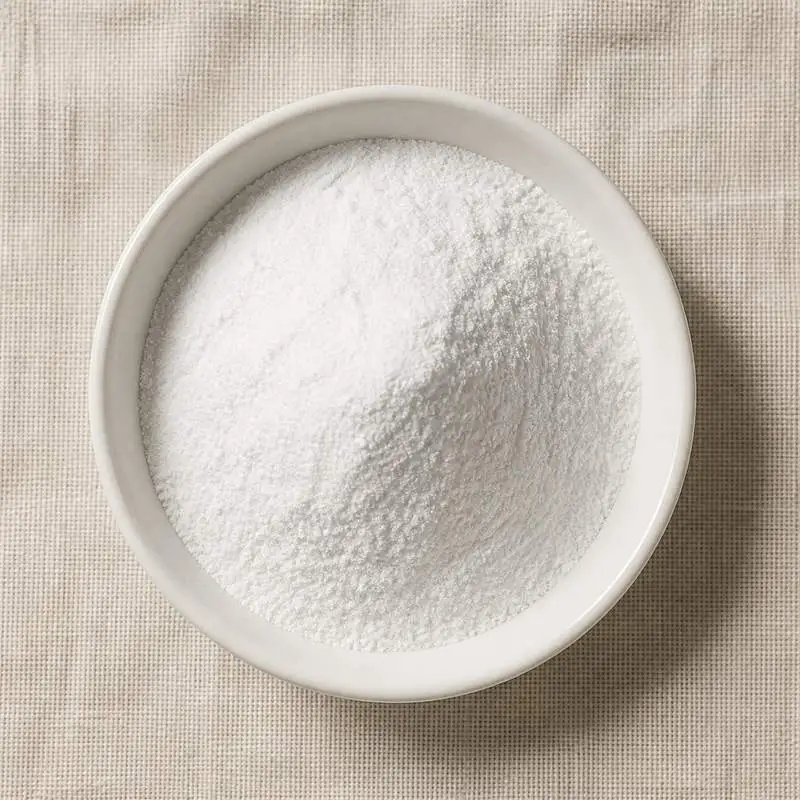
The molecule (CAS 584-85-0, formula C₁₀H₁₆N₄O₃, molar mass 240.26 g/mol) presents as a white to off-white crystalline powder, freely soluble in water and slightly soluble in ethanol. It is closely related to carnosine, differing only by a methyl group on the histidine imidazole ring.
We source bulk Anserine from top China manufacturers for our partners. The manufacturer is in Hainan. A smaller requirement can ship in a combined container with other ingredients.
Please send the grade you need, the volume and your destination port, and we will come back with a solution and a price.
or call +86-21-6858 0751
- Packaging
- 25 kg kraft paper bag with PE inner liner
- ISO 9001
- HACCP
- Halal
- Kosher
Specifications
Grades / Types Available: Food Grade, Feed Grade
| Item | Specification |
|---|---|
| Appearance | Light yellow to off-white free-flowing powder |
| Anserine Content | ≥ 40.0% (or as specified) |
| Carnosine Content | 5–15% |
| Protein (N×6.25) | ≥ 80.0% |
| Moisture | ≤ 7.0% |
| Ash | ≤ 7.0% |
| Fat | ≤ 1.0% |
| pH (1% solution) | 5.0–7.5 |
| Heavy Metals (as Pb) | ≤ 1 mg/kg |
| Lead (as Pb) | ≤ 0.5 mg/kg |
| Arsenic (as As) | ≤ 1 mg/kg |
| Mercury (as Hg) | ≤ 0.5 mg/kg |
| Total Plate Count | ≤ 10,000 CFU/g |
| Yeast & Mold | ≤ 100 CFU/g |
| E. coli | Negative/g |
| Salmonella | Negative/25g |
| Purity/Assay (Food Grade) | ≥98% |
| Moisture/Loss on Drying | ≤5% |
Common Markets Grades
Anserine is commercialized as part of fish-meat oligopeptide extracts and as a purified material.
Fish-meat extract grades typically deliver 10 to 30 percent anserine, often co-standardised with carnosine to give a stated combined imidazole-dipeptide content of 30, 50, or 70 percent.
Purified anserine at greater than 95 percent and greater than 98 percent (HPLC) is produced for clinical-study material, premium supplements, and reference use.
The most common counter-ion form is the free dipeptide, with anserine nitrate occasionally used to improve crystallinity.
The material is typically a free-flowing powder suitable for capsule, tablet, sachet, and beverage applications, with a mild umami flavour profile in concentrated solutions.
Applications
- Cognitive-support supplements positioned around memory and age-related cognitive decline
- Sports-nutrition pre-workouts paired with β-alanine and creatine for muscle buffering
- Healthy-aging blends combined with carnosine, taurine, and B-vitamins
- Functional fish-protein hydrolysate powders sold in Japan and Korea
- Cardiometabolic-support formulas leveraging serum-urate research
- Capsules and chewable tablets in joint and recovery stacks
- Ready-to-drink shots in the Japanese functional-beverage category
- Senior-nutrition oral nutritional supplements with combined dipeptide positioning
- Skincare drinkable shots leveraging antioxidant dipeptide research
- Reference standards in HPLC quantification of meat and fish freshness markers
Brands Using Anserine
Widely-distributed consumer products that list Anserine on the ingredient label.
- DHCDHC Anserine 30-Day Supplement ↗A hard-capsule supplement supplying 60 mg anserine per serving from a concentrated fish-peptide source (bonito and tuna).Label verified 2026-05-24
- Maypro (NeuroHD)NeuroHD / NeuroHD-marine Anserine-Carnosine Complex ↗Histidine dipeptide ingredient complex available as carnosine-anserine or marine-derived anserine-only (NeuroHD-marine) for neuro-cognitive support supplements.Label verified 2026-05-24
- NH FoodsNH Foods Anserine-Carnosine Powder (Imidapeptide) ↗Chicken-derived anserine-carnosine (3:1) powder ingredient used in branded Japanese supplements and clinical studies for cognitive and antioxidant support.Label verified 2026-05-24
- Caring SunshineCaring Sunshine Anserine Supplement ↗Niche dietary supplement featuring anserine, the beta-alanine/1-methylhistidine dipeptide from fish and poultry, for antioxidant and uric-acid balance support.Label verified 2026-05-24
Brand names, product names and logos are the property of their owners. They appear here as published evidence that the ingredient is used, taken from the brand's own label or website. Their appearance is not an endorsement, and it does not mean the brand buys from us or from any manufacturer listed on this site.
China Manufacturers of Anserine
Top Anserine manufacturers in China.

Company names and logos are the property of the manufacturers themselves. They are listed here because our own directory records them as producing this ingredient. A listing is not an endorsement by them, and we do not represent them or speak on their behalf.
How We Help Source Anserine
Direct Factory Sourcing
We run the whole process: selecting the manufacturer from the top Chinese food ingredient producers, negotiating the price, verifying quality, and coordinating the logistics. You deal with us instead of with several factories at once.
Original Packaging and Documents from the Manufacturer
The manufacturer sends your Anserine out of its own factory in the original packing, through to your destination port. The COA, COO, MSDS, TDS and any certifications reach you from the manufacturer as well.
Free Samples and Lead Time
We send 100 to 500 g free for your own laboratory to test and you cover only the courier, usually within 2 to 3 working days. ETD is usually within 7 to 15 days once the order is confirmed, and we check that date against the factory's own manufacturing schedule before we give it to you.
Combined Shipment
We can load Anserine together with other ingredients such as Arachidonic Acid, Coenzyme Q10 and Chondroitin Sulphate Sodium into one 20' FCL. If your quantity is small, we can also ship LCL.
Regulatory Status
Anserine is naturally present in human diet through poultry and fish meat and is not a novel substance in any major market.
In Japan, fish-meat oligopeptide preparations containing anserine and carnosine are widely marketed as foods with function claims (FFC) for memory and cognitive function in the elderly.
In the United States, anserine and fish-derived imidazole-dipeptide ingredients are marketed as dietary ingredients under DSHEA.
In the European Union, isolated anserine preparations may require Novel Food assessment depending on extraction process and intended food category, while the parent fish protein remains a conventional food.
The substance is not approved as a drug in any major market.
Halal and Kosher certification is challenging given the marine animal origin and must be evaluated on a per-supplier basis.
Manufacturing Process
Commercial anserine is overwhelmingly produced from skipjack tuna (Katsuwonus pelamis) and bonito processing streams in Japan, with smaller volumes from chicken breast in China.
The starting material is the cooking water and meat extract generated during katsuobushi (dried bonito) production. This stream is naturally rich in imidazole dipeptides, free amino acids, and inosine monophosphate.
The crude extract is decolorised with activated carbon, then concentrated by reverse osmosis or vacuum evaporation.
Lower-strength grades are produced by direct spray-drying of the concentrate, often onto a maltodextrin carrier.
Higher-strength grades are produced by ion-exchange chromatography on a strong cation resin, taking advantage of the cationic character of the imidazole ring. Selective elution separates anserine from carnosine and from other amino acids.
Purified anserine is obtained by a final recrystallisation from aqueous ethanol or by preparative reversed-phase chromatography.
A small chemical-synthesis route exists for reference-standard material, based on coupling of β-alanine with 1-methyl-L-histidine.