Chickpea Fibre
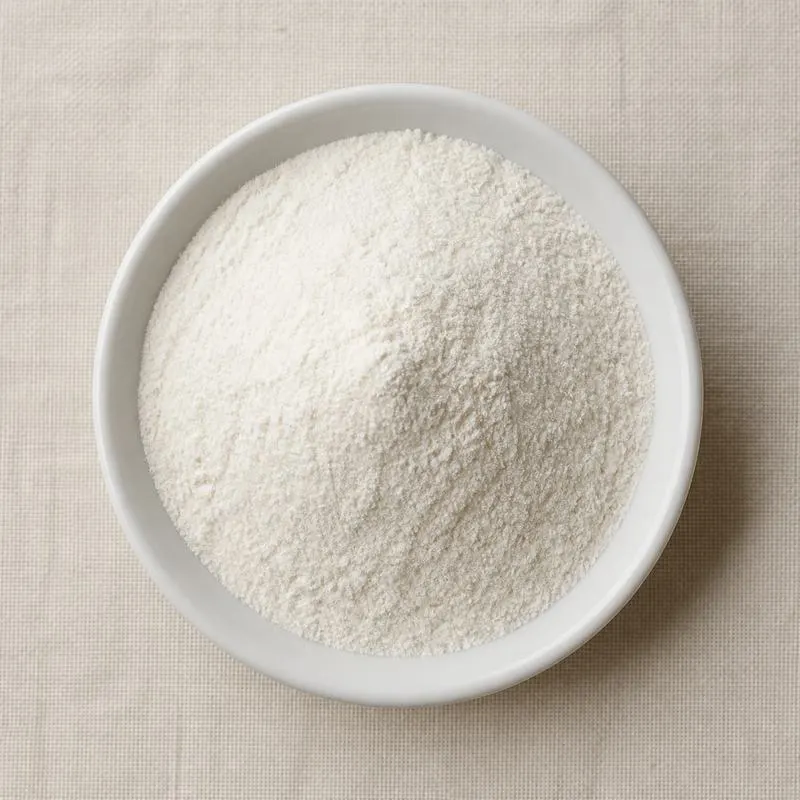
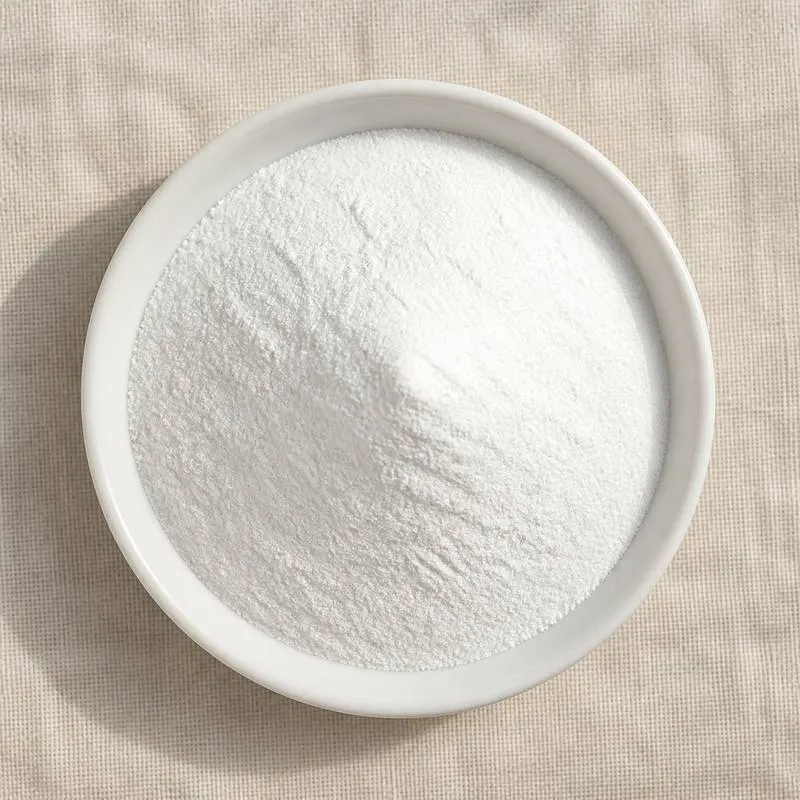
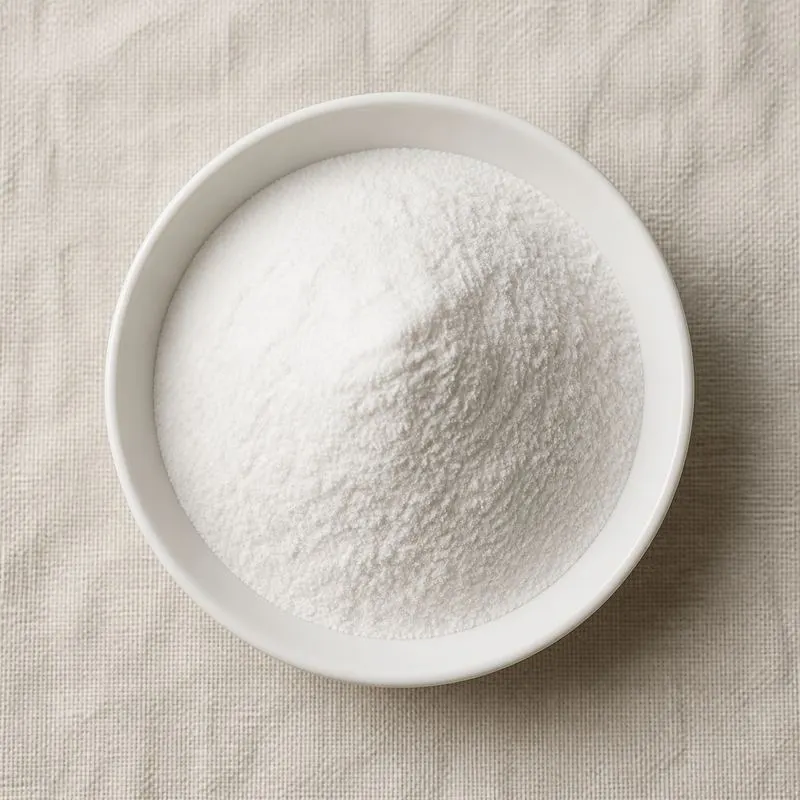
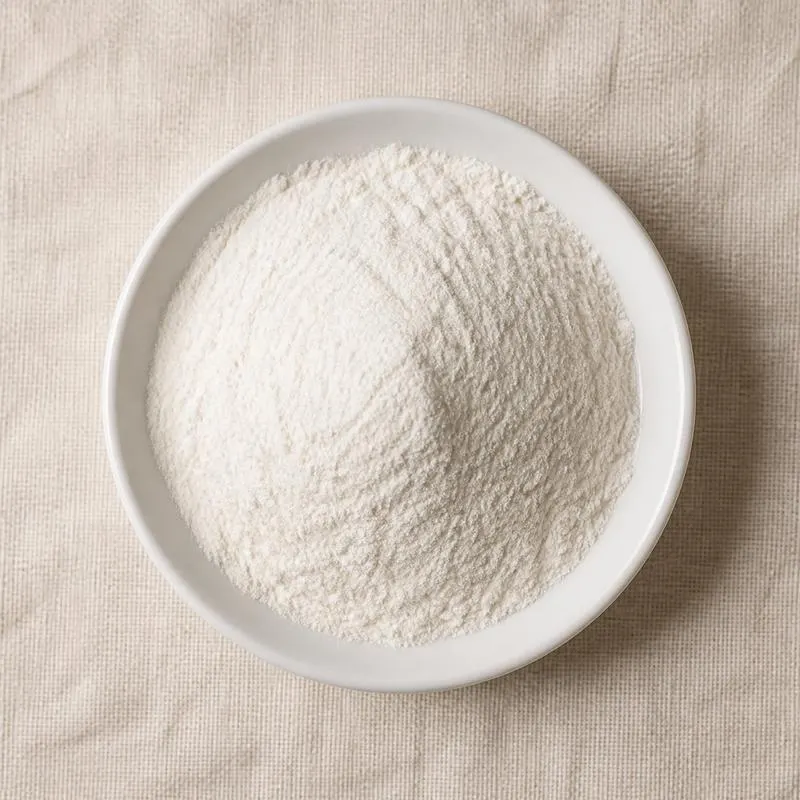
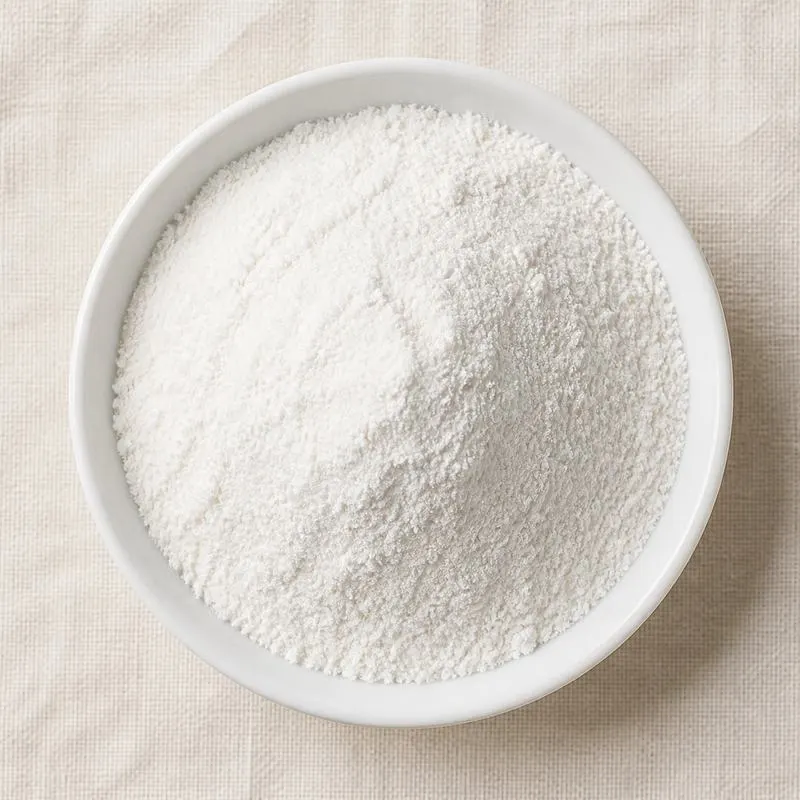
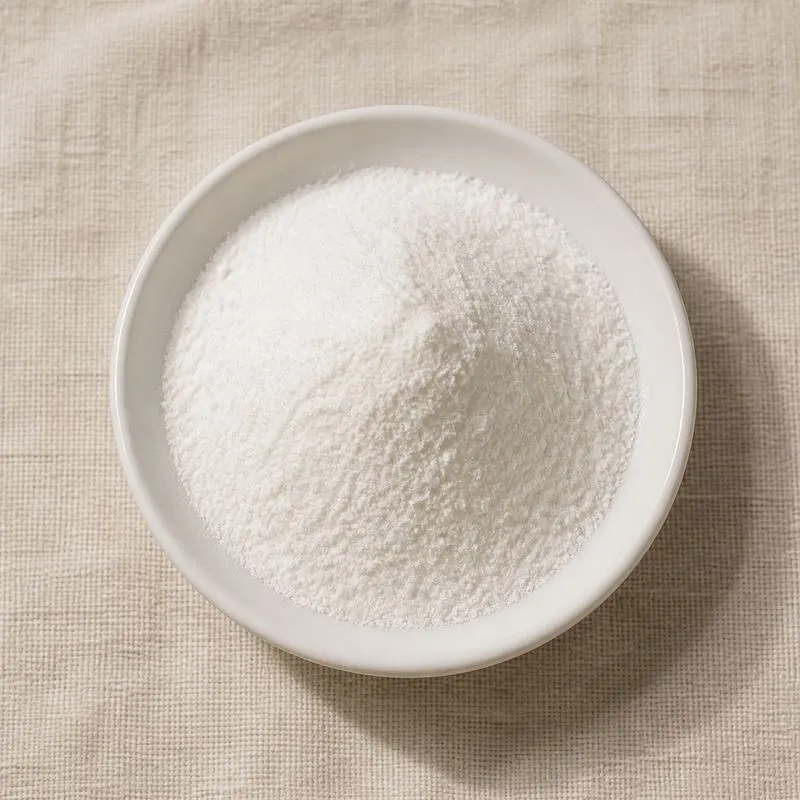
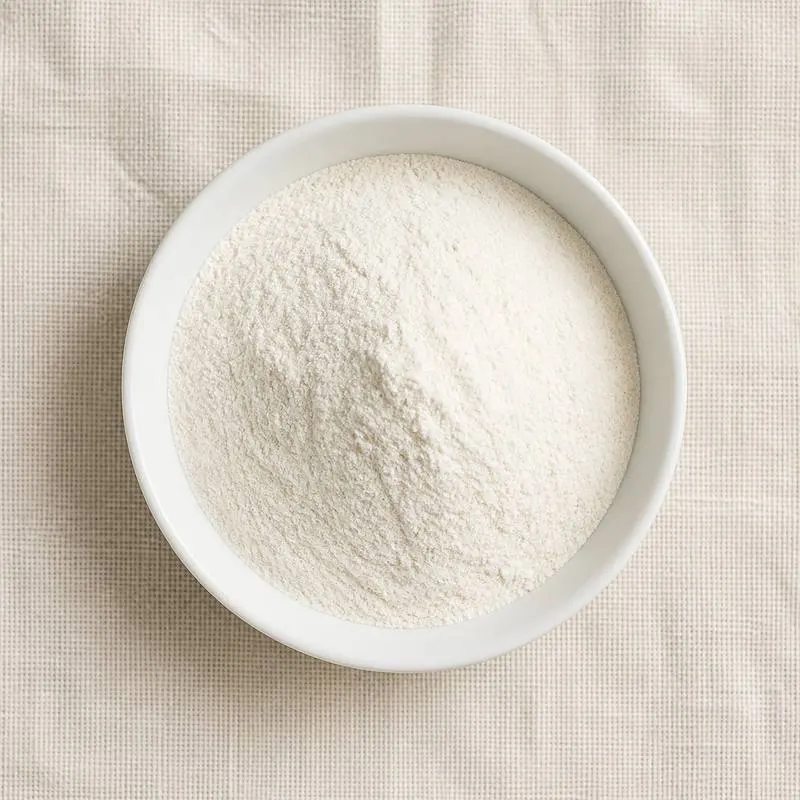
Chickpea Fibre is the dietary fibre concentrate isolated from Cicer arietinum, the dominant pulse crop of South Asia and the Mediterranean basin. The ingredient is recovered from chickpea hulls or from the side stream of chickpea protein fractionation, and presents as a pale-yellow free-flowing powder with a mild legume note.
The composition is roughly 75 to 85 percent total dietary fibre, mostly insoluble cellulose and hemicellulose with a soluble pectin and arabinan minority.
We source bulk Chickpea Fibre from top China manufacturers for our partners. The manufacturer is in Shandong. A smaller requirement can ship in a combined container with other ingredients.
Please send the grade you need, the volume and your destination port, and we will come back with a solution and a price.
or call +86-21-6858 0751
- Packaging
- 25 kg kraft paper bag with PE inner liner
- ISO 9001
- HACCP
- Halal
- Kosher
Specifications
| Item | Specification |
|---|---|
| Appearance | Off-white to light golden powder |
| Source | Chickpea (Cicer arietinum) hull or cotyledon |
| Total dietary fiber (AOAC 991.43) | ≥ 60.0% (cotyledon) to ≥ 90.0% (hull) |
| Soluble fiber fraction | 8 to 15% |
| Moisture | ≤ 10.0% |
| Ash | ≤ 5.0% |
| Protein residue | ≤ 8.0% |
| Starch residue | ≤ 5.0% |
| Particle size | 80 to 200 mesh; per customer specification |
| Heavy metals (as Pb) | ≤ 2 mg/kg |
| Arsenic | ≤ 1 mg/kg |
| Total plate count | ≤ 10,000 CFU/g |
| Yeast and mold | ≤ 100 CFU/g |
| E. coli and Salmonella | Negative |
Common Markets Grades
Two grades of chickpea fibre reach the market: hull-derived and cotyledon-derived.
Hull fibre is the larger commercial volume. It delivers 80 percent or higher TDF and is graded by particle size from 50 to 250 micron. Bleached and non-bleached versions exist.
Cotyledon fibre sits at 60 to 70 percent TDF, contains more soluble fraction, and is preferred where soft hydration and a fine mouthfeel are needed.
Both grades are produced from desi (small dark-seeded) and kabuli (large pale-seeded) chickpea varieties. Kabuli-derived material is preferred for pale finished foods, while desi material is more cost-efficient for darker formulations.
Applications
- Falafel mixes, hummus thickeners, and Middle Eastern bakery
- Gluten-free flatbread, crackers, and pasta for fibre and protein synergy
- Plant-based meat patties and meatballs as a culturally aligned fibre source
- Snack extrusion: puffed snacks, chips, and savoury cereal
- Bakery: bread, muffins, and cookies for fibre fortification
- Soups, dals, and curries as a body and protein extender
- Pet food, especially grain-free formulations
- Dairy alternatives based on chickpea milk or yogurt for body
- Nutrition bars and breakfast bars for fibre claims
- Battered and coated foods for crispness and moisture retention
China Manufacturers of Chickpea Fibre
Top Chickpea Fibre manufacturers in China.

Company names and logos are the property of the manufacturers themselves. They are listed here because our own directory records them as producing this ingredient. A listing is not an endorsement by them, and we do not represent them or speak on their behalf.
How We Help Source Chickpea Fibre
Direct Factory Sourcing
We run the whole process: selecting the manufacturer from the top Chinese food ingredient producers, negotiating the price, verifying quality, and coordinating the logistics. You deal with us instead of with several factories at once.
Original Packaging and Documents from the Manufacturer
The manufacturer sends your Chickpea Fibre out of its own factory in the original packing, through to your destination port. The COA, COO, MSDS, TDS and any certifications reach you from the manufacturer as well.
Free Samples and Lead Time
We send 100 to 500 g free for your own laboratory to test and you cover only the courier, usually within 2 to 3 working days. ETD is usually within 7 to 15 days once the order is confirmed, and we check that date against the factory's own manufacturing schedule before we give it to you.
Combined Shipment
We can load Chickpea Fibre together with other ingredients such as Citrus Fibre, Xylo-oligosaccharide and Inulin into one 20' FCL. If your quantity is small, we can also ship LCL.
Regulatory Status
Chickpea fibre is a food ingredient with no E number in the European Union or any other major market.
It is declared on ingredient lists as chickpea fibre, chickpea hull fibre, or gram fibre depending on the regional naming convention. Both EFSA and the U.S. FDA recognise it as a source of dietary fibre for labelling purposes.
The ingredient is naturally gluten-free, non-GMO, and qualifies for vegan and vegetarian positioning. Halal, Kosher, and organic certifications are routinely offered.
Pulses Canada, the Australian Pulse Conference, and the Indian Council of Agricultural Research have all published quality reference frameworks that underpin commercial specifications.
Manufacturing Process
Chickpea fibre capacity has grown alongside the chickpea protein boom, with new plants commissioned in India, Australia, Canada, and the United States since 2018.
The dry route starts with mechanical decortication of cleaned chickpeas. The recovered hulls are milled, sieved, and air-classified to produce hull fibre. Dust and broken cotyledon are recovered as side products.
The wet route runs in parallel with chickpea protein isolate manufacture. Dehulled cotyledons are wet-milled, the protein is solubilised at alkaline pH and precipitated at the isoelectric point, and the remaining slurry yields starch and an insoluble fibre fraction.
The fibre slurry is washed, neutralised, dewatered, and dried by ring or spray drying. The final powder is sieved and tested for residual starch, protein, and microbial load.