Chinese Prickly Ash Oil Resin
Chinese prickly ash oleoresin is the solvent extracted concentrate of the dried pericarp of Zanthoxylum bungeanum and Zanthoxylum schinifolium, the spice known in Chinese cooking as huajiao and in English as Sichuan pepper. The plant belongs to the Rutaceae family, the citrus family, and despite both common names it is unrelated to black pepper and to true ash.
The spice is unusual in that its principal effect is neither taste nor aroma but a trigeminal sensation. Hydroxy alpha sanshool and the related sanshool alkylamides produce a tingling, buzzing numbness on the lips and tongue, described in Chinese as ma, which is the defining half of the mala flavour profile completed by chilli heat. Alongside these the pericarp carries a volatile oil at three to nine percent, dominated by linalool, limonene, sabinene and geraniol, which supplies the bright citrus and floral aroma.
The oleoresin is a dark green brown to reddish brown viscous liquid, insoluble in water and soluble in ethanol and edible oils. The sanshools are considerably less stable than the capsaicinoids of chilli, degrading on prolonged heating and on exposure to air and light, which is why the tingling effect fades in a stored dish and why the oleoresin is dosed late in a process and packed under nitrogen away from light.
We source bulk Chinese Prickly Ash Oil Resin from top China manufacturers for our partners. The manufacturer is in Henan. A smaller requirement can ship in a combined container with other ingredients.
Please send the grade you need, the volume and your destination port, and we will come back with a solution and a price.
or call +86-21-6858 0751
- Function
- Plant extract
Specifications
| Item | Specification |
|---|---|
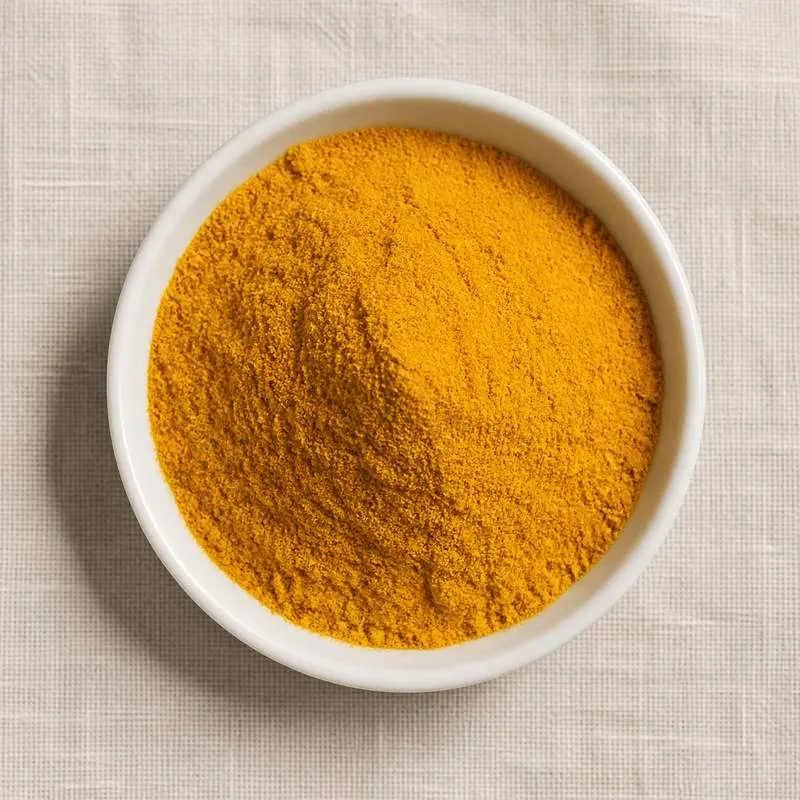
| Appearance | Dark green brown to reddish brown viscous liquid |
| Botanical Source | Zanthoxylum bungeanum dried pericarp |
| Odour and Taste | Citrus floral aroma, characteristic tingling numbness |
| Volatile Oil | ≥ 25 mL/100 g |
| Total Sanshools | ≥ 3.0% (HPLC) |
| Linalool | 20% to 45% of volatile oil (GC) |
| Refractive Index (20 °C) | 1.470 to 1.510 |
| Specific Gravity (25 °C) | 0.930 to 1.010 |
| Solubility | Soluble in ethanol and edible oil, insoluble in water |
| Loss on Drying | ≤ 2.0% |
| Residual Ethanol | ≤ 50 mg/kg |
| Lead | ≤ 2.0 mg/kg |
| Arsenic | ≤ 1.0 mg/kg |
| Total Plate Count | ≤ 1,000 cfu/g |
| Yeast and Mould | ≤ 100 cfu/g |
| Escherichia coli | Negative in 1 g |
| Salmonella | Negative in 25 g |
Common Markets Grades
The trade quotes volatile oil content and total sanshools, sometimes expressed as total alkylamides or as hydroxy alpha sanshool by HPLC. Typical oleoresin grades run at 20 to 40 millilitres of volatile oil per hundred grams with sanshool figures from a few percent upwards, and the balance between the two determines whether the material is aromatic, numbing or both.
Species and origin are part of the specification. Red huajiao from Zanthoxylum bungeanum, the dominant commercial type, is more strongly numbing, while green huajiao from Zanthoxylum schinifolium is more citrus aromatic and is traded separately at a premium for its top notes. Alongside the oleoresin the market supplies steam distilled essential oil, which carries the aroma but very little of the numbing fraction because the sanshools are not volatile, and spice infused oils made by heating the whole pericarp in a vegetable oil, which carry both. Dispersed presentations include oil dilutions, water dispersible emulsions and spray dried powders on maltodextrin for dry seasoning work.
Applications
- Sichuan style sauce and seasoning systems, where it supplies the numbing half of the mala profile alongside chilli
- Hotpot bases and condiment pastes, dosed as an oleoresin or as an infused oil
- Instant noodle and dry seasoning sachets, using a spray dried carrier borne grade for even distribution
- Marinades and brines for poultry and offal, using the water dispersible emulsion
- Processed meat and prepared dishes, added after the main heating step because the sanshools degrade with prolonged heat
- Snack seasonings for crisps, nuts and extruded products, where the tingling effect is a point of difference
- Chilled and ready meal Chinese dishes, restoring the numbing character lost in retorting
- Confectionery and beverage novelty applications, built on the trigeminal sensation alone
- Oral care and topical products, where the tingling alkylamides are used for the sensation they produce
China Manufacturers of Chinese Prickly Ash Oil Resin
Top Chinese Prickly Ash Oil Resin manufacturers in China.

Company names and logos are the property of the manufacturers themselves. They are listed here because our own directory records them as producing this ingredient. A listing is not an endorsement by them, and we do not represent them or speak on their behalf.
Regulatory Status
In the United States, the Food and Drug Administration lists Zanthoxylum species among the natural flavouring substances and natural substances used in conjunction with flavourings that it permits in food, and the generally recognised as safe listing at 21 CFR 182.20 covers spice essential oils and oleoresins. Zanthoxylum preparations are recognised flavouring materials of the Flavour and Extract Manufacturers Association. Extraction solvents are controlled as secondary direct food additives under 21 CFR 173, so the specification states the solvent used.
In the European Union the oleoresin is a flavouring preparation under the flavourings regulation rather than a food additive, so it carries no E number and is declared as a flavouring or spice extract on the ingredient list. Extraction solvents are governed by the Union directive on extraction solvents used in the production of foodstuffs. Codex addresses the material through the flavourings framework rather than through an additive specification, and JECFA has evaluated the constituent flavouring substances of the volatile oil within its flavouring groups rather than issuing a specification for the oleoresin as such.
Manufacturing Process
Dried pericarp is cleaned by aspiration and screening to remove seeds, stalks and thorns, the seed being separated deliberately because it dilutes the oleoresin with fixed oil and contributes an unwanted bitterness. The cleaned pericarp is milled cold, since the volatile oil is lost readily from a warm mill, and charged to a battery of extractors.
Extraction is with ethanol or with supercritical carbon dioxide, the latter increasingly preferred because it operates at low temperature and protects the sanshools. The miscella is drained and the solvent removed in a falling film evaporator followed by a thin film or wiped film evaporator under high vacuum, at a temperature kept low enough to retain both the volatile oil and the alkylamides. Where the essential oil is the product, the milled pericarp is steam distilled instead and the oil separated from the aqueous distillate, but this route leaves the numbing fraction behind in the spent material. The stripped oleoresin is standardised for volatile oil and sanshool content by blending across batches, dosed with an antioxidant, homogenised and filled under nitrogen into lined drums, then stored cool and dark.