Chitooligosaccharides
Chitooligosaccharides are short-chain depolymerisation products of chitosan, made up of glucosamine units joined by beta-1,4 bonds, generally with a degree of polymerisation between two and about twenty. Chitosan itself is the deacetylated form of chitin, the structural polysaccharide of crustacean shell and fungal cell wall. Cutting the long chitosan chain into oligomers changes its behaviour completely: where chitosan dissolves only in dilute acid and gives viscous solutions, chitooligosaccharides are freely soluble in water across the whole pH range and give solutions of low viscosity.
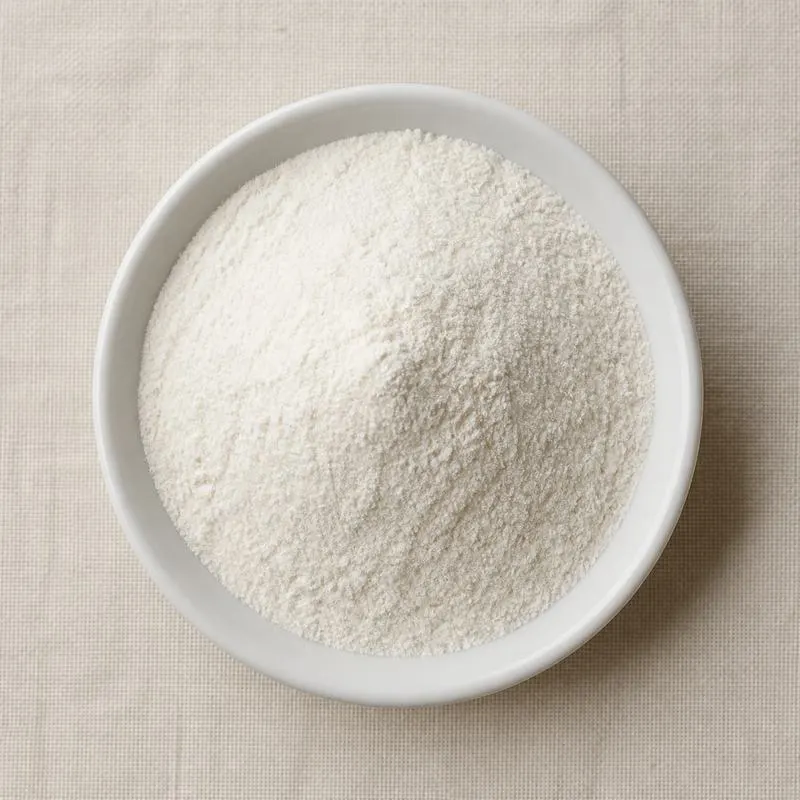
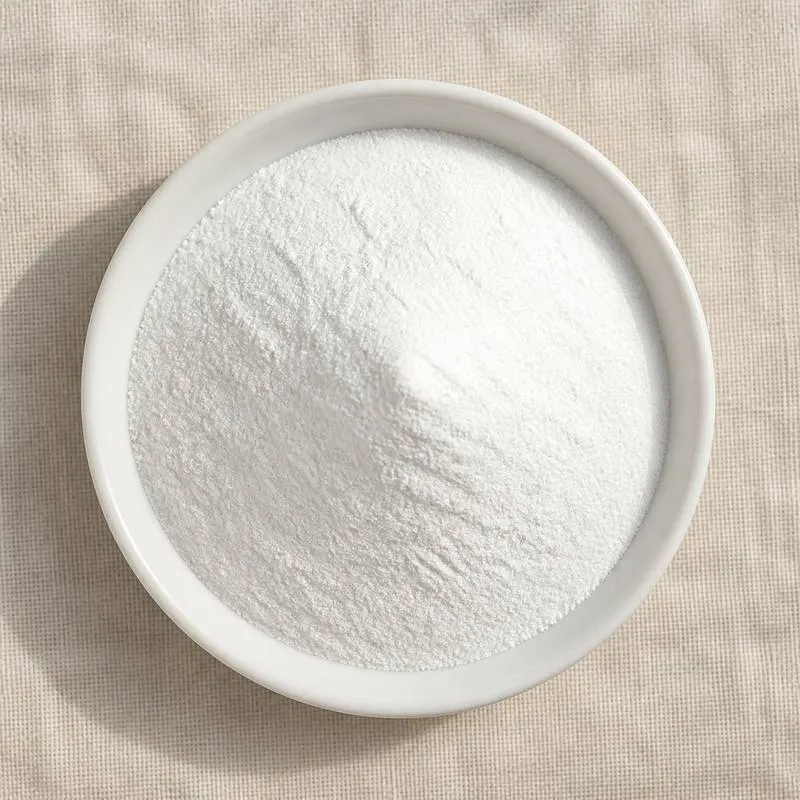
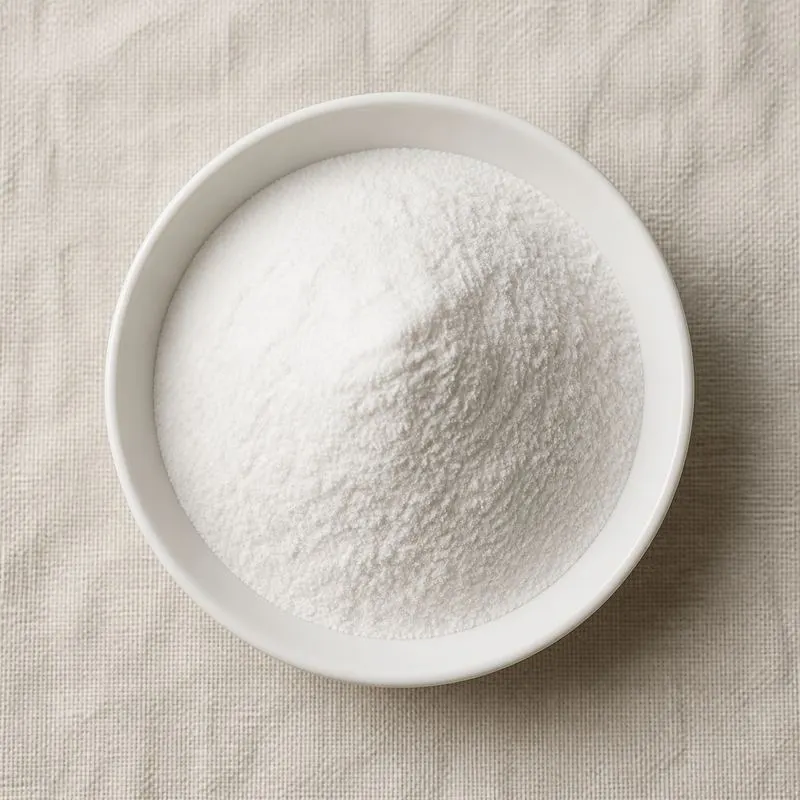
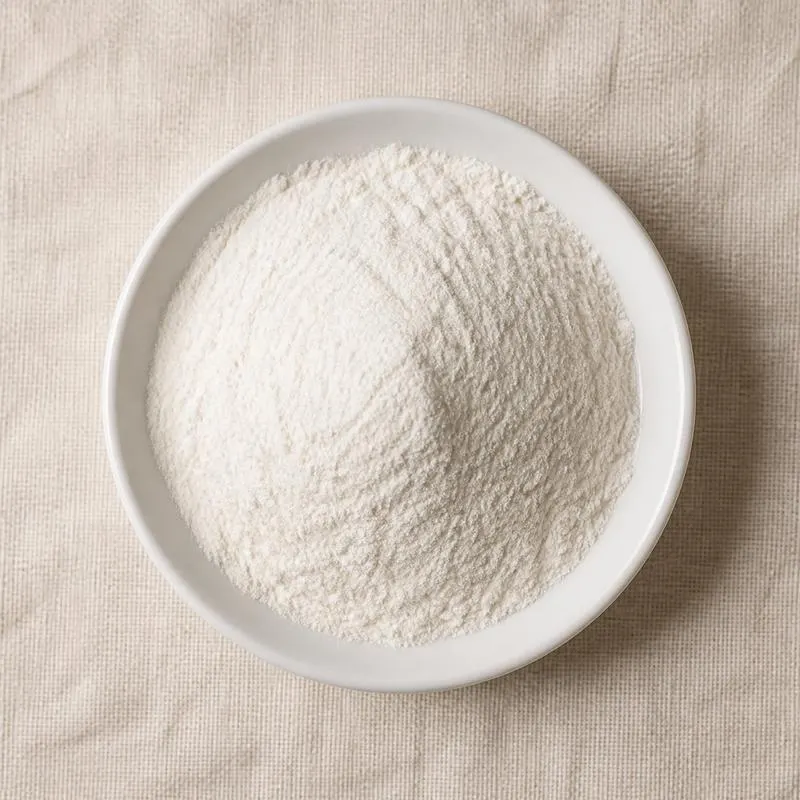
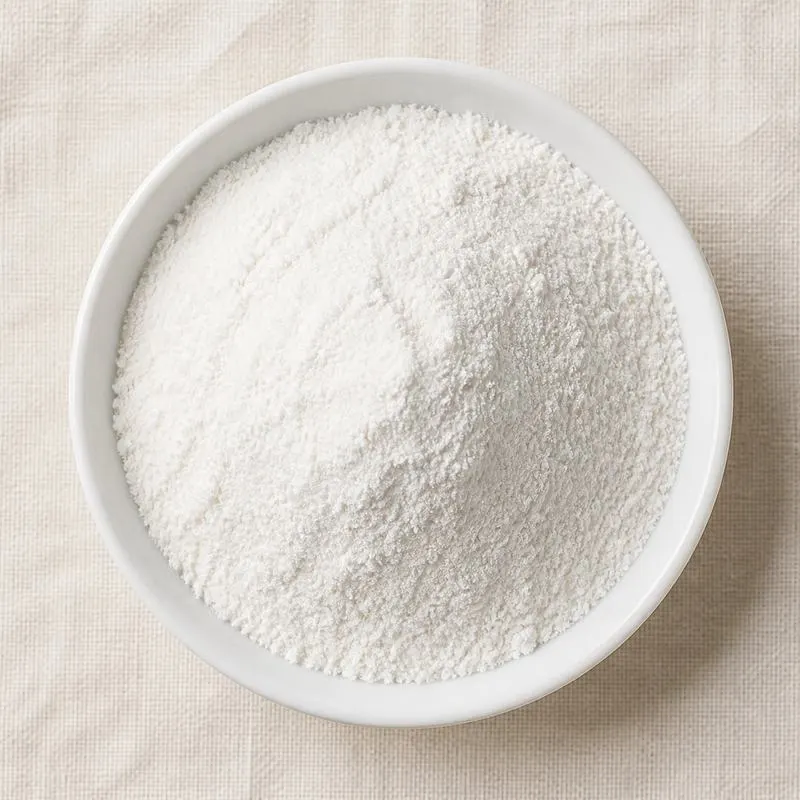
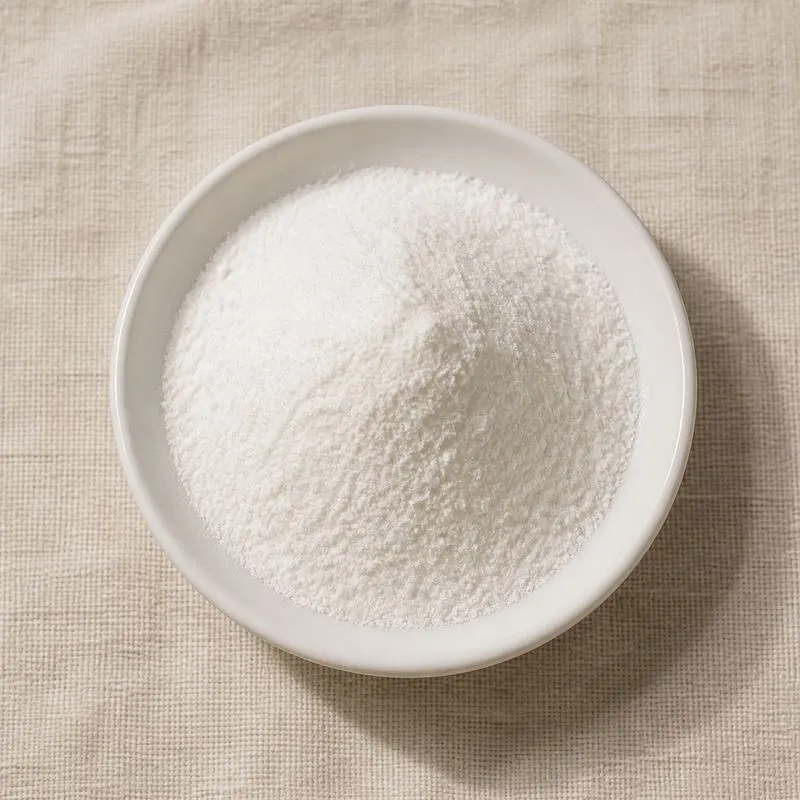
The commercial material is a white to pale yellow hygroscopic powder with a slightly sweet then bitter taste. It is cationic in solution, the free amino groups carrying a positive charge, which is unusual among food polysaccharides and accounts for its interaction with negatively charged surfaces, proteins and microbial membranes. It is stable to heat and to normal food processing and does not gel.
It is sold as a functional ingredient rather than as a bulk fibre. Molecular weight is the parameter that defines a grade, since the biological activities attributed to the material, and its solubility and taste, all change with chain length. Degree of deacetylation, usually above 85 per cent, is the second defining parameter.
We source bulk Chitooligosaccharides from top China manufacturers for our partners. The manufacturer is in Shandong. A smaller requirement can ship in a combined container with other ingredients.
Please send the grade you need, the volume and your destination port, and we will come back with a solution and a price.
or call +86-21-6858 0751
- Function
- Dietary Fibres
Specifications
| Item | Specification |
|---|---|
| Appearance | White to pale yellow hygroscopic powder |
| Assay as Chitooligosaccharide | Not less than 90.0 per cent on dry basis |
| Average Molecular Weight | 1000 to 3000 daltons |
| Degree of Deacetylation | Not less than 85.0 per cent |
| Water Solubility | Not less than 99.0 per cent |
| Loss on Drying | Not more than 8.0 per cent |
| Residue on Ignition | Not more than 2.0 per cent |
| pH of 1 per cent solution | 6.0 to 8.0 |
| Lead | Not more than 1 mg/kg |
| Arsenic | Not more than 0.5 mg/kg |
| Total Plate Count | Not more than 1000 cfu/g |
| Yeast and Mould | Not more than 50 cfu/g |
| Escherichia coli | Absent in 1 g |
| Salmonella | Absent in 25 g |
Common Markets Grades
Grades are specified by average molecular weight and by degree of deacetylation. Material below 1000 daltons, corresponding to dimers through hexamers, is the most soluble and is used where absorption is the objective. The 1000 to 3000 dalton range is the general purpose grade for food and supplements. Grades of 3000 to 10000 daltons retain more of the film-forming and antimicrobial character of the parent chitosan. Purity, expressed as chitooligosaccharide content on a dry basis, runs from 80 per cent in technical material to above 95 per cent in refined grades.
Source is a distinct commercial axis. Crustacean-derived material from shrimp and crab shell is the mainstream product and carries a shellfish allergen declaration; fungal chitosan from Aspergillus mycelium gives a vegan and allergen-free alternative at higher cost. Salt form matters for handling, with the hydrochloride and lactate salts more soluble and less hygroscopic than the free base. Food, feed, cosmetic and agricultural grades are traded separately, differing in purity, heavy metal limits and microbiological specification.
Applications
- Dietary supplements and functional drinks, positioned on lipid and immune-related properties
- Functional beverages and clear drinks, where its low viscosity at high concentration is the practical advantage over chitosan
- Food preservation systems, where the cationic charge acts against spoilage organisms in coatings and dips
- Edible coatings for fruit and vegetables, slowing moisture loss and microbial growth
- Fruit juice and wine clarification, where the positive charge flocculates negatively charged haze particles
- Animal feed and aquaculture, as a gut health and growth promotion additive replacing antibiotic growth promoters
- Agricultural biostimulants and seed treatments, eliciting plant defence responses
- Skin and hair care, as a moisturising and film-forming ingredient in cosmetic formulations
- Wound care and medical device applications at pharmaceutical purity
China Manufacturers of Chitooligosaccharides
Top Chitooligosaccharides manufacturers in China.
Company names and logos are the property of the manufacturers themselves. They are listed here because our own directory records them as producing this ingredient. A listing is not an endorsement by them, and we do not represent them or speak on their behalf.
Regulatory Status
Chitooligosaccharide preparations are handled differently across markets. In the United States chitosan and chito-oligosaccharide preparations have been the subject of generally recognised as safe notifications for defined food uses, and they are also marketed as dietary ingredients in supplements, with the applicable status depending on the specific preparation and its intended use. Shellfish-derived material must carry the crustacean allergen declaration, since crustacean shellfish is a major food allergen.
In the European Union, chitosan and its oligosaccharides are not authorised food additives and preparations for food use are assessed under the novel food framework, where a Union authorisation covering the specific preparation and its conditions of use is required unless a sufficient history of consumption can be demonstrated. Chitosan hydrochloride and related preparations are separately used in supplements and in medical devices under their own frameworks. Codex has no specific standard for chitooligosaccharides. Health claims relating to blood cholesterol have been examined in the European Union for chitosan rather than for the oligosaccharides, and the two are not interchangeable for claim purposes.
Manufacturing Process
Production starts from crustacean shell, mostly shrimp and crab waste from processing plants. The shell is demineralised in dilute hydrochloric acid to dissolve the calcium carbonate, deproteinised in dilute sodium hydroxide, and washed and decolourised to give purified chitin. The chitin is then deacetylated by treatment with concentrated alkali at elevated temperature, which removes the acetyl groups from the amino sugar and converts it to chitosan. The chitosan is washed to neutrality, dewatered and dried.
Depolymerisation is the defining step. The modern route is enzymatic, using chitosanase or a cellulase with chitosanase side activity to hydrolyse the chitosan chain under controlled conditions of temperature, pH and reaction time, since the chain length distribution of the product is set here. Chemical hydrolysis with acid and oxidative hydrolysis with hydrogen peroxide are also used, being cheaper but giving a broader distribution. The hydrolysate is deactivated by heat, filtered, and fractionated by ultrafiltration or nanofiltration membranes selected to cut at the target molecular weight, with the retained long chains recycled to the reactor. The permeate is decolourised on carbon, desalted by ion exchange or electrodialysis, concentrated and spray dried.