Lysozyme
Lysozyme is a 14.3 kDa muramidase that hydrolyses the β-1,4 glycosidic bond between N-acetylmuramic acid and N-acetylglucosamine in bacterial peptidoglycan.
The enzyme is classified as EC 3.2.1.17 and is recovered industrially from hen egg white. It is a natural antimicrobial against gram-positive bacteria, particularly Clostridium tyrobutyricum in cheese.
We source bulk Lysozyme from top China manufacturers for our partners. The manufacturers are in Anhui and Zhejiang. A smaller requirement can ship in a combined container with other ingredients.
Please send the grade you need, the volume and your destination port, and we will come back with a solution and a price.
or call +86-21-6858 0751
- Packaging
- 20 kg fibre drum with double PE liner
- ISO 9001
- HACCP
- Halal
- Kosher
Specifications
| Item | Specification |
|---|---|
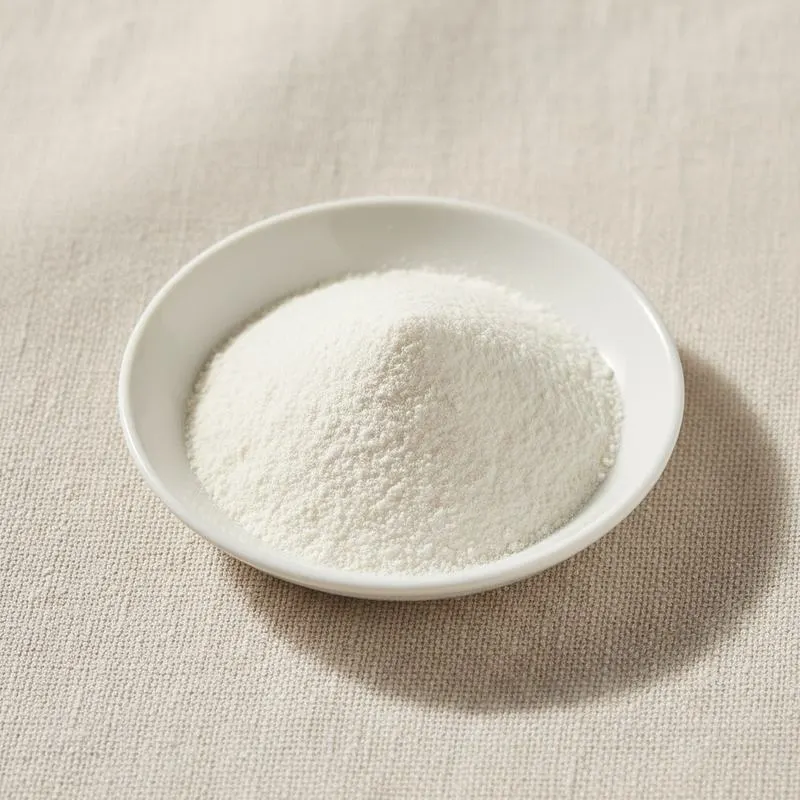
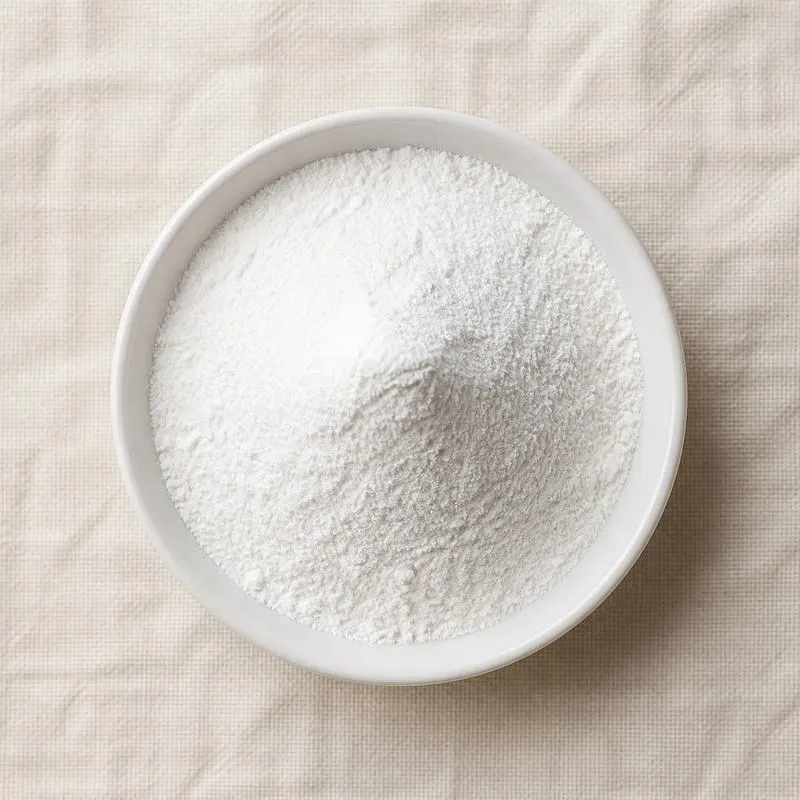
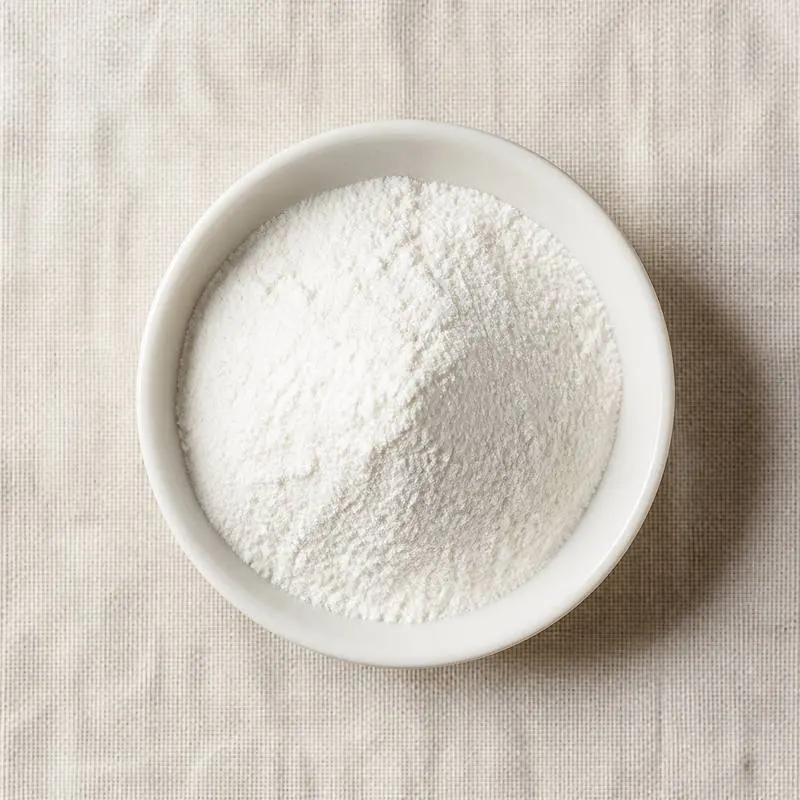
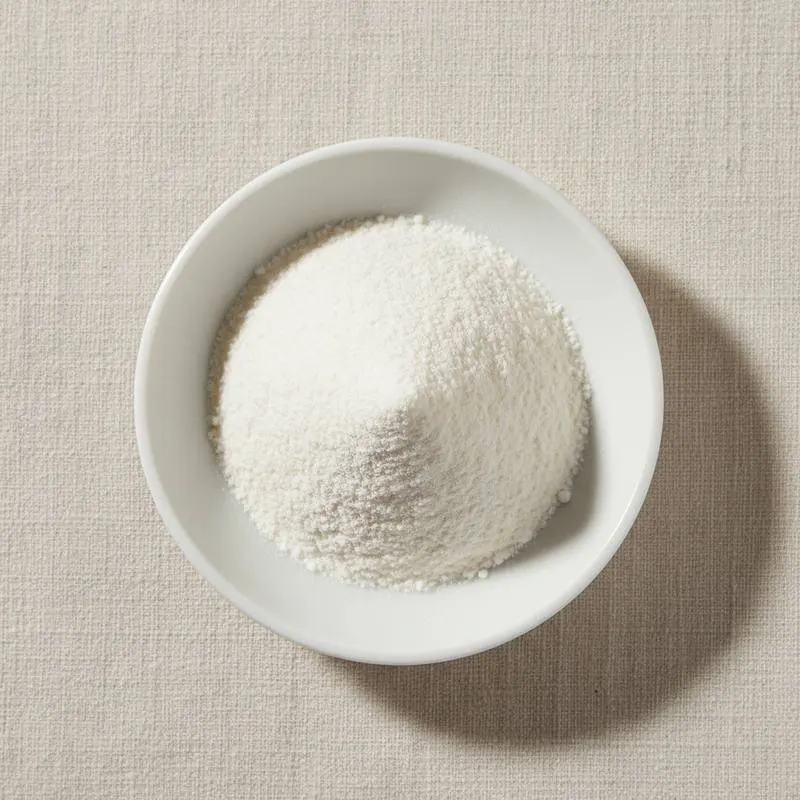
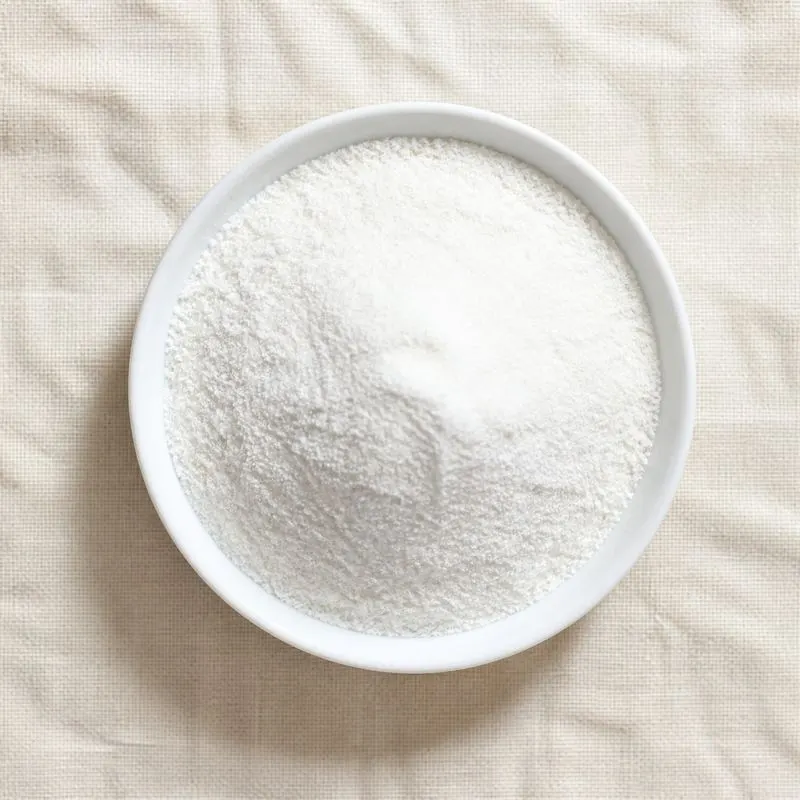
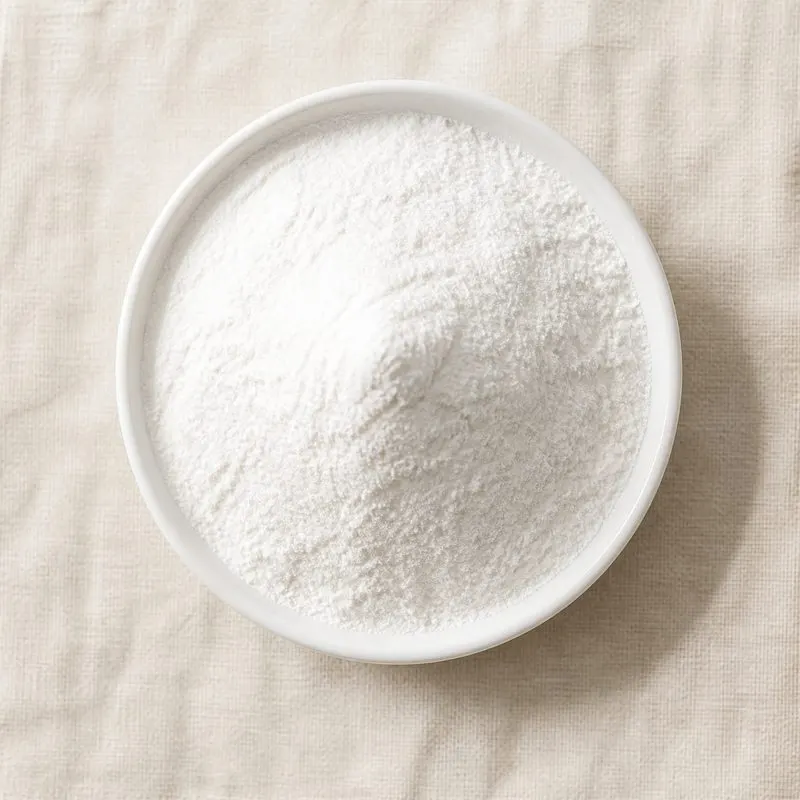
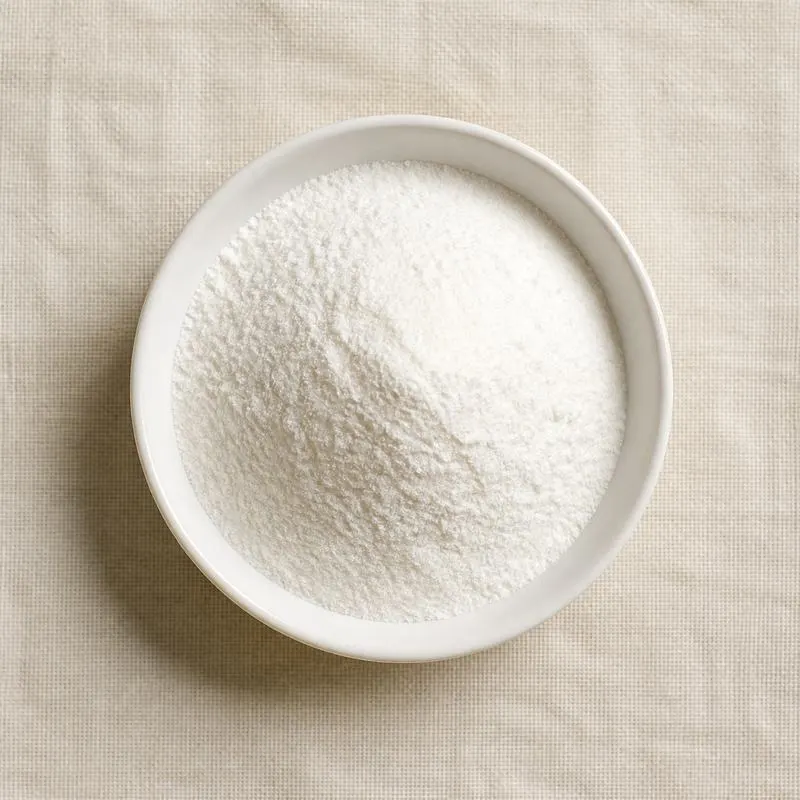
| Appearance | White to off-white free-flowing powder |
| Activity | ≥ 20,000 FIP U/mg (up to 40,000 for pharmaceutical grade) |
| pH optimum | 6.0 to 7.0 |
| Temperature optimum | 35 °C to 45 °C |
| Moisture | ≤ 6.0% |
| Heavy metals (as Pb) | ≤ 10 mg/kg |
| Arsenic | ≤ 3 mg/kg |
| Total plate count | ≤ 10,000 CFU/g |
| Coliforms | ≤ 30 CFU/g |
| Salmonella | Absent in 25 g |
| E. coli | Absent in 25 g |
| Source organism | Hen egg white (Gallus gallus domesticus) |
Common Markets Grades
Lysozyme is graded by enzyme activity in Shugar units or FIP units.
Food-grade powder at 22000 to 24000 FIP U/mg is the standard format for hard and semi-hard cheese makers, where it suppresses late-blowing defects from butyric acid fermentation.
Pharmaceutical and dietary-supplement grades are highly purified, low-endotoxin powders sold with documentation under European Pharmacopoeia and Japanese Pharmacopoeia monographs.
Diagnostic and research grades are lyophilized, salt-free preparations packaged in low-protein-binding vials for cell lysis and molecular biology workflows.
Spray-dried free-base lysozyme is preferred where a fast solubility profile is needed. The hydrochloride salt form is produced separately for greater storage stability under varying humidity.
Applications
- Hard and semi-hard cheese protection against late-blowing caused by clostridial spore germination
- Wine spoilage control during malolactic fermentation, suppressing unwanted lactic acid bacteria
- Sake and other rice-based brews to prevent Lactobacillus spoilage
- Cured meat surface preservation in combination with nisin or natamycin
- Fresh pasta and tortilla preservation against gram-positive spoilage flora
- Pharmaceutical lozenges and throat sprays positioned for oral antimicrobial support
- Infant formula and clinical nutrition as a functional protein closer to the human milk profile
- Cosmetic preservation in clean-label personal care formulations
- Bacterial cell lysis reagent for molecular biology and bioprocess development
Brands Using Lysozyme
Widely-distributed consumer products that list Lysozyme on the ingredient label.
- Grana Padano ConsortiumGrana Padano PDO ↗Official Grana Padano PDO ingredients page states: 'Grana Padano PDO cheese is produced with just a few, although exceptional, ingredients: milk, salt, rennet, lysozyme.'Label verified 2026-05-25
- ZanettiGrana Padano ↗Zanetti official site states: 'In addition to milk, Zanetti needs only three other ingredients for its production: salt, rennet and lysozyme.'Label verified 2026-05-25
- AmbrosiGrana Padano DOP 9 Mesi ↗Ingredient declaration on product page: milk, salt, rennet, preservative lysozyme (from egg)Label verified 2026-05-25
Brand names, product names and logos are the property of their owners. They appear here as published evidence that the ingredient is used, taken from the brand's own label or website. Their appearance is not an endorsement, and it does not mean the brand buys from us or from any manufacturer listed on this site.
China Manufacturers of Lysozyme
Top Lysozyme manufacturers in China.
- Anhui Rongda Food Co., Ltd.7 ingredients in the directory
 Zhejiang Aegis Biotech Co., Ltd.2 ingredients in the directory
Company names and logos are the property of the manufacturers themselves. They are listed here because our own directory records them as producing this ingredient. A listing is not an endorsement by them, and we do not represent them or speak on their behalf.
How We Help Source Lysozyme
Direct Factory Sourcing
We run the whole process: selecting the manufacturer from the top Chinese food ingredient producers, negotiating the price, verifying quality, and coordinating the logistics. You deal with us instead of with several factories at once.
Original Packaging and Documents from the Manufacturer
The manufacturer sends your Lysozyme out of its own factory in the original packing, through to your destination port. The COA, COO, MSDS, TDS and any certifications reach you from the manufacturer as well.
Free Samples and Lead Time
We send 100 to 500 g free for your own laboratory to test and you cover only the courier, usually within 2 to 3 working days. ETD is usually within 7 to 15 days once the order is confirmed, and we check that date against the factory's own manufacturing schedule before we give it to you.
Combined Shipment
We can load Lysozyme together with other ingredients such as Transglutaminase, Nattokinase and Bromelain into one 20' FCL. If your quantity is small, we can also ship LCL.
Regulatory Status
Lysozyme is approved as a food additive in essentially every regulated market.
In the European Union it carries the E number E1105 and is permitted in ripened cheese, wine, and selected processed-meat categories. JECFA has assigned an ADI not specified.
The U.S. FDA recognises lysozyme as GRAS under multiple notices, with specific clearances for cheese and casing-surface use.
Pharmacopoeial monographs appear in the European Pharmacopoeia and Japanese Pharmacopoeia. Because the source is hen egg white, allergen labelling for egg is mandatory on every retail product containing detectable residues.
Manufacturing Process
Hen egg white is the dominant industrial source. Lysozyme accounts for roughly 3.5 percent of total egg-white protein.
The standard process passes liquid egg white over a weak-acid cation exchanger such as carboxymethyl cellulose or a sulphonate resin. Lysozyme binds while most other proteins flow through.
Elution with a salt step yields a concentrated lysozyme stream. The eluate is ultrafiltered, polished, and crystallised from sodium chloride solution to produce the highly pure free-base form.
The crystals are washed, dissolved, and either spray-dried for food grades or freeze-dried for pharmaceutical use. Production sites in Europe and India dominate global supply, with feedstock sourced from large egg-processing operations.
Recombinant lysozymes from Aspergillus and yeast hosts are in commercial development but have not displaced hen egg-white material at scale.