Concentrated Fresh
Concentrated fresh is a liquid or semi liquid umami concentrate used in professional kitchens and central kitchens to raise the savoury intensity of a dish in one addition. The name translates the Chinese seasoning term for freshness in the umami sense, the rounded, mouth filling savouriness associated with stock, dried seafood and aged fermented condiments, rather than freshness as newness.
The base of the product is usually a fermented liquid, most often a soy sauce or a soy and wheat moromi liquor, a fermented bean or fish liquor, or a yeast extract, concentrated under vacuum to a thick, dark, salty liquid. Free glutamate generated by proteolysis during fermentation carries most of the effect, and it is reinforced with added monosodium glutamate and with the ribonucleotides disodium inosinate and disodium guanylate, which act synergistically with glutamate so that a small nucleotide addition greatly increases perceived strength.
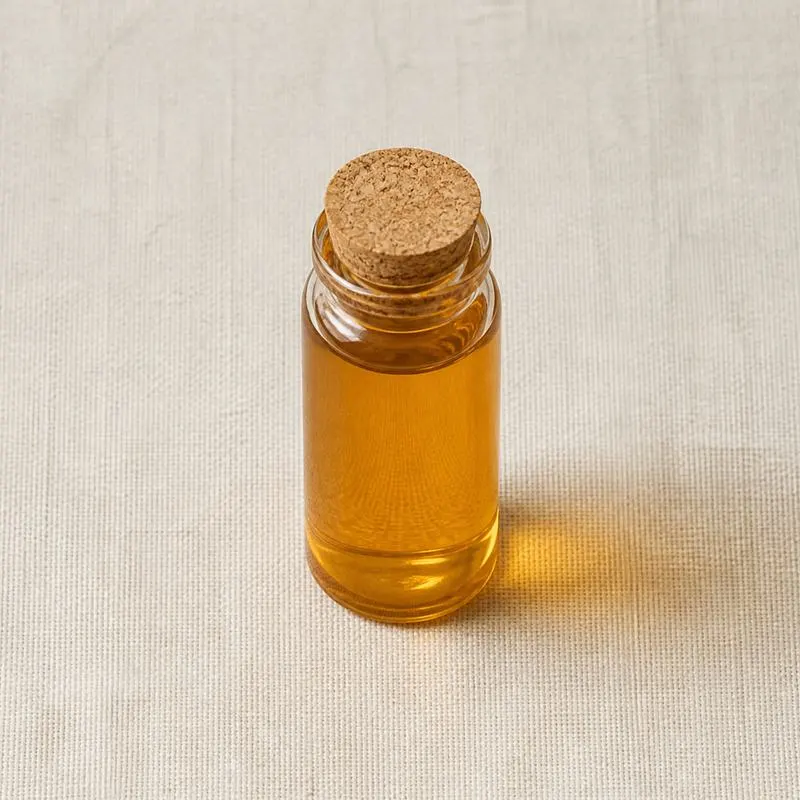
Presentation is a viscous brown liquid or a soft paste in bottles, pails and drums, with a high salt content that supports its own preservation. It is added at the end of cooking rather than the start, because the ribonucleotide fraction is broken down by phosphatase enzymes present in raw plant and fish material and because prolonged boiling darkens the concentrate and dulls its aroma.
We source bulk Concentrated Fresh from top China manufacturers for our partners. The manufacturer is in Shandong. A smaller requirement can ship in a combined container with other ingredients.
Please send the grade you need, the volume and your destination port, and we will come back with a solution and a price.
or call +86-21-6858 0751
- Function
- Flavours and Aromas
Specifications
| Item | Specification |
|---|---|
| Appearance | Viscous dark brown liquid or soft paste, free from sediment unless declared turbid |
| Odour and Flavour | Fermented savoury umami, matching retained reference |
| Total Solids | Not less than 45.0 percent |
| Sodium Chloride | 15.0 to 25.0 percent depending on grade |
| Total Nitrogen | Not less than 1.6 g per 100 ml |
| Amino Acid Nitrogen | Not less than 0.8 g per 100 ml |
| Monosodium Glutamate | To formula, within 0.5 percent absolute of target |
| pH | 4.5 to 5.5 |
| Viscosity (25°C) | Within 15 percent of reference |
| 3-MCPD | Within the applicable regulatory limit for the destination market |
| Lead | Not more than 1 mg/kg |
| Arsenic | Not more than 0.5 mg/kg |
| Total Plate Count | Not more than 1,000 cfu/ml |
| Salmonella | Absent in 25 g |
Common Markets Grades
The main distinction is between grades built on a genuine fermented liquor, which carry a complex background of amino acids, peptides and fermentation aroma, and simpler grades built on water, salt, glutamate, nucleotides and hydrolysed protein, which deliver intensity without that background. The two are priced and dosed differently and are not interchangeable in a dish where the concentrate itself is meant to be tasted.
Beyond that, grades vary by profile and by salt level. Plain umami, seafood, mushroom, chicken and bone stock profiles each form a separate product. Reduced sodium versions substitute potassium chloride with a bitterness masker. Clean label grades drop added glutamate and hydrolysed vegetable protein in favour of yeast extract and fermented concentrates, which raises the dosage needed for the same effect. Viscosity, colour measured against a reference, and whether the product is clear filtered or deliberately turbid are specified attributes, since a clear soup and a dark braise demand opposite answers.
Applications
- Central kitchen sauce and braise bases, dosed at the end of cooking
- Noodle and dumpling soup bases in foodservice
- Stir fry sauces and finishing sauces, giving depth without additional salt crystals to dissolve
- Marinades and cold dressed dishes, where a liquid disperses evenly at low temperature
- Hotpot dipping sauces and condiment blends
- Bottled cooking sauces and stir fry kits for retail
- Reduced sodium recipes, restoring savoury intensity lost with the salt
- Plant based dishes, supplying meat like depth from a fermented rather than animal source
- Prepared chilled and frozen meals, dosed into the sauce phase before filling
China Manufacturers of Concentrated Fresh
Top Concentrated Fresh manufacturers in China.

Company names and logos are the property of the manufacturers themselves. They are listed here because our own directory records them as producing this ingredient. A listing is not an endorsement by them, and we do not represent them or speak on their behalf.
Regulatory Status
In the United States the fermented bases are foods, monosodium glutamate is affirmed generally recognised as safe under 21 CFR 182.1 and must be declared by name, and disodium inosinate and disodium guanylate are recognised for use as flavour enhancers and likewise declared. Hydrolysed protein must be named by its source. Where acid hydrolysed vegetable protein forms part of the base, chloropropanol formation is the principal contaminant concern and is controlled by alkaline treatment of the hydrolysate. The FEMA GRAS programme covers any compounded flavour component, which is labelled under 21 CFR 101.22.
In the European Union the enhancer components carry E numbers under Regulation (EC) No 1333/2008, with monosodium glutamate as E621, disodium guanylate as E627, disodium inosinate as E631 and the mixed ribonucleotide salt as E635, and the same regulation authorises any preservative, colour or thickener used and governs its declaration. Flavourings fall under Regulation (EC) No 1334/2008 and carry no E number. Soy sauce based products are subject to the European Union limits on 3-monochloropropane-1,2-diol and its esters, which are the routine analytical release point for this class, and to allergen declaration for soy, wheat, fish and celery. Codex covers the additives through the general standard for food additives and maintains a regional standard for soy sauce.
Manufacturing Process
Production begins with the fermented base. A soy and wheat mash is inoculated with Aspergillus oryzae to make koji, brined into a moromi and fermented for several months while proteases release free amino acids and lactic acid bacteria and yeasts develop the aroma, after which the mash is pressed and the raw liquor is separated. Alternative bases follow their own routes, with yeast extract produced by autolysis or enzymatic hydrolysis of brewer's or baker's yeast followed by separation of the cell walls, and fish liquor by long salt fermentation and filtration.
The clarified liquor is pasteurised, then concentrated in a falling film or plate evaporator under vacuum to preserve aroma and avoid caramelisation, with volatile aroma stripped and recovered where the profile depends on it. The concentrate is blended in a jacketed vessel with monosodium glutamate, ribonucleotide salts, sugar, salt, thickener and any flavouring called for by the formula, adjusted for pH and salt, then homogenised where a stable suspension is needed. It is filtered, pasteurised again in line, and hot filled or aseptically filled. Release covers total nitrogen, amino nitrogen, sodium chloride, glutamate and nucleotide assay and a sensory panel against a retained reference.