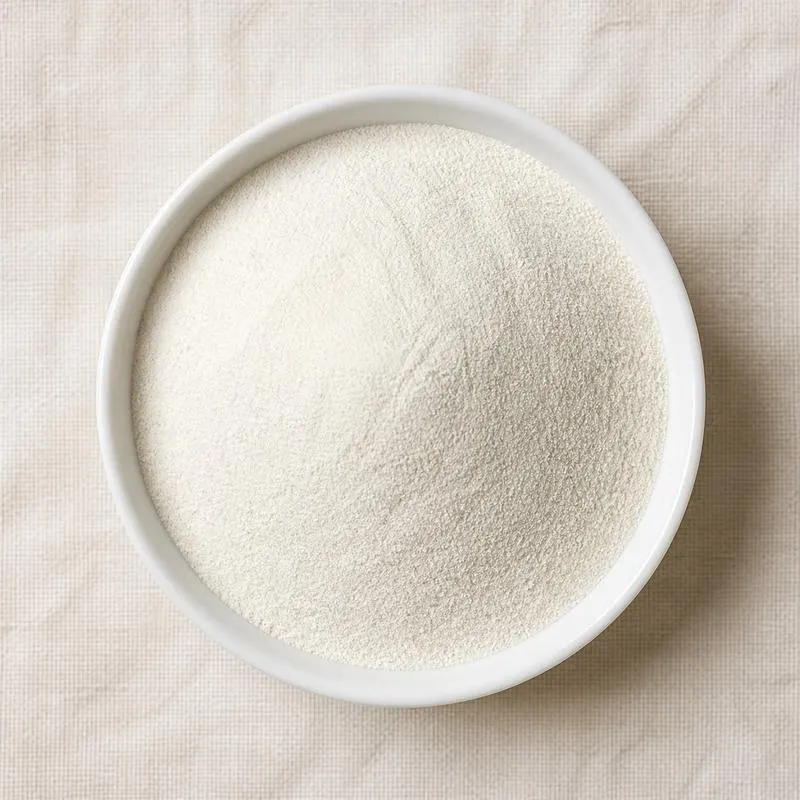
Concentrated Fresh Flavour
Concentrated fresh flavour is a powdered or paste savoury flavouring that combines an umami enhancer system with a reaction generated aroma, so that a single low dose supplies both intensity and a cooked seafood, meat or stock character. It is bought by seasoning houses and food manufacturers as a booster to place on top of a base recipe rather than as a stand alone seasoning.
The enhancer fraction is monosodium glutamate together with disodium inosinate and disodium guanylate, whose synergy with glutamate is the reason the dosage can be kept low. The aroma fraction is a thermal process flavouring, made by heating a source of amino acids, usually yeast extract or hydrolysed protein, with a reducing sugar and, for savoury profiles, sulphur bearing precursors such as cysteine and thiamine. Maillard condensation between these generates the pyrazines, furanones and sulphur heterocycles that give a cooked food character. Seafood leaning grades add scallop, shrimp or fish hydrolysate and small amounts of bromophenols and trimethylamine precursors that carry marine character.
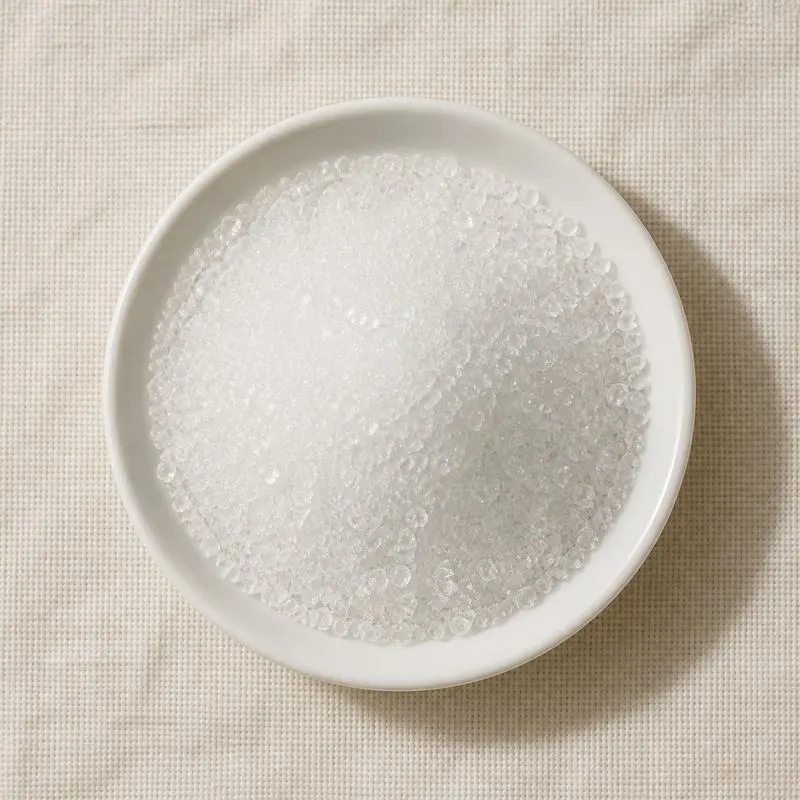
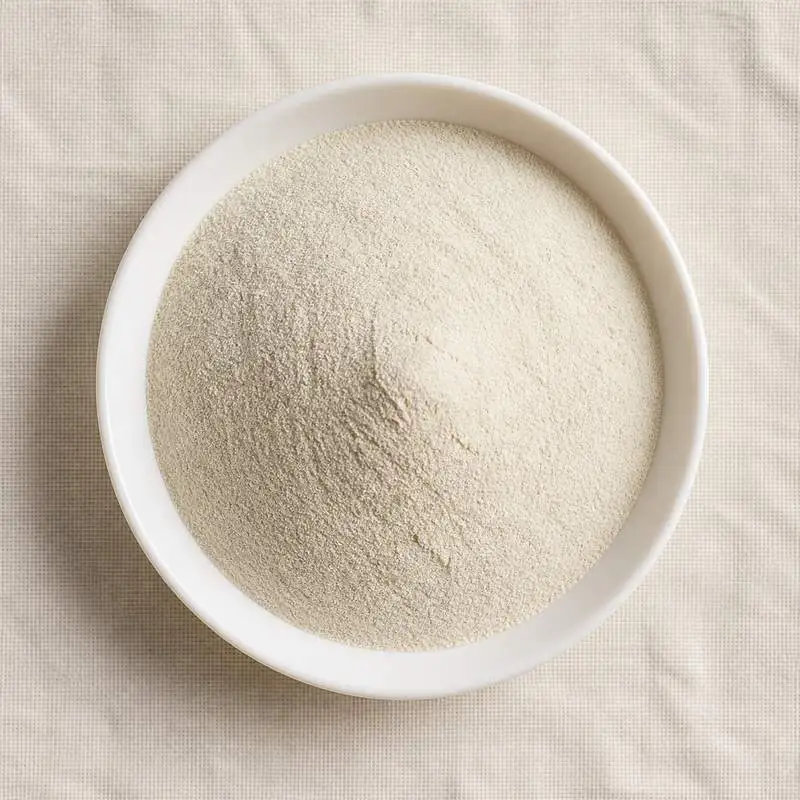
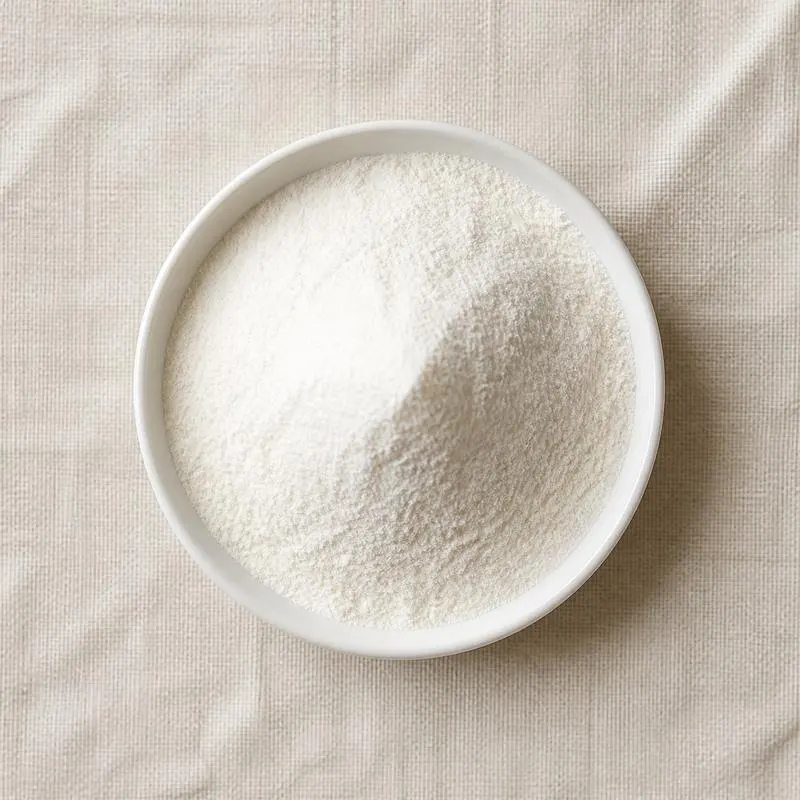
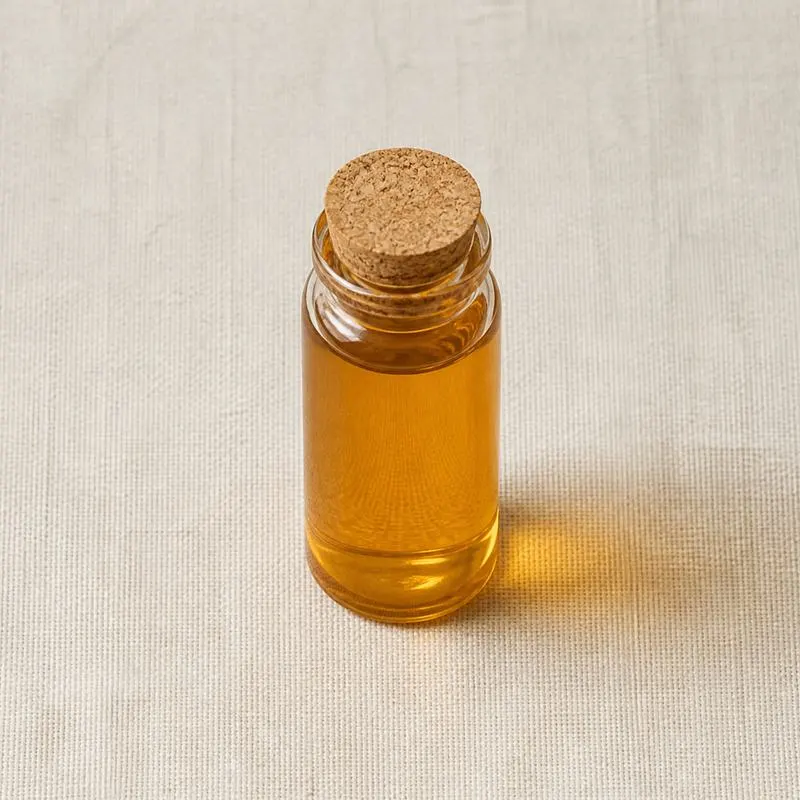
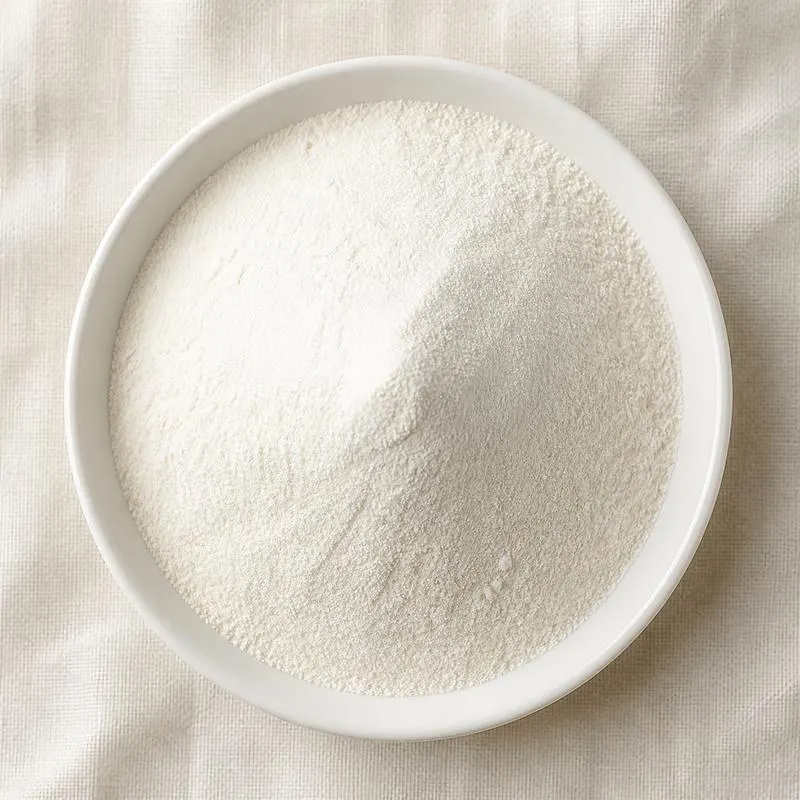
The product is a free flowing pale to light brown powder or a soft brown paste. Powder grades are hygroscopic and are packed in barrier film, and both forms are added late in a process, because the nucleotide fraction is degraded by phosphatases in raw material and the volatile top notes are driven off by prolonged boiling.
We source bulk Concentrated Fresh Flavour from top China manufacturers for our partners. The manufacturer is in Shandong. A smaller requirement can ship in a combined container with other ingredients.
Please send the grade you need, the volume and your destination port, and we will come back with a solution and a price.
or call +86-21-6858 0751
- Function
- Flavours and Aromas
Specifications
| Item | Specification |
|---|---|
| Appearance | Free flowing pale to light brown powder, or homogeneous brown paste |
| Odour and Flavour | Characteristic cooked savoury profile, matching retained reference |
| Monosodium Glutamate | To formula, within 1.0 percent absolute of target |
| Mixed Ribonucleotides | To formula, within 0.2 percent absolute of target |
| Total Nitrogen | Not less than 2.0 percent |
| Moisture, powder grade | Not more than 5.0 percent |
| Sodium Chloride | To formula, within 1.0 percent absolute of target |
| pH, 10 percent solution | 5.0 to 6.5 |
| Solubility | Disperses fully in water at 60 °C |
| 3-MCPD | Within the applicable regulatory limit for the destination market |
| Lead | Not more than 1 mg/kg |
| Arsenic | Not more than 0.5 mg/kg |
| Total Plate Count | Not more than 10,000 cfu/g |
| Yeast and Mould | Not more than 100 cfu/g |
| Salmonella | Absent in 25 g |
Common Markets Grades
Grades are named for the profile they deliver, and seafood, chicken, pork bone, mushroom and plain umami versions are formulated separately. Within a profile the important variable is the split between enhancer content and reaction flavour content, since a high enhancer grade is used to raise intensity in a recipe that already has character, while a high flavour grade is used to give the character itself.
Form is the second distinction, with spray dried and agglomerated powders for dry blending and pastes for wet systems, the paste carrying more of the heavy roasted notes that survive drying poorly. Encapsulated powder grades are made where volatile retention over a long shelf life matters. Clean label versions replace monosodium glutamate and hydrolysed vegetable protein with yeast extract, fermented seasonings and naturally nucleotide rich extracts. Halal, kosher, vegetarian and non-genetically-modified declarations follow the protein and fat sources used in the reaction, and grades built entirely on plant substrates are used for vegetarian and analogue work.
Applications
- Instant noodle seasoning sachets, particularly seafood and bone stock varieties
- Snack seasoning, applied as a dry dust or in an oil slurry during tumbling
- Surimi products, fish balls and seafood analogues, restoring cooked marine character
- Bouillon cubes, stock powders and granulated seasoning
- Hotpot and noodle soup bases, dosed into the paste after the aromatics are fried
- Frozen dumplings and filled products, where the filling loses flavour on cooking
- Retorted ready meals, compensating for the flattening effect of thermal processing
- Reduced sodium formulations, restoring perceived strength as salt is cut
- Plant based analogues, adding savoury depth and masking legume protein notes
- Pet food palatants and coatings, where the same reaction chemistry is what makes the food attractive
China Manufacturers of Concentrated Fresh Flavour
Top Concentrated Fresh Flavour manufacturers in China.

Company names and logos are the property of the manufacturers themselves. They are listed here because our own directory records them as producing this ingredient. A listing is not an endorsement by them, and we do not represent them or speak on their behalf.
Regulatory Status
In the United States monosodium glutamate is affirmed generally recognised as safe under 21 CFR 182.1 and must be declared by its specific name, and disodium inosinate and disodium guanylate are recognised for use as flavour enhancers and declared likewise. The FEMA GRAS programme covers the individual flavouring substances in the reaction fraction, and labelling follows 21 CFR 101.22, which determines whether the declaration reads natural flavour or artificial flavour. Hydrolysed protein must be named by source, and fish and crustacean derived components trigger major food allergen labelling.
In the European Union thermal process flavourings are a defined category under Regulation (EC) No 1334/2008, which sets the conditions of temperature, time and permitted starting materials under which they may be produced and specifies maximum levels for certain substances that can form during heating. Products made within those conditions require no individual authorisation and carry no E number. The enhancer components are additives under Regulation (EC) No 1333/2008, with monosodium glutamate as E621, disodium guanylate as E627, disodium inosinate as E631 and the mixed ribonucleotide salt as E635. Where acid hydrolysed vegetable protein is used, 3-monochloropropane-1,2-diol and its esters are the routine release test. Codex addresses the class through its general guidelines for the use of flavourings and the general standard for food additives.
Manufacturing Process
Manufacture runs in two stages. In the first, the aroma is generated in a jacketed reactor. Yeast extract or protein hydrolysate is standardised for amino nitrogen and charged with reducing sugars, cysteine, thiamine, fat and any seafood or meat hydrolysate called for by the formula, adjusted to a mildly acid pH and heated under agitation, typically in the range of ninety five to one hundred and twenty degrees Celsius, until the aroma reaches the intended point. The batch is cooled quickly to stop the reaction, since the profile continues to darken and shift if it is held hot.
In the second stage the reaction liquor is blended with monosodium glutamate, ribonucleotide salts, salt, sugar and carrier. The nucleotides, present at low inclusion, are pre-blended with carrier so that they distribute evenly. Paste grades are filled from this point. Powder grades are homogenised with maltodextrin or modified starch and spray dried in a tower, then agglomerated in a fluid bed where a free flowing granule is wanted, and topping flavours are sprayed on afterwards to restore the volatiles lost during drying. The product is screened, metal checked and packed in moisture barrier bags, and checked on glutamate and nucleotide assay, moisture and a sensory panel against a retained reference.