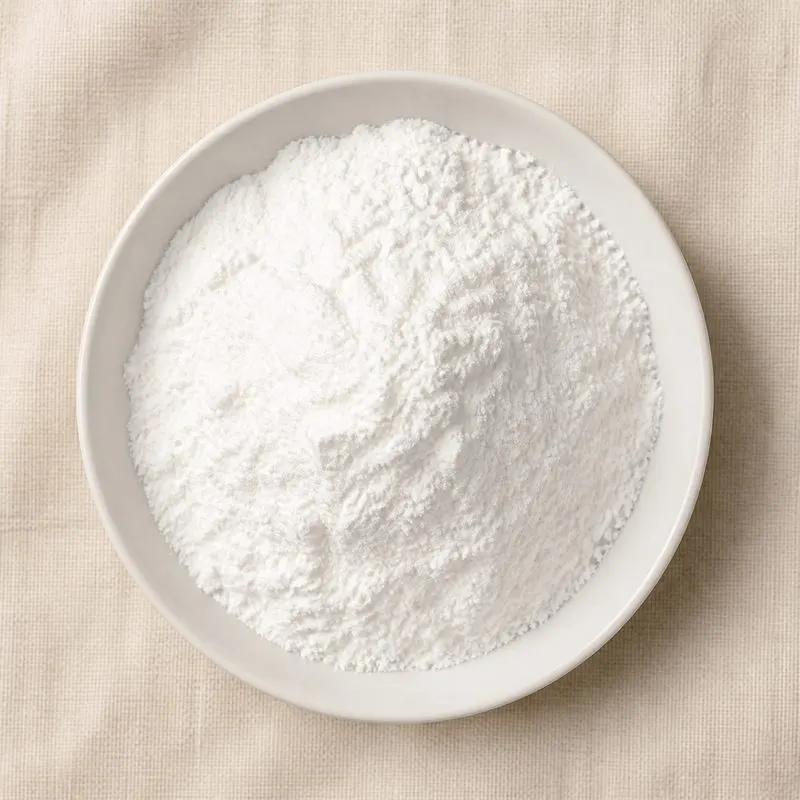
Corn Flakes
Corn flakes, in an ingredient rather than a retail sense, are flattened flakes of pregelatinised maize endosperm, produced by cooking degermed maize grits and rolling them thin between chilled rollers. The name covers two related trade articles: the toasted breakfast cereal flake, and the untoasted flaked maize used as a processing ingredient by brewers, distillers and compounders.
The functional point of the material is that its starch has already been gelatinised. In the raw grit the starch is locked in crystalline granules that require a mash cooker to open; after steam cooking and flaking, the starch is amorphous, accessible to amylase and hydratable in warm water, so it can be added directly to a mash tun or a formulation without a separate cereal cooker. The flattening also destroys the granule structure mechanically, which increases surface area and speeds conversion.
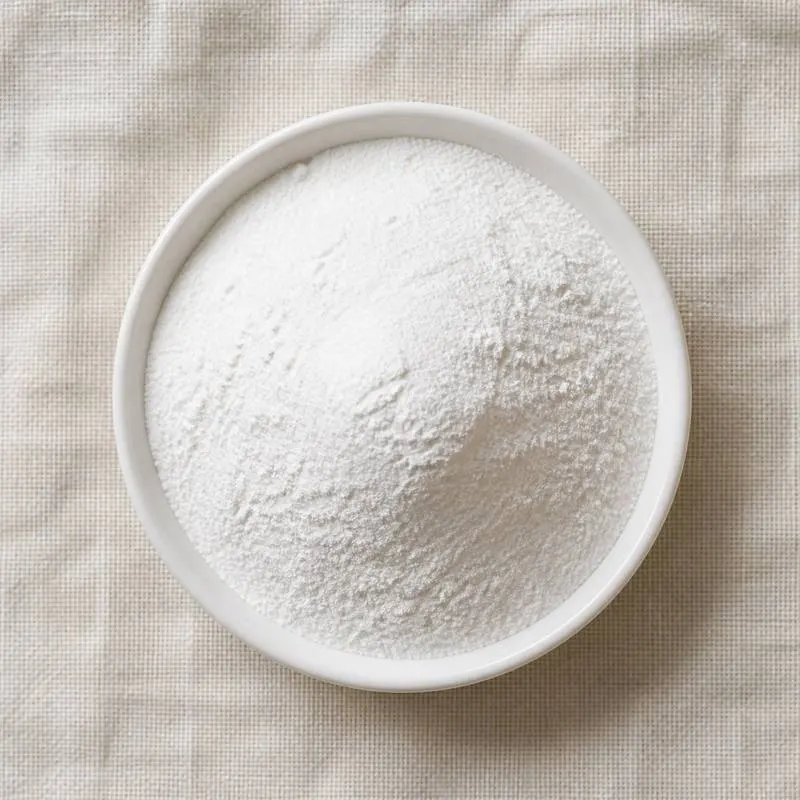
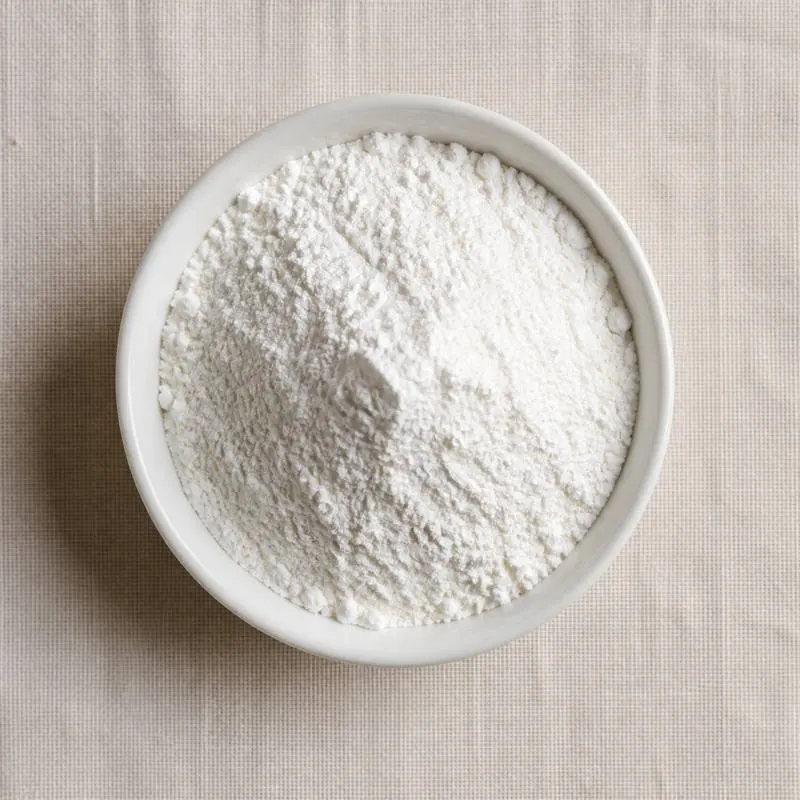
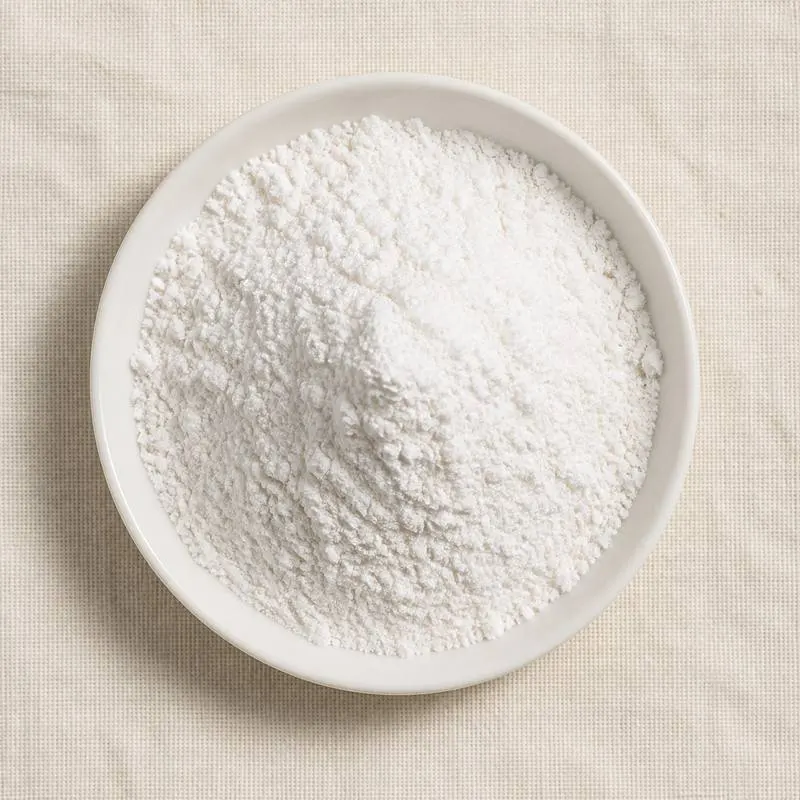
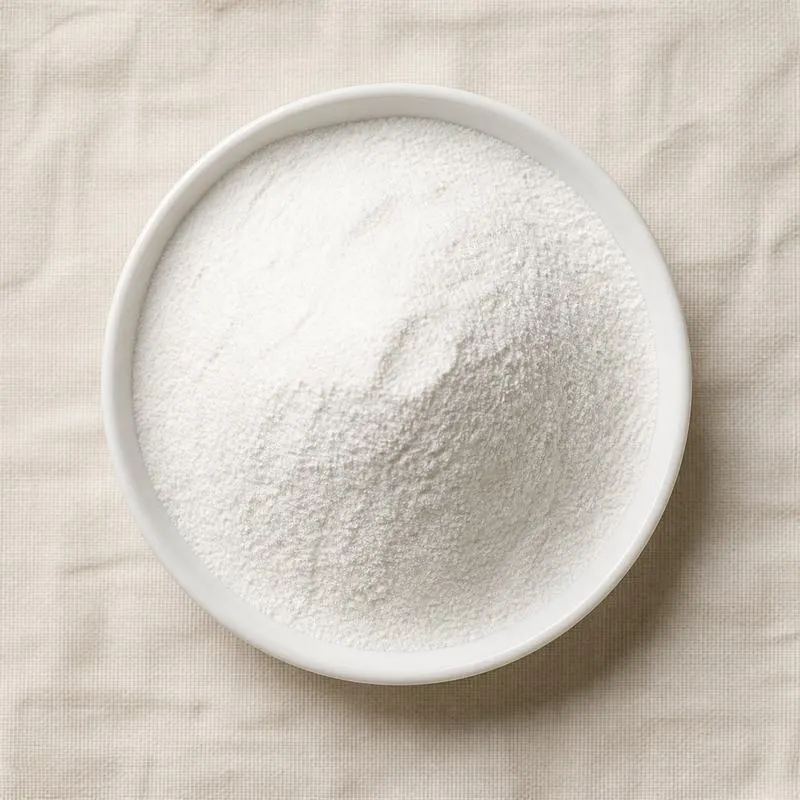
The flakes are pale yellow to golden and brittle, typically a few millimetres across and a fraction of a millimetre thick, with a bulk density well below that of the grit they were made from. They are hygroscopic and lose their crispness in humid air, and since they are degermed they carry little oil and so keep well, whereas whole grain flakes containing the germ have a much shorter shelf life. Ground flakes give a coarse pregelatinised maize flour that hydrates in cold water.
We source bulk Corn Flakes from top China manufacturers for our partners. The manufacturer is in Shandong. A smaller requirement can ship in a combined container with other ingredients.
Please send the grade you need, the volume and your destination port, and we will come back with a solution and a price.
or call +86-21-6858 0751
- Function
- Texturisers
Specifications
| Item | Specification |
|---|---|
| Appearance | Pale yellow to golden brittle flakes, uniform, free of foreign matter |
| Odour and taste | Characteristic toasted maize, no musty or rancid note |
| Flake thickness | 0.3 to 0.6 millimetres |
| Moisture | 5.0 percent maximum |
| Protein, nitrogen times 6.25, dry basis | 7.0 percent minimum |
| Fat, degermed grade | 1.5 percent maximum |
| Ash, dry basis | 1.0 percent maximum |
| Fines through 10 mesh | 3.0 percent maximum |
| Extract yield, dry basis, brewing grade | 85 percent minimum |
| Aflatoxin B1 | 2 micrograms per kg maximum |
| Total fumonisins B1 and B2 | 800 micrograms per kg maximum |
| Lead | 0.2 mg/kg maximum |
| Arsenic | 0.5 mg/kg maximum |
| Total plate count | 10000 cfu/g maximum |
| Yeast and mould | 500 cfu/g maximum |
| E. coli | Absent in 1 g |
| Salmonella | Absent in 25 g |
Common Markets Grades
The first distinction is toasted against untoasted. Toasted breakfast flakes have been sugar and malt seasoned, dried and oven toasted to develop colour and flavour, and are traded as a finished cereal or as an inclusion for bars, confectionery and coatings. Untoasted flaked maize is simply cooked and rolled, is bland, and is traded as a brewing and distilling adjunct or as a feed ingredient, specified on extract yield rather than on flavour.
Flake thickness and size are the main physical variables and are set against the application, with thin flakes converting fastest in a mash and thick flakes surviving processing and milk contact without collapsing. Degermed and whole grain versions are both made, the latter with a shorter declared shelf life. Sugar coated, frosted, seasoned and coloured versions are separate lines. Milled flake, sold as pregelatinised maize meal or instant corn flour, is produced by grinding and screening the flake.
Applications
- Brewing and distilling, as a pregelatinised adjunct that can be added straight to the mash tun without a separate cereal cooker
- Breakfast cereal, as the finished toasted flake sold on its own or as a base for coated and fortified variants
- Cereal bars, clusters and granola, as a crisp inclusion that keeps its structure when bound with syrup
- Chocolate and confectionery inclusions, where the flake gives a light crackle in the bite
- Coating and crumb systems, milled or crushed as a coarse crisp breading for fried foods
- Bakery toppings and decoration, applied to loaves, muffins and biscuits before or after bake
- Extruded and formed snacks, as a pregelatinised feedstock that hydrates quickly in the extruder
- Instant porridge and infant cereal, in the milled form which disperses in warm liquid without cooking
- Animal feed compounding, where flaking improves starch digestibility over raw grain
China Manufacturers of Corn Flakes
Top Corn Flakes manufacturers in China.

Company names and logos are the property of the manufacturers themselves. They are listed here because our own directory records them as producing this ingredient. A listing is not an endorsement by them, and we do not represent them or speak on their behalf.
Regulatory Status
Corn flakes are a food, not a food additive, and carry no E number and no food additive citation. In the United States the standards of identity for corn products in 21 CFR part 137 cover the maize milling fractions from which they are made, and where the flake is vitamin fortified the added nutrients are the regulated components. Labelling of a fortified or sweetened breakfast flake falls under the general nutrition labelling rules rather than any additive framework.
In the European Union corn flakes are a cereal product regulated under general food law, with the practical attention falling on contaminants rather than on additives. Maize is prone to fumonisins, aflatoxins, zearalenone and deoxynivalenol, and maximum levels for these in maize based foods including breakfast cereals are set in the contaminants legislation; acrylamide, formed during high temperature toasting, is subject to benchmark levels and to mandatory mitigation measures for breakfast cereals. Codex maintains standards for maize and for maize milling fractions covering composition and quality, alongside its general standard for contaminants. Maize is not a declarable allergen, and plain corn flakes contain no gluten, although flavoured cereals frequently carry barley malt extract and must then declare it.
Manufacturing Process
Maize is cleaned, tempered and degerminated in a dry milling system, and the endosperm is broken down to large grits of a defined size, since flake size is determined by grit size and broken or undersized grits give fines rather than flakes. The grits are charged to a rotary batch or continuous pressure cooker with water, malt syrup, sugar and salt where a flavoured cereal is being made, or with water alone for a brewing adjunct, and steam cooked under pressure for up to two hours until the starch is fully gelatinised and the grit is translucent throughout.
The cooked mass is discharged, broken up in a delumper, and dried in a stream of warm air down to a moisture in the region of 15 to 20 percent. It is then tempered, held for several hours so that moisture equalises through each grit, because a grit that is wet in the centre and dry at the surface tears rather than flattens on the rolls. The tempered grits pass through a flaking mill, a pair of large chilled steel rollers set to a narrow gap, which flattens each grit into a flake in a single pass. Flakes for breakfast cereal are then toasted in a rotary or belt oven at high temperature, which drives off the remaining moisture, blisters the flake and develops colour and flavour; flakes for brewing and compounding are simply dried without toasting. The finished flakes are cooled, screened to remove fines, passed over a magnet and metal detector and packed in moisture barrier packaging.