Malt Extract
Malt Extract is a concentrated wort produced from malted barley by enzymatic conversion and vacuum evaporation. The active enzymes in the malt itself convert the grain starch to a sugar mixture dominated by maltose, with smaller fractions of glucose, maltotriose, and longer dextrins.
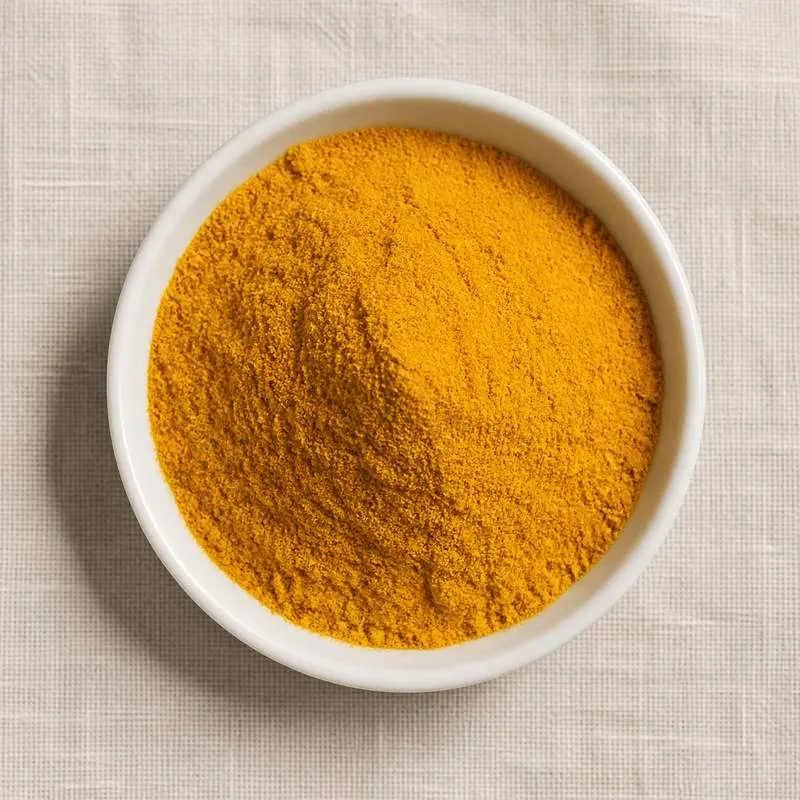
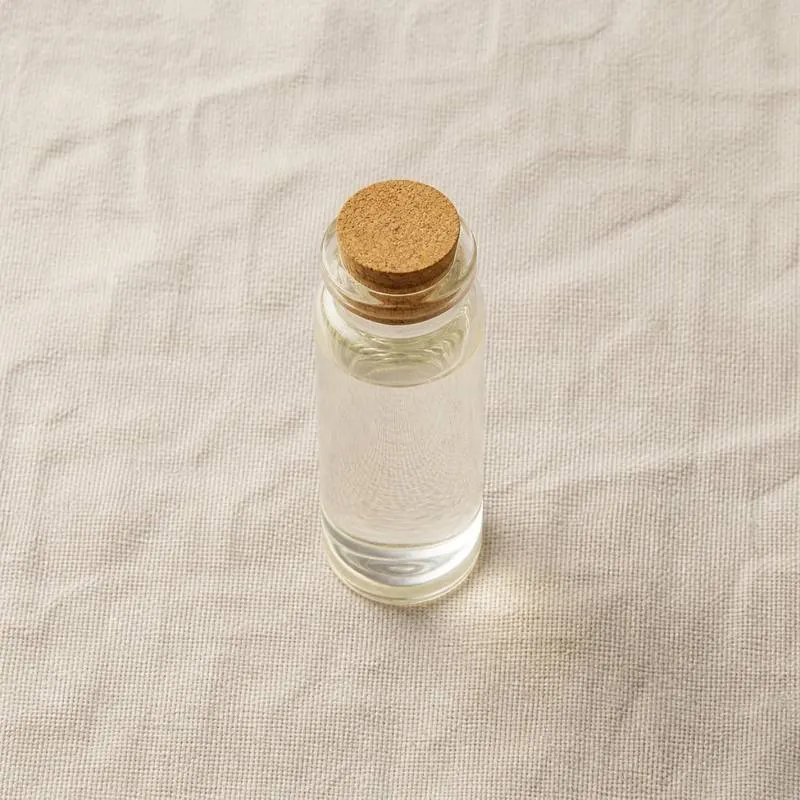
The finished product carries the natural amino acids, B vitamins, and colour compounds of the malted grain in addition to the sugar load. It comes as a thick amber syrup or as a free-flowing powder.
Malt extract is the original ingredient of the home-brewing trade and a long-established sweetener, flavour builder, and fermentation substrate in baking, confectionery, and infant nutrition.
We source bulk Malt Extract from top China manufacturers for our partners, working with several of them. The manufacturers are mostly in Beijing, Guangdong and Shanghai. A smaller requirement can ship in a combined container with other ingredients.
Please send the grade you need, the volume and your destination port, and we will come back with a solution and a price.
or call +86-21-6858 0751
- Packaging
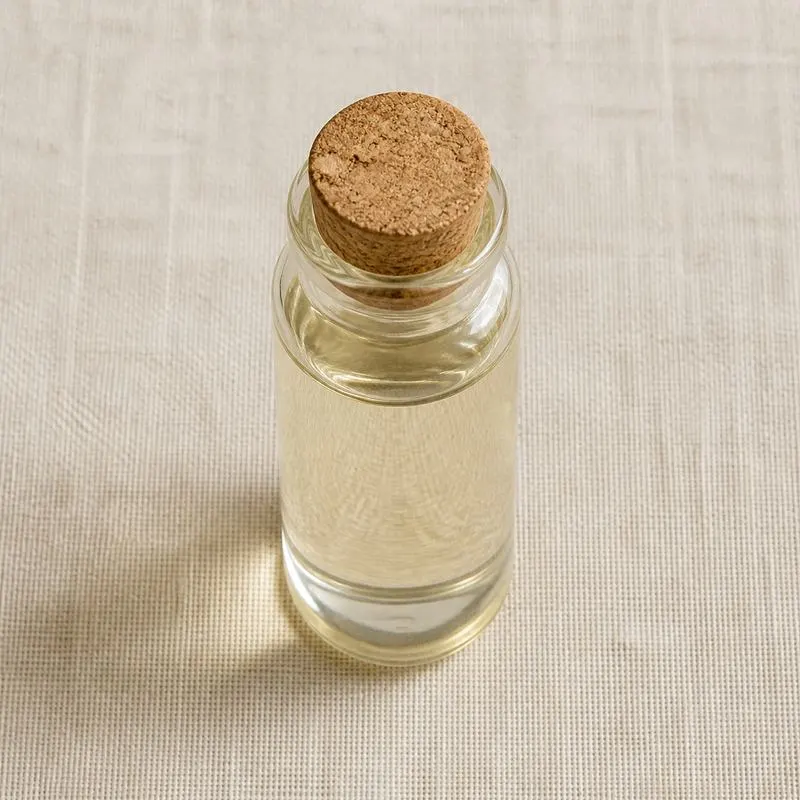
- 25 kg fibre drum with double PE liner
- ISO 9001
- HACCP
- Halal
- Kosher
Specifications
| Item | Specification |
|---|---|
| Appearance | Light to dark amber viscous syrup |
| Brix | 78–85% |
| Total Sugars (as maltose) | ≥65% |
| Maltose | 40–70% |
| Colour (EBC) | 4–500+ (variety-dependent) |
| Protein | 4–8% |
| pH | 5.0–6.0 |
| Ash | ≤2.5% |
| Density (20°C) | 1.38–1.42 g/ml |
| Total Plate Count | ≤1,000 cfu/g |
| Yeast & Mould | ≤100 cfu/g |
Common Markets Grades
Malt Extract is graded by physical format, colour, and diastatic activity.
Liquid malt extract (LME) is the volume format, sold at 78 to 82 percent solids in food-grade pails or drums. It is the format most familiar to home and craft brewers.
Dry malt extract (DME) is the spray-dried or roller-dried powder version, typically 96 percent solids, used in dry-blend baking premixes, breakfast cereals, and powdered beverage formulas.
Colour is reported in degrees Lovibond or in EBC units. Pale extracts (2 to 4 °L) carry a clean malt sweetness. Amber extracts (5 to 15 °L) deepen flavour and crust colour. Dark extracts (15 to 40+ °L) bring caramel and toasted notes.
Diastatic malt extract retains active alpha- and beta-amylase enzymes and is used as a bread improver. Non-diastatic malt extract is heat-deactivated and used purely as a flavour and colour ingredient.
Applications
- Home-brew and craft-brew wort base for beer, ale, and stout
- Bread doughs as a flavour builder, crust colourant, and yeast nutrient
- Bagel boiling solutions for colour and gloss
- Breakfast cereals, especially malted wheat and corn flakes
- Malted-milk powders and chocolate-malt drink mixes
- Confectionery: malt-flavoured caramels, fudges, and toffees
- Infant cereals and weaning foods as a mild carbohydrate source
- Nutritional tonics and traditional malt-based health drinks
- Fermentation substrates for industrial yeast, lactic acid bacteria, and mushroom mycelium
- Microbiological media (malt extract agar) for yeast and mould culture
- Coffee whiteners and instant cappuccino blends for body and colour
- Pet food and treats as a natural binder and palatant
Brands Using Malt Extract
Widely-distributed consumer products that list Malt Extract on the ingredient label.
- Eden FoodsOrganic Barley Malt Syrup ↗Organic barley malt syrup (sprouted barley + water); ~74.5% maltose; whole-grain liquid sweetener used as a sugar/honey alternative and for bagels.Label verified 2026-05-24
- BriessCBW Golden Light Liquid Malt Extract (LME) ↗100% pure malted barley liquid extract (Concentrated Brewers Wort) for home/commercial brewing of light beer styles; thick syrup form.Label verified 2026-05-24
- MuntonsMaris Otter Liquid Malt Extract ↗Liquid malt extract made from 100% barley malt; used in commercial brewing, distilling and food manufacture as a syrup sweetener and fermentable.Label verified 2026-05-24
Brand names, product names and logos are the property of their owners. They appear here as published evidence that the ingredient is used, taken from the brand's own label or website. Their appearance is not an endorsement, and it does not mean the brand buys from us or from any manufacturer listed on this site.
China Manufacturers of Malt Extract
Top Malt Extract manufacturers in China.
 Beijing Powdery Health Industry Co.,Ltd.3 ingredients in the directory
- Guangzhou Heliyuan Foodstuff Co., Ltd.6 ingredients in the directory
- Huajia Food Technology (Shanghai) Co., Ltd.1 ingredient in the directory
 Jiangsu Leiva Biotech Co., Ltd.10 ingredients in the directory
- Shandong Tianjiu Bio-tech Co., Ltd.8 ingredients in the directory
Company names and logos are the property of the manufacturers themselves. They are listed here because our own directory records them as producing this ingredient. A listing is not an endorsement by them, and we do not represent them or speak on their behalf.
How We Help Source Malt Extract
Direct Factory Sourcing
We run the whole process: selecting the manufacturer from the top Chinese food ingredient producers, negotiating the price, verifying quality, and coordinating the logistics. You deal with us instead of with several factories at once.
Original Packaging and Documents from the Manufacturer
The manufacturer sends your Malt Extract out of its own factory in the original packing, through to your destination port. The COA, COO, MSDS, TDS and any certifications reach you from the manufacturer as well.
Free Samples and Lead Time
We send 100 to 500 g free for your own laboratory to test and you cover only the courier, usually within 2 to 3 working days. ETD is usually within 7 to 15 days once the order is confirmed, and we check that date against the factory's own manufacturing schedule before we give it to you.
Combined Shipment
We can load Malt Extract together with other ingredients such as Astaxanthin, Dehydrated Garlic and Lutein into one 20' FCL. If your quantity is small, we can also ship LCL.
Regulatory Status
Malt extract is a conventional food ingredient in every regulated market and has been so for well over a century.
In the United States it is a GRAS ingredient under 21 CFR 184.1443 (malt syrup, malt extract) for use in foods at levels consistent with good manufacturing practice.
In the European Union it is a standard food ingredient, declared as "malt extract" or "barley malt extract." Because it derives from barley it must be declared as a gluten-containing cereal in allergen labelling under Regulation (EU) No 1169/2011.
Halal and Kosher certifications are routinely available. Non-GMO and organic-certified variants are common.
Manufacturing Process
Production starts with two-row or six-row barley malt, the same raw material used by the brewing industry. The malt is milled and mashed with hot water in a converted brewing mash tun.
During mashing, the malt's own alpha- and beta-amylase enzymes hydrolyse the starch into a mixture of maltose, maltotriose, and short dextrins. A typical mash schedule holds 62 to 68 °C for 60 to 90 minutes to favor maltose production.
The sweet wort is separated from the spent grain by lautering, then filtered and concentrated under vacuum at 50 to 60 °C. The low evaporation temperature is critical for preserving the pale colour and the volatile malt aroma.
For diastatic grades the concentration step is held below 55 °C and the finished syrup is kept refrigerated to protect the residual enzymes. Non-diastatic grades are heat-treated to inactivate the enzymes for storage stability.
For dry malt extract, the concentrated syrup is spray- or roller-dried with careful temperature control to keep the powder free-flowing and the maltose from caramelizing.