Crab Juice
Crab juice is a concentrated aqueous extract of crab meat, shell and cooking liquor, used as a natural savoury base in seafood flavours and sauces. It is a processed extract rather than a defined chemical, and its value lies in the free amino acids, nucleotides, peptides and small quantities of volatile sulphur and nitrogen compounds that together give the sweet, briny character associated with cooked crustacean.
Glycine, alanine, arginine and glutamate account for most of the taste active fraction, with adenosine monophosphate and its relatives adding a nucleotide umami that works synergistically with the glutamate. Trimethylamine and its oxide, together with pyrazines and sulphur compounds formed during cooking, carry the aroma. Because these volatiles are easily damaged by heat, the concentration step is the point at which most of the character can be lost.
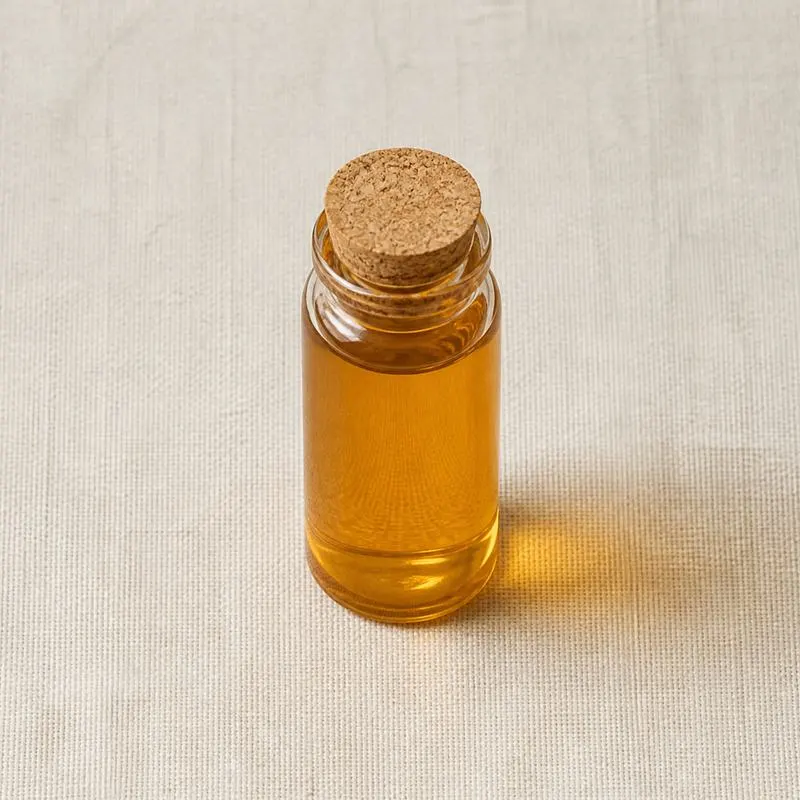
The material comes as a light to reddish brown liquid concentrate, as a thicker paste, or spray dried onto maltodextrin or salt. Liquid grades are shipped frozen or with sufficient salt to hold them stable, dissolve readily in water, and are dosed at a few percent into a finished sauce or flavour base.
We source bulk Crab Juice from top China manufacturers for our partners. The manufacturers are in Zhejiang. A smaller requirement can ship in a combined container with other ingredients.
Please send the grade you need, the volume and your destination port, and we will come back with a solution and a price.
or call +86-21-6858 0751
- Function
- Flavours and Aromas
Specifications
| Item | Specification |
|---|---|
| Appearance | Light brown to reddish brown viscous liquid |
| Odour and Taste | Characteristic cooked crab, savoury and briny, no ammoniacal note |
| Total Solids | Not less than 40.0% |
| Total Nitrogen | Not less than 3.5% |
| Amino Nitrogen | Not less than 1.2% |
| Sodium Chloride | Not more than 15.0% |
| pH, 1% Solution | 6.0 to 7.5 |
| Histamine | Not more than 50 mg/kg |
| Cadmium | Not more than 0.5 mg/kg |
| Lead | Not more than 1.0 mg/kg |
| Arsenic | Not more than 0.5 mg/kg |
| Total Plate Count | Not more than 10,000 cfu/g |
| E. coli | Absent in 1 g |
| Salmonella | Absent in 25 g |
Common Markets Grades
Grades are quoted on solids content and on raw material. Concentrates are traded at around thirty to fifty percent total solids as a pourable liquid, and at sixty percent or above as a paste. The raw material distinction separates extract made from whole crab or picked meat, which is more expensive and cleaner in profile, from extract made from shell, claw residue and the cooking water of a picking plant, which is the bulk product and carries more shell and mineral character.
A second distinction is whether the extract has been enzymatically hydrolysed. Hydrolysed grades carry a higher free amino acid content and a stronger savoury taste but a less delicate aroma, while unhydrolysed cooking liquor concentrates keep more of the fresh character. Salted grades, low sodium grades and spray dried powders are produced from the same base, and shellfish allergen declaration applies to all of them.
Applications
- Seafood flavour compounding, as the natural base onto which the aroma chemicals that give crab character are built
- Surimi and crab stick manufacture, where it provides the taste that the white fish paste itself lacks
- Instant noodle and soup seasoning sachets in seafood variants
- Retort and canned seafood soups and bisques, dosed before sterilisation
- Dipping sauces, seafood seasonings and hot pot bases in the marine direction
- Frozen dumpling, wonton and spring roll fillings that carry a low real crab content
- Savoury snack seasonings, using the spray dried grade in dry blends
- Marinades and glazes for fish and shellfish products
- Pet food palatants, where crustacean extracts make fish based diets more attractive to the animal
China Manufacturers of Crab Juice
Top Crab Juice manufacturers in China.
 Zhe Jiang Industrial Group Co., Ltd.12 ingredients in the directory
- Zhoushan Lingxian Marine Biotechnology Co., Ltd.7 ingredients in the directory
Company names and logos are the property of the manufacturers themselves. They are listed here because our own directory records them as producing this ingredient. A listing is not an endorsement by them, and we do not represent them or speak on their behalf.
Regulatory Status
Crab extract is a food ingredient rather than a food additive, so it carries no E number, and in the European Union it can be used as a flavouring preparation obtained from a food source by physical and enzymatic processes under the general flavourings framework. The requirement that applies is that it be safe and not mislead, and that the crustacean origin be declared, since crustaceans are one of the allergens that must always be named on the label.
In the United States the extract is a food ingredient produced from an approved seafood species and its manufacture falls under seafood hazard analysis controls, with histamine, heavy metals and the cold chain as the principal hazards addressed. The shellfish allergen must be declared. Codex maintains hygiene and contaminant provisions for crustacean products that carry through to extracts made from them, with cadmium in crustacean hepatopancreas being the contaminant of most practical concern.
Manufacturing Process
Raw material arrives as cooked crab shell, claw and body residue from a picking plant, or as whole crab of grades not suitable for meat sale. The material is washed, crushed and charged with water into a jacketed extraction vessel, where it is cooked under agitation so that soluble protein, amino acids and minerals pass into the water phase. Many plants follow this with an enzymatic step, dosing proteases and holding the mash at fifty to fifty five degrees for one to three hours to break down insoluble protein and raise the yield of taste active peptides, then heating to inactivate the enzymes.
The mash is separated by decanter centrifuge and screening to remove shell fragments, then clarified through a disc centrifuge or a filter press. The clear liquor is concentrated in a falling film or plate evaporator run under vacuum, so the boiling temperature stays low enough to protect the aroma fraction, and volatiles stripped in the first effect are sometimes condensed and returned to the concentrate. The concentrate is pasteurised, then filled hot and chilled, frozen, or fed to a spray drier with a carrier where a powder is required.