Seafood Flavour
Seafood flavour is the trade category covering compound flavourings that reproduce the aroma and taste of fish, shrimp, crab, scallop and other marine products. Most commercial grades combine three elements: a natural extract of the seafood itself, a thermal process reaction base that supplies cooked and roasted character, and a small fraction of aroma chemicals that set the species identity.
Several distinct chemical families do the work. Bromophenols, particularly the dibromophenols taken up by marine organisms from algae, carry the iodine like oceanic note that separates a genuine sea profile from a generic savoury one. Unsaturated aldehydes such as 2,6-nonadienal and alcohols such as 1-octen-3-ol give the fresh fish and melon like note, trimethylamine supplies the familiar smell of aged fish at trace level, and pyrazines and sulphur heterocycles from the reaction base give the cooked and grilled layer. Taste comes from free amino acids, principally glycine, alanine and glutamate, together with nucleotides from the extract.
Forms are pastes, water soluble and oil soluble liquids, and spray dried powders. Powder dominates in dry seasoning applications, though the most volatile marine notes are lost in drying unless the flavour is encapsulated.
We source bulk Seafood Flavour from top China manufacturers for our partners, working with several of them. The manufacturers are in Shandong, Fujian and Hebei. A smaller requirement can ship in a combined container with other ingredients.
Please send the grade you need, the volume and your destination port, and we will come back with a solution and a price.
or call +86-21-6858 0751
- Function
- Flavours and Aromas
Specifications
| Item | Specification |
|---|---|
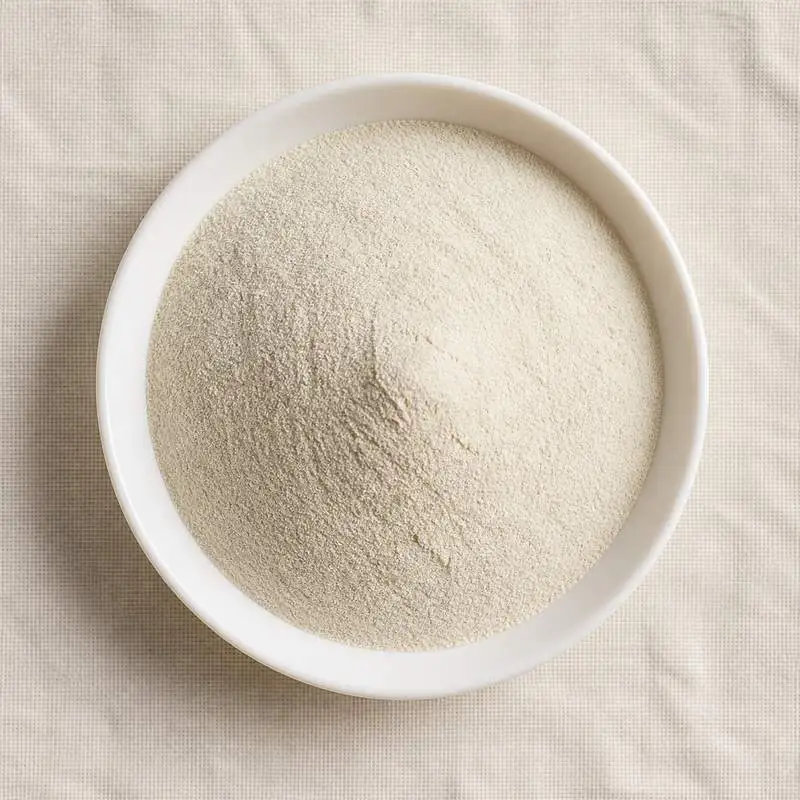
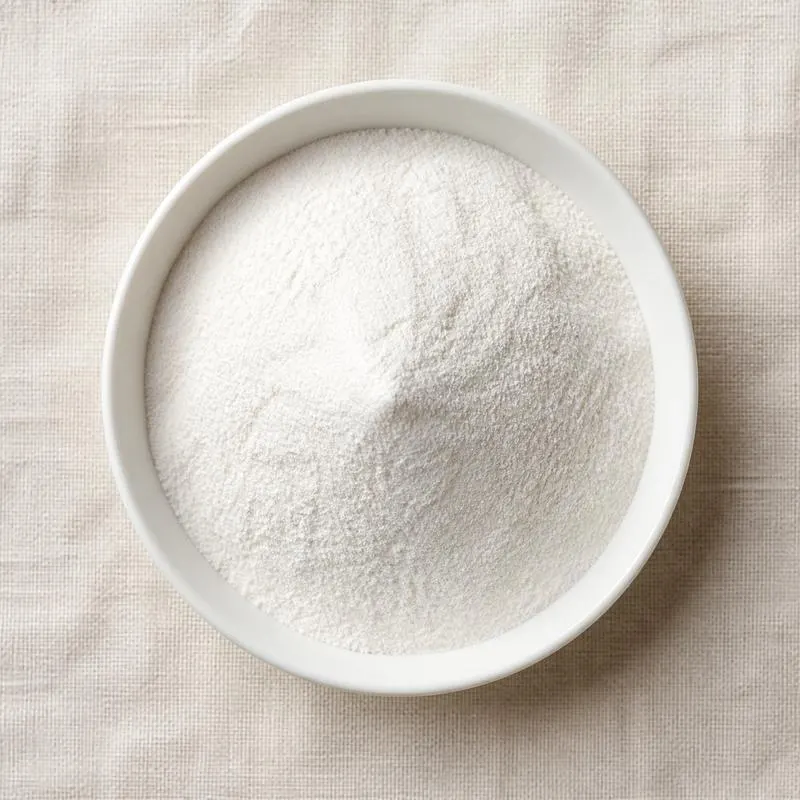
| Appearance | Free flowing light beige to light brown powder |
| Odour and Taste | Characteristic of the declared seafood species, no ammoniacal note |
| Moisture | Not more than 5.0% |
| Total Nitrogen | Not less than 3.0% |
| Sodium Chloride | Not more than 45.0% |
| pH, 1% Solution | 5.5 to 7.0 |
| Particle Size | Not less than 95% through 40 mesh |
| Histamine | Not more than 50 mg/kg |
| Cadmium | Not more than 0.5 mg/kg |
| Lead | Not more than 1.0 mg/kg |
| Arsenic | Not more than 0.5 mg/kg |
| Total Plate Count | Not more than 10,000 cfu/g |
| E. coli | Absent in 1 g |
| Salmonella | Absent in 25 g |
Common Markets Grades
Grades are quoted first by species profile, with shrimp, crab, fish, scallop, clam and generic marine directions traded as separate articles, and within each by whether the profile is fresh, boiled, grilled or dried. Strength is expressed as a recommended dosage rate rather than as an assay, because the material has no single active constituent.
Composition is the second axis and decides labelling. Grades containing genuine seafood extract can be declared as natural flavour with a marine origin and carry a crustacean, mollusc or fish allergen. Grades built on yeast extract, hydrolysed vegetable protein and aroma chemicals are free of seafood material and are used in allergen restricted plants and in plant based seafood analogues. Halal and kosher certified grades, low sodium grades using maltodextrin in place of the salt carrier, and encapsulated powders for extruded and baked products complete the range.
Applications
- Surimi products including crab sticks and fish balls, which are made from neutral tasting white fish paste and depend on added flavour for identity
- Instant noodle and soup seasoning sachets in seafood variants
- Retort and canned seafood soups, chowders and bisques, dosed before sterilisation
- Savoury snack seasonings in prawn and crab directions, applied as a powder in the tumble drum
- Prawn crackers and extruded snacks, where an encapsulated grade survives the frying or expansion step
- Frozen dumpling, wonton and spring roll fillings carrying a low real seafood content
- Dipping sauces, seafood seasonings and hot pot bases in the marine direction
- Plant based seafood analogues on konjac, algae or soya protein bases, which have no marine character of their own
- Marinades and glazes for fish and shellfish, reinforcing a profile weakened by freezing and thawing
- Pet food palatants, where fish and crustacean flavours drive acceptance in marine diets
China Manufacturers of Seafood Flavour
Top Seafood Flavour manufacturers in China.
 QingDao Zhongxinyuan Food Technology Co., Ltd.2 ingredients in the directory
- Quanzhou Benz Food Flavour Co., Ltd.4 ingredients in the directory
- Shijiazhuang City Flavour Food Ingredients Co., Ltd.10 ingredients in the directory
Company names and logos are the property of the manufacturers themselves. They are listed here because our own directory records them as producing this ingredient. A listing is not an endorsement by them, and we do not represent them or speak on their behalf.
Regulatory Status
Seafood flavour is regulated as a flavouring rather than as a food additive and carries no E number. In the European Union any flavouring substance used in the blend must appear on the Union list of authorised flavouring substances, the seafood extract itself qualifies as a flavouring preparation obtained from food by physical and enzymatic processes, and the reaction component is a thermal process flavouring subject to the reaction conditions set out in the framework. Fish, crustaceans and molluscs are each separately declarable allergens, so the species used must be named.
In the United States the flavouring substances are cleared as generally recognised as safe, mostly through the FEMA GRAS programme, and manufacture from marine raw material falls under seafood hazard analysis controls, with histamine, heavy metals and the cold chain as the principal hazards. Codex assesses flavouring substances individually through JECFA and maintains hygiene and contaminant provisions for fish and fishery products that carry through to extracts made from them.
Manufacturing Process
The extract stream begins with cooked seafood raw material, usually the shell, head, frame and cooking liquor left by a processing plant. The material is washed, milled and extracted with hot water, often followed by an enzymatic step in which proteases are held at fifty to fifty five degrees for one to three hours to release amino acids and peptides, and are then heat inactivated. The mash is centrifuged and clarified, and the liquor concentrated in a vacuum evaporator at a low boiling temperature so that the delicate marine volatiles are not stripped away.
The reaction stream blends part of that concentrate, or a vegetable hydrolysate where a seafood free composition is needed, with reducing sugars and cysteine, and heats it under pressure to generate the cooked note. The two streams are combined, then adjusted with aroma chemicals including the bromophenol and aldehyde fractions that give oceanic and fresh character, with fish oil or vegetable oil added where a fat carrier is wanted. Liquid grades are homogenised and filtered. Powder grades are emulsified with maltodextrin, salt or modified starch, spray dried, and where required agglomerated or encapsulated.