Cream Cheese Powder Flavour
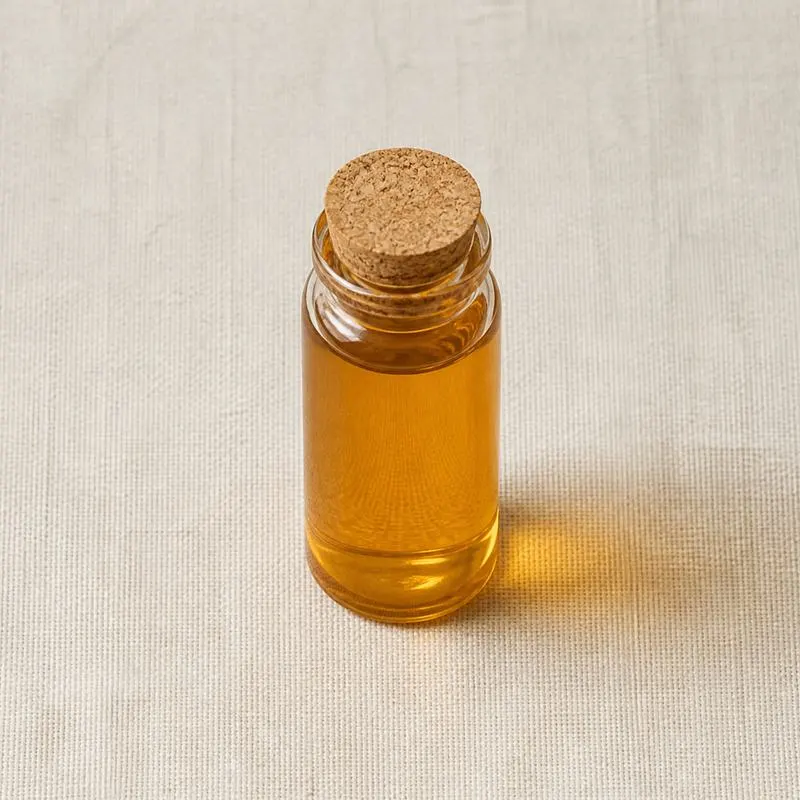
Cream cheese powder flavour is a spray dried savoury dairy flavouring formulated to deliver the lactic tang, buttery richness and slight sweetness of fresh cream cheese in dry and low moisture systems. It is distinct from cream cheese powder itself, which is dried cheese, in that a flavour grade carries a concentrated aroma load on a carrier and is dosed at a fraction of the rate.
The profile is built from three groups of compounds. Short chain free fatty acids, principally butyric, caproic and caprylic acid, supply the cheesy note and are released in nature by lipolysis of milk fat. Diacetyl and acetoin supply the buttery and cultured character, and lactic acid supplies the clean acid taste that makes cream cheese taste fresh rather than aged. Delta lactones from milk fat give the creamy roundness, and small amounts of methyl ketones add depth. Many commercial grades reach this profile using enzyme modified cheese or cultured dairy concentrate as the base, which gives a fuller and more natural character than aroma chemicals alone.
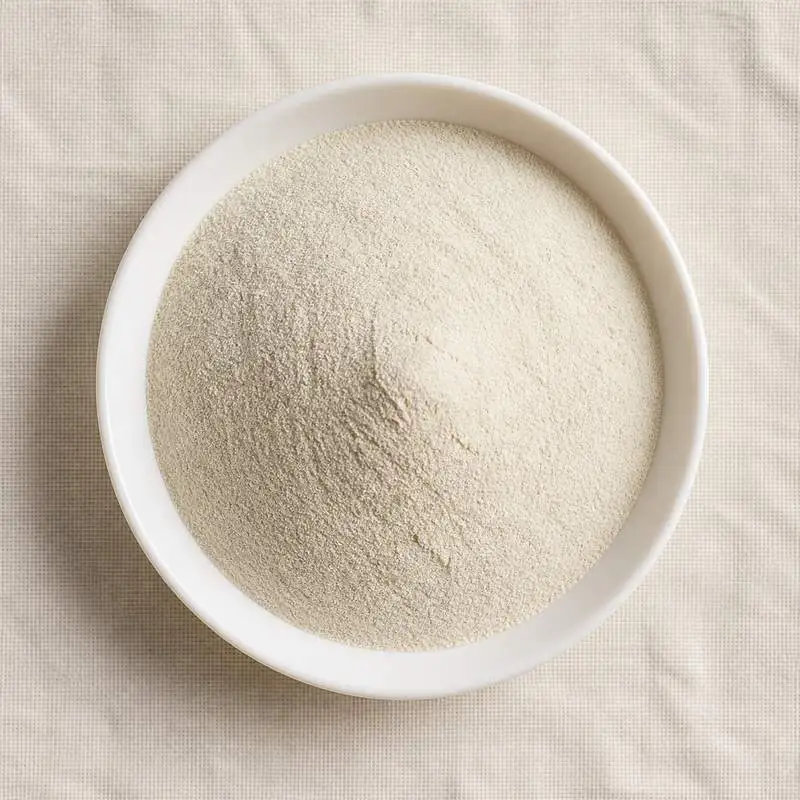
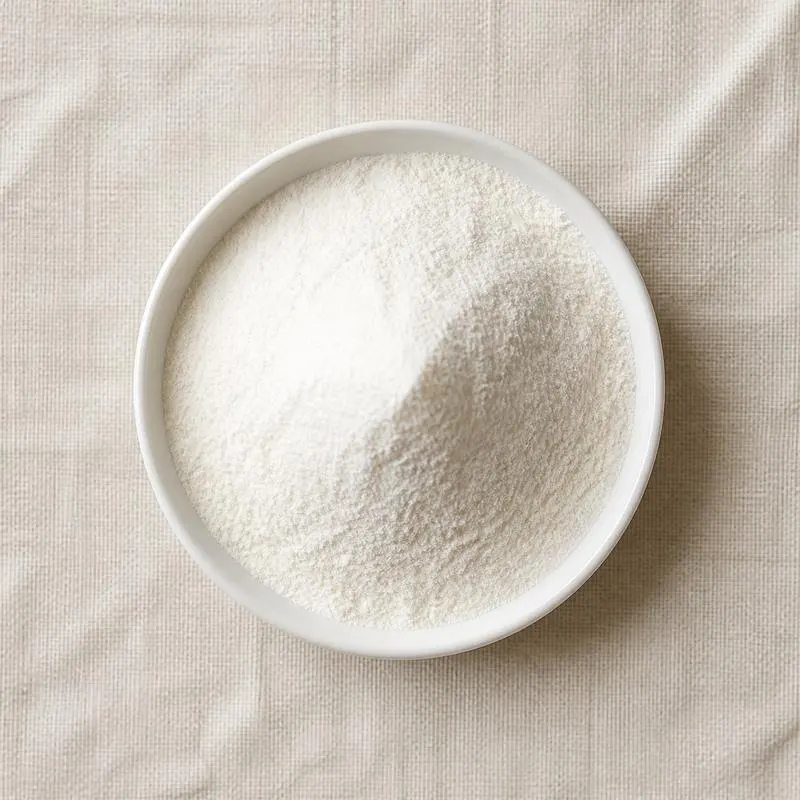
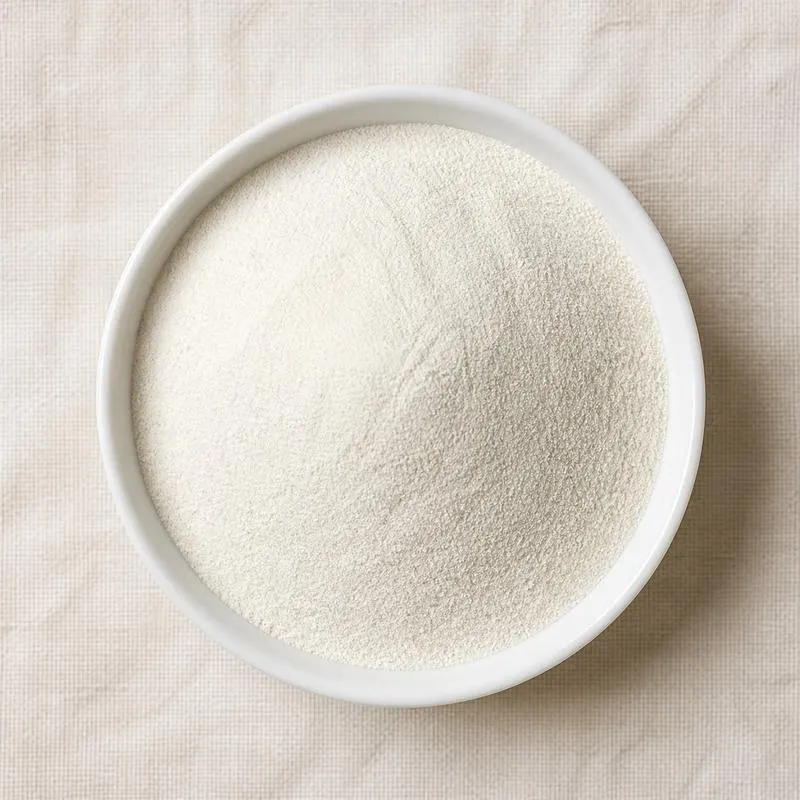
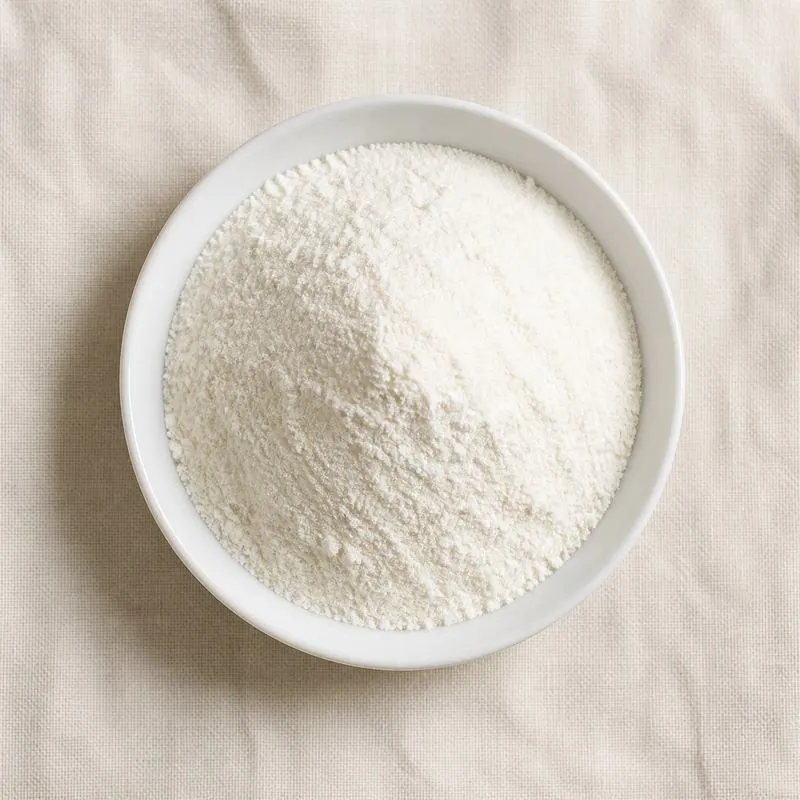
The product is a free flowing off white powder on a maltodextrin, modified starch or milk solids carrier. It disperses in water and in fat, is stable in dry storage but hygroscopic once opened, and loses its lighter notes on prolonged heating, so it is normally added after cooking or at the coating stage.
We source bulk Cream Cheese Powder Flavour from top China manufacturers for our partners. The manufacturer is in Guangdong. A smaller requirement can ship in a combined container with other ingredients.
Please send the grade you need, the volume and your destination port, and we will come back with a solution and a price.
or call +86-21-6858 0751
- Function
- Flavours and Aromas
Specifications
| Item | Specification |
|---|---|
| Appearance | Free flowing off white to cream powder |
| Odour and Flavour | Characteristic fresh cream cheese, matching retained reference |
| Moisture | Not more than 4.0 percent |
| Flavour Load | Not less than 10.0 percent |
| Surface Oil | Not more than 2.0 percent of total flavour load |
| Free Fatty Acid, base intermediate | To declared value for the grade |
| Particle Size | Minimum 95 percent through 40 mesh |
| Bulk Density | 0.35 to 0.55 g/ml |
| pH, 10 percent dispersion | 4.5 to 6.0 |
| Dispersibility | Disperses fully in water at 40 °C without lumping |
| Lead | Not more than 1 mg/kg |
| Arsenic | Not more than 0.5 mg/kg |
| Total Plate Count | Not more than 10,000 cfu/g |
| Yeast and Mould | Not more than 100 cfu/g |
| Salmonella | Absent in 25 g |
Common Markets Grades
Grades separate by the nature of the base. Enzyme modified cheese grades are made from real cheese digested with lipases and proteases and carry the highest dairy content and the strongest declaration, but they also carry milk allergen and are not suitable for vegetarian or dairy free positioning. Cultured dairy grades use fermented cream or milk concentrate. Fully compounded grades reach the profile from aroma chemicals and natural preparations on a plant carrier and can be made dairy free, at the cost of some of the roundness.
Beyond the base, grades differ by flavour load, stated as a dosage rate rather than an assay, by carrier system, and by whether the powder is plain spray dried, agglomerated for instant dispersion, or encapsulated with a higher retention wall for long shelf life applications. Salt free and salted versions exist, and acidity is a specified attribute because the perception of freshness depends on the balance between lactic acid and the free fatty acid fraction. Halal, kosher and non-genetically-modified declarations follow the carrier and the dairy source.
Applications
- Savoury snack seasoning, particularly cream cheese and onion crisp coatings
- Extruded snacks and popcorn, applied through an oil slurry during tumbling
- Crackers and savoury biscuits, dosed into the dough or the topping
- Instant soups, sauce powders and pasta sauce mixes
- Dips and dressing powders reconstituted with water or dairy
- Bakery fillings and cheesecake bases, reinforcing dairy character
- Processed cheese and cheese analogues, restoring the fresh cheese note
- Plant based cheese alternatives, where the base contributes little flavour of its own
- Meal kits and seasoning sachets for pasta and rice dishes
- Ready meals with a creamy sauce, dosed into the dry blend
China Manufacturers of Cream Cheese Powder Flavour
Top Cream Cheese Powder Flavour manufacturers in China.
Company names and logos are the property of the manufacturers themselves. They are listed here because our own directory records them as producing this ingredient. A listing is not an endorsement by them, and we do not represent them or speak on their behalf.
Regulatory Status
In the United States dairy flavour components hold FEMA GRAS status, enzyme modified cheese is a food ingredient made with enzymes that are themselves GRAS or approved, and the finished flavouring is labelled under 21 CFR 101.22, which determines whether it is declared as natural flavour or artificial flavour. Diacetyl and related diketones are permitted flavouring substances in food, although occupational exposure during handling of the neat material is separately controlled as a workplace matter rather than a food safety one. Milk is a major food allergen and must be declared wherever a dairy base is used.
In the European Union, Regulation (EC) No 1334/2008 and its Union list authorise flavouring substances, and flavourings carry no E number, while Regulation (EC) No 1333/2008 authorises the carriers, anticaking agents and any additive present in the powder and requires their declaration. Food enzymes used to make the base fall under the food enzymes regulation and its Union list process. A dairy based product requires an establishment approved under Regulation (EC) No 853/2004, and milk must be declared as an allergen. Codex is relevant through its general guidelines for the use of flavourings, its general standard for food additives and its standard for cream cheese, which governs what may be named as the cheese itself rather than as a flavour of it.
Manufacturing Process
Where the base is enzyme modified cheese, curd or young cheese is blended with water and emulsifying salts to a smooth slurry, pasteurised, cooled to the working temperature of the enzyme system and incubated with lipases and proteases. Lipase selection decides which free fatty acids are released and therefore the direction of the profile, while proteases develop the savoury background. The digest is heated to inactivate the enzymes and is then standardised for free fatty acid content, which is the primary release figure for this intermediate.
The base, whether an enzyme modified cheese, a cultured concentrate or a compounded flavour blend, is emulsified into a slurry of maltodextrin, modified starch, milk solids or gum acacia, with the solids adjusted so that the feed atomises cleanly. The slurry is homogenised at high pressure to a fine and stable droplet size, since droplet size determines both encapsulation efficiency and surface oil in the finished powder, then pumped to a spray drying tower and atomised into hot air with an outlet temperature chosen to remove water without stripping the volatile fraction. The powder is collected, cooled, and either packed directly or agglomerated in a fluid bed for instant dispersion, with a topping flavour sprayed on where the light notes need restoring. Release covers moisture, flavour load, surface oil, particle size, dispersibility and a sensory panel against a retained reference.