Cyclocarya Paliurus Extract
Cyclocarya paliurus extract is a concentrate prepared from the leaf of Cyclocarya paliurus, a deciduous tree of the Juglandaceae family endemic to southern and central China, where it is known as qingqianliu from the ring shaped winged fruit that resembles a string of coins. The leaf has long been drunk as an infusion and is often called sweet tea tree leaf, and the extract is the industrial form of that material.
Three constituent classes are quantified in commerce. Triterpenoids, principally dammarane and cyclocaric acid type compounds, are the markers most often specified. Flavonoids, chiefly quercetin and kaempferol glycosides, make up the second class and are quantified colourimetrically. Polysaccharides, a heteropolysaccharide fraction recovered by alcohol precipitation, make up the third and are the basis of a separate grade. The leaf also carries chlorogenic acid and a small volatile fraction.
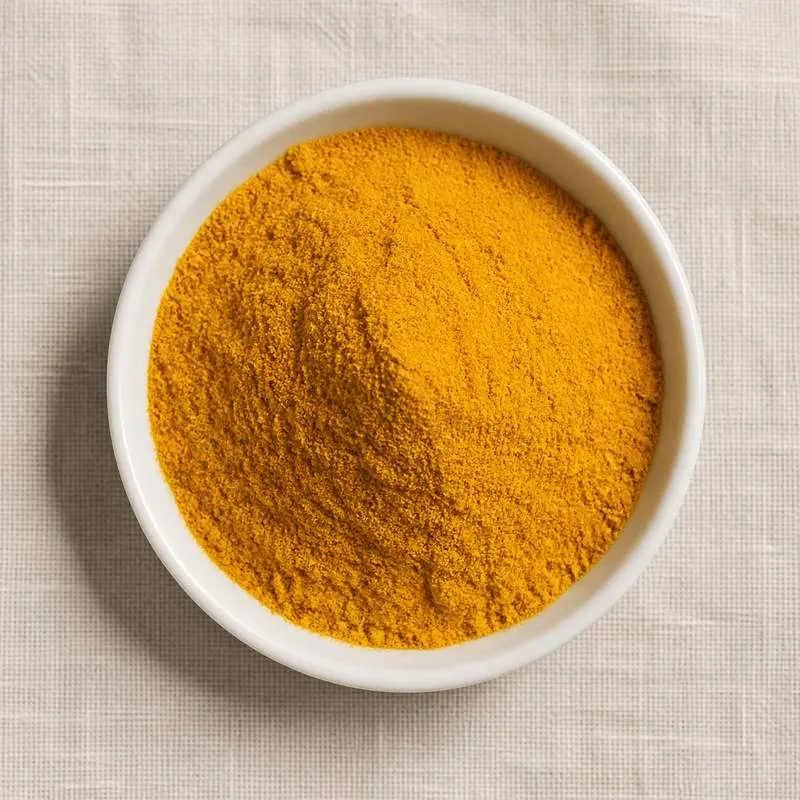
The extract is a brown to yellowish brown powder with a faintly grassy odour and a taste that opens sweet then turns bitter, which is the sensory signature of the leaf. Water extracts dissolve readily to a brown solution, while triterpenoid rich grades disperse rather than dissolve because those compounds are lipophilic. The material is hygroscopic and its flavonoid colour deepens as pH rises, so beverage applications are held on the acid side of neutral.
We source bulk Cyclocarya Paliurus Extract from top China manufacturers for our partners. The manufacturer is in Shaanxi. A smaller requirement can ship in a combined container with other ingredients.
Please send the grade you need, the volume and your destination port, and we will come back with a solution and a price.
or call +86-21-6858 0751
- Function
- Plant extract
Specifications
| Item | Specification |
|---|---|
| Appearance | Brown to yellowish brown fine powder |
| Botanical Source | Cyclocarya paliurus leaf |
| Odour and Taste | Faintly grassy odour, sweet then bitter |
| Identification | HPLC fingerprint conforming to authenticated leaf reference |
| Total Triterpenoids | ≥ 10.0% (UV, as oleanolic acid) |
| Total Flavonoids | ≥ 5.0% (UV, as rutin) |
| Polysaccharides | ≥ 10.0% (UV, phenol sulphuric acid) |
| Particle Size | ≥ 95% through 80 mesh |
| Loss on Drying | ≤ 5.0% |
| Total Ash | ≤ 8.0% |
| pH (1% solution) | 4.5 to 6.5 |
| Residual Ethanol | ≤ 0.5% |
| Lead | ≤ 2.0 mg/kg |
| Arsenic | ≤ 1.0 mg/kg |
| Cadmium | ≤ 1.0 mg/kg |
| Total Plate Count | ≤ 10,000 cfu/g |
| Yeast and Mould | ≤ 500 cfu/g |
| Escherichia coli | Negative in 1 g |
| Salmonella | Negative in 25 g |
Common Markets Grades
Ratio extracts at 4:1, 10:1 and 20:1 are the volume grades, used where the leaf rather than a defined active is the point. Standardised grades are quoted on total triterpenoids at 5, 10 or 20 percent by the colourimetric method, on total flavonoids at 5 to 20 percent, or on polysaccharides at 10 to 50 percent by the phenol sulphuric acid method. The three markers are recovered by different routes, so a lot standardised on one says nothing definite about the others and buyers specify each figure they intend to rely on.
Beyond assay, lots divide on leaf age and harvest season, since young spring leaf carries a different flavonoid to triterpenoid balance from summer leaf, and on whether the leaf was steam fixed before drying, a step borrowed from green tea manufacture that halts enzymatic browning and gives a greener, less oxidised material. Powders are used carrier free or on maltodextrin at 80 mesh, with a water soluble grade for instant beverages. Cut and dried leaf for infusion is sold under the same commercial heading and is not an extract. Organic certified material is available from managed plantations.
Applications
- Instant herbal tea granules and sachets, where a water soluble extract reconstitutes without residue
- Substitute tea and infusion blends, combined with mulberry leaf, chrysanthemum or cassia seed
- Ready to drink herbal beverages, formulated at mildly acidic pH to hold the flavonoid colour
- Blood sugar positioned supplements in capsule and tablet form, dosed on the triterpenoid or flavonoid figure
- Metabolic and weight management blends, combined with mulberry leaf and bitter melon extracts
- Functional food powders and meal replacement mixes, where the polysaccharide grade contributes viscosity
- Confectionery and jelly products, using the extract for its sweet then bitter character
- Skin care formulations, added to the water phase for the flavonoid antioxidant content
- Animal feed premixes, applied as a plant polyphenol source in metabolic positioned products
China Manufacturers of Cyclocarya Paliurus Extract
Top Cyclocarya Paliurus Extract manufacturers in China.
Company names and logos are the property of the manufacturers themselves. They are listed here because our own directory records them as producing this ingredient. A listing is not an endorsement by them, and we do not represent them or speak on their behalf.
Regulatory Status
In the United States, Cyclocarya paliurus leaf and its extracts are marketed as dietary ingredients under the Dietary Supplement Health and Education Act, with finished products manufactured under 21 CFR Part 111. Because the species was not present in the American food supply in any significant way before 1994, suppliers commonly support the ingredient with a new dietary ingredient notification, and identity is verified chromatographically since the leaf is unfamiliar to most laboratories.
In the European Union the extract is not an authorised food additive, so no E number applies. Cyclocarya paliurus has no established history of significant consumption within the Union before the novel food cut off date, which places both the leaf and its extracts within the scope of the novel food regulation, requiring authorisation before the material may be placed on the Union market as a food or food supplement ingredient. Health claims for the species are unauthorised. Codex has no commodity standard for the material and JECFA has issued no additive specification for it. Contaminant testing follows the general expectations for dried leaf material, covering lead, cadmium and pesticide residues.
Manufacturing Process
Leaves are picked from plantation trees, sorted to remove stems and damaged material, and either steam or hot air fixed to inactivate the polyphenol oxidase before drying, or dried directly where a darker, partly oxidised leaf is acceptable. Dried leaf is milled to a coarse particle size that gives good solvent penetration without packing the extractor bed.
Extraction is with hot water for polysaccharide and infusion style grades and with ethanol at 50 to 70 percent where the triterpenoids and flavonoid aglycones are the target, since water recovers those poorly. The liquor is separated from the marc by pressing and decanting, clarified by centrifugation and filtration. For standardised triterpenoid and flavonoid grades the clarified liquor is loaded onto a macroporous adsorption resin, washed with water and dilute ethanol to strip sugars and organic acids, and eluted with a stronger ethanol fraction. For polysaccharide grades the aqueous concentrate is treated with ethanol to a high final concentration, which precipitates the polysaccharide while small molecules remain in solution, and the precipitate is separated by centrifugation and redissolved. In both routes the purified solution is concentrated under vacuum at low temperature with ethanol recovery and spray dried, alone or onto maltodextrin, then sieved, assayed and packed in food grade liners inside fibre drums.