D-Tartaric Acid
D-tartaric acid is the unnatural enantiomer of 2,3-dihydroxybutanedioic acid, formula C4H6O6, also written as the (S,S) or D-(-) form. It is the mirror image of the L-(+)-tartaric acid recovered from grapes, chemically identical in melting point, solubility and acid strength but opposite in optical rotation, and that difference in handedness is the entire basis of its commercial value.
Unlike its L counterpart it is not a general purpose food acidulant. Food and beverage use is reserved for the L-(+) form, which is the isomer that occurs in fruit and that food regulations recognise, so the D acid is traded principally as a fine chemical for chiral resolution and asymmetric synthesis. It appears in food supply chains mainly as a component of the racemic DL acid and as a specification limit rather than as an ingredient in its own right.
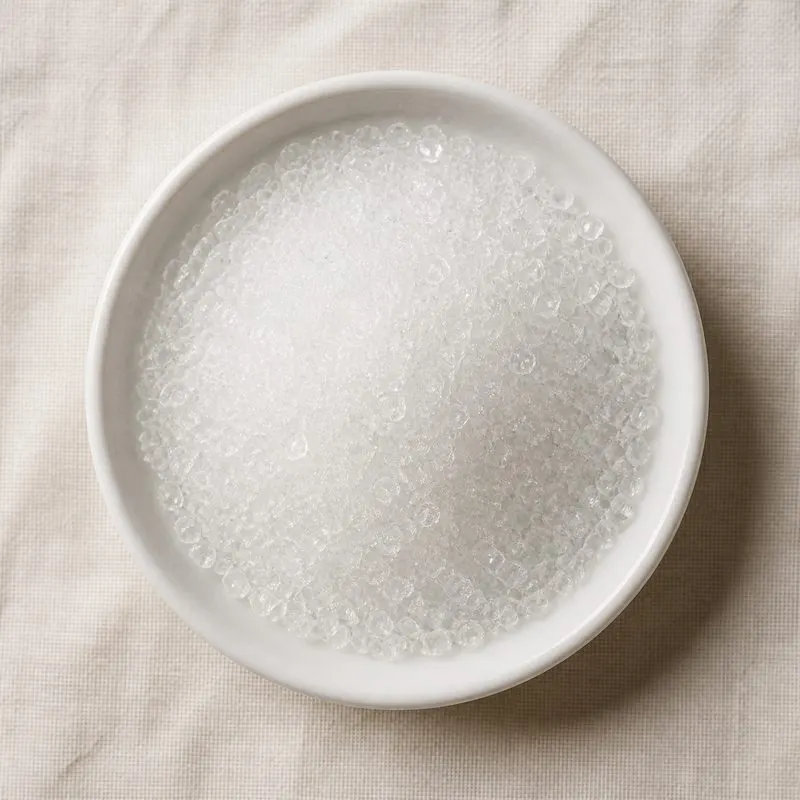
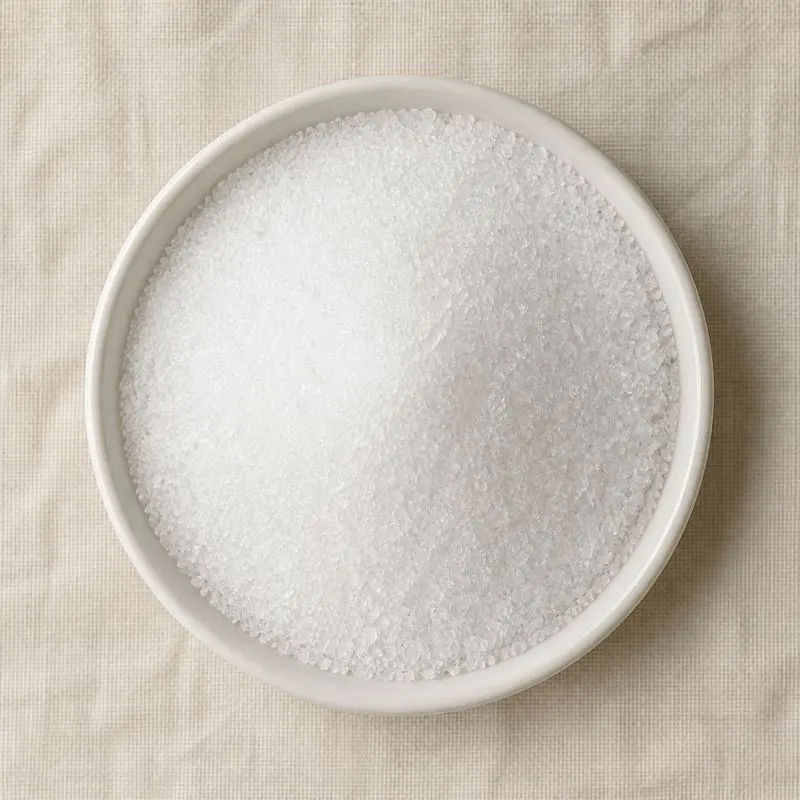
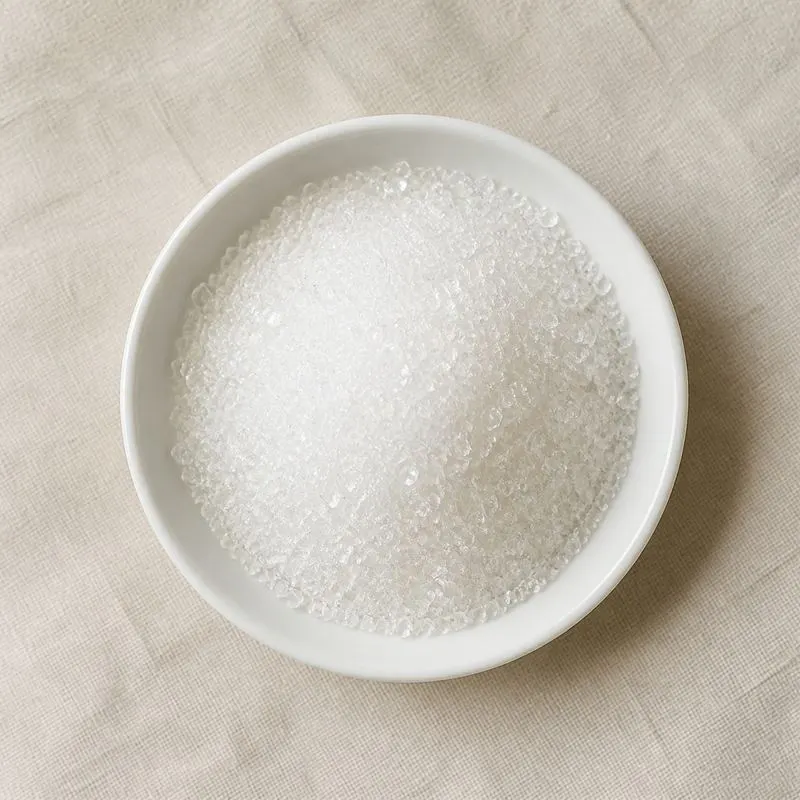
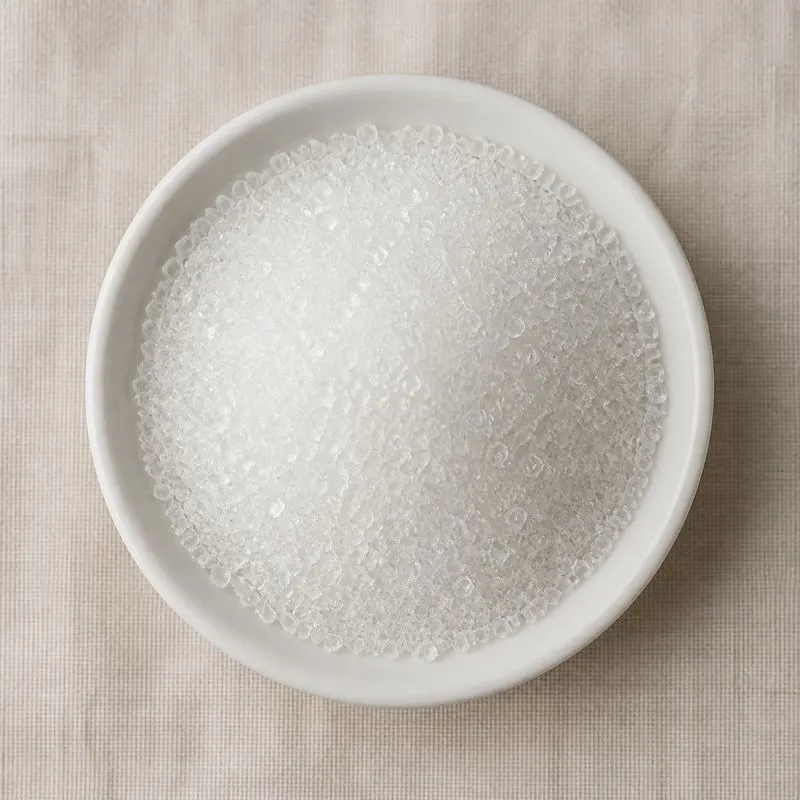
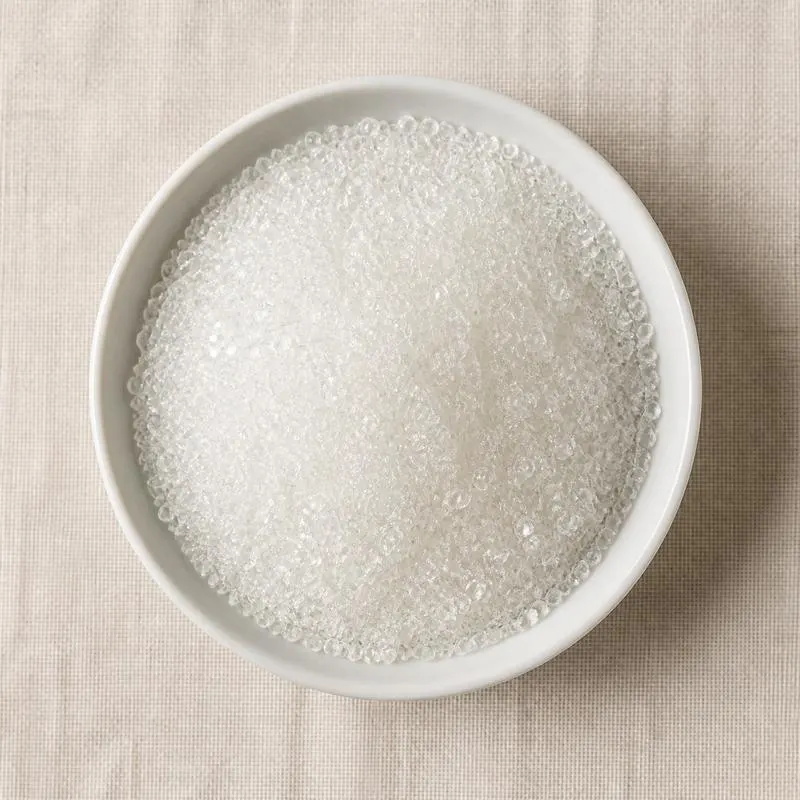
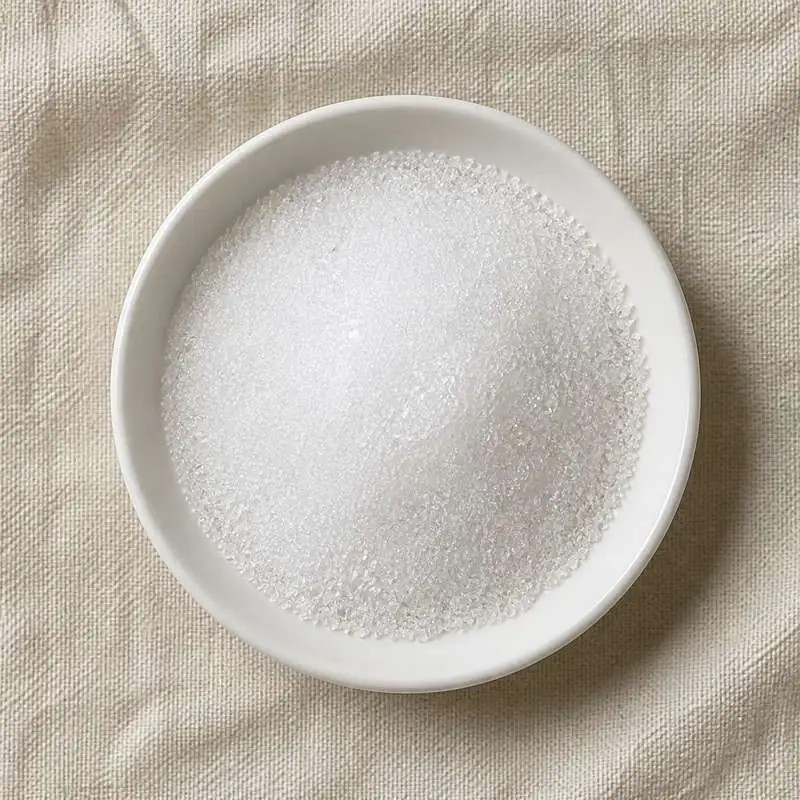
Physically it is a colourless to white crystalline powder, odourless, with a strongly acid taste, freely soluble in water at around 139 g per 100 mL and soluble in ethanol. It melts near 170 degrees Celsius and is stable in the solid state and in acidic solution, racemising only under prolonged strong alkali or high temperature. Aqueous solutions are strongly acidic, and a one percent solution is about pH 2.2.
We source bulk D-Tartaric Acid from top China manufacturers for our partners. The manufacturer is in Zhejiang. A smaller requirement can ship in a combined container with other ingredients.
Please send the grade you need, the volume and your destination port, and we will come back with a solution and a price.
or call +86-21-6858 0751
- Function
- Acidulant
Specifications
| Item | Specification |
|---|---|
| Appearance | Colourless to white crystalline powder |
| Assay, dried basis | Not less than 99.0 percent |
| Identification | Positive for tartrate |
| Enantiomeric Excess | Not less than 99.0 percent D isomer |
| Specific Rotation | Negative, characteristic of the D form |
| Melting Range | 168 to 172 degrees Celsius |
| pH, 1 percent solution | 2.0 to 2.5 |
| Loss on Drying, 105 degrees Celsius | Not more than 0.5 percent |
| Sulphated Ash | Not more than 0.1 percent |
| Oxalate | Not more than 350 mg per kg |
| Sulphate | Not more than 0.05 percent |
| Residual Solvents | Within the limits of the manufacturer specification |
| Lead | Not more than 2 mg per kg |
| Heavy Metals as Pb | Not more than 10 mg per kg |
Common Markets Grades
The article is traded as a single high purity specification, generally 99 percent minimum assay with optical purity stated separately as enantiomeric excess, because the enantiomeric excess rather than the chemical assay is what the buyer is paying for. Values of 99 percent enantiomeric excess and above are standard for resolution work, and material below that is of little use since residual L isomer defeats the purpose.
Pharmaceutical and reagent grades to a manufacturer specification are the normal offer, with tighter limits on residual solvents, sulphated ash and the resolving agent used in its manufacture. Particle size is rarely specified beyond a general free flowing requirement, since the material is almost always dissolved. Derivatives are also traded alongside it, notably the D-tartrate salts and the dibenzoyl and di-p-toluoyl esters, which are the forms actually used in many resolutions.
Applications
- Chiral resolution of racemic amines and alcohols in pharmaceutical synthesis, forming diastereomeric salts that separate by crystallisation
- Asymmetric synthesis, as a chiral auxiliary and as the ligand framework in tartrate based catalysts
- Preparation of the D-tartrate salts of active pharmaceutical ingredients, where the counterion is chosen for crystal habit and stability
- Analytical chemistry, as a chiral selector in capillary electrophoresis and in chromatography
- Reference standard for determining the enantiomeric composition of tartaric acid in wine and food analysis
- Fine chemical and agrochemical intermediates requiring a defined stereochemistry
- Research scale synthesis of chiral ligands and organocatalysts
- Manufacture of the racemic DL acid where the two enantiomers are handled separately
China Manufacturers of D-Tartaric Acid
Top D-Tartaric Acid manufacturers in China.

Company names and logos are the property of the manufacturers themselves. They are listed here because our own directory records them as producing this ingredient. A listing is not an endorsement by them, and we do not represent them or speak on their behalf.
Regulatory Status
D-tartaric acid does not have food additive status. Food additive approvals for tartaric acid are written for the L-(+) form specifically. In the United States the generally recognised as safe affirmation for tartaric acid covers the L-(+) isomer obtained from grape sources, and in the European Union Regulation (EC) No 1333/2008 defines E 334 as L-(+)-tartaric acid, with the identity criteria in Regulation (EU) No 231/2012 specifying the optical rotation of that isomer. The D form and the racemic DL acid do not meet those identity criteria and are not authorised for use as food additives in the European Union.
JECFA has evaluated L-(+)-tartaric acid and its salts and has treated the naturally occurring isomer as the subject of that evaluation. In practice the D acid is regulated as an industrial and pharmaceutical fine chemical, subject to the relevant chemical control and good manufacturing practice frameworks in the jurisdiction of use rather than to food additive law, and any presence in a food ingredient is handled as a purity limit on the L acid rather than as a permitted use.
Manufacturing Process
D-tartaric acid is not obtained from natural sources in any meaningful quantity, since fruit produces only the L form. It is made by resolving racemic DL-tartaric acid, which is itself synthesised from maleic anhydride. The anhydride is hydrolysed to maleic acid and then epoxidised with hydrogen peroxide over a tungstate or vanadate catalyst to give epoxysuccinic acid, which is hydrolysed under acid conditions to the racemic diacid. That racemic acid is decolourised, crystallised and dried.
Resolution is the step that produces the D isomer. The classical route reacts the racemic acid with an optically pure chiral base, historically a cinchona alkaloid such as cinchonidine, forming two diastereomeric salts of different solubility. Fractional crystallisation separates them, and the desired salt is decomposed with mineral acid to release the free D acid and recover the resolving base for reuse. The alternative and increasingly common route is biocatalytic, using a microbial epoxide hydrolase that opens cis-epoxysuccinic acid stereoselectively to give one enantiomer directly, avoiding the resolving agent and the loss of half the feed. The liquor from either route is polished on carbon and ion exchange resin, concentrated under vacuum, crystallised by controlled cooling, centrifuged, washed, dried and milled, with the enantiomeric excess confirmed by polarimetry and chiral chromatography before release.