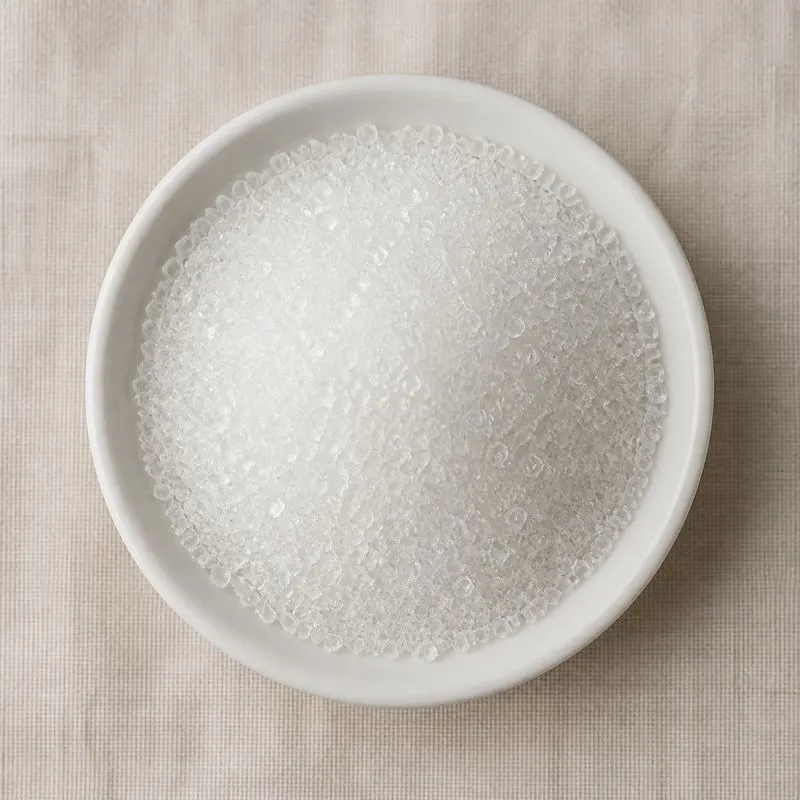
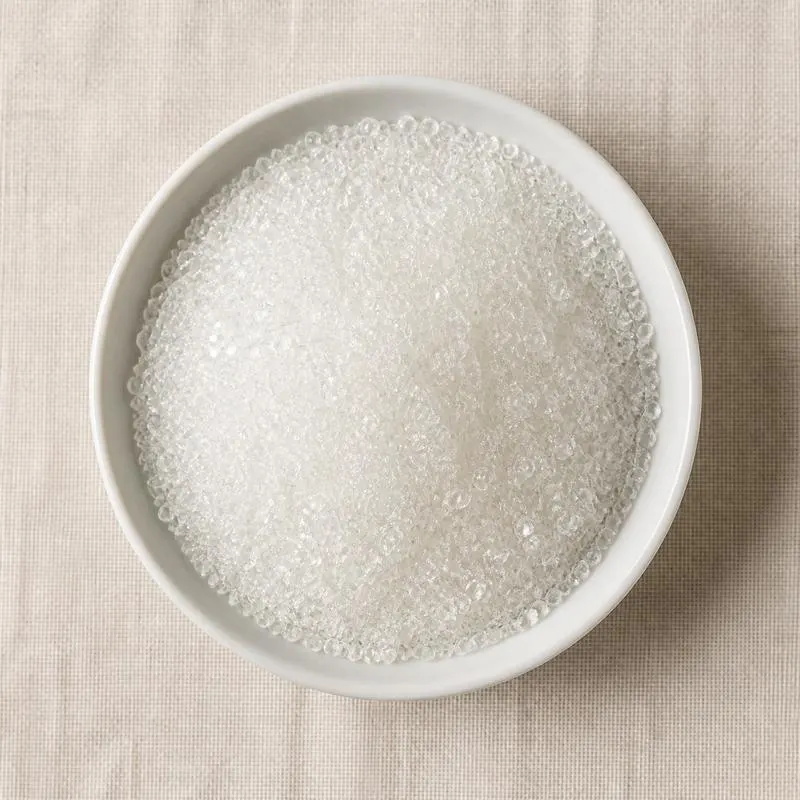
DL-Tartaric Acid
DL-Tartaric Acid is the racemic, synthetically produced form of 2,3-dihydroxybutanedioic acid. It is used as an acidulant, buffering agent, antioxidant synergist, and chelating agent in industrial, technical, and selected food and pharmaceutical applications where chirality is not required.
The compound has the formula C₄H₆O₆ and a molar mass of 150.09 g/mol. As a 1:1 mixture of the (2R,3R) L(+)- and (2S,3S) D(−)- enantiomers, it is optically inactive and shows zero net rotation in polarimetric measurement.
Its two carboxyl groups (pKa values approximately 2.98 and 4.34) give a sharp sour profile broadly similar to the natural L(+)- enantiomer, but its non-natural origin restricts its permitted food uses in many jurisdictions.
We source bulk DL-Tartaric Acid from top China manufacturers for our partners. The manufacturers are in Jiangsu and Zhejiang. A smaller requirement can ship in a combined container with other ingredients.
Please send the grade you need, the volume and your destination port, and we will come back with a solution and a price.
or call +86-21-6858 0751
- Packaging
- 25 kg kraft paper bag with PE inner liner
- ISO 9001
- HACCP
- Halal
- Kosher
Specifications
| Item | Specification |
|---|---|
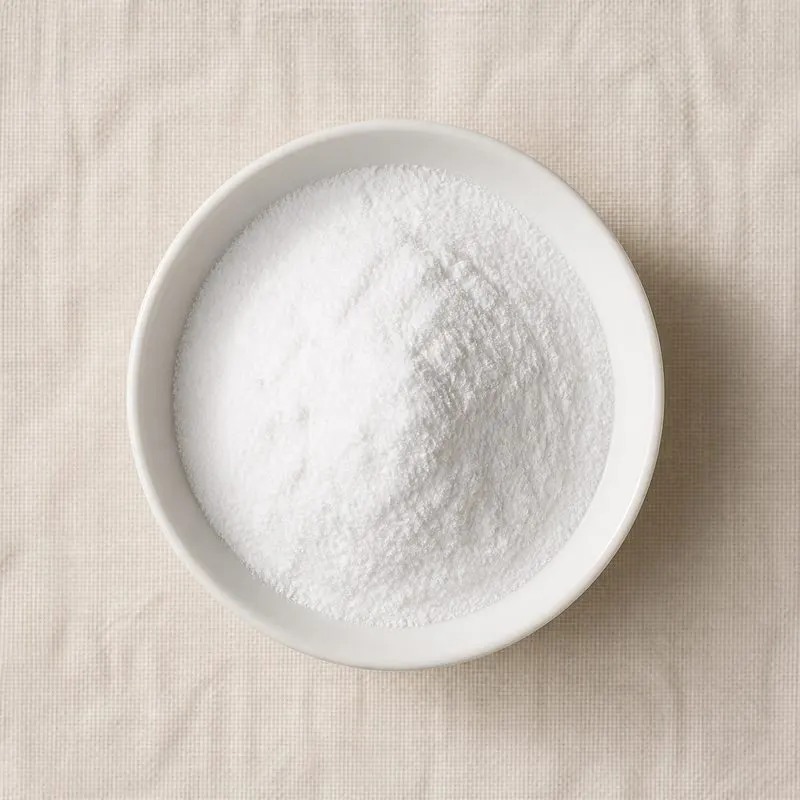
| Appearance | White powder |
| Purity (as C₄H₆O₆) | 99.5% to 100.5% |
| Specific rotation | −0.05° to +0.05° (racemic) |
| Loss on drying | ≤ 0.5% |
| Residue on ignition | ≤ 0.05% |
| Heavy metals (as Pb) | ≤ 10 mg/kg |
| Arsenic | ≤ 3 mg/kg |
| Particle size | Per customer specification |
Common Markets Grades
DL-Tartaric Acid assays at a minimum of 99 percent, with limits on sulfated ash, chloride, sulphate, and heavy metals defined by the relevant technical or pharmacopoeial standard.
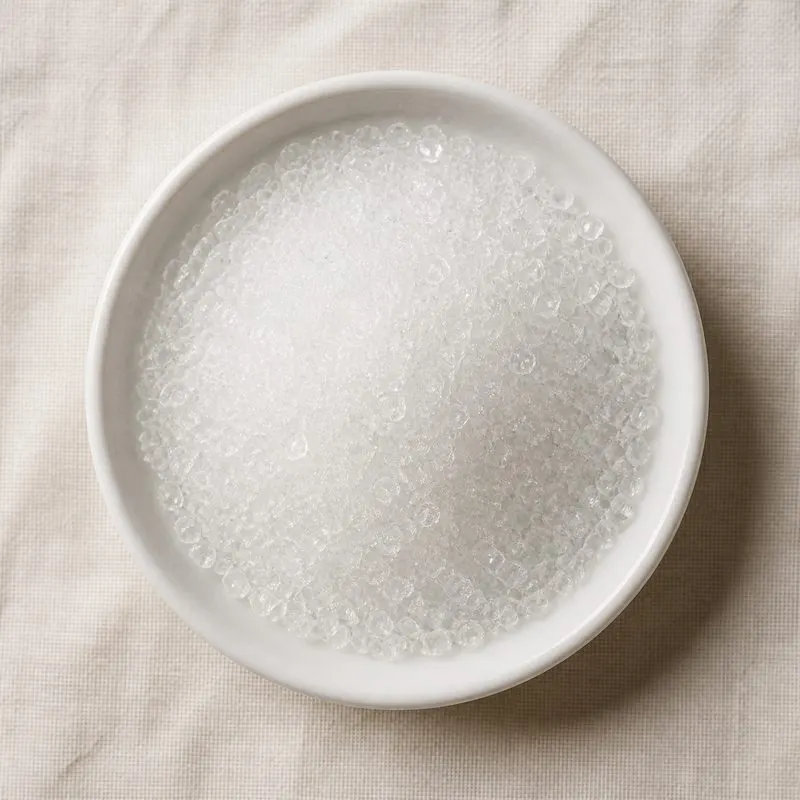
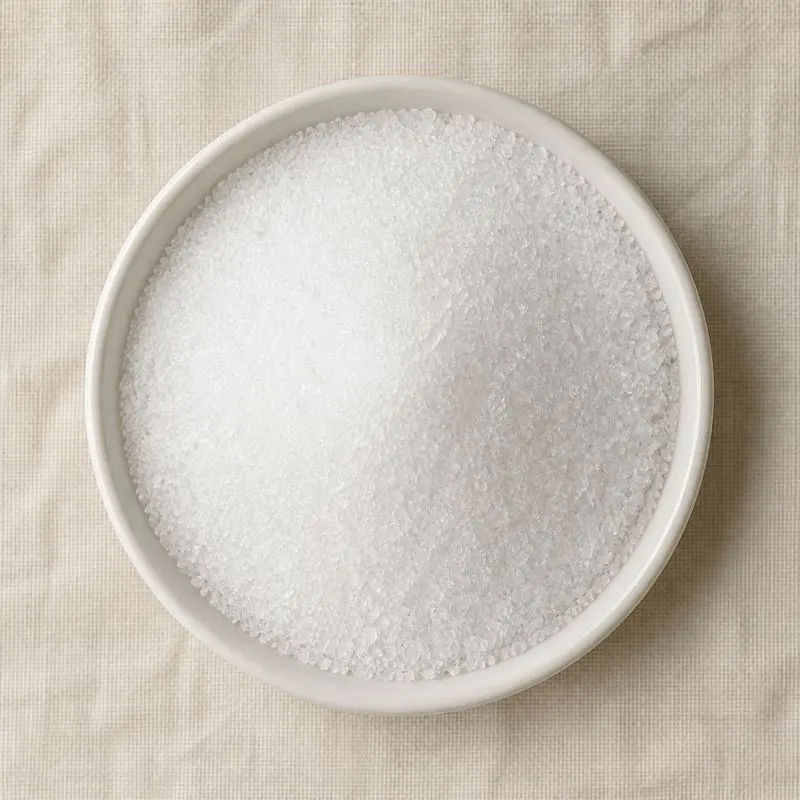
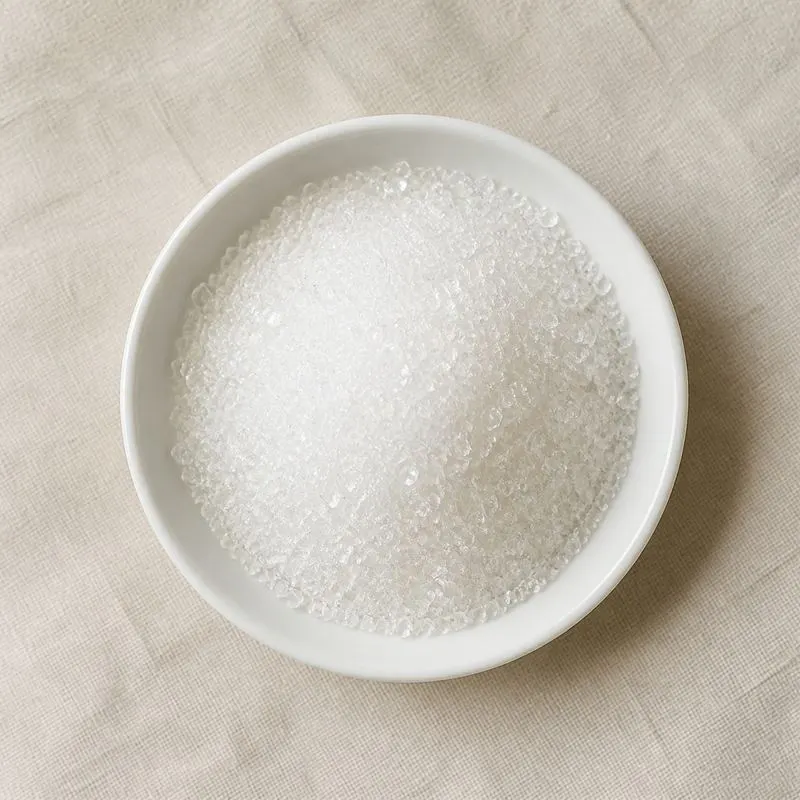
Standard forms include fine powder (60 to 200 mesh), regular granular (30 to 60 mesh), and coarse granular (12 to 30 mesh). Coarse grades favor tableting and effervescent processes; fine grades dissolve more rapidly in cold aqueous systems.
Technical grade is the largest-volume tier and serves construction, metal-finishing, and electroless plating uses. A higher-purity pharmaceutical grade is produced where DL-tartaric acid is used as a counter-ion for racemic-resolution intermediates or as a non-chiral pharmaceutical excipient under monograph specifications.
The DL- form is distinguished from the natural L(+)- enantiomer, the rare D(−)- enantiomer, and the meso diastereomer. Optical rotation of the bulk product is essentially zero, and certificates often report rotation as confirmation of racemic composition.
Food-grade availability of DL-tartaric acid is limited; in markets such as the European Union, only the L(+)- enantiomer carries the E334 food-additive identity, so DL material is generally restricted to non-food or pharmaceutical use.
Applications
- Construction chemistry as a set retarder for plaster, gypsum, and cement systems
- Metal-finishing and electroless plating baths for copper, silver, and gold complexation
- Leather tanning and textile mordanting as a chelating acid
- Cleaning formulations and descalers where chiral identity is not required
- Pharmaceutical chiral resolution as a counter-ion for separating racemic amine intermediates
- Pharmaceutical effervescent formulations and antacid preparations where local monographs allow racemic material
- Photographic and electronic-chemical processing as a sequestrant
- Battery and electrolyte chemistry as a buffering and chelating additive
- Catalyst and complex-formation studies in fine-chemical synthesis
- Concrete-admixture blends to delay early stiffening in hot-weather concreting
- Specialty oil-field and drilling-fluid additives for scale inhibition
- Laboratory reagent for buffer preparation and analytical complexometry
Brands Using DL-Tartaric Acid
Widely-distributed consumer products that list DL-Tartaric Acid on the ingredient label.
- HariboHaribo Twin Snakes (US) ↗Listed: 'GLUCOSE SYRUP, SUGAR, GELATIN, DEXTROSE, CONTAINS LESS THAN 2% OF: CITRIC ACID, TARTARIC ACID, MALIC ACID, ARTIFICIAL AND NATURAL FLAVORS, PALM OIL.' US consumer labels do not distinguish DL from L+ tartaric acid, so DL is a plausible form for mass-market gummy candy.Label verified 2026-05-24
- TrolliTrolli Peachie O's ↗Per WebSearch index of trolli.com: tartaric acid listed alongside citric and fumaric acid in Peachie O's gummies. US mass-market sour candy typically uses synthetic DL form for cost.Label verified 2026-05-24
Brand names, product names and logos are the property of their owners. They appear here as published evidence that the ingredient is used, taken from the brand's own label or website. Their appearance is not an endorsement, and it does not mean the brand buys from us or from any manufacturer listed on this site.
China Manufacturers of DL-Tartaric Acid
Top DL-Tartaric Acid manufacturers in China.
 Changmao Biochemical Engineering Co., Ltd.8 ingredients in the directory
 Ningbo Jinzhan Biotechnology Co., Ltd.3 ingredients in the directory
Company names and logos are the property of the manufacturers themselves. They are listed here because our own directory records them as producing this ingredient. A listing is not an endorsement by them, and we do not represent them or speak on their behalf.
How We Help Source DL-Tartaric Acid
Direct Factory Sourcing
We run the whole process: selecting the manufacturer from the top Chinese food ingredient producers, negotiating the price, verifying quality, and coordinating the logistics. You deal with us instead of with several factories at once.
Original Packaging and Documents from the Manufacturer
The manufacturer sends your DL-Tartaric Acid out of its own factory in the original packing, through to your destination port. The COA, COO, MSDS, TDS and any certifications reach you from the manufacturer as well.
Free Samples and Lead Time
We send 100 to 500 g free for your own laboratory to test and you cover only the courier, usually within 2 to 3 working days. ETD is usually within 7 to 15 days once the order is confirmed, and we check that date against the factory's own manufacturing schedule before we give it to you.
Combined Shipment
We can load DL-Tartaric Acid together with other ingredients such as Calcium Acetate, Citric Acid and Glucono-Delta-Lactone into one 20' FCL. If your quantity is small, we can also ship LCL.
Regulatory Status
DL-Tartaric Acid is regulated differently from its natural L(+)- enantiomer, and food-additive permissions are narrower.
In the European Union, the E334 food-additive listing under Regulation (EC) No 1333/2008 covers L(+)-tartaric acid only. DL-tartaric acid does not qualify for E334 use in foods and is restricted to non-food, technical, and pharmaceutical applications.
The U.S. Food and Drug Administration recognises tartaric acid as Generally Recognized as Safe under 21 CFR 184.1099 without an explicit stereochemical restriction, but commercial food use overwhelmingly relies on L(+)- material, and DL- material is sold into pharmaceutical and industrial channels.
JECFA has evaluated tartaric acid with the focus on the natural L(+)- enantiomer and has not granted equivalent food status to the racemic synthetic material.
Pharmacopoeial monographs for tartaric acid in the United States Pharmacopeia (USP), the European Pharmacopoeia (Ph. Eur.), the British Pharmacopoeia (BP), and the Japanese Pharmacopoeia (JP) specify the L(+)- form for medicinal use; DL-tartaric acid is sold under separate technical or in-house specifications. Halal and Kosher certifications exist for synthetic DL material on request.
Manufacturing Process
DL-Tartaric Acid is produced synthetically rather than recovered from natural sources, which is the key economic reason it exists as a distinct grade alongside the wine-derived L(+)- form.
The dominant industrial route starts from maleic anhydride or maleic acid. Hydrogen peroxide epoxidation in the presence of a tungstate catalyst yields cis-2,3-epoxysuccinic acid, which is then hydrolysed under acidic or basic conditions.
Hydrolysis of the epoxide proceeds with attack at both faces of the oxirane ring, so the product is an equimolar mixture of (2R,3R) and (2S,3S) tartaric acid, plus a variable amount of meso-tartaric acid that is removed during crystallisation.
The crude tartaric solution is decolorised over activated carbon, concentrated, and crystallised to give DL-tartaric acid. The mother liquors are reworked to recover meso-tartaric acid and residual product, and the final solid is centrifuged, dried, and sieved to the specified particle-size distribution.