Dandelion Protein Peptide
Dandelion Protein Peptide is a plant protein hydrolysate produced from the leaf and root of dandelion, Taraxacum officinale and the related Taraxacum mongolicum used in Chinese herbal practice. Protein is extracted from the dried herb and then cut with proteases into short peptides, most of the pool falling below 1000 daltons.
The ingredient occupies an unusual position because dandelion is traded far more often as a botanical extract, standardised on chicoric acid, chlorogenic acid and inulin, than as a protein source. A dandelion protein peptide is therefore normally a composite ingredient: the peptide fraction carries the nitrogen and the residual polyphenol content carries much of the positioning. Suppliers commonly declare both a peptide assay and a total polyphenol figure.
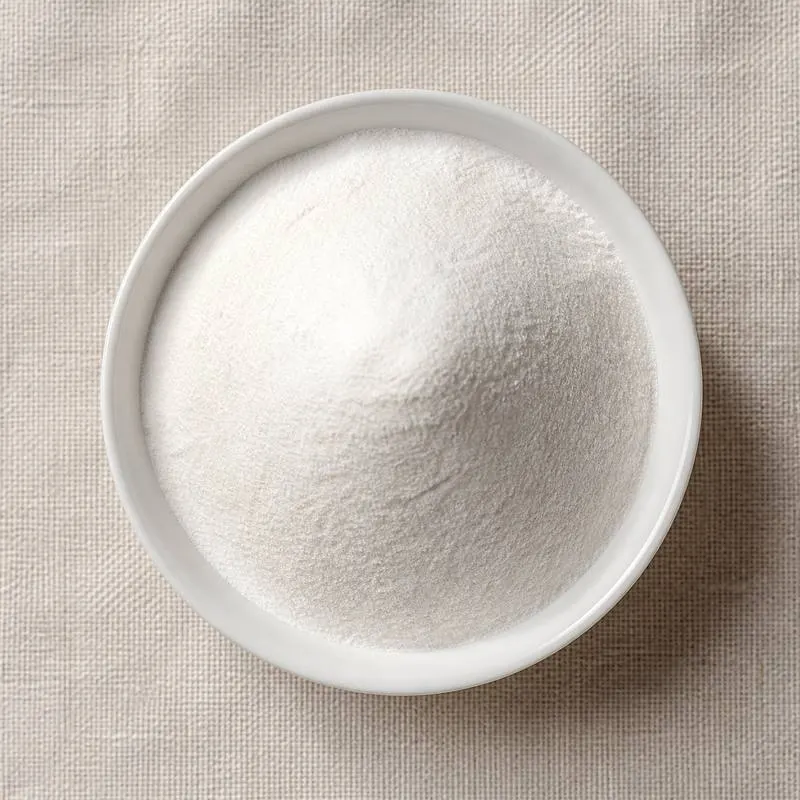
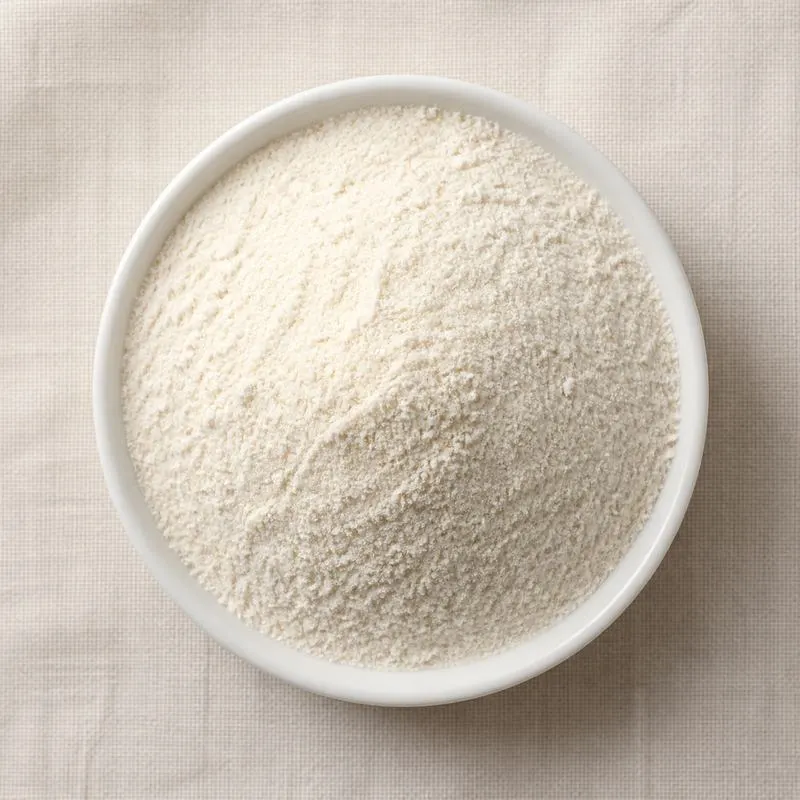
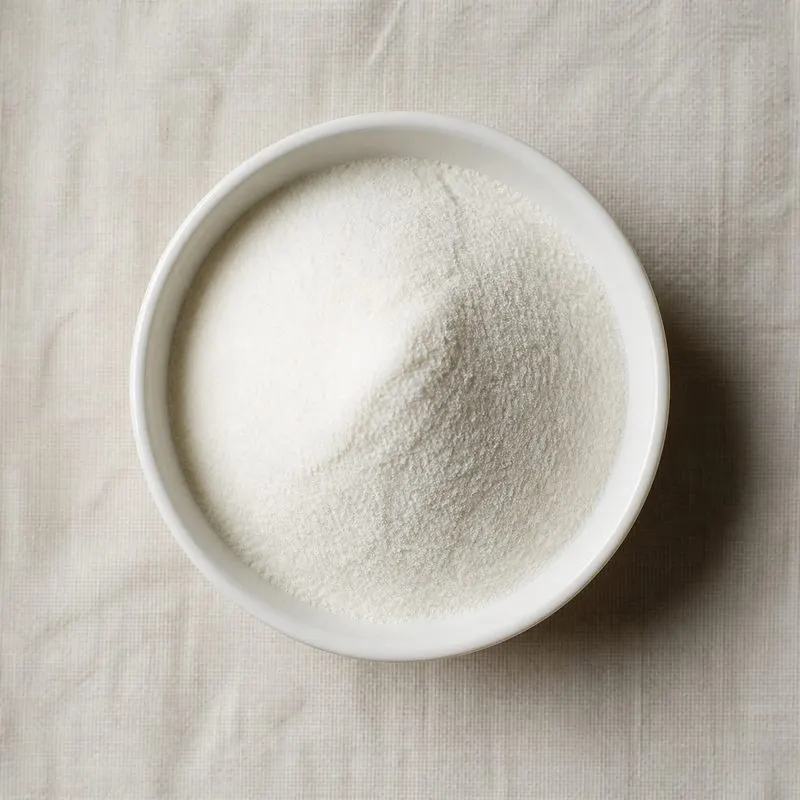
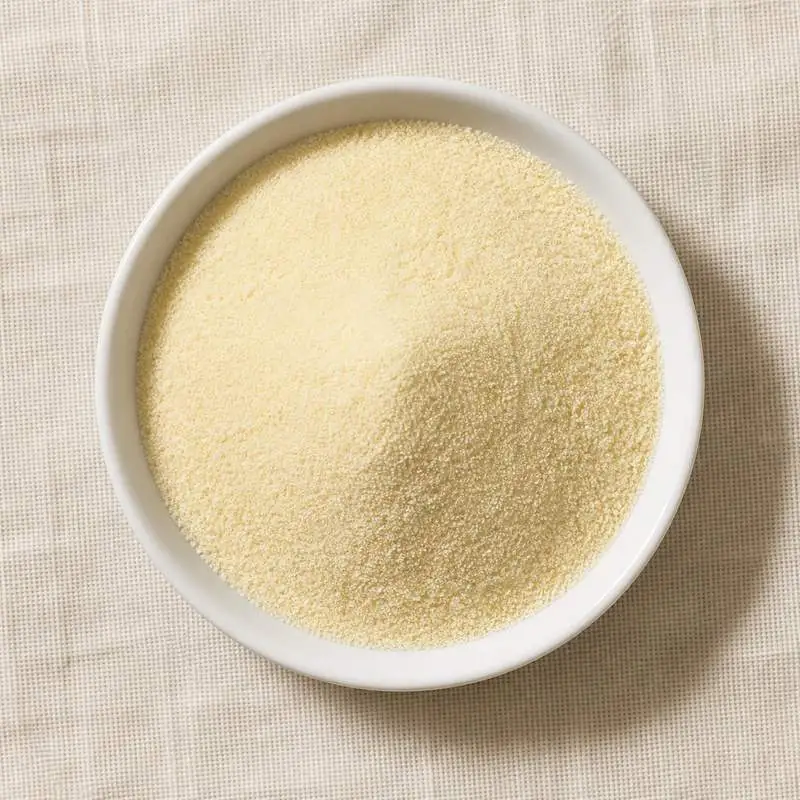
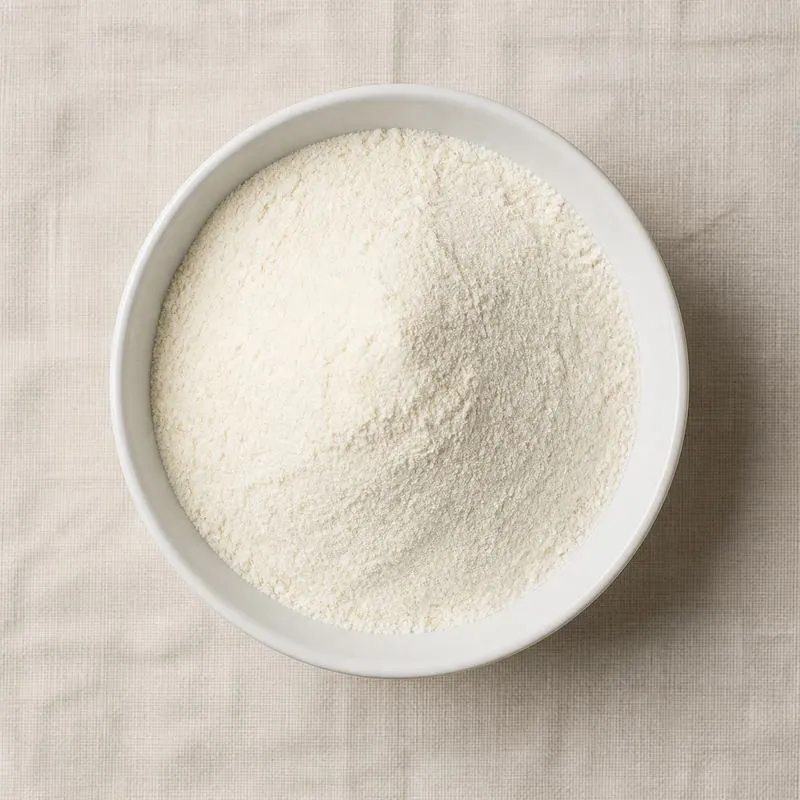
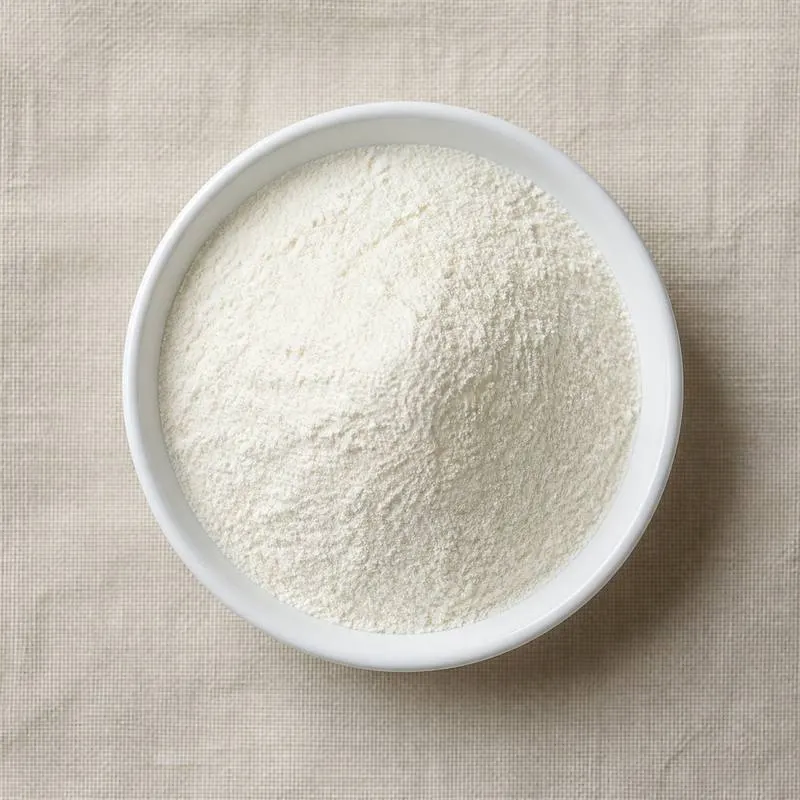
The material is a light brown to greenish brown spray-dried powder, the colour coming from residual plant pigments and phenolics rather than from the peptide itself. It disperses and dissolves readily in cold water, giving a slightly hazy solution with a characteristic bitter and grassy taste that reflects both the sesquiterpene lactones of the plant and the hydrophobic peptides released during hydrolysis. Bitterness is the principal formulation constraint and largely confines the material to capsules and flavoured formats.
We source bulk Dandelion Protein Peptide from top China manufacturers for our partners. The manufacturer is in Shandong. A smaller requirement can ship in a combined container with other ingredients.
Please send the grade you need, the volume and your destination port, and we will come back with a solution and a price.
or call +86-21-6858 0751
- Function
- Protein
Specifications
| Item | Specification |
|---|---|
| Appearance | Light brown to greenish brown fine powder |
| Odour and taste | Characteristic herbal note, distinctly bitter |
| Identification | Conforms by thin layer chromatography against dandelion reference |
| Peptide content, dry basis | Minimum 50.0 percent |
| Protein, N x 6.25, dry basis | Minimum 60.0 percent |
| Fraction below 1000 daltons | Minimum 70.0 percent |
| Total polyphenols | Minimum 2.0 percent |
| Loss on drying | Maximum 7.0 percent |
| Ash | Maximum 10.0 percent |
| Solubility in water | Minimum 90.0 percent |
| pH, 1 percent solution | 5.0 to 7.0 |
| Lead | Maximum 1.0 mg per kg |
| Arsenic | Maximum 1.0 mg per kg |
| Cadmium | Maximum 0.5 mg per kg |
| Total plate count | Maximum 10,000 CFU per gram |
| Yeast and mould | Maximum 100 CFU per gram |
| E. coli | Negative per gram |
| Salmonella | Negative per 25 gram |
Common Markets Grades
Grading is loose compared with mainstream plant peptides, because output volumes are small and specifications vary between producers. The main distinctions are the plant part used, leaf giving a greener powder with more chlorophyll and root giving a browner powder with more inulin, and the declared peptide content, which typically runs from 40 percent in lightly refined material to 70 percent or more in ultrafiltered and desalted grades.
Molecular weight grades are quoted on the proportion of the pool below 1000 daltons, normally a minimum of 70 to 80 percent. Where the material is sold on its botanical credentials rather than its protein, a co-declared total polyphenol or chicoric acid figure appears alongside the peptide assay. Decolourised grades polished over activated carbon are produced for liquid formats, at the cost of removing much of the polyphenol content, which is a trade-off buyers need to resolve before specifying. Organic certified material grown to organic standards is available in limited quantity. Nearly all output is food or supplement grade rather than bulk food protein.
Applications
- Capsules and tablets in liver support and detoxification supplement ranges, following the traditional use of the whole herb
- Herbal compound formulations, where the peptide replaces coarse dandelion powder for better solubility
- Instant granules and solid drinks dissolved in hot water, a common format in Chinese health food
- Women's health and lactation support blends, an established traditional application for dandelion
- Functional teas and infusions, where the powder is blended with dried herb material
- Digestive and bitter tonic preparations, where the characteristic bitterness is part of the intended effect
- Cosmetic serums and creams, where plant peptides and polyphenols are used together for antioxidant positioning
- Pet supplements aimed at urinary and liver support
China Manufacturers of Dandelion Protein Peptide
Top Dandelion Protein Peptide manufacturers in China.

Company names and logos are the property of the manufacturers themselves. They are listed here because our own directory records them as producing this ingredient. A listing is not an endorsement by them, and we do not represent them or speak on their behalf.
Regulatory Status
In the United States, dandelion is listed among the substances generally recognized as safe for use as a natural flavouring and seasoning in Title 21 of the Code of Federal Regulations Part 182, and the herb has a long food use history in salads, teas and roasted root beverages. A protein hydrolysate prepared from it would be handled as a dietary ingredient in supplements or as a conventional food ingredient, without a specific food additive regulation of its own.
In the European Union, dandelion root and herb have a recognised traditional use and appear in monographs issued by the European Medicines Agency for traditional herbal medicinal products, which sits alongside rather than inside food law. As a food ingredient the peptide carries no E number because it is not an additive. A specific protein hydrolysate preparation without significant consumption in the Union before May 1997 would fall to be assessed under the novel food framework of Regulation EU 2015/2283, whereas the herb itself is not novel. Several member states regulate dandelion in food supplements through national botanical lists. Codex has no commodity standard for the ingredient and JECFA has not evaluated it.
Manufacturing Process
The feedstock is dried dandelion herb, either whole plant, leaf or root, cleaned and milled. The powder is extracted in warm alkaline water, which solubilises the leaf and root protein while leaving the fibrous cell wall material behind, and a cellulase or pectinase pretreatment is often applied first to break down the cell wall and raise protein yield. The extract is separated from the solids by decanter centrifuge and filter press.
Protein may be recovered by isoelectric precipitation before hydrolysis, or the extract may be hydrolysed directly. Proteases are added, usually an alkaline bacterial protease followed by a neutral protease or exopeptidase to reduce bitterness, and hydrolysis runs at controlled pH and temperature until the target degree of hydrolysis is reached, after which the enzymes are heat inactivated. The liquor is clarified, passed through ultrafiltration to fix the molecular weight distribution, and optionally treated over activated carbon or resin to reduce colour and bitterness. The polished concentrate is evaporated under vacuum and spray dried, sometimes on a maltodextrin carrier where the natural solids are too hygroscopic to dry cleanly.