Denatured Pre-Gelatinized Starch
Denatured pre-gelatinized starch, more usually described in English as modified pregelatinised starch, is a starch that has been both chemically modified and physically precooked, so that it hydrates and builds viscosity in cold water without any heating step. The name combines the two treatments: modification, which alters the starch molecule to change how it behaves once hydrated, and pregelatinisation, which cooks and dries the granule so that its crystalline order is already destroyed.
Native starch granules are insoluble in cold water and must be heated past their gelatinisation temperature before they swell and thicken. Pregelatinisation performs that cooking during manufacture and dries the paste back to a powder, leaving a material that swells instantly on contact with water. The chemical modification, usually crosslinking with phosphate or adipate reagents, substitution by acetylation or hydroxypropylation, or a combination of the two, then determines whether the hydrated paste resists shear and acid, whether it stays clear, and whether it holds its texture through freezing and thawing rather than retrograding into a weeping gel.
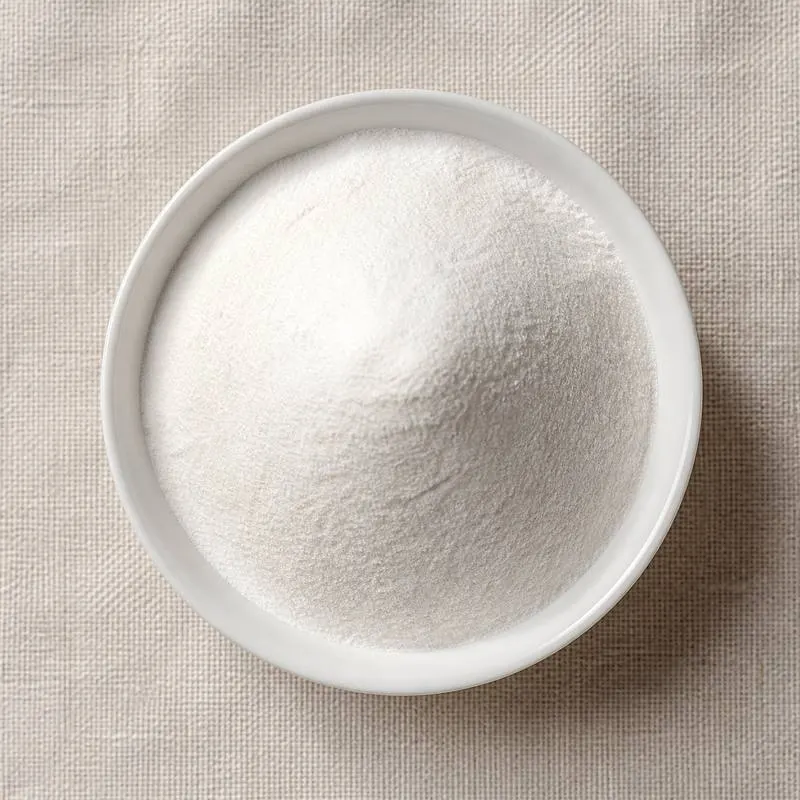
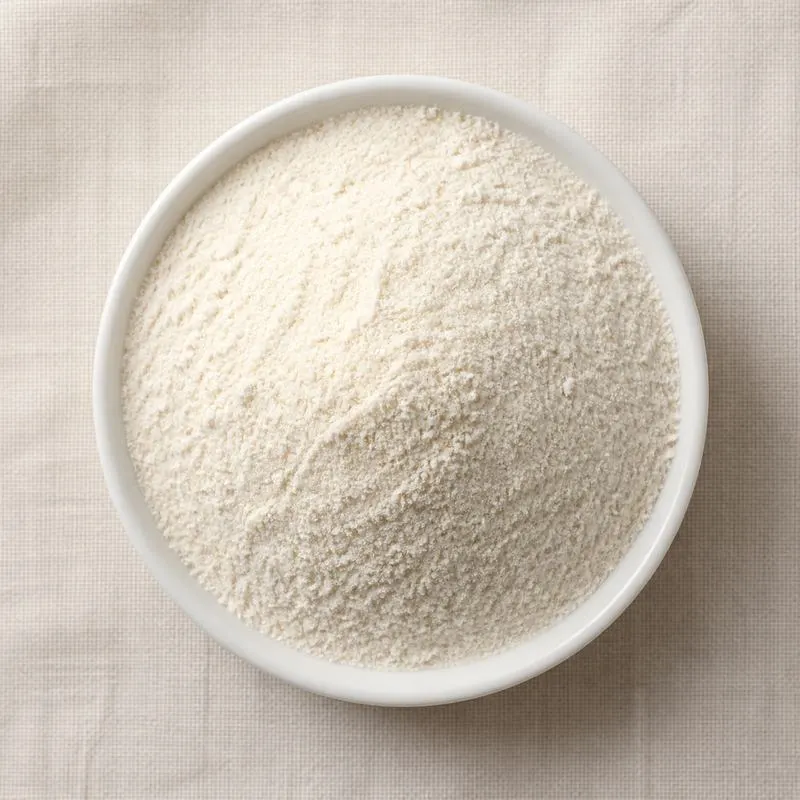
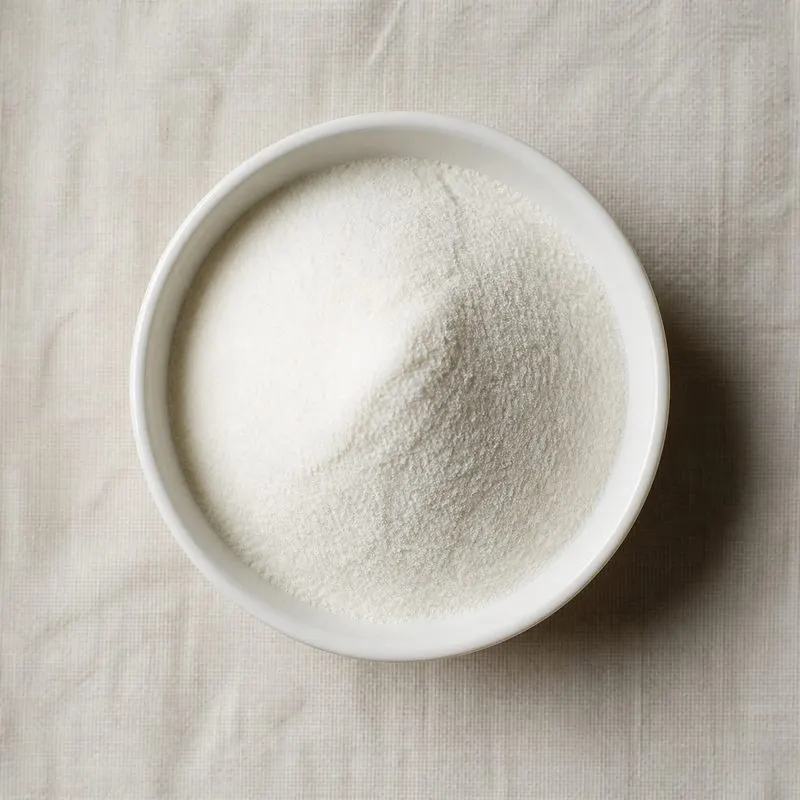
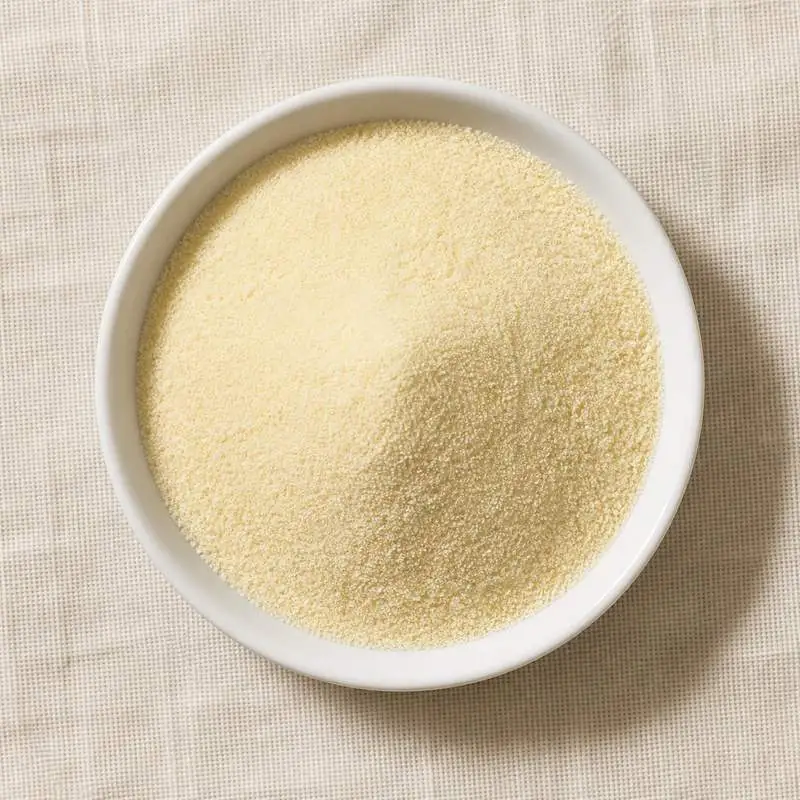
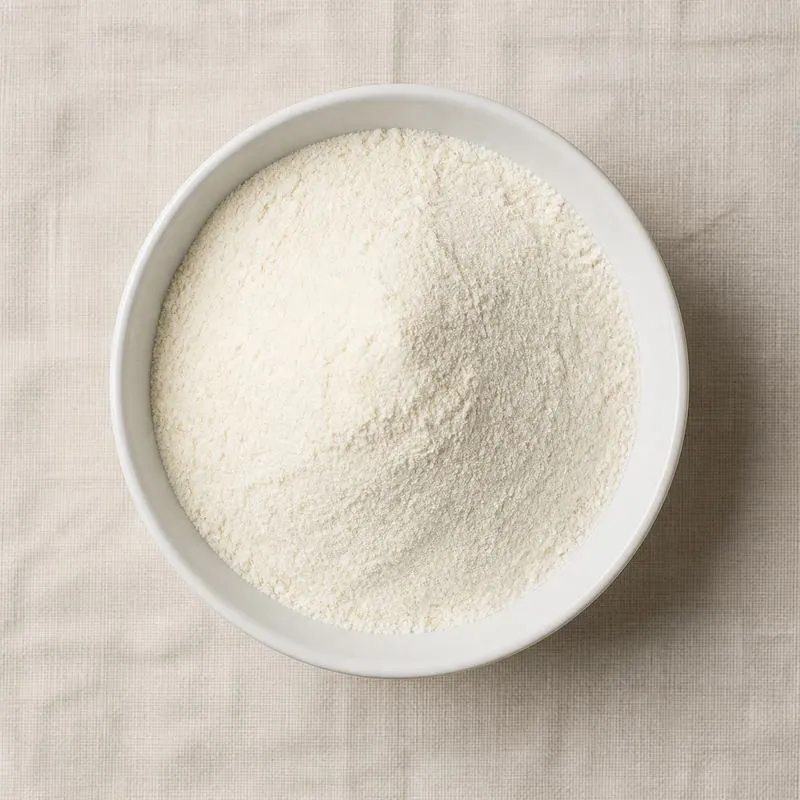
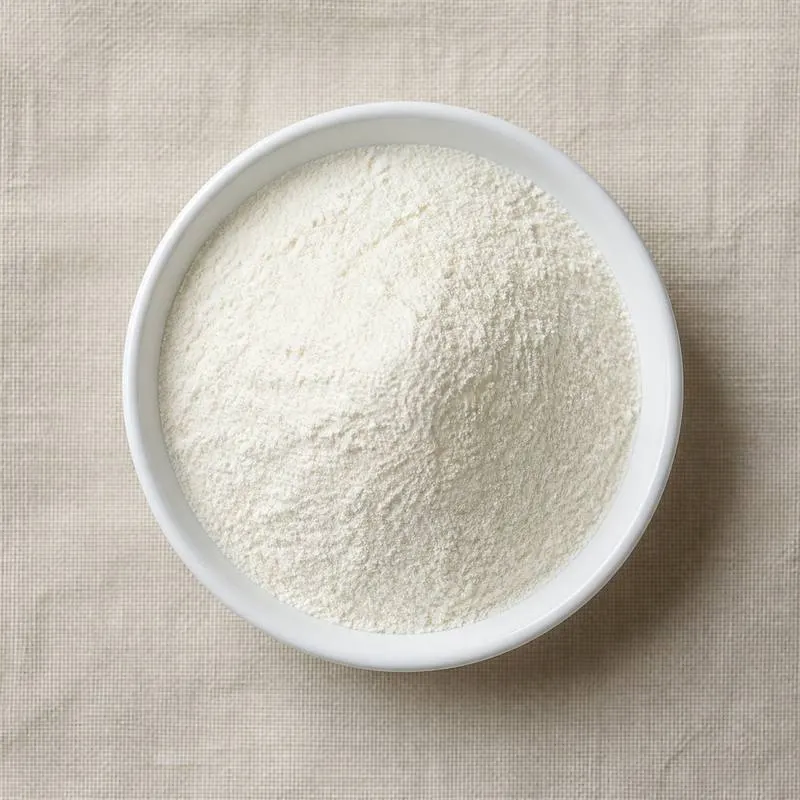
The product is a white to off white powder or flakes, tasteless and odourless, dispersing to a smooth viscous paste in cold water. Dispersion technique matters more than for other hydrocolloids, since the fast hydration causes lumping unless the powder is dry blended with sugar or added under shear.
We source bulk Denatured Pre-Gelatinized Starch from top China manufacturers for our partners. The manufacturer is in Zhejiang. A smaller requirement can ship in a combined container with other ingredients.
Please send the grade you need, the volume and your destination port, and we will come back with a solution and a price.
or call +86-21-6858 0751
- Function
- Protein
Specifications
| Item | Specification |
|---|---|
| Appearance | White to off white powder or flake, free from foreign matter |
| Odour and Taste | Odourless, bland |
| Identification | Positive iodine test, microscopic structure conforms to pregelatinised starch |
| Starch Content (dry basis) | Not less than 97.0 percent |
| Cold Water Viscosity | Declared by grade, tested at stated concentration and temperature |
| Cold Water Solubility | Not less than 85.0 percent |
| Loss on Drying | Not more than 10.0 percent |
| Ash | Not more than 0.5 percent |
| Protein | Not more than 0.5 percent |
| pH (10 percent slurry) | 5.0 to 7.5 |
| Residual Phosphate (as P) | Not more than 0.4 percent |
| Propylene Chlorohydrin | Not more than 1 mg/kg |
| Sulphur Dioxide | Not more than 50 mg/kg |
| Particle Size | Passes 80 mesh, not less than 95 percent |
| Lead | Not more than 0.5 mg/kg |
| Arsenic | Not more than 0.5 mg/kg |
| Total Plate Count | Not more than 10000 cfu/g |
| Yeast and Mould | Not more than 100 cfu/g |
| Salmonella | Negative in 25 g |
Common Markets Grades
Grades are defined first by botanical base. Waxy maize starch, which is almost entirely amylopectin, gives clear pastes that resist retrogradation and dominates the food trade. Tapioca gives a clean flavour and a long, cohesive texture. Potato gives high viscosity and clarity but is more shear sensitive. Regular maize and wheat give shorter, opaque pastes and are used where a set rather than a smooth flow is wanted.
The second axis is the modification itself. Crosslinked grades resist the loss of viscosity that occurs under acid, heat and mechanical shear, and are chosen for products that are pumped or held at low pH. Stabilised grades, acetylated or hydroxypropylated, resist retrogradation and syneresis and are chosen for frozen and chilled products. Dual modified grades carry both treatments and cover most industrial requirements. Beyond chemistry, grades differ in the drying route, drum dried material giving flakes that are milled to a coarse, quickly dispersing powder, and spray or extrusion dried material giving finer, more uniform particles, and in viscosity, which is specified as a Brookfield reading at a stated concentration and is the number the buyer actually orders against.
Applications
- Instant desserts, puddings and custards prepared by stirring powder into cold milk
- Instant soups, sauces and gravy mixes that must thicken on hot water addition without cooking out
- Bakery creams and fillings prepared cold, where a heating step is impractical
- Frozen and chilled ready meals, using stabilised grades that survive freeze thaw cycling without weeping
- Acidic sauces and dressings, where crosslinked grades hold viscosity at low pH
- Extruded snacks and breakfast cereals, as a binder and expansion aid
- Batter and coating systems, improving pick up and adhesion before frying
- Meat and surimi products, where the starch binds water and improves sliced texture
- Tablet manufacture, as a binder and disintegrant in direct compression
- Pet food and aquaculture feed, as a binder holding extruded and pelleted forms together
China Manufacturers of Denatured Pre-Gelatinized Starch
Top Denatured Pre-Gelatinized Starch manufacturers in China.
Company names and logos are the property of the manufacturers themselves. They are listed here because our own directory records them as producing this ingredient. A listing is not an endorsement by them, and we do not represent them or speak on their behalf.
Regulatory Status
In the United States modified food starches are permitted food additives listed in Title 21 of the Code of Federal Regulations, which names each authorised treatment, sets the maximum reagent use levels and specifies the residue limits for the modified starch. Pregelatinisation is a physical treatment that does not itself require additive authorisation. Modified food starch is declared on the ingredient list by that name, and where the base starch is wheat it must also be declared as a wheat derived ingredient under the allergen rules. Starch from bioengineered maize may attract a bioengineered food disclosure.
In the European Union modified starches are food additives with E numbers in the E 1400 series, each corresponding to a specific treatment, for example acetylated distarch phosphate and hydroxypropyl distarch phosphate. They are authorised under the food additives regulation, in most food categories at quantum satis, and their identity and purity criteria including residual reagent limits are set out in the specifications regulation. Physically modified starches such as plain pregelatinised starch are treated as food ingredients rather than additives. JECFA has evaluated the modified starches and Codex includes them in the general standard for food additives, with specifications published for the individual treatments.
Manufacturing Process
Manufacture is a two stage operation. Native starch slurry, typically waxy maize or tapioca at around 40 percent solids, is first modified in a stirred reactor. The pH is raised with alkali and the reagent is dosed: sodium trimetaphosphate or phosphorus oxychloride for crosslinking, acetic anhydride for acetylation, propylene oxide for hydroxypropylation. Reaction is held at controlled temperature and pH for a defined period, then the slurry is neutralised with acid and washed repeatedly on hydrocyclones or a rotary vacuum filter to remove salts, unreacted reagent and reaction by products, which is the step that determines whether the residual reagent limits are met.
The washed modified slurry is then pregelatinised. In drum drying it is fed onto steam heated rolls, where it cooks and dries in a single pass in a few seconds, and the dried film is scraped off as flake and milled to the target particle size. In extrusion the slurry or moist powder is cooked under pressure and shear in a twin screw extruder and dried afterwards. Spray cooking, in which the starch is jet cooked and then spray dried, gives the finest and most uniform particle and the least damaged molecule. Finished powder is sieved, checked for metal, blended to a uniform viscosity specification and packed with a moisture barrier.