Hydroxypropyl Distarch Phosphate
Hydroxypropyl distarch phosphate is a dual modified food starch that has been both cross-linked with a phosphate reagent and etherified with propylene oxide. It is listed as INS 1442 and as E1442 in the European additive list, and is the most widely used stabilised starch in processed food.
The two modifications solve complementary problems. Cross-linking ties neighbouring starch chains together with phosphate diester bridges, which reinforces the swollen granule so it survives retort sterilisation, low pH and pump or homogeniser shear without collapsing into a thin stringy liquor. Hydroxypropylation attaches bulky ether groups that hold the chains apart, lowering the gelatinisation temperature and preventing the amylose re-association that causes a cooked starch to firm up, cloud and weep water during chilled or frozen storage. Neither treatment alone gives both properties, which is why the combination dominates.
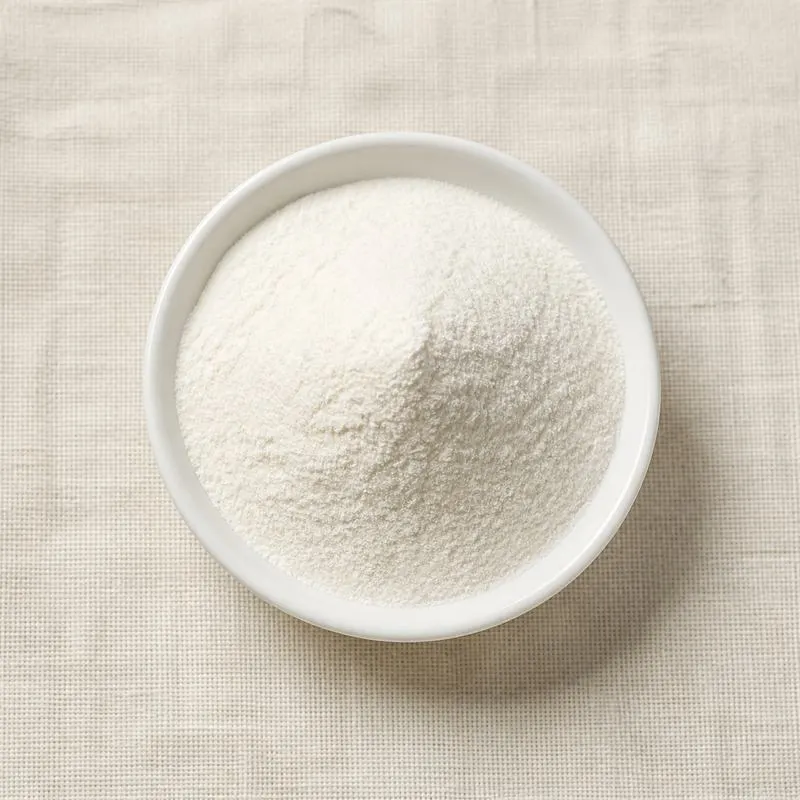
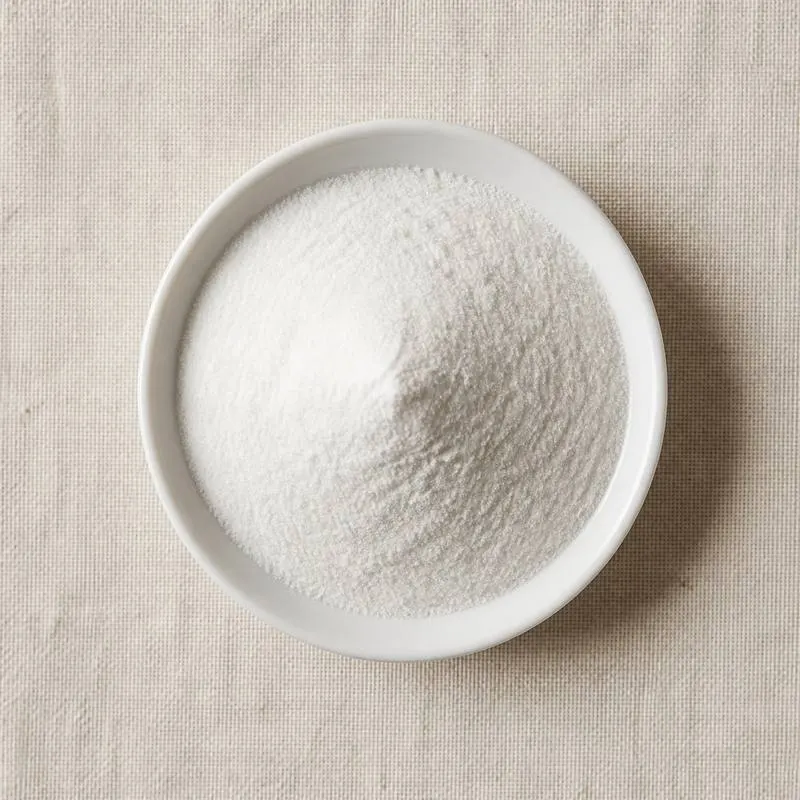
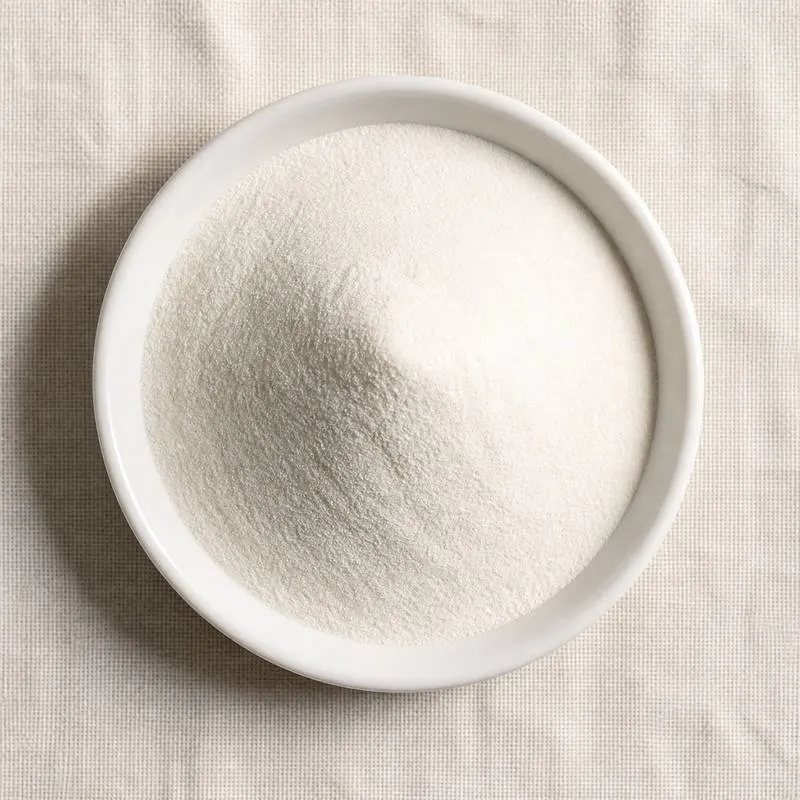
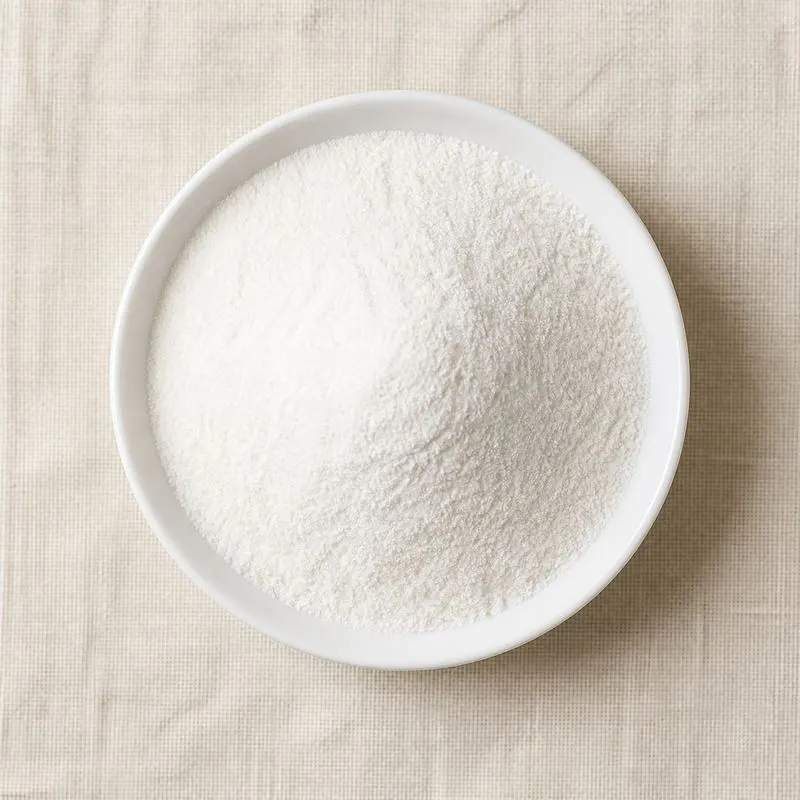
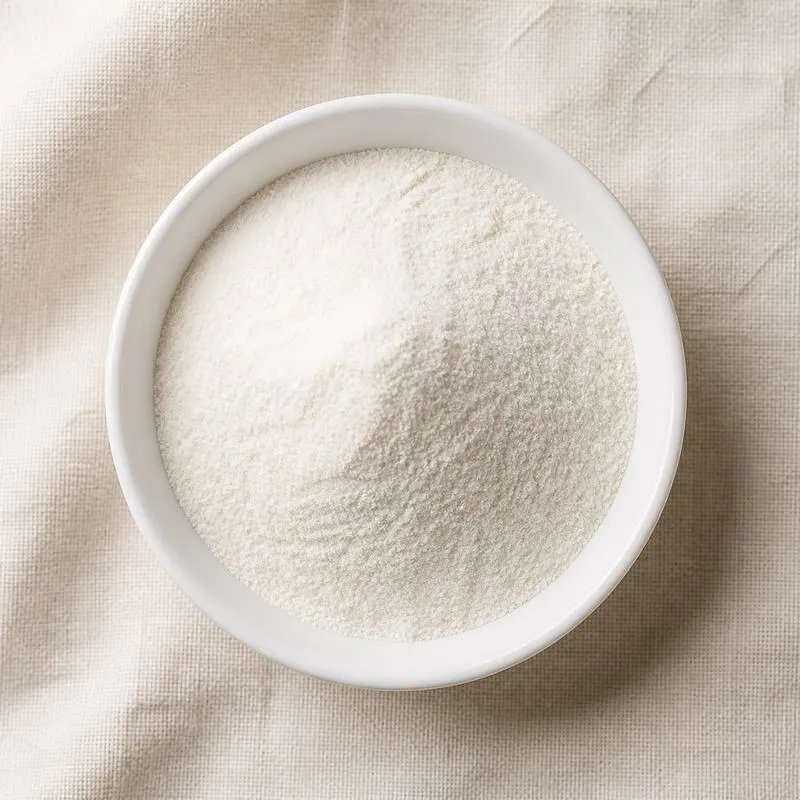
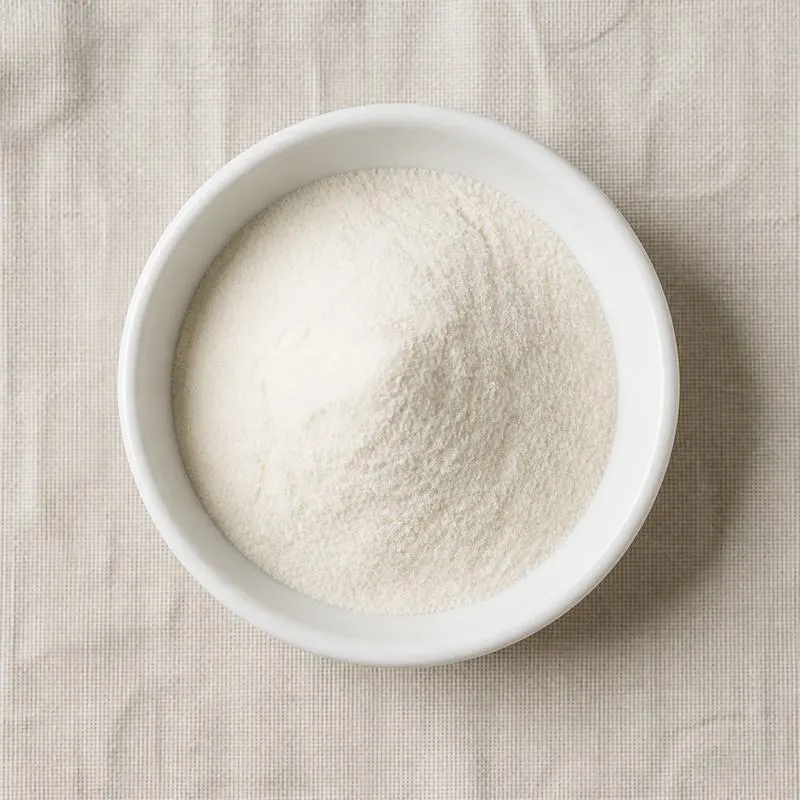
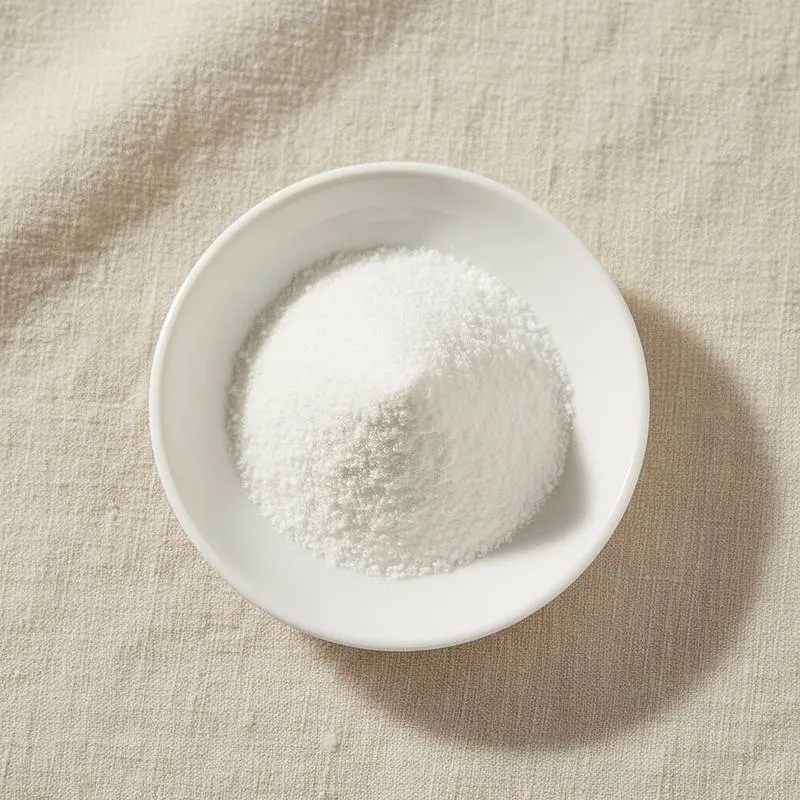
It is a white free-flowing powder, insoluble in cold water in granular form and requiring heat to hydrate, with the required cook temperature rising as the cross-link level rises. Pastes are smooth, of medium to long texture, moderately clear and notably resistant to syneresis. A drum-dried pregelatinised version thickens directly in cold water.
We source bulk Hydroxypropyl Distarch Phosphate from top China manufacturers for our partners, working with several of them. The manufacturers are in Jiangsu and Guangdong. A smaller requirement can ship in a combined container with other ingredients.
Please send the grade you need, the volume and your destination port, and we will come back with a solution and a price.
or call +86-21-6858 0751
Specifications
| Item | Specification |
|---|---|
| Appearance | White to off-white free-flowing powder |
| Odour and Taste | Bland, free of foreign odour |
| Identification | Positive starch reaction with iodine solution |
| Hydroxypropyl Groups | Not more than 7.0% |
| Residual Phosphate, as P | Not more than 0.4% |
| Propylene Chlorohydrin | Not more than 1 mg/kg |
| Moisture | Not more than 14.0% |
| pH, 10% slurry | 5.0 to 7.5 |
| Ash, sulphated | Not more than 0.5% |
| Whiteness | Not less than 90 |
| Particle Size | Not less than 99% through 100 mesh |
| Sulphur Dioxide | Not more than 30 mg/kg |
| Lead | Not more than 0.5 mg/kg |
| Arsenic | Not more than 0.5 mg/kg |
| Total Plate Count | Not more than 10,000 CFU/g |
| Yeast and Mould | Not more than 100 CFU/g |
| Salmonella | Absent in 25 g |
Common Markets Grades
Grades are described by base starch and by cross-link level rather than by a single assay. Waxy maize and tapioca bases give the clearest and most neutral pastes and dominate dairy, dessert and sauce use; common maize gives a more opaque short body; potato gives high peak viscosity and a long cohesive texture. Cross-link level is offered in tiers, from lightly cross-linked material that develops viscosity in ordinary atmospheric cooking to heavily cross-linked grades intended for retort processing, which barely swell at boiling temperature.
Powder is standard at 100 or 200 mesh, and pregelatinised cold-swelling grades are widely traded for instant and cold prepared products. Non-genetically-modified declarations follow the base starch, and tapioca-based material is often specified where a maize-free or allergen-free declaration is wanted. Hydroxypropyl substitution is capped at the regulatory ceiling in all food grades, so lots differ in cross-linking and physical form rather than in substitution level.
Applications
- Retorted soups, sauces and canned meals, holding viscosity through sterilisation without breaking down
- Chilled and frozen ready meals, resisting the water separation that follows freeze and thaw cycling
- Fruit preparations for yoghurt, where acid and shear during pumping would destroy a native starch
- Dairy desserts, custards and puddings, giving a smooth spoonable body that holds through shelf life
- Salad dressings and emulsified sauces, providing acid stable viscosity in the continuous phase
- Infant and toddler purees, tolerating severe sterilisation while keeping a smooth texture
- Processed meat, poultry and seafood, binding water through cooking, chilling and reheating
- Bakery fillings and creams that are baked and then stored refrigerated
- Instant soups and sauce powders in pregelatinised form for cold or hot water reconstitution
- Frozen batters and coatings, keeping the coating layer intact through freezing and reheating
Brands Using Hydroxypropyl Distarch Phosphate
Widely-distributed consumer products that list Hydroxypropyl Distarch Phosphate on the ingredient label.
- Four'N TwentyAngus Beef Cheese and Bacon Pie ↗The cheese sauce in this pie lists Thickeners (1442, 415), 1442 being the INS number for hydroxypropyl distarch phosphate.Label verified 2026-09-01
- Four'N TwentyTraveller Philly Cheesesteak ↗Hydroxypropyl distarch phosphate is declared as Thickener (1442) in the cream cheese component of the filling.Label verified 2026-09-01
- Nanna'sFrench Style Crepes 400g ↗The crepe batter lists Thickeners (1442, 412), 1442 being the INS number for hydroxypropyl distarch phosphate.Label verified 2026-09-01
- Nanna'sSnack Salted Caramel Pies 4pk ↗The salted caramel filling declares Thickener (1442), the INS number for hydroxypropyl distarch phosphate.Label verified 2026-09-01
Brand names, product names and logos are the property of their owners. They appear here as published evidence that the ingredient is used, taken from the brand's own label or website. Their appearance is not an endorsement, and it does not mean the brand buys from us or from any manufacturer listed on this site.
China Manufacturers of Hydroxypropyl Distarch Phosphate
Top Hydroxypropyl Distarch Phosphate manufacturers in China.
 Foshan Gaofeng Starch Technology Co., Ltd.1 ingredient in the directory
- Jiangsu Tianjiang Biotechnology Co., Ltd.6 ingredients in the directory
 NanTong GaoFeng Biotechnology Co., Ltd.10 ingredients in the directory
 Suzhou Gaofeng Biotechnology Co., Ltd.11 ingredients in the directory
Company names and logos are the property of the manufacturers themselves. They are listed here because our own directory records them as producing this ingredient. A listing is not an endorsement by them, and we do not represent them or speak on their behalf.
Regulatory Status
In the United States the food starch-modified regulation at 21 CFR 172.892 permits the substance; it covers treatment with sodium trimetaphosphate or phosphorus oxychloride and with propylene oxide, caps the residual phosphate and the propylene chlorohydrin content, and requires the conditions attached to each treatment to be met when both are applied. It is declared on the label as modified food starch.
In the European Union it is authorised as E1442 hydroxypropyl distarch phosphate under the food additives regulation, with purity criteria limiting hydroxypropyl groups, residual phosphate, propylene chlorohydrin, sulphur dioxide and heavy metals. Like other modified starches it is generally permitted at quantum satis in the food categories where modified starches are allowed, and is declared in the ingredient list as modified starch. Its use in foods for infants and young children is restricted to defined categories and levels rather than being open. Codex and JECFA recognise the substance as INS 1442, with JECFA specifications applying the same reagent and residue controls.
Manufacturing Process
Refined starch is slurried in water at roughly 35 to 42 percent solids and adjusted to pH 10 to 11.5 with sodium hydroxide, with sodium sulphate or sodium chloride added to suppress granule swelling at that alkalinity. The cross-linking reagent, sodium trimetaphosphate or phosphorus oxychloride, is metered in first and the slurry is held until viscosity testing confirms the target cross-link level. Phosphorus oxychloride reacts within minutes and is dosed at a few hundredths of a percent on starch; sodium trimetaphosphate reacts over several hours at 40 to 45 degrees Celsius.
Without isolating the intermediate, the same slurry is then charged with propylene oxide in a sealed reactor and held at 40 to 50 degrees Celsius for sixteen to twenty four hours so that etherification proceeds on the cross-linked granule. Running both reactions in one vessel avoids a second drying cycle and is standard practice. The batch is neutralised to pH 5.5 to 6.5 with dilute hydrochloric or sulphuric acid, then washed thoroughly on hydrocyclones or a rotary vacuum filter to remove sodium salts, residual phosphate and the propylene chlorohydrin by-product, which is the residue the specification controls most tightly. The washed cake is dewatered, flash dried to about 12 to 13 percent moisture, milled and sifted. Pregelatinised grades are cooked on a drum dryer or in an extruder before grinding.