DL-Alanine
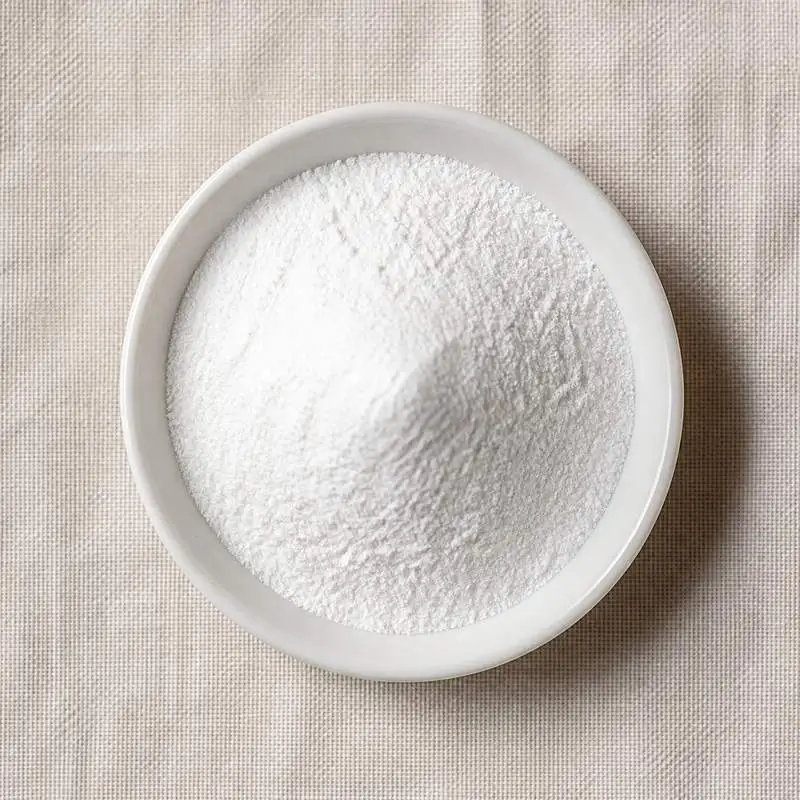
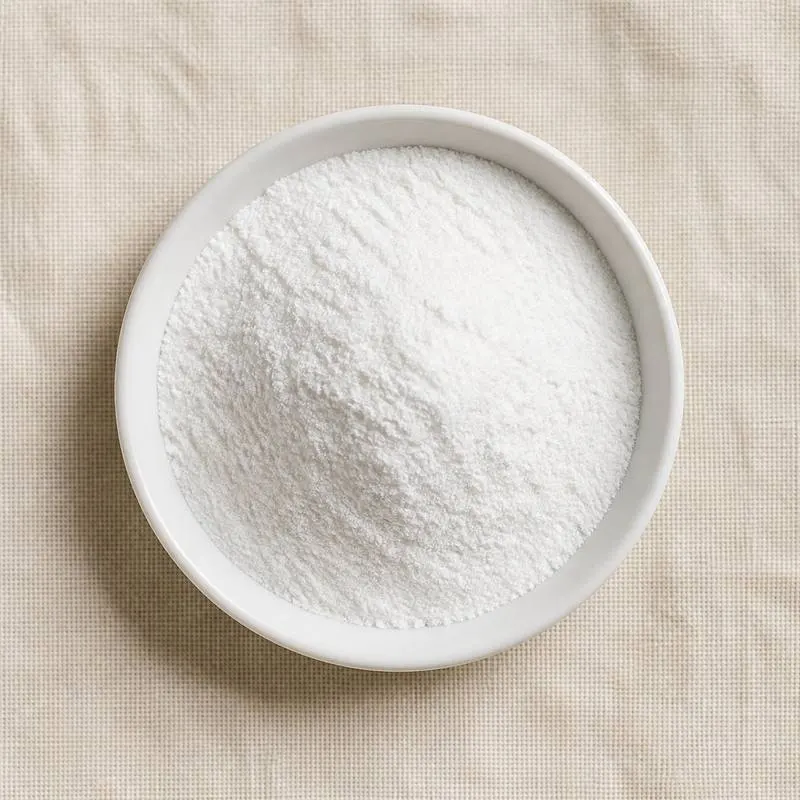
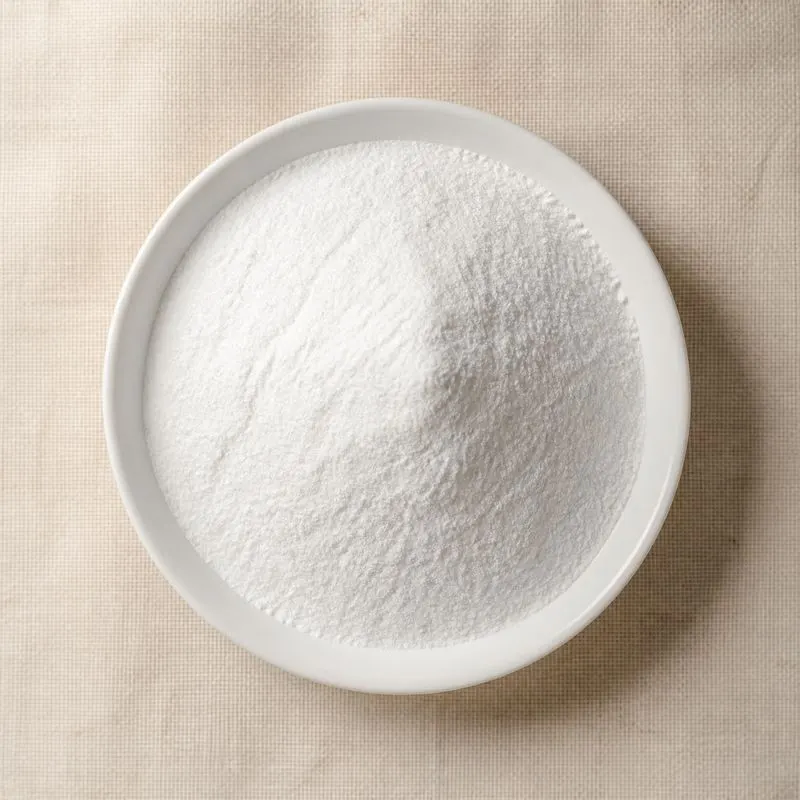
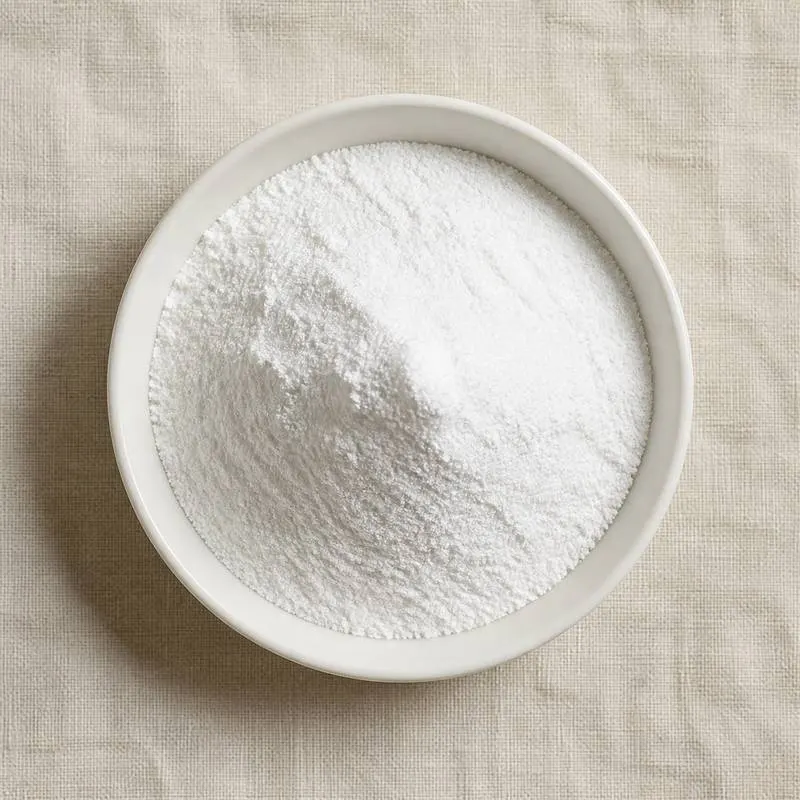
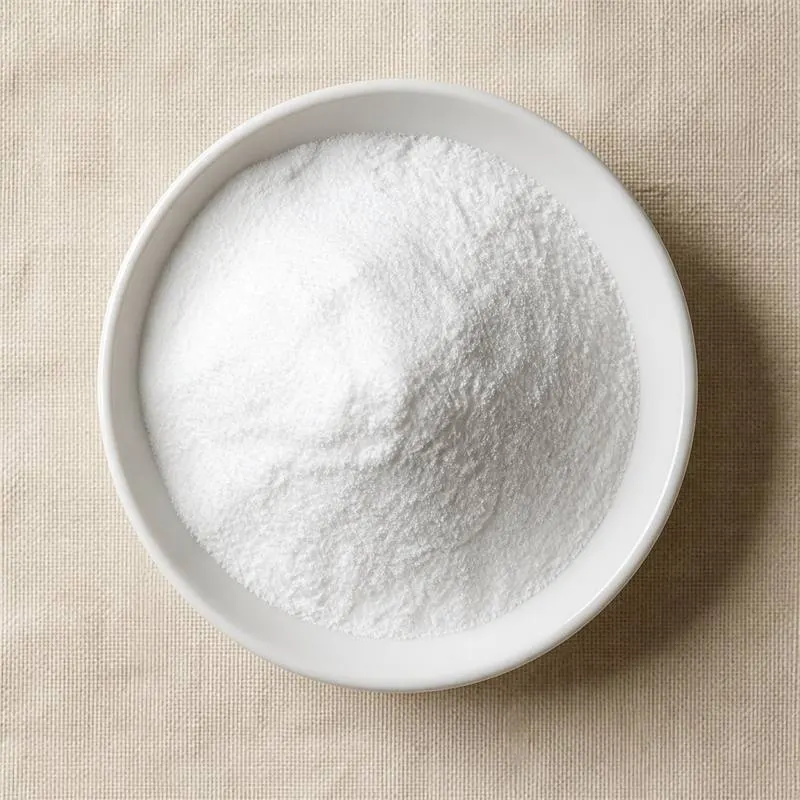
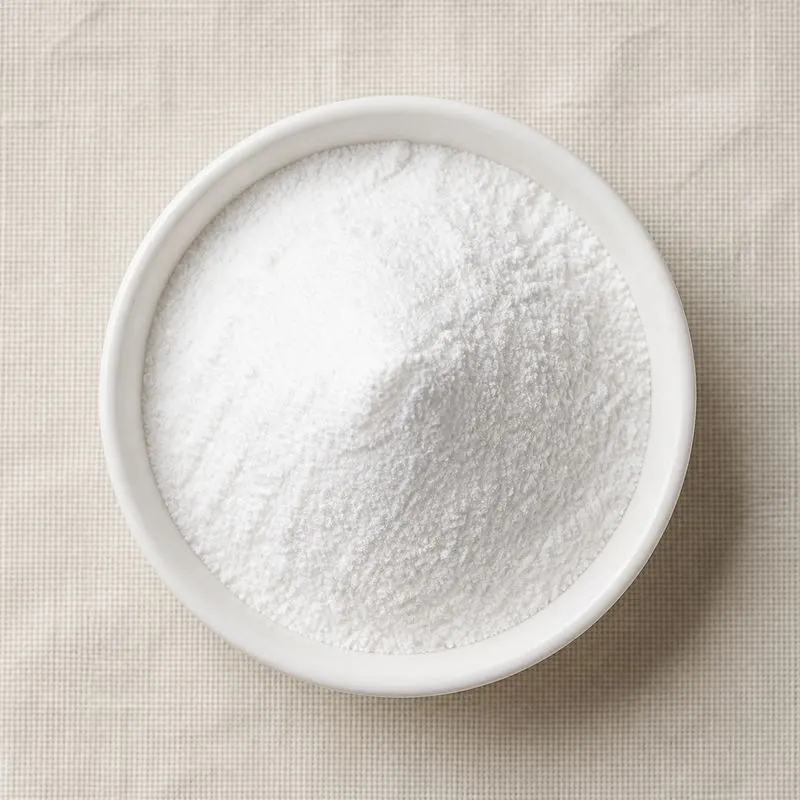
DL-Alanine is the racemic equimolar mixture of the D and L enantiomers of the amino acid alanine, a white crystalline powder with a faintly sweet taste.
The compound has the formula C₃H₇NO₂, a molar mass of 89.09 g/mol, and CAS number 302-72-7. Because it is produced by chemical synthesis rather than fermentation, DL-alanine carries a lower production cost than the enantiopure L-form and is preferred where chirality does not influence functional performance.
We source bulk DL-Alanine from top China manufacturers for our partners. The manufacturers are in Anhui and Hebei. For this ingredient the minimum order is 300 kg and a 20-foot container takes 10 MT, and a smaller requirement can ship in a combined container with other ingredients.
Please send the grade you need, the volume and your destination port, and we will come back with a solution and a price.
or call +86-21-6858 0751
- Minimum order
- 300 kg
- Qty in 20' FCL
- 10 MT
- Packaging
- 25 kg kraft paper bag with PE inner liner
- ISO 9001
- HACCP
- Halal
- Kosher
Specifications
Grades / Types Available: Food Grade, Pharmaceutical Grade
| Item | Specification |
|---|---|
| Appearance | White crystalline powder |
| Assay | ≥ 99.0% |
| Specific Rotation | -0.10° to +0.10° |
| Loss on Drying | ≤ 0.2% |
| Residue on Ignition | ≤ 0.1% |
| Heavy Metals (as Pb) | ≤ 10 mg/kg |
| Purity (Food Grade) | ≥ 98% |
| Moisture/Loss on Drying | ≤ 0.5% |
| pH | 5.0 - 7.0 |
| Lead | ≤ 1 ppm |
| Arsenic | ≤ 0.5 ppm |
| Total Plate Count | ≤ 1000 cfu/g |
| Yeast & Mold | ≤ 100 cfu/g |
Common Markets Grades
DL-Alanine is produced to food, pharmaceutical, and reagent specifications, all at 98.5 percent minimum assay on the dry basis.
Food grade meets the FCC monograph and is the standard format for sweetener buffering, flavour balancing in pickled and vinegared products, and as a savory note modulator in dressings and sauces. The crystal habit is controlled to give free flow in dry-blend operations.
Pharmaceutical grade meets the JP monograph (Japan has long had a separate monograph for the DL-form) and is produced for tablet diluent and excipient use, as well as for synthesis-intermediate manufacture. The grade carries tighter limits on heavy metals and residual solvents.
Cosmetic grade is produced for skin-care humectant and conditioning use, and reagent grade is produced for biochemistry research and analytical reference, typically packed in smaller 100 g to 1 kg containers.
Applications
- Pickled vegetable and vinegared product formulation for flavour balance
- Soy sauce and fermented condiment blends as a sweetness modulator
- Sweetener-blend buffering in tabletop sweetener systems
- Reaction flavour systems contributing nitrogen for Maillard-derived savory notes
- Cured meat and fish product formulation for flavour rounding
- Cosmetic skin-care formulations as a humectant and conditioning agent
- Toothpaste and oral-care product formulations as a flavour modifier
- Pharmaceutical tablet excipient and synthesis intermediate
- Industrial protein synthesis and peptide chemistry research
- Buffer component in laboratory chromatography preparations
- Chiral resolution feedstock for asymmetric synthesis
- Specialty animal feed applications where racemic source is acceptable
Brands Using DL-Alanine
Widely-distributed consumer products that list DL-Alanine on the ingredient label.
Brand names, product names and logos are the property of their owners. They appear here as published evidence that the ingredient is used, taken from the brand's own label or website. Their appearance is not an endorsement, and it does not mean the brand buys from us or from any manufacturer listed on this site.
China Manufacturers of DL-Alanine
Top DL-Alanine manufacturers in China.
 Anhui Huaheng Biotechnology Co.,Ltd.8 ingredients in the directory
 Hebei Huafan Biological Technology Co., Ltd.15 ingredients in the directory
Company names and logos are the property of the manufacturers themselves. They are listed here because our own directory records them as producing this ingredient. A listing is not an endorsement by them, and we do not represent them or speak on their behalf.
How We Help Source DL-Alanine
Direct Factory Sourcing
We run the whole process: selecting the manufacturer from the top Chinese food ingredient producers, negotiating the price, verifying quality, and coordinating the logistics. You deal with us instead of with several factories at once.
Original Packaging and Documents from the Manufacturer
The manufacturer sends your DL-Alanine out of its own factory in the original packing, through to your destination port. The COA, COO, MSDS, TDS and any certifications reach you from the manufacturer as well.
Free Samples and Lead Time
We send 100 to 500 g free for your own laboratory to test and you cover only the courier, usually within 2 to 3 working days. ETD is usually within 7 to 15 days once the order is confirmed, and we check that date against the factory's own manufacturing schedule before we give it to you.
Combined Shipment
We can load DL-Alanine together with other ingredients such as Glycine, L-Arginine and L-Leucine into one 20' FCL. If your quantity is small, we can also ship LCL.
Regulatory Status
DL-Alanine is recognised as a food additive and pharmaceutical excipient in most major markets.
In Japan, where the racemic form has the largest market share, it is permitted as a designated food additive under the Food Sanitation Act and is heavily used in soy sauce, pickled products, and other traditional fermented foods.
In the United States DL-alanine is recognised as GRAS under 21 CFR 172.320 for use as a nutrient in foods. JECFA has not set a numerical ADI, since alanine is a normal dietary amino acid in both enantiomeric forms.
In the European Union it is permitted as a flavouring substance and as a food supplement ingredient. The substance is also listed in the major cosmetic ingredient inventories under the INCI name Alanine, which covers both L and DL forms.
Pharmacopoeial monographs for DL-alanine appear in the Japanese Pharmacopoeia (JP). The substance is allergen-free, animal-free, and vegan-compatible, since the synthetic route uses only inorganic and small-molecule feedstocks.
Manufacturing Process
DL-Alanine is produced commercially by chemical synthesis via the Strecker reaction, the same route Adolph Strecker used to synthesise the molecule in 1850.
The process begins with acetaldehyde, which is condensed with ammonia and hydrogen cyanide to yield aminoacetonitrile (alpha-aminopropionitrile). The nitrile intermediate is then hydrolysed under controlled acidic or alkaline conditions to release the free amino acid as the racemic mixture.
An alternative industrial route uses 2-chloropropionic acid as the starting material, reacted with concentrated ammonia under pressure to deliver the racemic product directly without going through a nitrile intermediate.
The crude DL-alanine is decolorised over activated carbon, concentrated under vacuum, and crystallised from an aqueous or aqueous-alcohol system. Crystals are filtered, washed, vacuum-dried, milled to the target particle size, and packed in foil-lined fibre drums or polyethylene-lined paper bags.