Dry Malt Extract
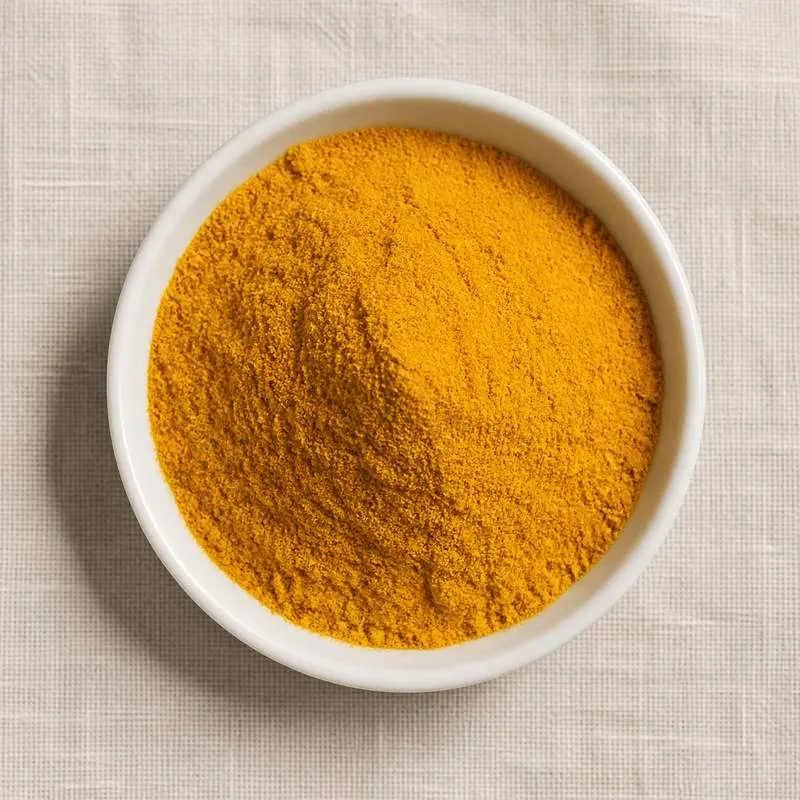
Dry Malt Extract, abbreviated DME, is the dehydrated powder form of malted-barley wort concentrate. It is produced by spray- or roller-drying liquid malt extract down to roughly 96 to 97 percent solids.
The powder carries the same maltose-dominant sugar profile, amino acid load, and barley-malt aroma as the parent syrup, in a free-flowing format that ships and stores without refrigeration.
DME is the preferred format for dry-blend applications: baking premixes, breakfast cereals, instant beverage powders, and home-brew kits where weight-out accuracy and a long shelf life matter.
We source bulk Dry Malt Extract from top China manufacturers for our partners. The manufacturer is in Guangdong. A smaller requirement can ship in a combined container with other ingredients.
Please send the grade you need, the volume and your destination port, and we will come back with a solution and a price.
or call +86-21-6858 0751
- Packaging
- 25 kg fibre drum with double PE liner
- ISO 9001
- HACCP
- Halal
- Kosher
Specifications
Grades / Types Available: Food Grade, Feed Grade
| Item | Specification |
|---|---|
| Appearance | Light to dark amber free-flowing powder |
| Moisture | ≤4.0% |
| Total Sugars (as maltose) | ≥70% |
| Maltose | ≥50% |
| Colour (EBC) | 4–500+ (variety-dependent) |
| Protein | 4–8% |
| pH (10% sol.) | 5.0–6.0 |
| Ash | ≤2.5% |
| Solubility | Fully soluble in water |
| Total Plate Count | ≤10,000 cfu/g |
| Salmonella | Absent in 25g |
| Purity (Food Grade) | ≥ 80% |
| Moisture/Loss on Drying | ≤ 5% |
| Yeast & Mold | ≤ 100 cfu/g |
Common Markets Grades
DME is graded by colour and by source malt selection.
Extra-light DME (1.5 to 3 °L) is made from pale pilsner-style malt and gives a clean, mildly sweet base and a pale colour. It is the default for light beer kits and white-bread premixes.
Light DME (3 to 6 °L) and amber DME (6 to 12 °L) are the standard grades for pale ales, amber ales, and standard bagel and bread doughs.
Dark DME (12 to 25 °L) is built from a blend including crystal and Munich malts and is used in brown ales, porters, and dark baked goods.
Wheat DME is produced from a wheat-malt-and-barley-malt blend (typically 55:45) and is used in hefeweizen and wheat-bread applications.
Custom blends with non-diastatic specification are standard for industrial cereal and confectionery customers.
Applications
- Home-brew and craft-brew dry kits where pre-weighed sachets are preferred over syrup pails
- Dry baking premixes for breads, bagels, and pretzels
- Breakfast-cereal coatings and inclusions in malted wheat and corn flake products
- Instant malted-milk powders and chocolate-malt drink mixes
- Powdered nutrition drinks, meal replacements, and tonic blends
- Confectionery dry mixes for caramels, toffees, and malt balls
- Spray-dried coffee whitener and instant cappuccino formulations
- Microbiological media preparation (malt extract broth and agar)
- Dry yeast-rehydration nutrients for craft fermentation
- Pet treat and biscuit dry-blend formulations
Brands Using Dry Malt Extract
Widely-distributed consumer products that list Dry Malt Extract on the ingredient label.
- BriessCBW Pilsen Light DME (Dry Malt Extract) ↗Lightest commercially available pure malted barley DME powder (99% Pilsen malt, 1% Carapils); 100% malt and water, spray-dried; for extract brewing.Label verified 2026-05-24
- MuntonsSpraymalt Extra Light DME ↗English-style spray-dried dry malt extract powder; the palest colour Muntons DME; for American-style ales and light lagers.Label verified 2026-05-24
Brand names, product names and logos are the property of their owners. They appear here as published evidence that the ingredient is used, taken from the brand's own label or website. Their appearance is not an endorsement, and it does not mean the brand buys from us or from any manufacturer listed on this site.
China Manufacturers of Dry Malt Extract
Top Dry Malt Extract manufacturers in China.
Company names and logos are the property of the manufacturers themselves. They are listed here because our own directory records them as producing this ingredient. A listing is not an endorsement by them, and we do not represent them or speak on their behalf.
How We Help Source Dry Malt Extract
Direct Factory Sourcing
We run the whole process: selecting the manufacturer from the top Chinese food ingredient producers, negotiating the price, verifying quality, and coordinating the logistics. You deal with us instead of with several factories at once.
Original Packaging and Documents from the Manufacturer
The manufacturer sends your Dry Malt Extract out of its own factory in the original packing, through to your destination port. The COA, COO, MSDS, TDS and any certifications reach you from the manufacturer as well.
Free Samples and Lead Time
We send 100 to 500 g free for your own laboratory to test and you cover only the courier, usually within 2 to 3 working days. ETD is usually within 7 to 15 days once the order is confirmed, and we check that date against the factory's own manufacturing schedule before we give it to you.
Combined Shipment
We can load Dry Malt Extract together with other ingredients such as Astaxanthin, Dehydrated Garlic and Lutein into one 20' FCL. If your quantity is small, we can also ship LCL.
Regulatory Status
Dry Malt Extract is regulated identically to liquid malt extract.
In the United States it falls under GRAS 21 CFR 184.1443 and is used at levels consistent with good manufacturing practice.
In the European Union it is a conventional food ingredient declared as "dried malt extract" or "barley malt extract powder." Because it derives from barley it must be flagged as a gluten-containing cereal under allergen labelling rules.
Halal and Kosher certifications are routinely available. Organic-certified DME made from organic two-row barley malt is produced in Europe, North America, and Australia.
Manufacturing Process
The starting point is finished liquid malt extract at 78 to 82 percent solids. The syrup is fed to a spray dryer, where it is atomised through a high-pressure nozzle or rotary atomiser into a chamber of hot dry air at 160 to 200 °C inlet temperature.
The droplets dehydrate within milliseconds. The brief exposure time and the evaporative cooling of the droplet surface keep the actual particle temperature well below the inlet air temperature, which protects colour and flavour.
The dried powder is collected through a cyclone separator and a baghouse filter, then conditioned in a fluid-bed cooler to drop temperature and to fine-tune residual moisture.
Roller-drying is an alternative process for some manufacturers. The syrup is applied as a film to heated steel drums and scraped off as flakes, then milled to powder. This route gives a slightly darker colour and a coarser particle.
Spray-dried DME is hygroscopic. It is packed in moisture-barrier laminated bags with desiccant, and bulk storage is held below 60 percent relative humidity to prevent caking.