Maltose
Maltose is a reducing disaccharide composed of two D-glucose units joined by an alpha-1,4 glycosidic bond. Its chemical name is alpha-D-glucopyranosyl-(1→4)-D-glucose, with molecular formula C₁₂H₂₂O₁₁ and a molar mass of 342.30 g/mol.
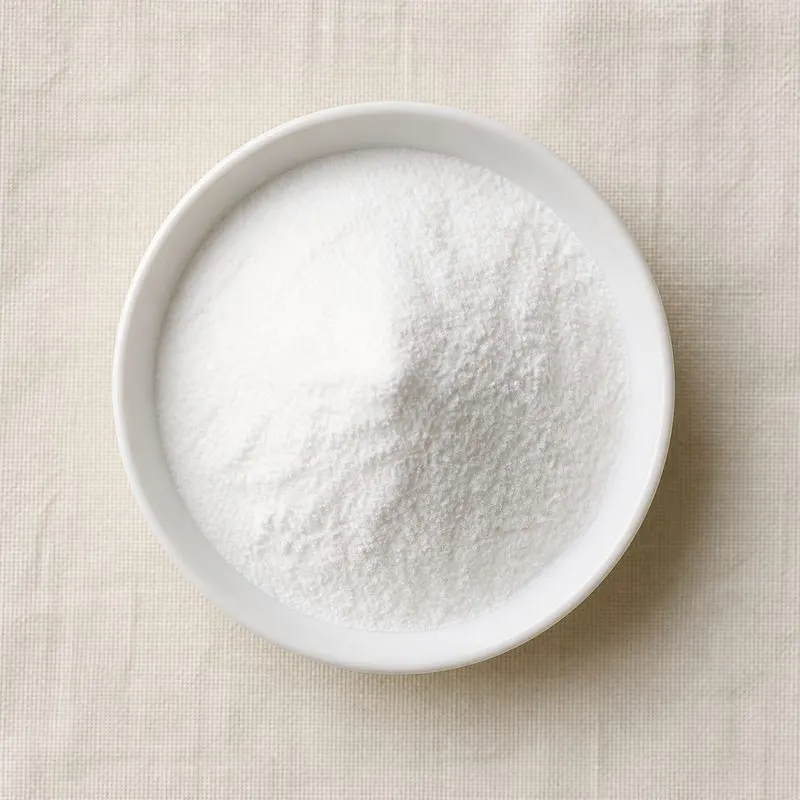
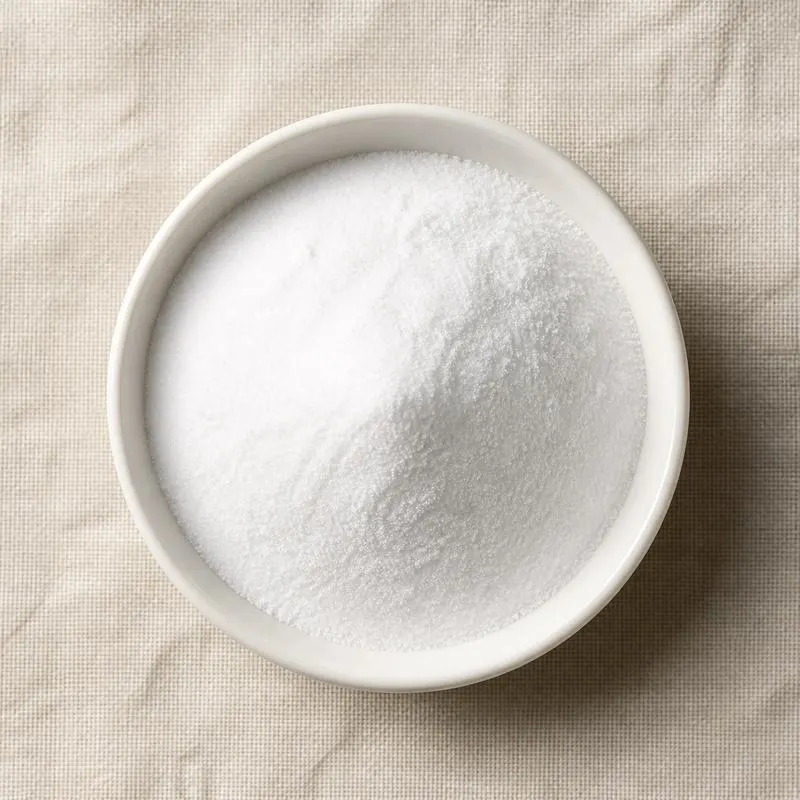
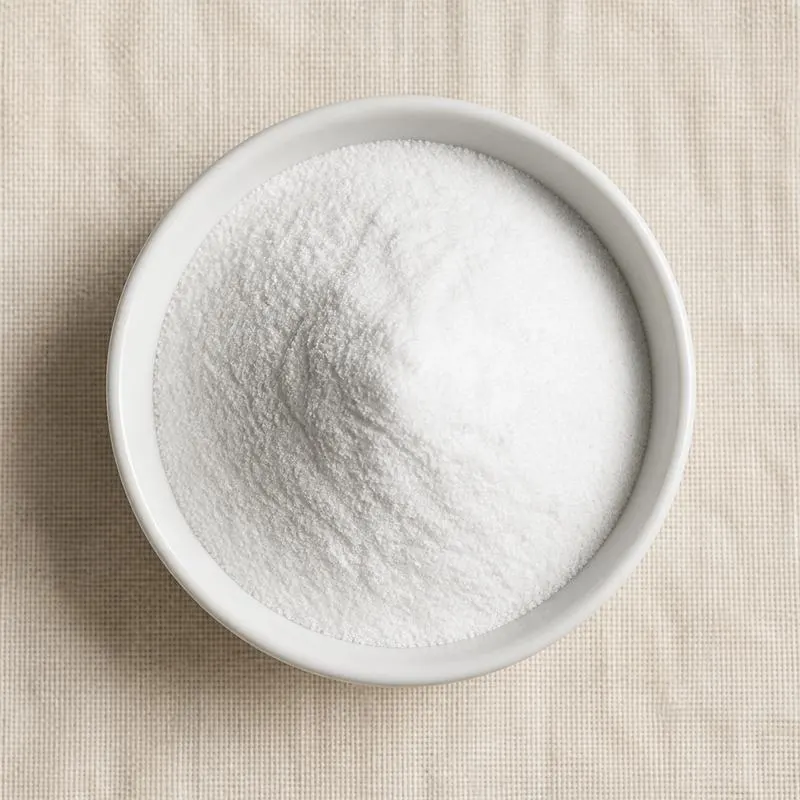
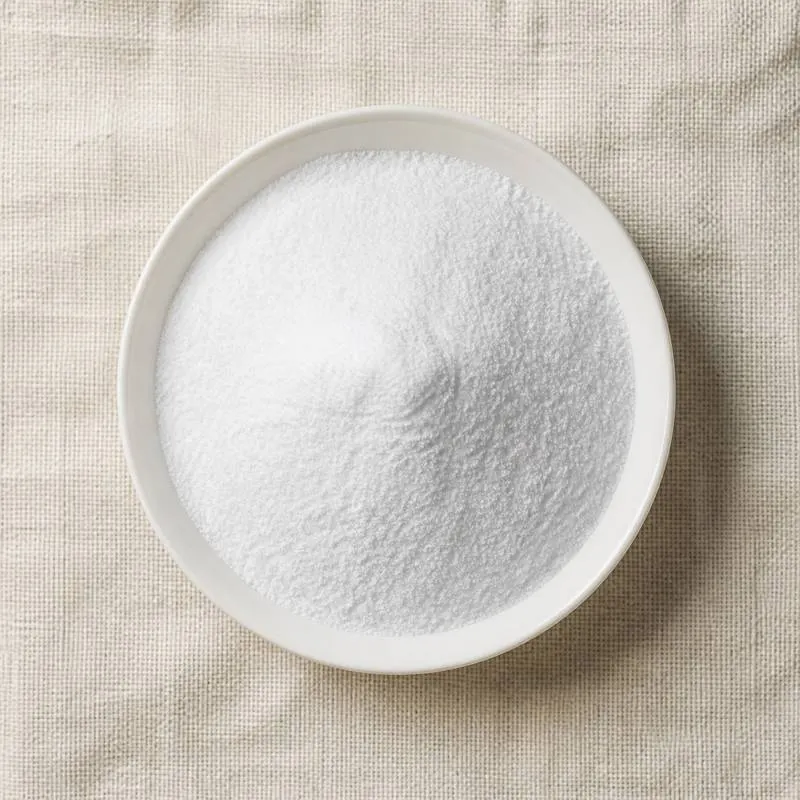
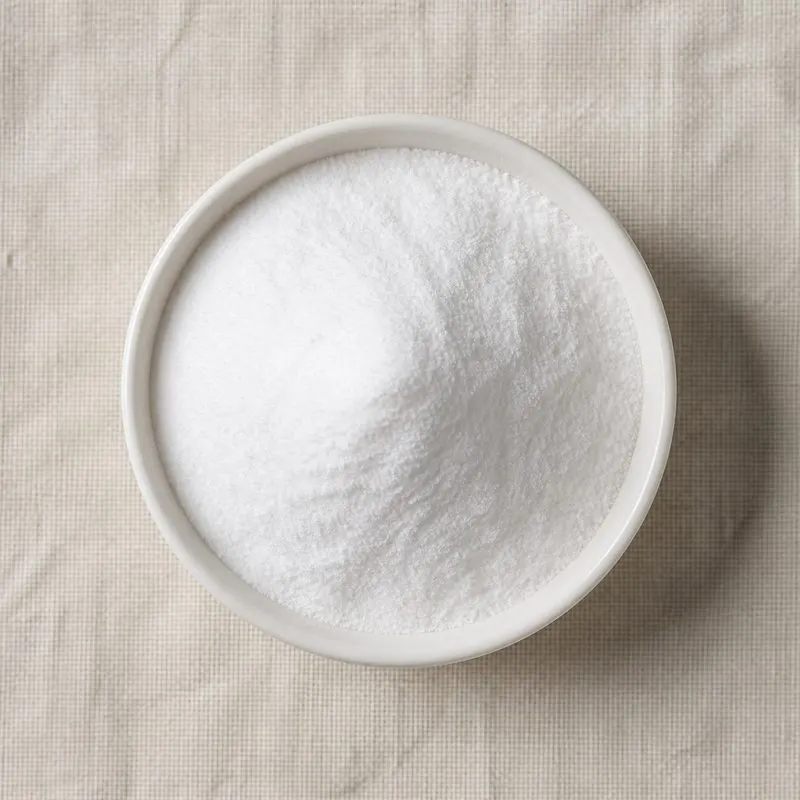
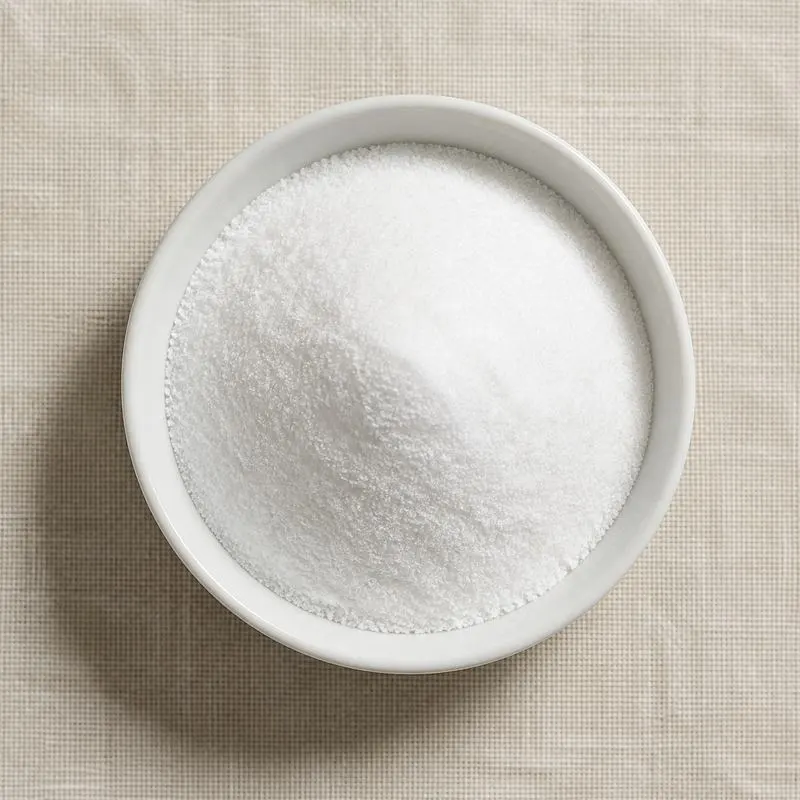
The crystalline form sold under this entry is typically the monohydrate, presenting as fine white crystals or a free-flowing powder. It is about 30 to 50 percent as sweet as sucrose, with a clean and mild profile that does not mask delicate flavours.
We source bulk Maltose from top China manufacturers for our partners, working with several of them. The manufacturers are in Guangdong, Jiangsu and Shandong. A smaller requirement can ship in a combined container with other ingredients.
Please send the grade you need, the volume and your destination port, and we will come back with a solution and a price.
or call +86-21-6858 0751
- Packaging
- 250 kg plastic drum or 1,000 kg IBC tote
- ISO 9001
- HACCP
- Halal
- Kosher
Specifications
Grades / Types Available: pharmaceutical grade, food grade
| Item | Specification |
|---|---|
| Appearance | White crystalline powder or clear syrup |
| Maltose Content (dry basis) | ≥95% (powder) / ≥75% (syrup) |
| Loss on Drying (powder) | ≤5.0% |
| Specific Rotation [α]20D | +126° to +131° |
| pH (10% sol.) | 4.5–6.5 |
| Sulphated Ash | ≤0.1% |
| Reducing Sugars (as maltose) | ≥95% |
| Heavy Metals (as Pb) | ≤0.5 mg/kg |
| SO₂ | ≤40 mg/kg |
| Arsenic | ≤0.5 mg/kg |
| Total Plate Count | ≤1,000 cfu/g |
| Purity/Assay (Pharmaceutical Grade) | ≥ 99.0% |
| Moisture/Loss on Drying | ≤ 20.0% |
| Viscosity | 1000 - 3000 mPa.s |
| Yeast & Mold | ≤ 100 cfu/g |
Common Markets Grades
Crystalline Maltose trades in three grades: food, high-purity and pharmaceutical.
Food grade typically assays at 90 to 95 percent maltose on a dry basis, with the balance made up of glucose and higher saccharides residual from the conversion step. Loss on drying for the monohydrate form runs at 4.5 to 5.5 percent.
High-purity grade at 98 to 99.5 percent maltose is produced for confectionery and brewing applications where a defined sweetness curve is important. Pharmaceutical and parenteral grades reach 99 percent or higher with tight specifications on heavy metals, endotoxin, and microbial counts.
The crystalline product is hygroscopic in fine-mesh form, so it is usually packaged in moisture-barrier bags or aluminized liners. Particle size runs from milled powders below 100 microns to coarser crystalline material for direct compression, forms of the same grade rather than grades of their own.
Applications
- Hard candies, fondants, and pulled sugar work for crystallisation control and clean mouthfeel
- Infant cereals and weaning foods as a mild, easily digested carbohydrate
- Brewing as a defined fermentable for craft beer and sake formulation
- Bakery products where a slow-browning sugar is preferred
- Pharmaceutical syrups, lozenges, and chewable tablets as a sucrose-compatible vehicle
- Parenteral nutrition solutions (high-purity grades) as an alternative carbohydrate source
- Frozen desserts and sorbets to fine-tune freezing point and texture
- Cell-culture and microbiological media as a defined carbon source
- Sports and clinical nutrition powders for sustained glucose release
- Functional food blends with a low-sweetness, high-energy profile
Brands Using Maltose
Widely-distributed consumer products that list Maltose on the ingredient label.
- White Rabbit (Guan Sheng Yuan)White Rabbit Creamy Candy ↗Ingredient panel lists 'liquid maltose' as the first ingredient, followed by sugar and whole milk powderLabel verified 2026-05-24
- Lundberg Family FarmsOrganic Sweet Dreams Brown Rice Syrup ↗Brown rice syrup is approximately 65-85% maltose by composition (Wikipedia/industry references)Label verified 2026-05-24
- Eden FoodsEden Organic Traditional Barley Malt Syrup ↗Per official spec: approximately 74.5% maltose, 18.9% glucose, 2.6% sucrose, 3.9% fructoseLabel verified 2026-05-24
- MorinagaMorinaga Milk Caramel ↗Contains mizuame (maltose-rich starch syrup) as a primary sweetenerLabel verified 2026-05-24
- Morinaga (Hi-Chew)Hi-Chew Reduced Sugar Bag (Mango & Strawberry) ↗Ingredient panel includes 'maltosyltrehalose syrup' (maltose-based) alongside glucose syrupLabel verified 2026-05-24
Brand names, product names and logos are the property of their owners. They appear here as published evidence that the ingredient is used, taken from the brand's own label or website. Their appearance is not an endorsement, and it does not mean the brand buys from us or from any manufacturer listed on this site.
China Manufacturers of Maltose
Top Maltose manufacturers in China.
- Guangzhou Heliyuan Foodstuff Co., Ltd.6 ingredients in the directory
 Guangzhou Shuangqiao Company Ltd.7 ingredients in the directory
 Jiangsu Ogo Biotech Co., Ltd.9 ingredients in the directory
 Shandong Tianmei Biotech Co., Ltd.9 ingredients in the directory
Company names and logos are the property of the manufacturers themselves. They are listed here because our own directory records them as producing this ingredient. A listing is not an endorsement by them, and we do not represent them or speak on their behalf.
How We Help Source Maltose
Direct Factory Sourcing
We run the whole process: selecting the manufacturer from the top Chinese food ingredient producers, negotiating the price, verifying quality, and coordinating the logistics. You deal with us instead of with several factories at once.
Original Packaging and Documents from the Manufacturer
The manufacturer sends your Maltose out of its own factory in the original packing, through to your destination port. The COA, COO, MSDS, TDS and any certifications reach you from the manufacturer as well.
Free Samples and Lead Time
We send 100 to 500 g free for your own laboratory to test and you cover only the courier, usually within 2 to 3 working days. ETD is usually within 7 to 15 days once the order is confirmed, and we check that date against the factory's own manufacturing schedule before we give it to you.
Combined Shipment
We can load Maltose together with other ingredients such as Stevia, Erythritol and Maltitol into one 20' FCL. If your quantity is small, we can also ship LCL.
Regulatory Status
Maltose is treated as a normal dietary sugar in essentially every regulated market.
It has no E number in the European Union, as sugars are not classified as food additives. The U.S. Food and Drug Administration recognises maltose as GRAS, and it appears in pharmacopoeial monographs in the USP-NF, Ph. Eur., and JP under specifications for maltose and maltose monohydrate.
JECFA has not established a numerical intake limit. The substance is acceptable for nutritive use without restriction other than normal labelling as a sugar.
Halal, Kosher, vegan, and non-GMO certifications are routinely available depending on starch source. Pharmaceutical-grade material destined for injectable use is produced under cGMP with full DMF support.
Manufacturing Process
Crystalline Maltose is produced from starch by a controlled two-step enzymatic process.
Refined starch slurry is gelatinized and liquefied with thermostable alpha-amylase to a low dextrose equivalent. The liquefied hydrolysate is then saccharified with beta-amylase, often in combination with a debranching enzyme such as pullulanase to expose the alpha-1,6 branches of amylopectin.
Beta-amylase cleaves maltose units sequentially from the non-reducing ends of the dextrin chains, raising the maltose content of the syrup to 80 percent or higher. The high-maltose liquor is decolorised with activated carbon and demineralized with ion-exchange resins.
Crystallisation is induced by cooling a concentrated maltose solution under controlled seeding. The wet crystals are separated by centrifugation, washed, and dried to give the monohydrate. Anhydrous maltose can be prepared by extended drying at elevated temperature.