EDTA-Ca
EDTA-Ca, calcium disodium ethylenediaminetetraacetate, is a chelating agent used in food to bind the trace metal ions that catalyse oxidation and discolouration. It is the calcium disodium salt of EDTA and is the form used where free EDTA salts would strip calcium from the food or from the consumer.
Its function is metal binding rather than radical scavenging, so it is classed as an antioxidant synergist. Traces of copper and iron released from equipment, water or the raw material itself accelerate the breakdown of lipid hydroperoxides and the oxidation of pigments, ascorbic acid and flavour compounds. The molecule wraps six coordination sites around such an ion and holds it in a soluble, catalytically inert complex, exchanging its calcium for the more strongly bound transition metal.
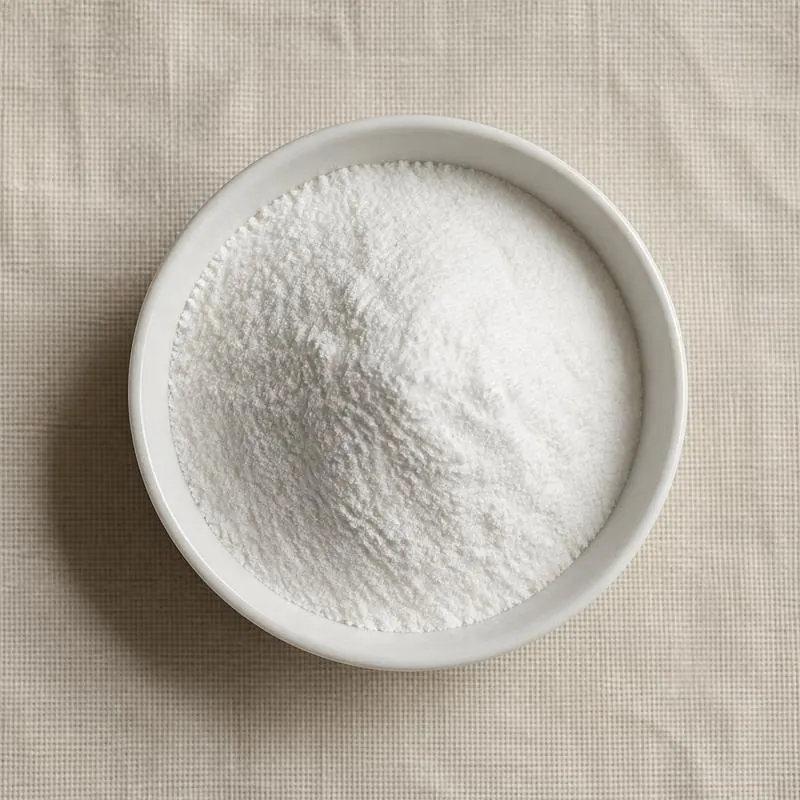
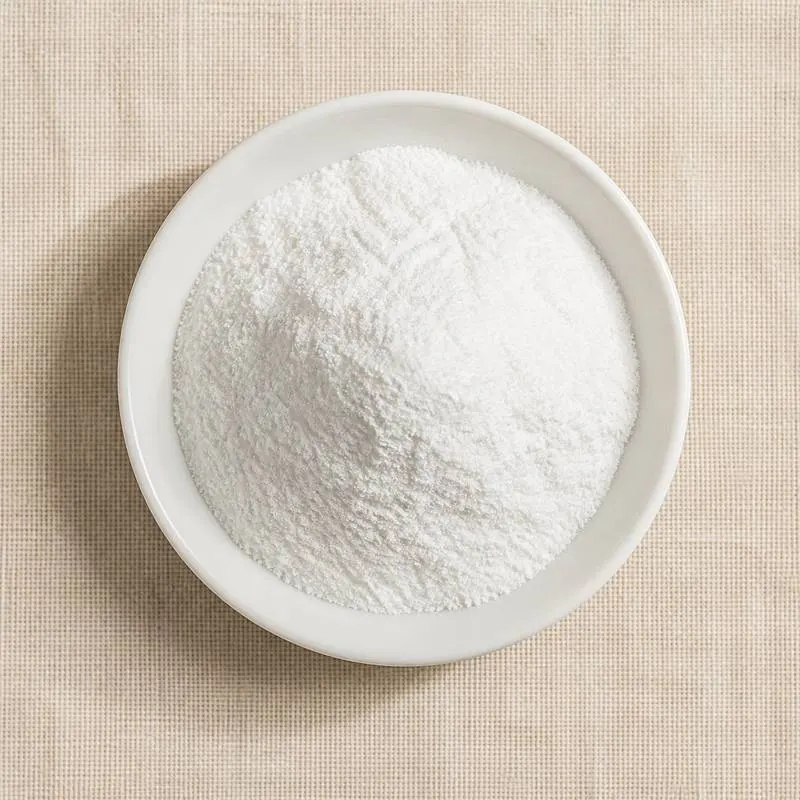
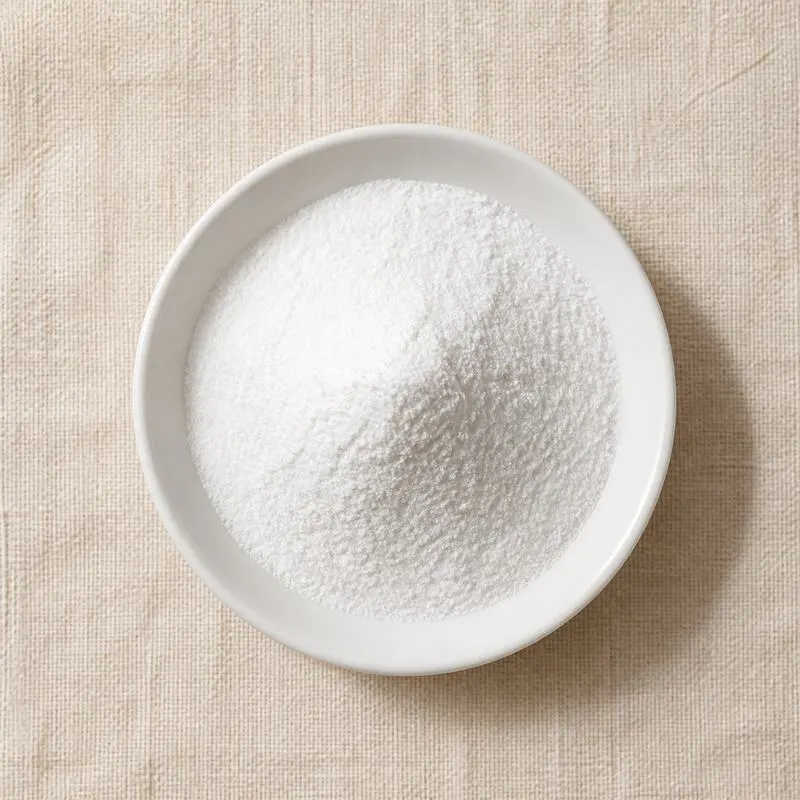
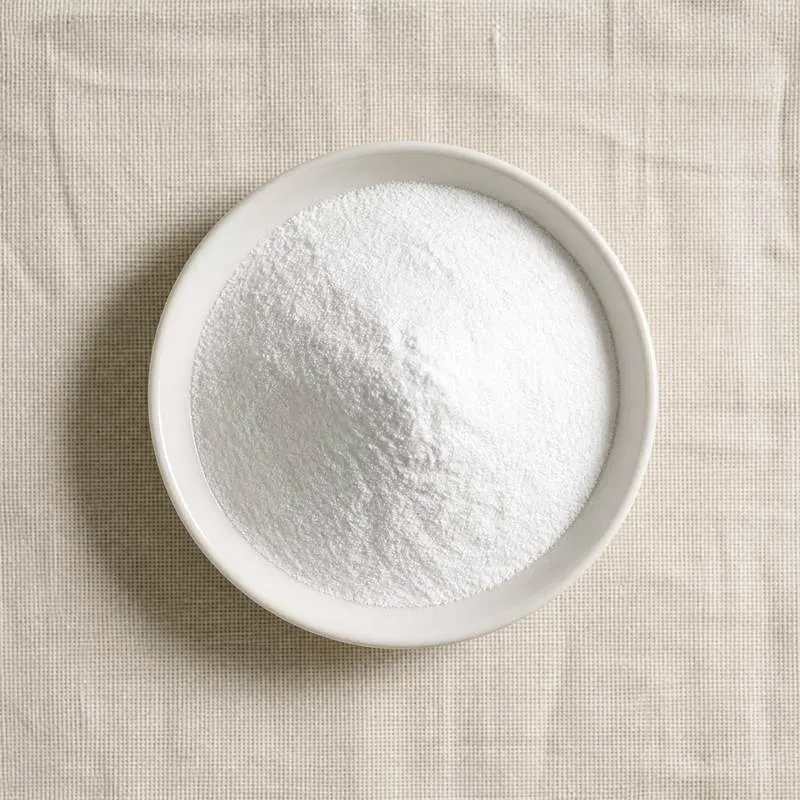
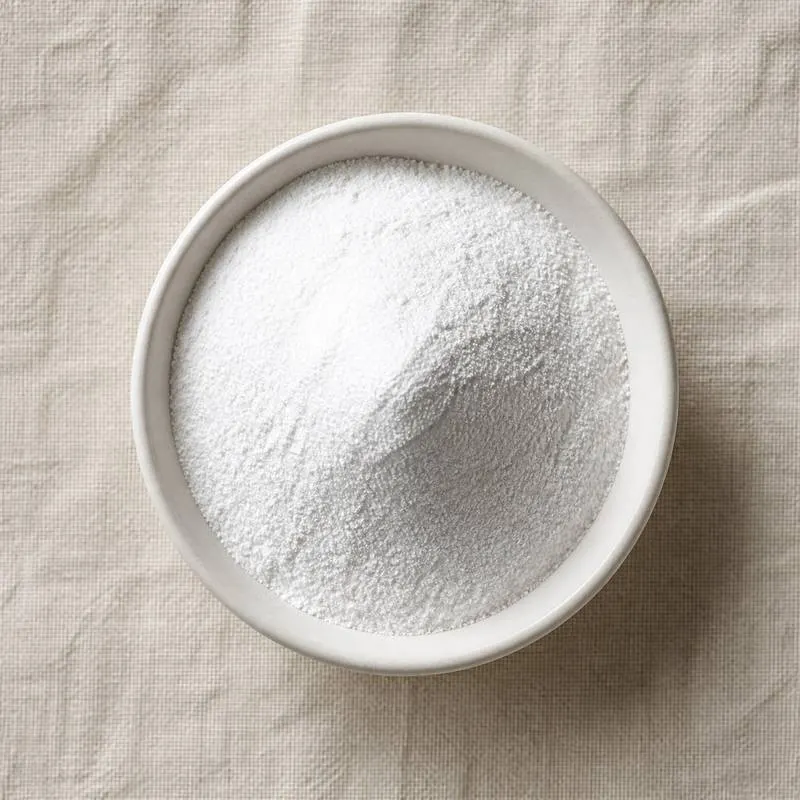
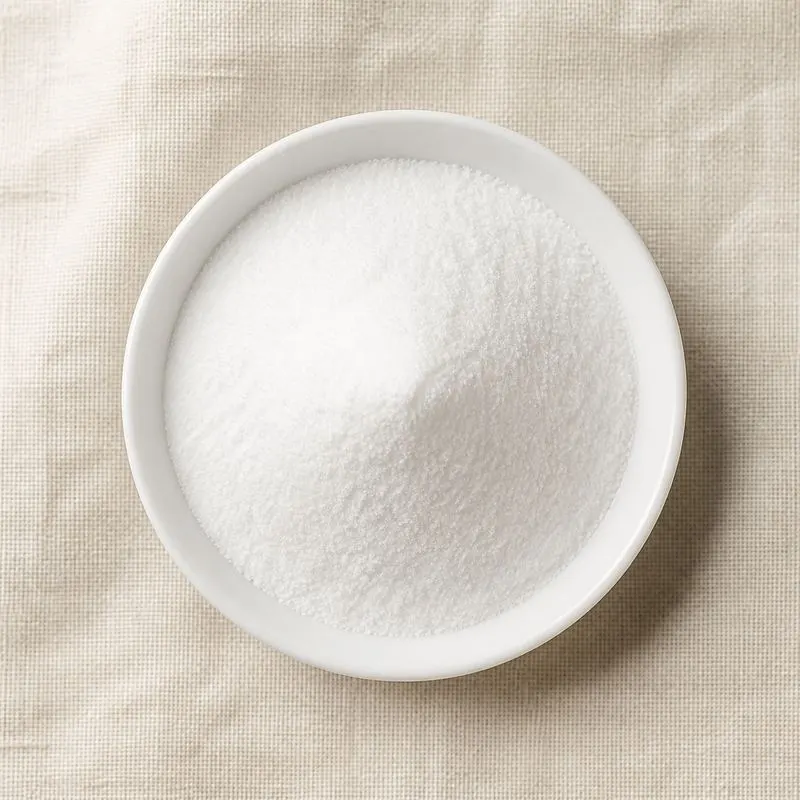
The traded material is a white crystalline powder or granule, odourless, faintly saline in taste and slightly hygroscopic. It is very soluble in water, practically insoluble in ethanol and oils, and stable across the pH range of most foods and through retort and pasteurisation temperatures, which is why it is used in canned and bottled products. Dosage is low and it is normally added as part of the aqueous phase.
We source bulk EDTA-Ca from top China manufacturers for our partners. The manufacturer is in Hebei. A smaller requirement can ship in a combined container with other ingredients.
Please send the grade you need, the volume and your destination port, and we will come back with a solution and a price.
or call +86-21-6858 0751
- Function
- Antioxidant
Specifications
| Item | Specification |
|---|---|
| Appearance | White crystalline powder or granule, odourless |
| Identification | Positive for calcium and for sodium, infrared spectrum conforms |
| Assay, dried basis | 99.0% to 102.0% |
| Water content | 5.0% to 13.0% |
| pH, 1% aqueous solution | 6.5 to 7.5 |
| Solubility in water | Freely soluble, solution clear and colourless |
| Nitrilotriacetic acid | 0.1% max |
| Chloride | 0.1% max |
| Heavy metals as Pb | 10 mg/kg max |
| Lead | 2 mg/kg max |
| Arsenic | 3 mg/kg max |
| Particle size | 95% through 40 mesh for granular grade |
Common Markets Grades
Food grade is the principal article, sold as the hydrated calcium disodium salt at an assay in the region of 99 percent on the dried basis, in crystalline powder or free-flowing granular form. Granular grades are chosen for dry blending and powder grades where rapid dissolution matters. Related salts are traded alongside it and are not interchangeable: disodium EDTA is used where the calcium form would be redundant, and tetrasodium EDTA is largely confined to industrial and cleaning use.
Beyond food grade, the same chemistry is sold as a pharmaceutical grade meeting pharmacopoeial monographs, and as technical and agricultural grades where impurity limits are wider. Water content is part of the specification rather than an impurity, since the commercial solid is a hydrate.
Applications
- Mayonnaise, dressings and emulsified sauces, protecting the oil phase from metal-catalysed rancidity
- Canned beans, pulses and vegetables, preventing struvite crystal formation and the greying of pigments
- Canned crab, shrimp and other shellfish, controlling the blue-black discolouration caused by metal complexes
- Pickles, brined vegetables and dressings, retaining colour and firmness
- Carbonated and still soft drinks, protecting added flavour oils and colours from trace metal attack
- Fruit and vegetable purees and sauces, holding ascorbic acid and carotenoid colour during storage
- Processed and canned fish, limiting oxidative off-flavour
- Dried and processed potato products, suppressing enzymatic and metal-linked darkening
- Distilled alcoholic beverages and ready to drink mixes, preventing haze and colour drift
China Manufacturers of EDTA-Ca
Top EDTA-Ca manufacturers in China.
Company names and logos are the property of the manufacturers themselves. They are listed here because our own directory records them as producing this ingredient. A listing is not an endorsement by them, and we do not represent them or speak on their behalf.
Regulatory Status
In the United States calcium disodium EDTA is a permitted direct food additive under 21 CFR 172.120, which lists the foods in which it may be used, such as dressings, canned vegetables, canned shellfish and certain beverages, together with the maximum level for each. Labelling declares it by name, and in several of the listed categories the regulation also requires a statement of its purpose, for example that it promotes colour or flavour retention.
In the European Union, Regulation (EC) No 1333/2008 authorises it as E 385, calcium disodium ethylene diamine tetra-acetate, with use restricted to a short list of categories including emulsified sauces, canned pulses and vegetables, canned crustaceans and certain fat spreads, and with purity criteria set in the accompanying specifications regulation. JECFA has evaluated the substance, and it is listed in the Codex General Standard for Food Additives as INS 385.
Manufacturing Process
The EDTA backbone is made by reacting ethylenediamine with formaldehyde and sodium cyanide in alkaline solution, a carboxymethylation that builds the four acetate arms and gives the tetrasodium salt with ammonia released as a by-product. The alkaline liquor is stripped of ammonia and clarified, then acidified with hydrochloric or sulphuric acid, which precipitates EDTA free acid. The acid is filtered, washed thoroughly to remove chloride or sulphate and residual by-products, and reslurried.
The washed free acid is then neutralised with calcium hydroxide or calcium carbonate together with sodium hydroxide in a controlled stoichiometry that gives the calcium disodium salt rather than a mixed or over-neutralised product. The solution is filtered, decolourised on carbon where necessary, and concentrated by evaporation. Crystallisation, centrifugation and drying give the hydrated crystalline solid, which is milled or granulated, sieved and blended before packing.