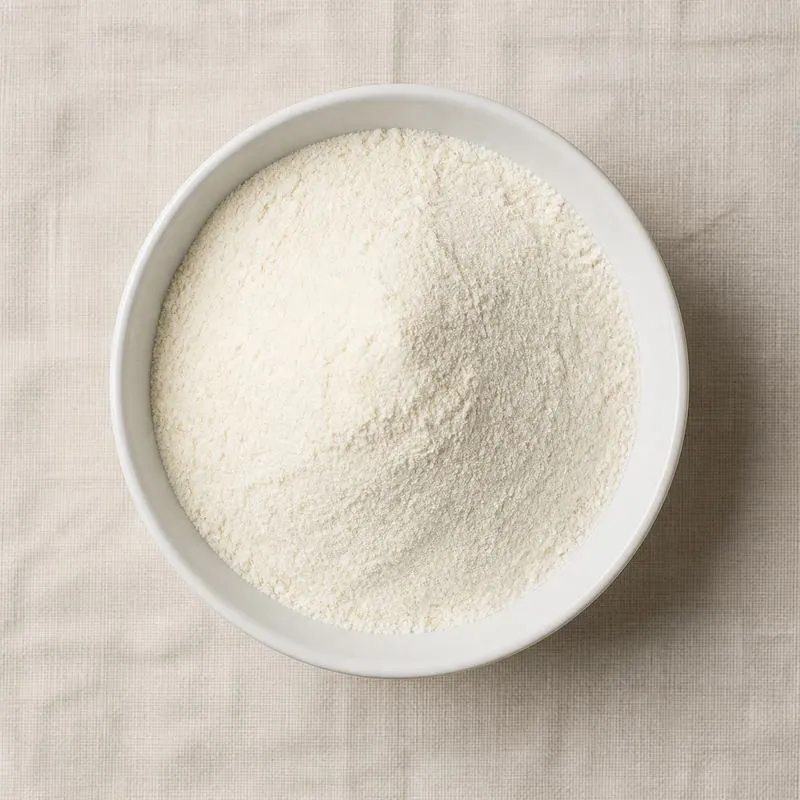
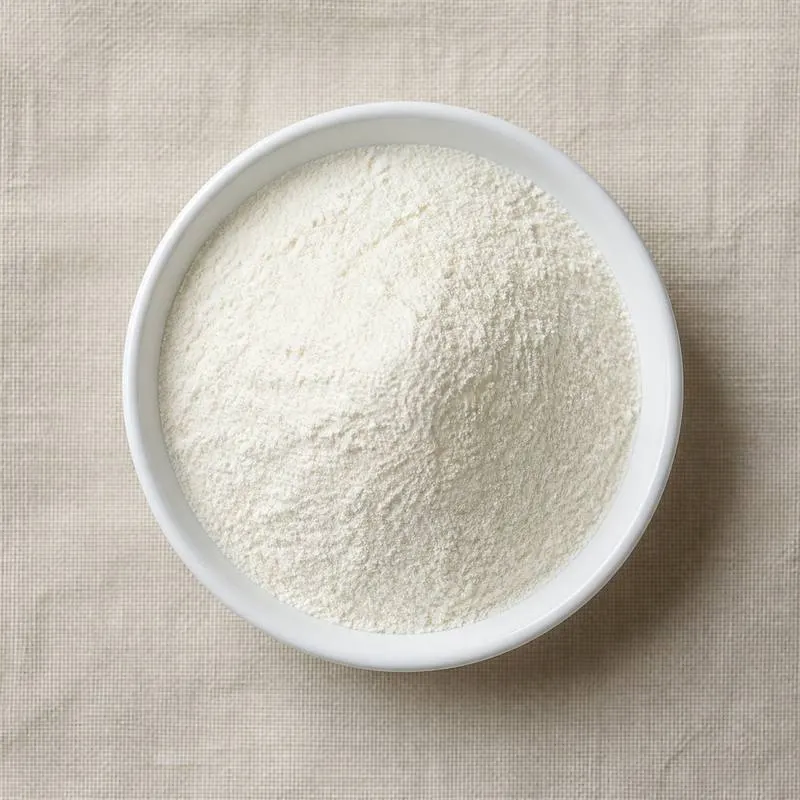
Egg Powder Soup Seasoning
Egg powder soup seasoning is a compound dry seasoning built around dried egg, sold as the base for instant egg drop soup and similar Chinese style soups. It is a blend rather than a single substance, and a typical formulation combines spray dried whole egg or egg white powder, salt, a savoury base of monosodium glutamate and nucleotides, dried vegetable pieces such as spring onion and seaweed, starch or maltodextrin as a carrier and thickener, and often a sesame or chicken flavour.
The egg component is what defines the category. When the powder is stirred into hot water the dried egg rehydrates and coagulates into the thin ribbons that give egg drop soup its appearance, and the quality of that effect depends on the egg powder being undenatured enough to set rather than simply dissolving. Freeze dried cooked egg strands are used in some formulations instead of or alongside raw dried egg, because they rehydrate into visible pieces reliably regardless of water temperature.
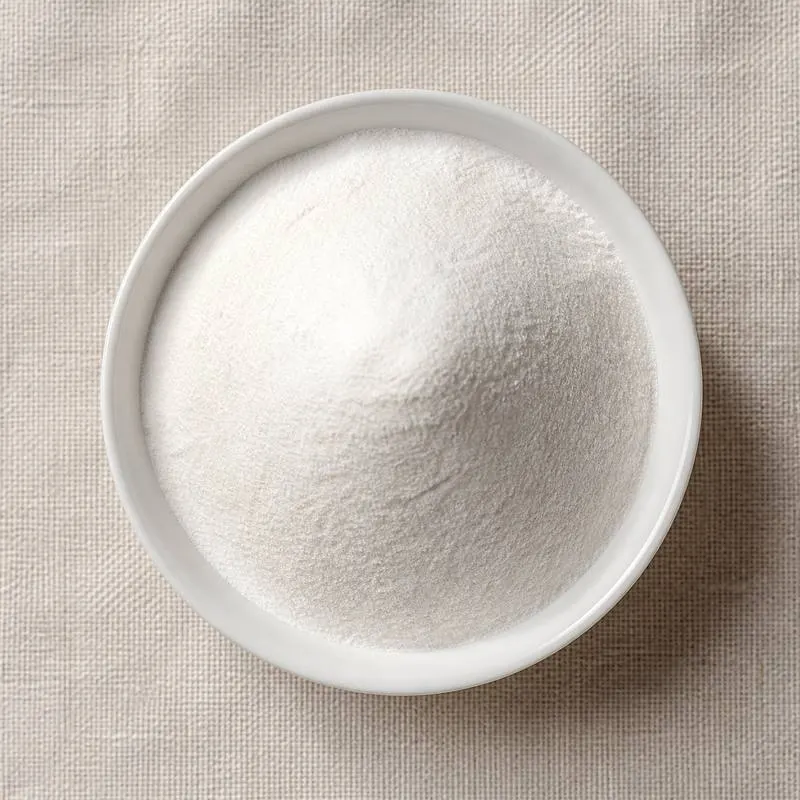
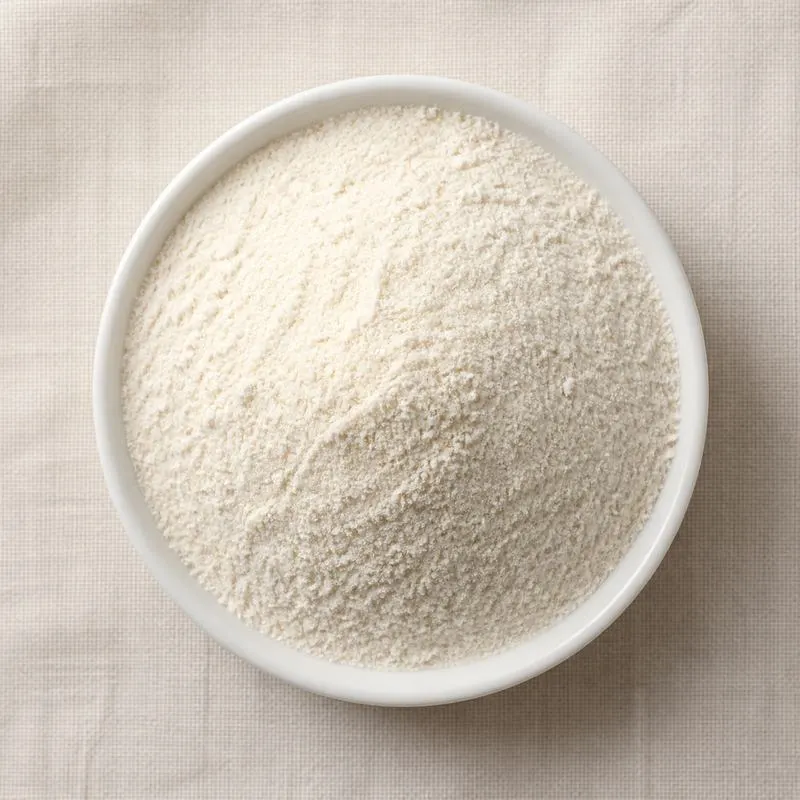
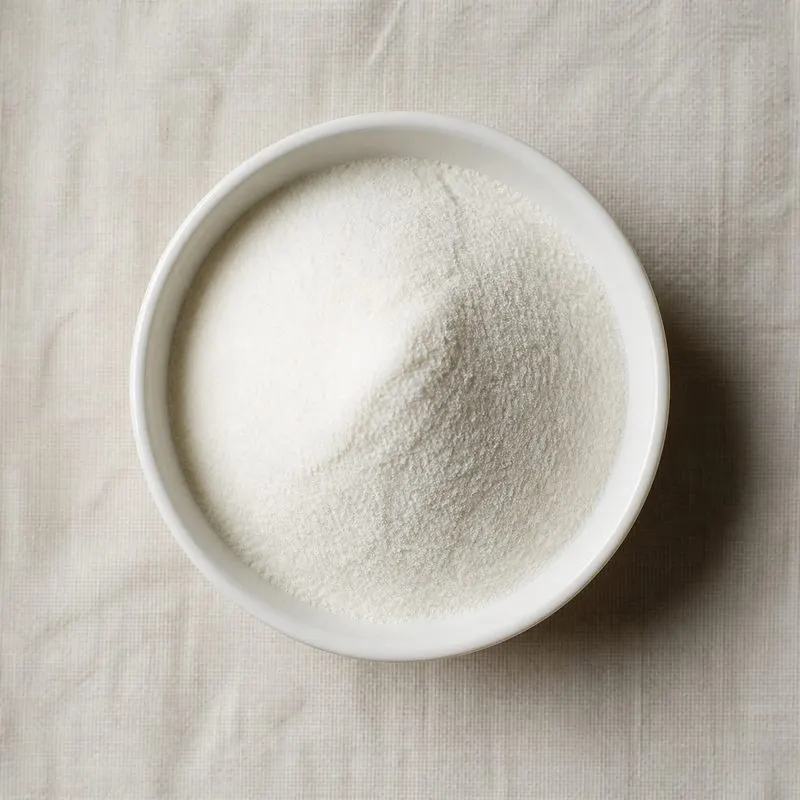
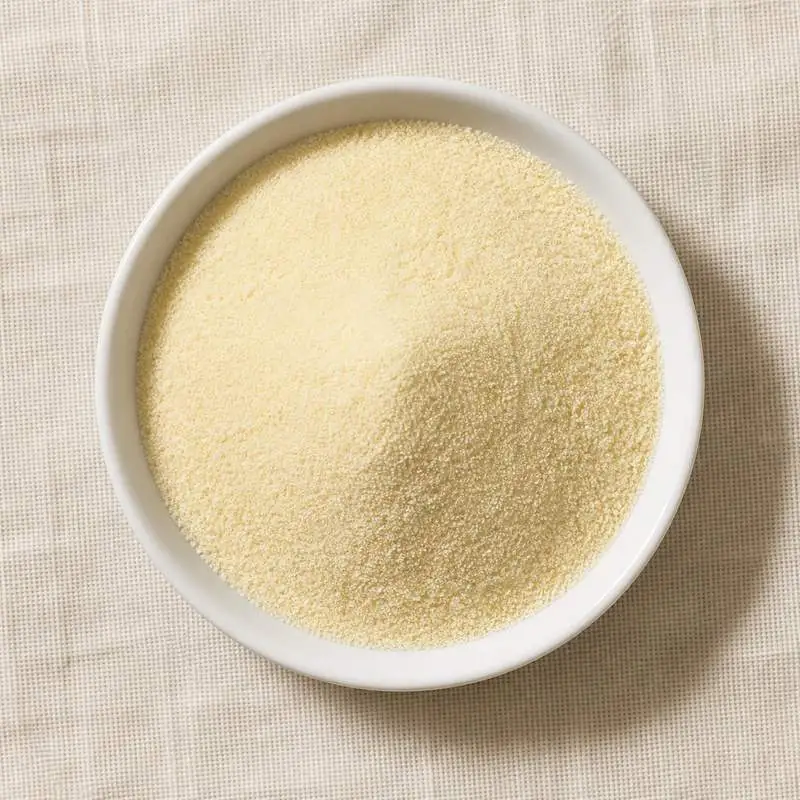
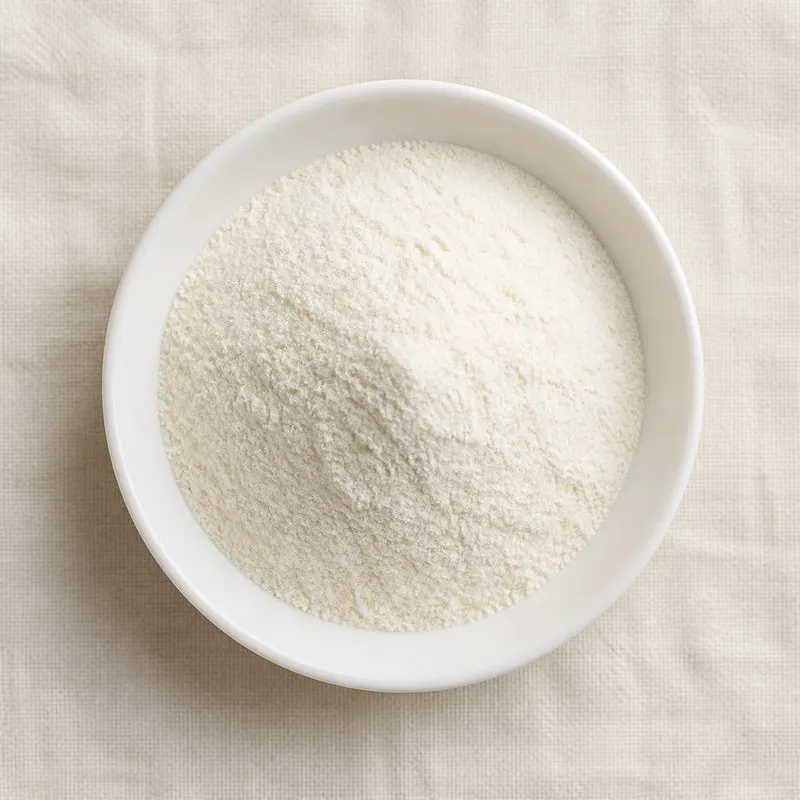
The seasoning ships as a free flowing powder or a coarse blend with visible dried garnish, packed in sachets for retail and instant noodle use or in bulk for food service. It is formulated to disperse in hot water without lumping, and its shelf life depends on the moisture barrier of the pack, since both the egg and the savoury components are hygroscopic.
We source bulk Egg Powder Soup Seasoning from top China manufacturers for our partners. The manufacturer is in Liaoning. A smaller requirement can ship in a combined container with other ingredients.
Please send the grade you need, the volume and your destination port, and we will come back with a solution and a price.
or call +86-21-6858 0751
- Function
- Protein
Specifications
| Item | Specification |
|---|---|
| Appearance | Free-flowing pale yellow powder with visible dried garnish |
| Odour and Taste | Characteristic egg and savoury, no off notes |
| Egg Solids (as whole egg powder) | ≥ 20.0% |
| Protein (N × 6.25, dry basis) | ≥ 10.0% |
| Moisture | ≤ 5.0% |
| Fat | ≤ 8.0% |
| Sodium Chloride (NaCl) | 25.0% - 35.0% |
| Particle Size | 100% through 20 mesh |
| Dispersibility (85 °C water) | Disperses within 30 s without lumping |
| Lead (Pb) | ≤ 1.0 mg/kg |
| Total Plate Count | ≤ 30,000 cfu/g |
| Coliforms | ≤ 30 MPN/100g |
| Staphylococcus aureus | Negative/25g |
| Salmonella | Negative/25g |
Common Markets Grades
Grades are commercial formulations rather than a graded specification. The main axes are the egg content, which is what separates a premium blend from an economy one, the presence and quality of the dried garnish, and whether the savoury base uses added glutamate and nucleotides or relies on yeast extract and hydrolysed vegetable protein for a clean label position. Sodium level is the other variable that buyers specify, and reduced sodium versions substitute potassium chloride and yeast extract for part of the salt.
Formats separate into sachet fill blends for instant noodle and cup soup packing, retail sachets sold on their own, and bulk food service packs. Suppliers normally offer both a standard blend and formulation to a customer recipe, and the technical specification travels with the individual formulation rather than with the product name.
Applications
- Instant egg drop soup sachets sold at retail and in food service
- Instant noodle seasoning sachets, providing both the savoury base and the egg garnish
- Cup soup and vending machine soup products reconstituted with hot water
- Convenience rice bowl and porridge products in the Chinese and Southeast Asian markets
- Restaurant and canteen soup preparation, where the blend replaces from scratch stock making
- Dry seasoning for hot pot and noodle bases sold as a dry mix
- Camping, military and emergency ration meal components
- Export packed Chinese seasoning ranges for the overseas retail trade
China Manufacturers of Egg Powder Soup Seasoning
Top Egg Powder Soup Seasoning manufacturers in China.

Company names and logos are the property of the manufacturers themselves. They are listed here because our own directory records them as producing this ingredient. A listing is not an endorsement by them, and we do not represent them or speak on their behalf.
Regulatory Status
In the United States a dry soup seasoning is a formulated food rather than an ingredient with its own status, and each component must be a permitted food ingredient. Dried egg is regulated as an egg product under the Egg Products Inspection Act and must be pasteurised, and egg is a major food allergen requiring declaration. Monosodium glutamate must be declared by name in the ingredient list where used, and blends containing hydrolysed vegetable protein must name the source. Where wheat, soy or milk derived components appear, those allergens must also be declared.
In the European Union the blend is a compound food and its labelling follows the food information regulation, with a full ingredient list in descending order of weight, allergen emphasis for egg and any wheat, soy, milk, sesame or celery derived components, and a nutrition declaration. Flavour enhancers such as monosodium glutamate and the nucleotides are authorised food additives with E numbers and must be declared by category name and number, at levels permitted for the relevant food category under the food additives regulation. Egg used in the blend must come from establishments complying with the hygiene rules for food of animal origin. Codex maintains general standards for food additives and for the labelling of prepackaged foods, which are the international reference for products of this kind.
Manufacturing Process
The blend is assembled from separately manufactured components rather than made in one process. Spray dried whole egg or egg white powder is bought in or produced from pasteurised liquid egg and is normally desugared before drying so that it does not brown during storage. Freeze dried egg strands, where used, are made by cooking liquid egg into thin ribbons, then freezing and freeze drying them. Dried vegetables are air or freeze dried and cut to the garnish size. The savoury base is a dry mixture of salt, glutamate, nucleotides, yeast extract and hydrolysed vegetable protein.
Blending is a dry operation in a ribbon or double cone mixer under controlled humidity, since the hygroscopic components pick up moisture from the air and cake. Minor ingredients are premixed with a portion of the carrier to ensure they distribute evenly at low inclusion, then the premix and the major components are blended to a defined mixing time validated by testing homogeneity. The finished blend is sieved, passed through a metal detector and filled into laminated sachets under a low humidity atmosphere, with sachet seal integrity and fill weight the controlling checks. No thermal processing is applied at the blending stage, so the microbiological quality of the finished seasoning is inherited from the incoming components.