Egg Shell
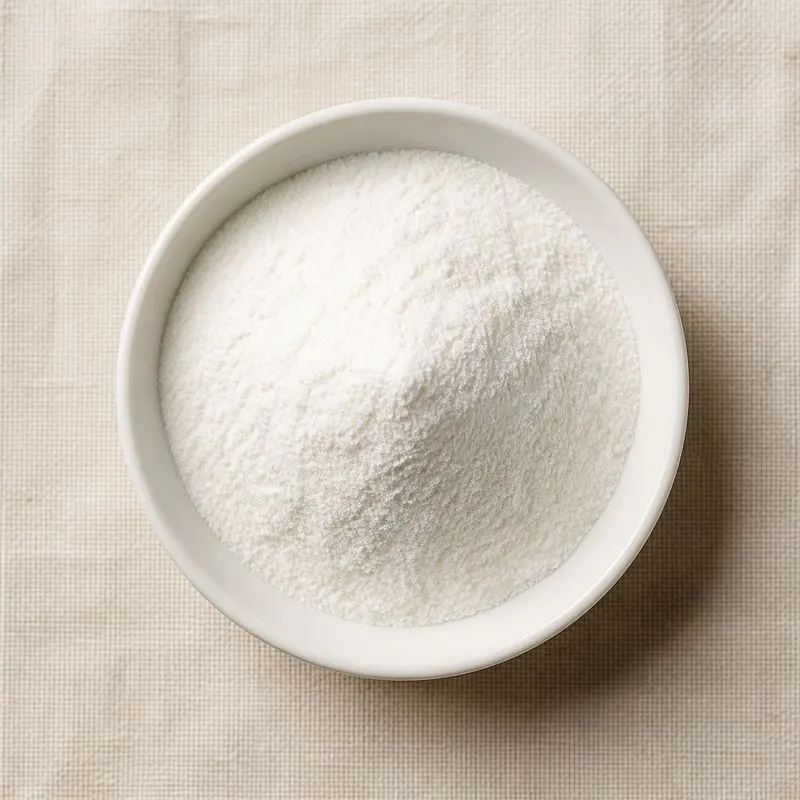
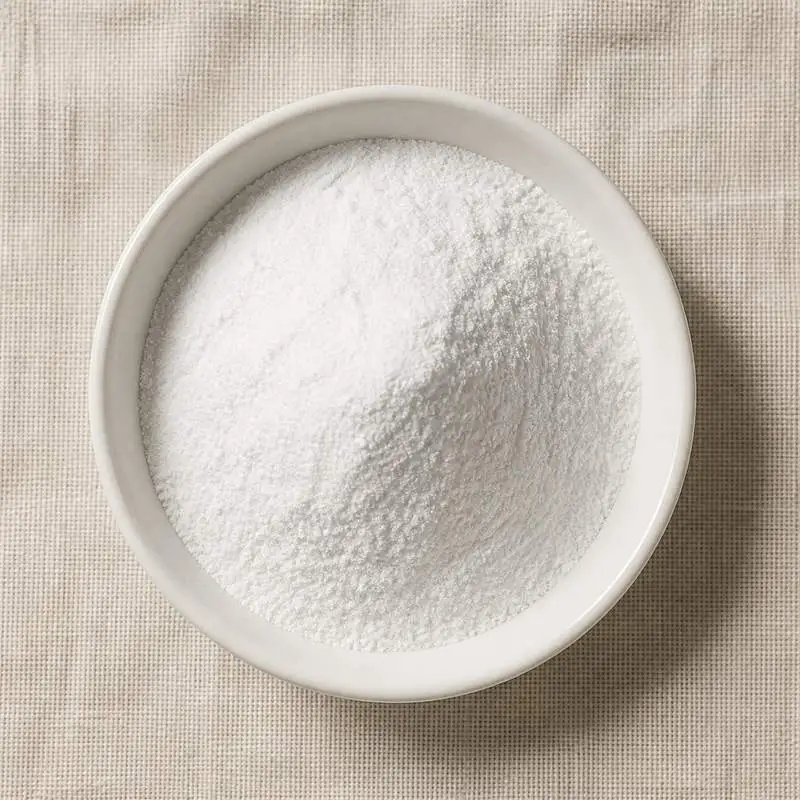
Egg shell, as a traded ingredient, is the cleaned and milled shell of the hen's egg, recovered from egg breaking plants and processed into a natural calcium carbonate powder.
The shell is roughly 95 percent calcium carbonate in the calcite form, deposited on an organic scaffold of protein and mucopolysaccharide that makes up the remaining few percent and gives the powder its faint cream colour and its slight organic residue. Magnesium and phosphorus are present at low levels along with trace strontium and fluoride, so the material delivers calcium in a matrix closer to a whole food than a synthetically precipitated carbonate does, which is the basis of its positioning.
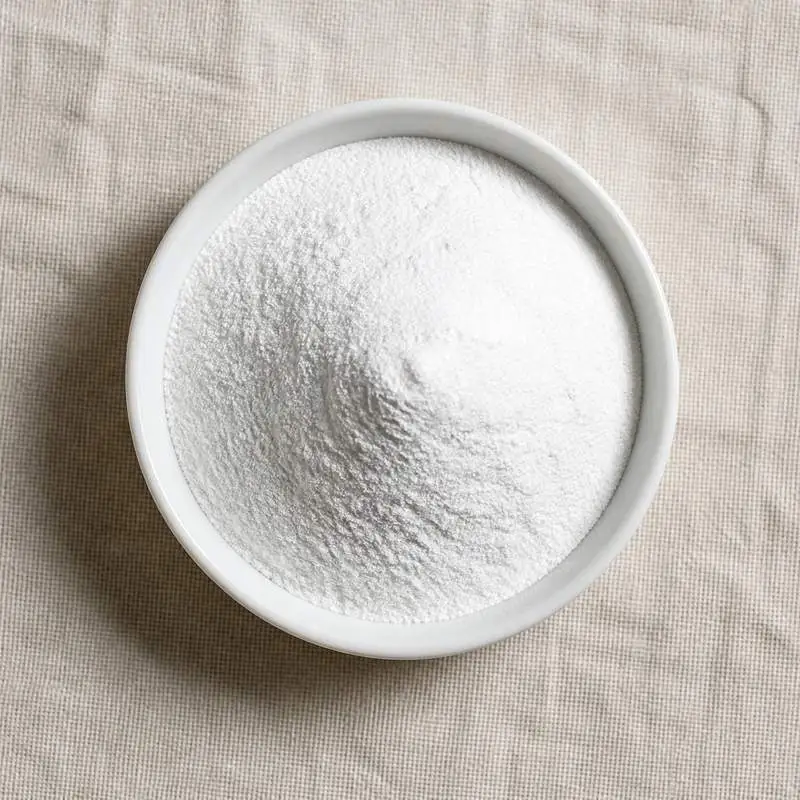
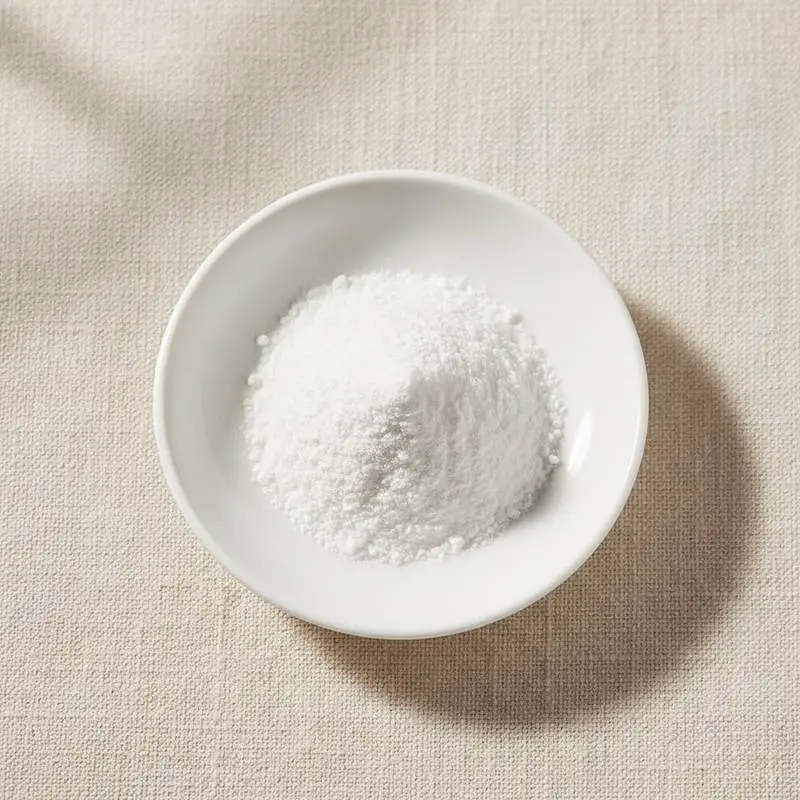
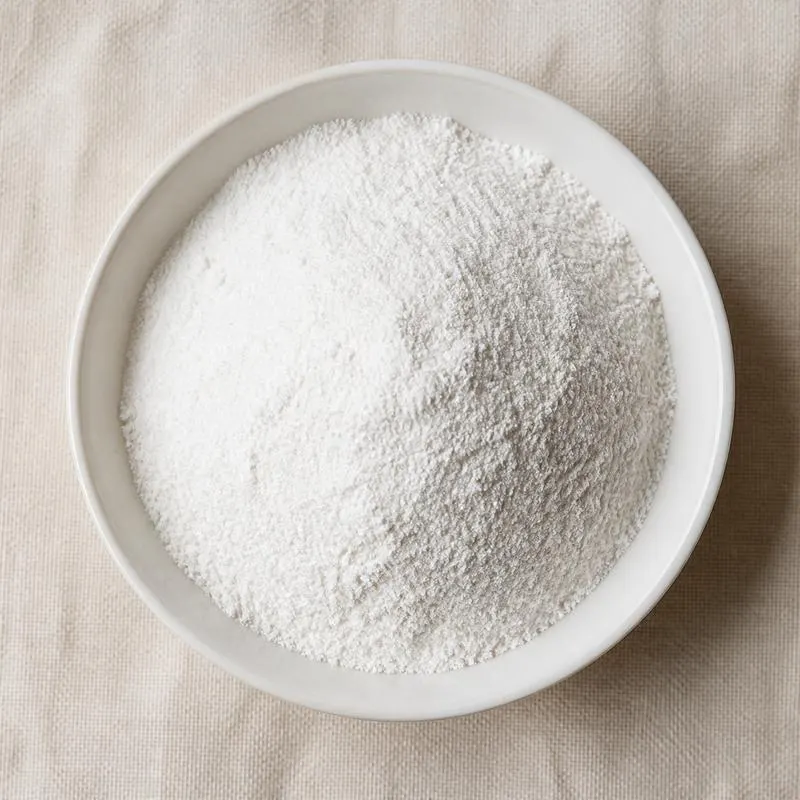
It is a white to cream free flowing powder milled to a defined mesh, with fine and micronised grades made where mouthfeel matters. Like any carbonate it is practically insoluble in water and dissolves in acid with the evolution of carbon dioxide, so it depends on gastric acid or an added acidulant to become available, and it will react with the acid phase of a beverage or a dough if it is not protected. It is stable, non-hygroscopic and long lived in storage. The inner shell membrane, a separate ingredient with a quite different composition, is normally removed before milling and traded on its own.
We source bulk Egg Shell from top China manufacturers for our partners. The manufacturer is in Liaoning. A smaller requirement can ship in a combined container with other ingredients.
Please send the grade you need, the volume and your destination port, and we will come back with a solution and a price.
or call +86-21-6858 0751
- Function
- Nutraceutical
Specifications
| Item | Specification |
|---|---|
| Appearance | White to cream free flowing powder |
| Identification | Positive for calcium and carbonate |
| Calcium Carbonate | Not less than 94.0% |
| Calcium | Not less than 37.0% |
| Particle Size | 99% through 200 mesh |
| Residual Membrane and Protein | Not more than 2.0% |
| Loss on Drying | Not more than 2.0% |
| Acid Insoluble Matter | Not more than 0.5% |
| Lead | Not more than 1.0 mg/kg |
| Arsenic | Not more than 1.0 mg/kg |
| Cadmium | Not more than 0.5 mg/kg |
| Total Plate Count | Not more than 10,000 CFU/g |
| E. coli | Absent in 1 g |
| Salmonella | Absent in 25 g |
Common Markets Grades
Food and supplement grade shell powder is graded chiefly on particle size and on membrane content. Coarse grades at 80 to 120 mesh are used where the powder is going into tablets or feed, while 200 to 325 mesh and micronised grades are specified for beverages and soft foods, because the calcite particles are hard and a coarse powder is perceived as gritty. Residual membrane is limited by specification, since organic residue raises the protein and moisture figures and shortens shelf life.
Beyond the milled powder, processors offer a calcined grade, heated to drive off the organic fraction and give a whiter, essentially pure carbonate, and a sterilised grade treated to bring down the microbiological load carried in from the breaking plant. Eggshell derived calcium is also converted into other salts by dissolving the shell in citric or lactic acid to make eggshell calcium citrate or lactate with far higher solubility. A separate feed grade with looser limits is traded for poultry and livestock and should not be substituted into food.
Applications
- Natural calcium supplements in tablet and capsule form, positioned against synthetic carbonate
- Fortified bakery products, where the powder raises calcium without affecting dough hydration
- Calcium fortified plant beverages and dairy analogues, using the micronised grade to limit grittiness
- Nutrition bars and cereals carrying a calcium declaration from a food derived source
- Chewable and effervescent tablets, where an added acidulant dissolves the carbonate
- Feedstock for eggshell calcium citrate and lactate, made by dissolving the shell in the corresponding acid
- Antacid style formulations relying on the acid neutralising capacity of the carbonate
- Poultry and livestock feed, the traditional and largest volume outlet for recovered shell
- Pet food and companion animal supplements needing a calcium and mineral carrier
China Manufacturers of Egg Shell
Top Egg Shell manufacturers in China.

Company names and logos are the property of the manufacturers themselves. They are listed here because our own directory records them as producing this ingredient. A listing is not an endorsement by them, and we do not represent them or speak on their behalf.
Regulatory Status
In the United States, eggshell powder is handled as a food derived calcium source rather than as a distinct additive listing; calcium carbonate itself is affirmed as generally recognised as safe for food use, and eggshell derived calcium is sold as a dietary ingredient under the Dietary Supplement Health and Education Act with GRAS determinations filed for particular preparations. Egg is a major allergen under the Food Allergen Labelling and Consumer Protection Act, and because the shell can carry residual egg protein and membrane, allergen declaration and a validated cleaning process are central to the specification. The Food Safety Modernization Act preventive controls apply to the processing plant, and Salmonella control is the critical microbiological point given the origin of the raw material.
In the European Union, eggshell is an animal by-product and must be handled as Category 3 material in an approved establishment under the animal by-products rules before it can re-enter the food or feed chain. Calcium carbonate is an authorised food additive designated E 170, and eggshell derived calcium used as a nutrient source in supplements is governed by the permitted mineral source lists under the supplements legislation. Eggs and products of eggs are Annex II allergens under the food information regulation and must be declared. JECFA has evaluated calcium carbonate and publishes specifications for it in the Codex framework, where calcium is treated as a nutrient rather than a substance requiring an intake limit.
Manufacturing Process
Shell arrives as a wet by-product from egg breaking plants, carrying adhering albumen, yolk and the inner membrane, and is highly perishable in that state, so it is processed or chilled promptly. The first operation is washing, using warm water and mechanical agitation to strip residual egg liquid, followed by membrane separation, in which the shell is agitated in water so that the lighter membrane fragments float or are drawn off by hydrocyclone and air classification while the denser shell settles. Recovered membrane goes to its own processing line.
Washed shell is then dried, usually in rotary or fluid bed dryers, and heat treated to reduce the microbiological load; some plants use a saturated steam sterilisation step, and calcined grades instead go through a furnace that burns off the remaining organic matter. The dried shell is milled in hammer, pin or jet mills to the specified particle size, with jet milling used for the micronised grades because the calcite is abrasive and mechanical mills wear rapidly, then air classified to a defined distribution. The powder passes over magnets and metal detectors, is screened for shell fragments outside the size band, then assayed for calcium, moisture and microbiology, blended to a uniform lot and packed. Where a soluble salt is the target, the milled shell is instead reacted with citric or lactic acid, filtered, concentrated and dried into the corresponding calcium salt.