Egg Yolk Phospholipoprotein
Egg yolk phospholipoprotein is the lipoprotein fraction of hen egg yolk, in which phospholipid and protein are bound together in a single particle rather than being present as separate components. Yolk is naturally organised this way: roughly two thirds of its dry matter is a low density lipoprotein assembly in which triglyceride and phospholipid are enclosed by a shell of apoprotein and phosphatidylcholine, and the rest is granule material made up of high density lipoprotein and the phosphoprotein phosvitin.
The commercial ingredient is the concentrated form of that assembly, produced from yolk without the solvent defatting that would separate the lipid from the protein. Keeping the two together is the point, because the emulsifying power of yolk comes from the intact lipoprotein rather than from lecithin alone, and the particle adsorbs at an oil water interface far more effectively than either component on its own.
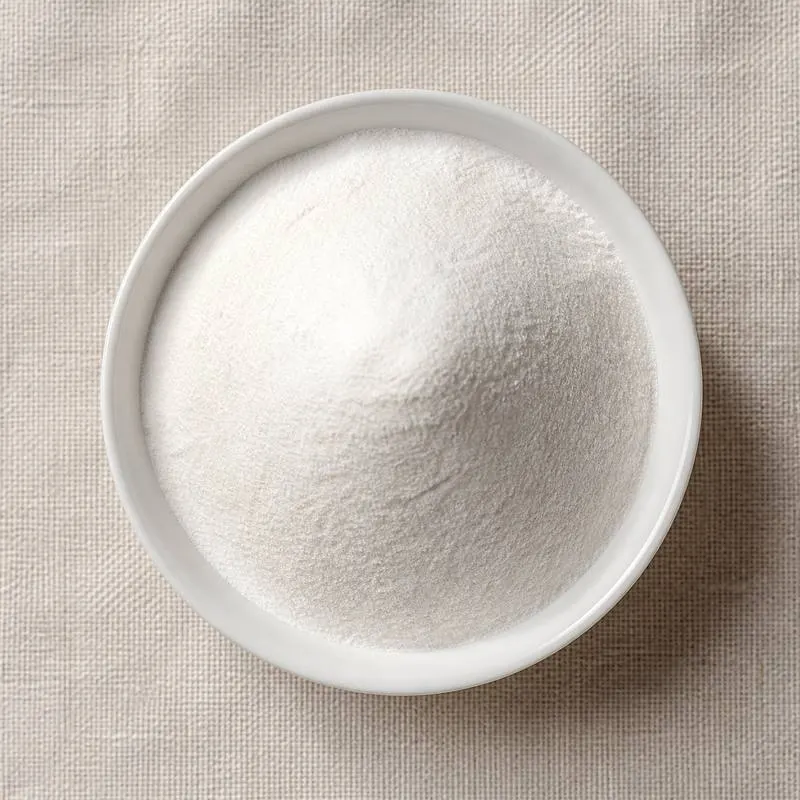
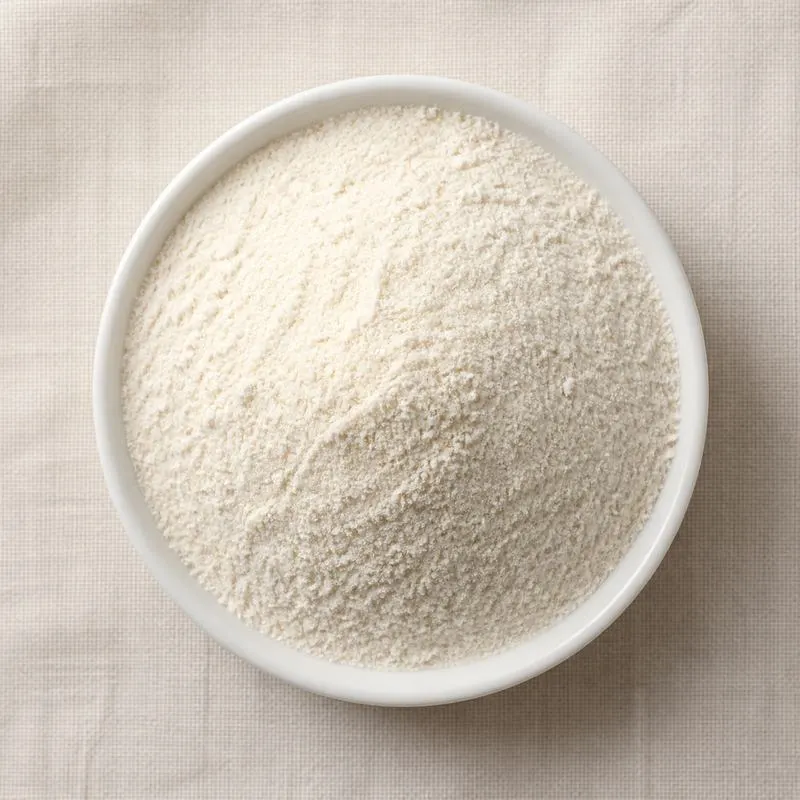
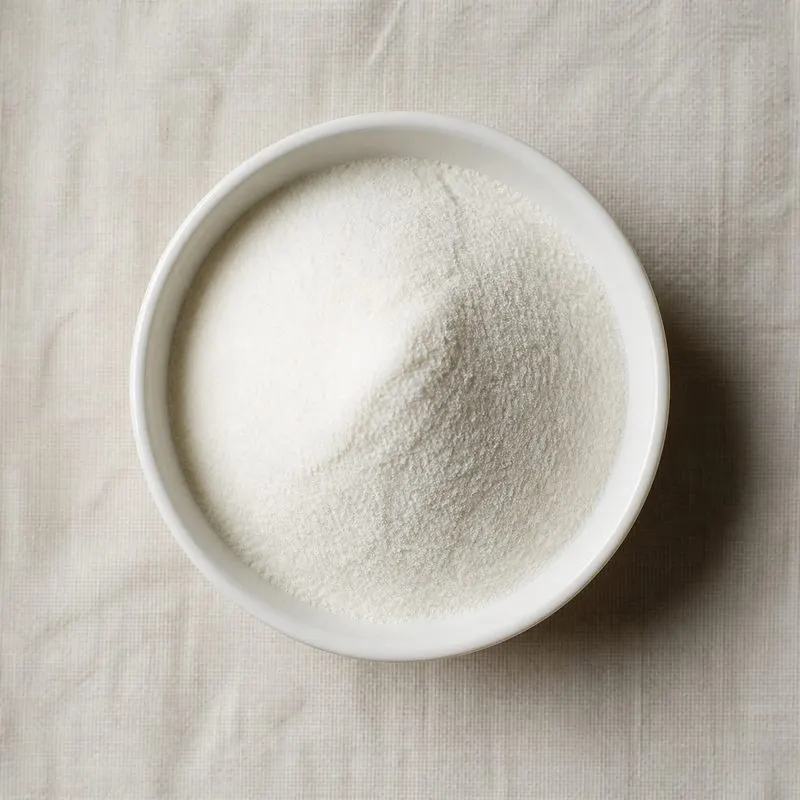
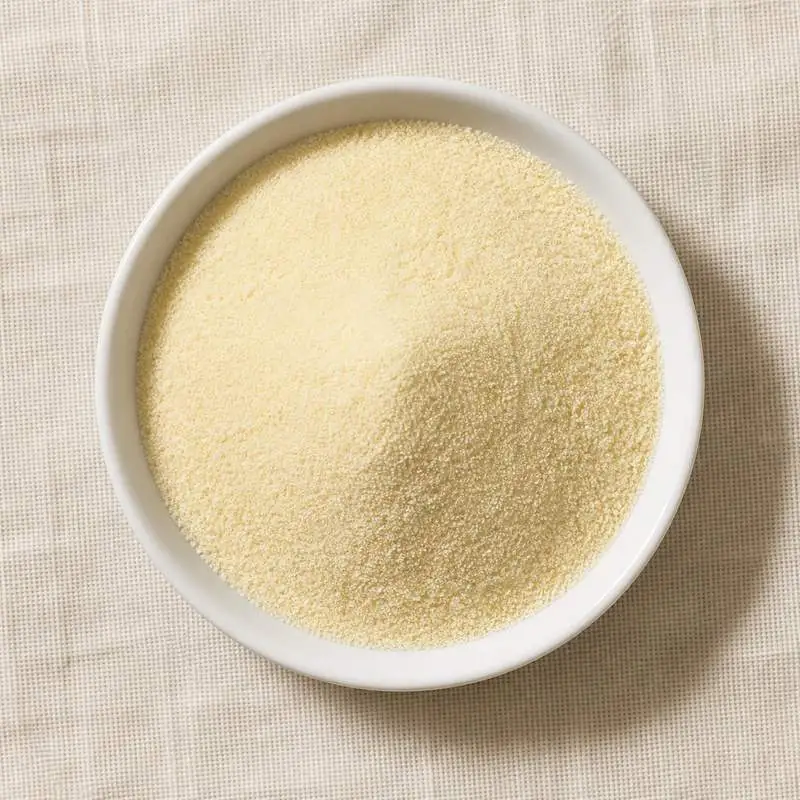
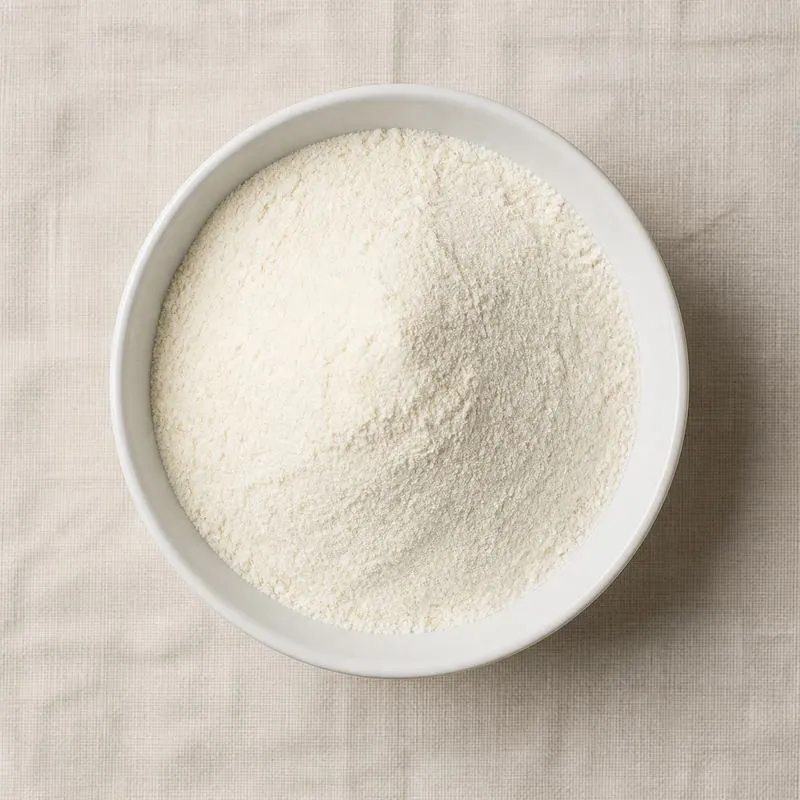
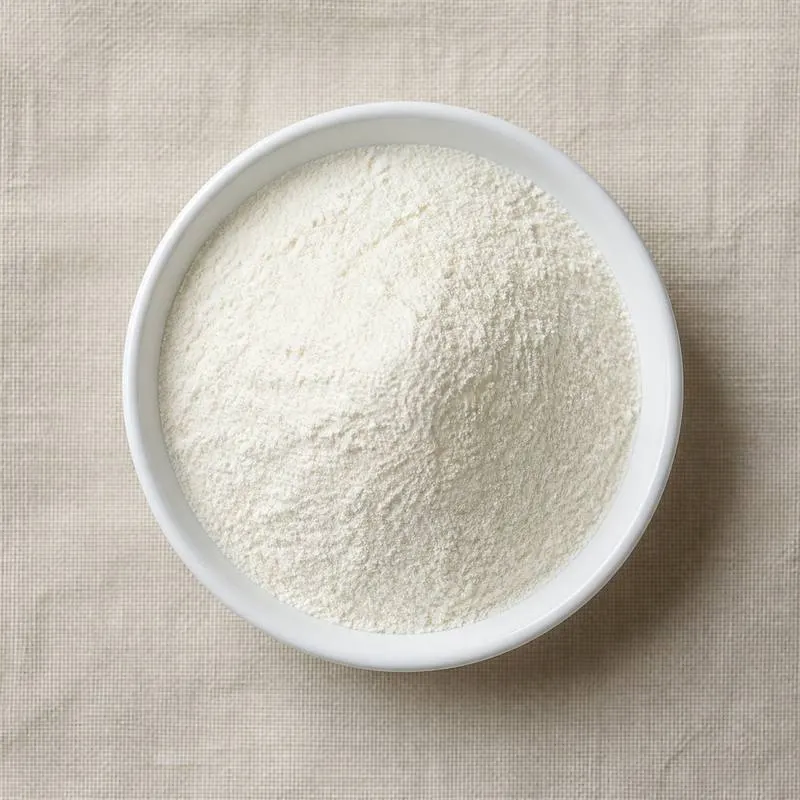
The powder is light yellow to orange, spray dried or freeze dried, dispersible rather than fully soluble in water, forming a slightly turbid colloidal suspension. Phospholipid content typically runs between 15 and 40 percent depending on the grade, with protein making up much of the remainder, and the powder is prone to oxidation because the phospholipid carries unsaturated fatty acids, so it is packed under nitrogen and often carries an added antioxidant.
We source bulk Egg Yolk Phospholipoprotein from top China manufacturers for our partners. The manufacturer is in Jilin. A smaller requirement can ship in a combined container with other ingredients.
Please send the grade you need, the volume and your destination port, and we will come back with a solution and a price.
or call +86-21-6858 0751
- Function
- Protein
Specifications
| Item | Specification |
|---|---|
| Appearance | Light yellow to orange free flowing powder |
| Odour and Taste | Characteristic egg yolk odour, bland to slightly fatty taste |
| Phospholipid Content | Not less than 18.0 percent |
| Protein (dry basis, N x 6.25) | Not less than 30.0 percent |
| Identification | Phospholipid profile by thin layer chromatography conforms to reference |
| Moisture | Not more than 4.0 percent |
| Ash | Not more than 5.0 percent |
| Peroxide Value | Not more than 5.0 meq/kg |
| Acid Value | Not more than 30 mg KOH/g |
| pH (10 percent dispersion) | 5.5 to 7.5 |
| Residual Ethanol | Not more than 0.5 percent |
| Lead | Not more than 0.1 mg/kg |
| Total Plate Count | Not more than 10000 cfu/g |
| Enterobacteriaceae | Not more than 10 cfu/g |
| Yeast and Mould | Not more than 100 cfu/g |
| Salmonella | Negative in 25 g |
Common Markets Grades
Grades are defined by phospholipid content and by the ratio of phospholipid to protein. Lower phospholipid grades around 15 to 20 percent are essentially concentrated yolk solids and are used as emulsifiers in food manufacture. Higher grades at 30 to 40 percent have been enriched by alcohol fractionation or by separating the granule from the plasma fraction, and are sold into supplement and pharmaceutical applications where the phosphatidylcholine content is the basis of the positioning.
Drying route is the second distinction. Spray dried powder is the bulk format, and freeze dried material carries a premium because it protects the phospholipid against oxidative damage and preserves the native lipoprotein structure better. Beyond that, buyers specify peroxide value and acid value as the practical measures of oxidative condition, cholesterol content where the product is positioned nutritionally, and whether the material has been enzymatically modified, since treatment with phospholipase to produce lysophospholipid gives a derivative with much greater heat and acid stability as an emulsifier.
Applications
- Mayonnaise and dressing manufacture, where the intact lipoprotein is the emulsifier holding the oil phase
- Bakery creams, custards and sauces, contributing emulsification, colour and richness
- Ice cream and frozen dessert mixes, stabilising the fat emulsion and improving whipping
- Instant beverage and nutritional powders, where the lipoprotein aids wetting and dispersion of fat
- Phosphatidylcholine and lecithin supplements, using the higher phospholipid grades
- Infant and clinical nutrition, as a source of phospholipid bound choline
- Liposome and encapsulation systems in pharmaceutical and cosmetic manufacture
- Skin care emulsions, where egg phospholipid functions as a natural emulsifier and skin conditioning agent
- Aquaculture feeds, where yolk phospholipid supports larval development
China Manufacturers of Egg Yolk Phospholipoprotein
Top Egg Yolk Phospholipoprotein manufacturers in China.

Company names and logos are the property of the manufacturers themselves. They are listed here because our own directory records them as producing this ingredient. A listing is not an endorsement by them, and we do not represent them or speak on their behalf.
Regulatory Status
In the United States egg yolk and its fractions are egg products regulated by the Food Safety and Inspection Service of the Department of Agriculture under the Egg Products Inspection Act, which requires inspected processing and pasteurisation of the liquid. Egg derived lecithin and lipoprotein preparations are handled as conventional food ingredients on generally recognised as safe status that the manufacturer establishes. Egg is a major food allergen and must be declared regardless of the degree of processing, and where an ethanol extraction is used the residual solvent must meet the limits applying to processing solvents.
In the European Union egg products fall under the hygiene rules for food of animal origin covering egg breaking centres and heat treatment, and imports must come from listed establishments in approved third countries. Egg lecithin is an authorised food additive as lecithins, E 322, permitted at quantum satis in most food categories, while a phospholipoprotein concentrate sold as a nutritional ingredient rather than an emulsifier would be assessed on whether it is a novel food. Egg is a listed allergen under the food information regulation. JECFA has evaluated lecithins and Codex includes them in the general standard for food additives with published specifications.
Manufacturing Process
The process starts from separated liquid yolk, produced by breaking shell eggs and dividing the contents at the breaking machine, with albumen carryover kept low because it dilutes the yolk solids. The liquid yolk is filtered and pasteurised in the narrow window yolk tolerates, since it coagulates at a lower temperature than most food liquids. For a simple concentrated grade the pasteurised yolk is homogenised and spray dried directly at a low inlet temperature, giving a whole yolk powder in which the lipoprotein remains intact.
Enriched grades require a fractionation step. Diluting yolk with water and centrifuging separates it into a plasma fraction, containing the low density lipoprotein and the livetins, and a granule fraction, containing high density lipoprotein and phosvitin, and the two can be dried separately. Alternatively the yolk or the plasma fraction is extracted with cold ethanol, which selectively takes up phospholipid together with the associated protein and leaves much of the triglyceride behind, and the extract is then desolventised under vacuum at low temperature. Whichever route is used, the concentrate is dried gently by spray or freeze drying, blended with an antioxidant where specified, sieved and packed under nitrogen, because oxidation is the main cause of specification failure in storage.