Egg Yolk
Egg yolk is the yellow fraction of the hen egg, separated from the white and sold to industry as a liquid, frozen or spray dried ingredient. It is an oil in water emulsion of roughly 50 percent water, 32 percent lipid and 16 percent protein, and it is by a wide margin the most functional emulsifier available from a whole food.
That emulsifying capacity comes from the low density lipoprotein fraction and from phospholipid, principally lecithin, which together account for around a third of the yolk lipid. The lipoprotein particles unfold at an oil and water interface and form a film that holds oil droplets apart, which is why yolk stabilises mayonnaise and hollandaise at oil loadings that no simple surfactant would hold. Yolk protein also sets on heating, coagulating from about 65 degrees Celsius, which is the basis of custard and set filling systems.
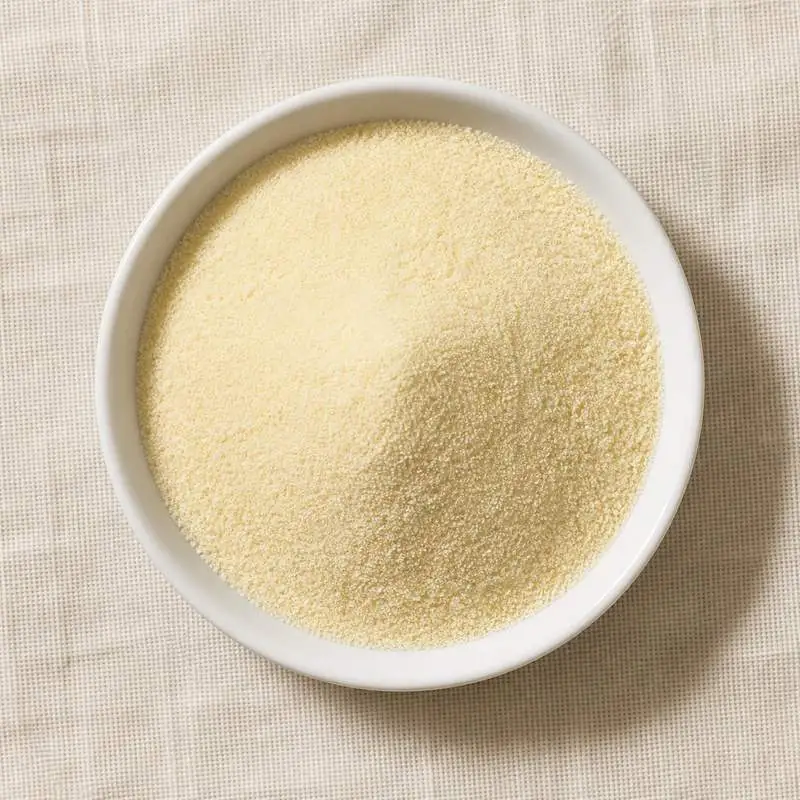
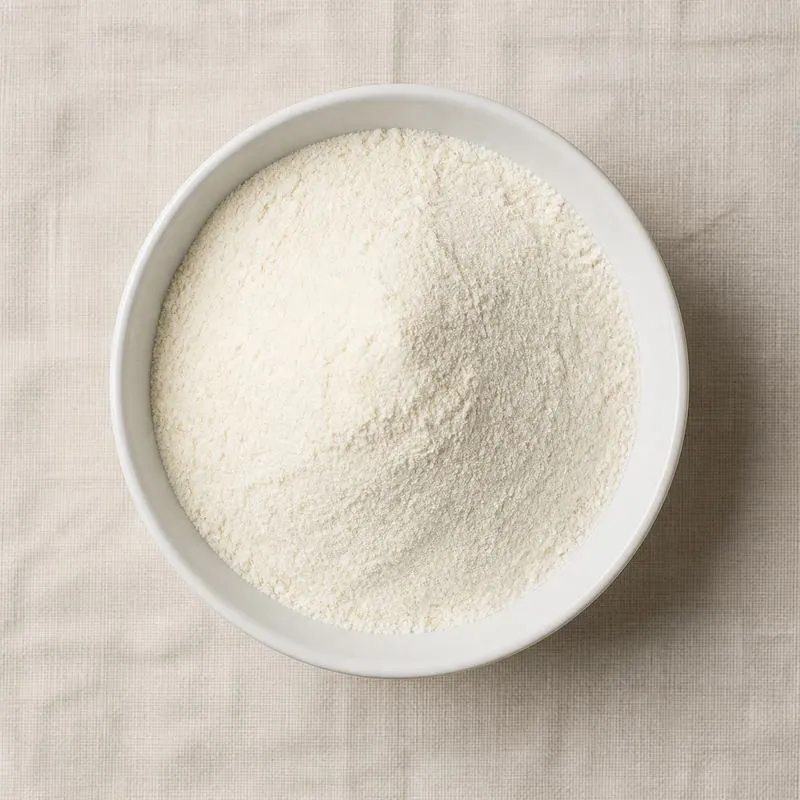
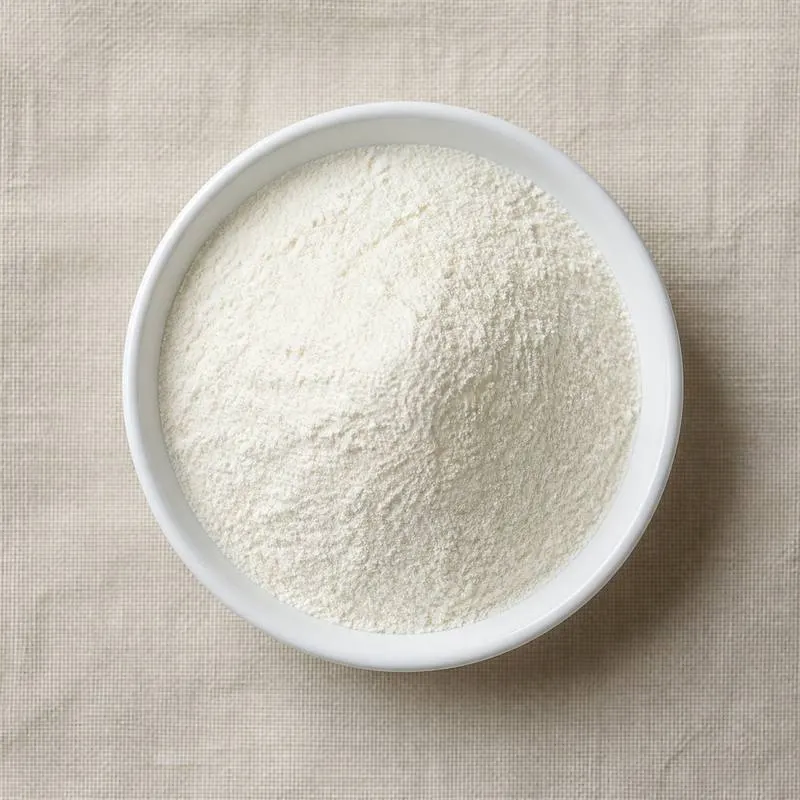
Liquid yolk is a viscous orange to deep yellow fluid; colour depends on the carotenoid content of the hen's diet and is specified on a fan scale. Dried yolk is a pale yellow to orange free flowing powder at 3 to 5 percent moisture. Yolk is high in cholesterol and its lipid fraction is prone to oxidation, so dried material is packed under nitrogen or vacuum and held cool.
We source bulk Egg Yolk from top China manufacturers for our partners, working with several of them. The manufacturers are in Jiangsu, Anhui and Liaoning. A smaller requirement can ship in a combined container with other ingredients.
Please send the grade you need, the volume and your destination port, and we will come back with a solution and a price.
or call +86-21-6858 0751

- Function
- Protein
Specifications
| Item | Specification |
|---|---|
| Appearance | Orange to deep yellow viscous liquid, or free flowing powder |
| Odour and Taste | Characteristic fresh egg, free from rancid or fishy notes |
| Total Solids, liquid | ≥ 43.0% |
| Moisture, powder | ≤ 5.0% |
| Fat, dry basis | ≥ 57.0% |
| Protein, N x 6.25, dry basis | ≥ 30.0% |
| Free Fatty Acids | ≤ 3.0% of fat |
| Colour | Per agreed fan scale range |
| pH | 6.0 to 6.6 |
| Shell and Foreign Matter | ≤ 100 mg/kg |
| Lead | ≤ 0.1 mg/kg |
| Total Plate Count | ≤ 50,000 CFU/g |
| Enterobacteriaceae | ≤ 10 CFU/g |
| E. coli | Absent in 1 g |
| Salmonella | Absent in 25 g |
Common Markets Grades
The main division is by physical form. Liquid pasteurised yolk requires a cold chain and has a shelf life of days to a few weeks. Frozen yolk keeps for months but gels irreversibly on freezing unless salt or sugar is added before freezing to suppress that gelation, so frozen yolk is normally traded as a salted or sugared grade at around 10 percent added salt or sugar. Spray dried yolk is ambient stable and is the form that moves in international trade.
Beyond form, grades differ by treatment. Standard dried yolk is used where the glucose it contains does not matter, while desugared yolk, from which the glucose has been removed by fermentation or enzymatically, is specified where Maillard browning during storage would otherwise darken the powder. Stabilised, high whipping and enzyme modified yolks, treated with phospholipase to raise heat and acid stability of the emulsion, are produced for demanding mayonnaise and sauce systems. Colour graded yolk sorted on a carotenoid fan scale is traded where the finished product depends on it.
Applications
- Mayonnaise and emulsified dressings, the largest industrial outlet, where yolk lipoprotein stabilises the oil phase
- Hollandaise, béarnaise and other warm emulsion sauces, where the emulsion must survive heating
- Custards, crèmes and dessert fillings, using the thermal setting of yolk protein
- Ice cream and frozen dessert mixes, contributing emulsification and a richer mouthfeel
- Bakery, in enriched doughs, brioche and sponge batters, where yolk lipid tenderises and delays staling
- Egg wash and glazing for baked goods, giving colour and gloss
- Pasta and noodle manufacture, where yolk enriches colour and firms the bite
- Confectionery and cream fillings, adding body and a dairy-like richness
- Lecithin extraction, using yolk as the raw material for high phosphatidylcholine lecithin
- Pet food and specialty feed, as a palatable concentrated source of lipid and protein
Brands Using Egg Yolk
Widely-distributed consumer products that list Egg Yolk on the ingredient label.
- Primal KitchenMayo with Avocado Oil ↗Seven-ingredient mayonnaise whose list names organic egg yolks alongside organic whole eggs as the emulsifier.Label verified 2026-08-31
- Chosen FoodsAvocado Oil Mayo ↗Avocado oil mayonnaise listing egg yolks third, ahead of organic whole eggs and vinegar.Label verified 2026-08-31
Brand names, product names and logos are the property of their owners. They appear here as published evidence that the ingredient is used, taken from the brand's own label or website. Their appearance is not an endorsement, and it does not mean the brand buys from us or from any manufacturer listed on this site.
China Manufacturers of Egg Yolk
Top Egg Yolk manufacturers in China.
- Anhui Rongda Food Co., Ltd.7 ingredients in the directory
 Dalian Greensnow Egg Products Development Co., Ltd.7 ingredients in the directory
 Jiangsu Leiva Biotech Co., Ltd.10 ingredients in the directory
 Jiangsu Tiancheng Egg Co., Ltd.3 ingredients in the directory
Company names and logos are the property of the manufacturers themselves. They are listed here because our own directory records them as producing this ingredient. A listing is not an endorsement by them, and we do not represent them or speak on their behalf.
Regulatory Status
In the United States liquid, frozen and dried egg products are regulated by the Food Safety and Inspection Service under the Egg Products Inspection Act, which requires continuous inspection of egg processing plants and mandatory pasteurisation to prescribed time and temperature combinations for each product form. Shell eggs themselves fall under the Food and Drug Administration's egg safety rule covering Salmonella Enteritidis prevention. Eggs are a major food allergen requiring plain declaration on the label.
In the European Union egg products are covered by the hygiene regulations for food of animal origin, which set the requirements for breaking plants, the pasteurisation obligation and the compositional and microbiological criteria for liquid and dried egg products, including limits on shell residue and on succinic acid and 3-hydroxybutyric acid as indicators of incubated or spoiled eggs. Eggs and products thereof appear in the list of allergens that must be emphasised in the ingredient list. Codex addresses the products through its general principles of food hygiene and its code of hygienic practice for eggs and egg products.
Manufacturing Process
Shell eggs are received, candled and washed, then broken on a high speed breaking machine that cracks the shell and separates yolk from white mechanically. Separation efficiency is the critical control, since white carried into the yolk raises the water content and dilutes the functional lipid fraction, and the specification for albumen contamination is tight. The separated yolk is filtered to remove shell fragments and chalazae, then chilled and held in a balance tank.
Yolk is then pasteurised, at a lower temperature and longer hold than milk because yolk protein begins to coagulate around 65 degrees Celsius, so the process runs close to the point at which the product would be damaged. Salt or sugar is blended in at this stage for grades destined for freezing, and enzyme modified grades are treated with phospholipase under controlled conditions. Liquid product is then chilled and filled, or frozen in blocks or pails.
Material destined for powder is first desugared where required, by holding it with a yeast or with glucose oxidase to remove the free glucose that would otherwise cause browning in storage. It is then concentrated where necessary and spray dried in a drier run at a low outlet temperature to protect the lipid, cooled, sieved and packed under nitrogen in foil laminate or lined drums.