Phospholipase
Phospholipase is the family name for enzymes that hydrolyse specific ester bonds within phospholipid molecules.
The four main classes (A1, A2, C, and D) attack different positions on the glycerophospholipid backbone. They are used across baking, dairy, oilseed processing, and pharmaceutical lipid manufacture.
We source bulk Phospholipase from top China manufacturers for our partners. The manufacturer is in Guangdong. A smaller requirement can ship in a combined container with other ingredients.
Please send the grade you need, the volume and your destination port, and we will come back with a solution and a price.
or call +86-21-6858 0751
- Packaging
- 20 kg fibre drum with double PE liner
- ISO 9001
- HACCP
- Halal
- Kosher
Specifications
| Item | Specification |
|---|---|
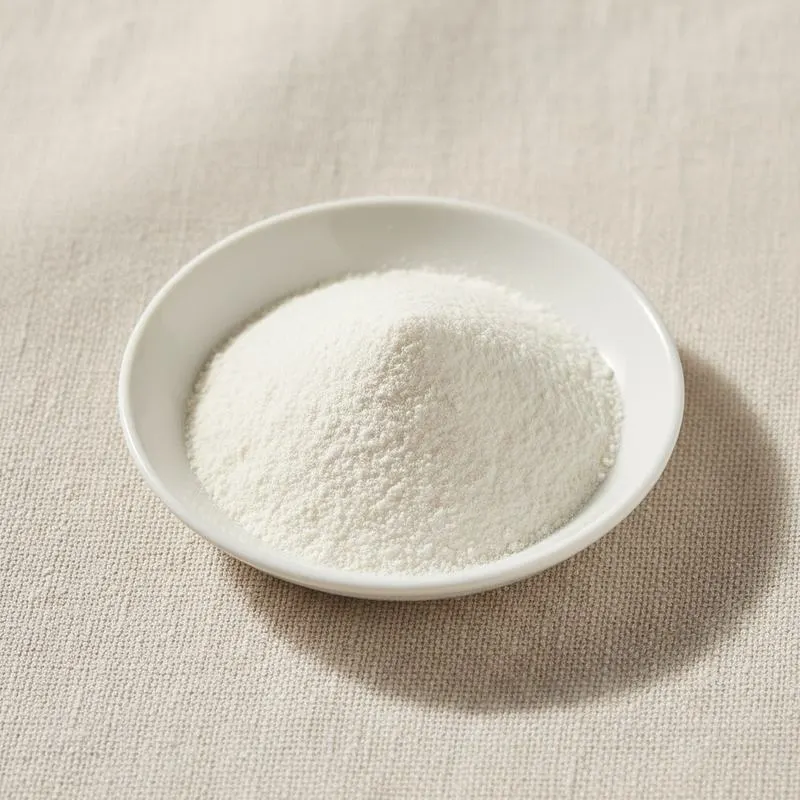
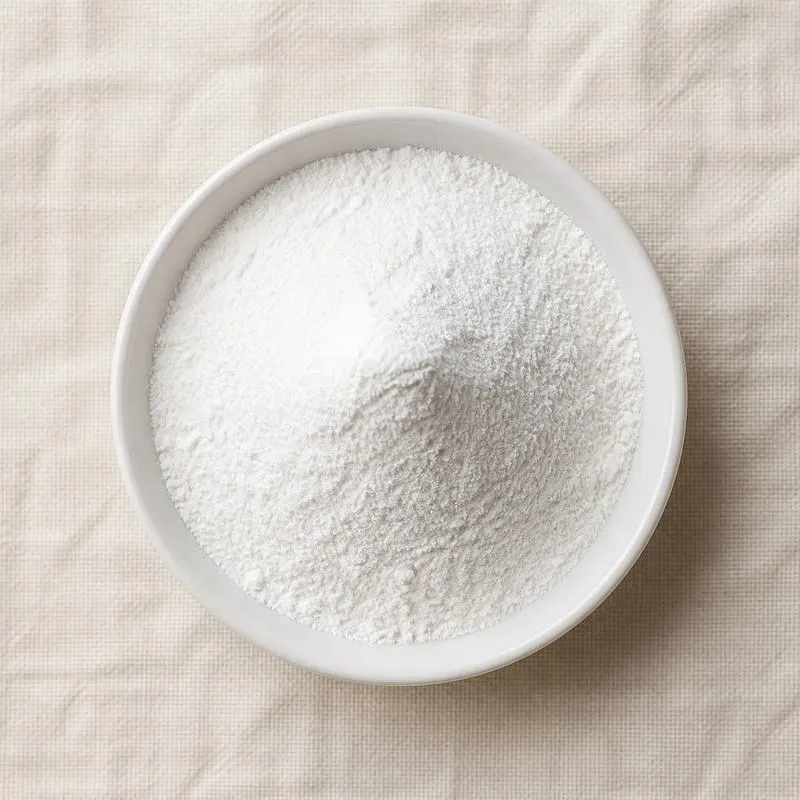
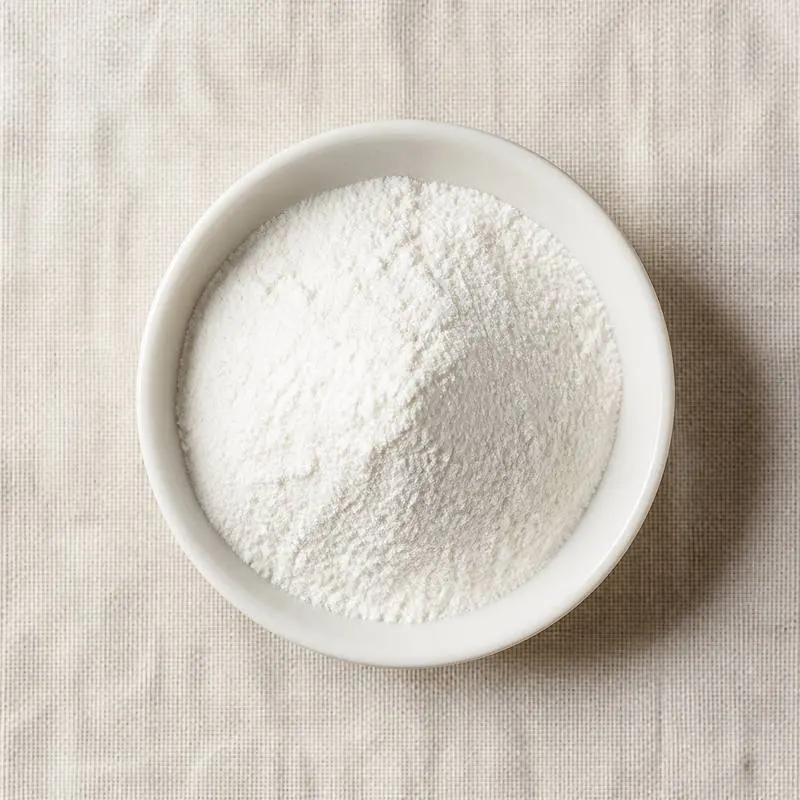
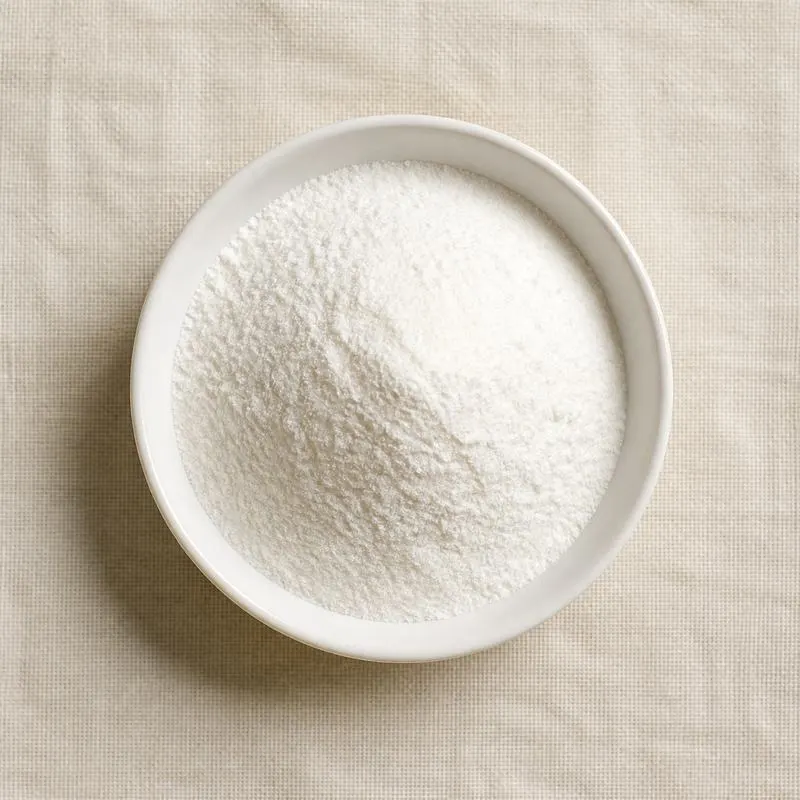
| Appearance | Off-white to light yellow powder or amber liquid |
| Enzyme Activity | ≥ 10,000 U/g (or as specified) |
| Loss on Drying | ≤ 8.0% (powder) |
| pH (1% solution) | 4.5–7.0 |
| Optimum pH | 4.0–7.0 |
| Optimum Temperature | 40–60 °C |
| Heavy Metals (as Pb) | ≤ 10 mg/kg |
| Lead (as Pb) | ≤ 2 mg/kg |
| Arsenic (as As) | ≤ 1 mg/kg |
| Total Plate Count | ≤ 50,000 CFU/g |
| Coliforms | ≤ 30 MPN/g |
| E. coli | Negative/25g |
| Salmonella | Negative/25g |
Common Markets Grades
Phospholipase grades are defined by class and source.
Phospholipase A1 from Aspergillus oryzae or Fusarium oxysporum (commercial name Lecitase Ultra) comes as a liquid concentrate for vegetable-oil degumming and lyso-lecithin production.
Phospholipase A2 from porcine pancreas or microbial expression runs at 5000 to 20000 LU/g for baking, egg-yolk modification, and lyso-phosphatidylcholine manufacture.
Phospholipase C from Pichia pastoris expressed microbial sources targets phosphatidylcholine and phosphatidylethanolamine in oil refining, releasing diacylglycerol that increases refined oil yield.
Phospholipase D from Streptomyces species serves as a research-and-manufacture biocatalyst for transphosphatidylation, producing phosphatidylserine and phosphatidylglycerol from soy or sunflower lecithin.
Applications
- Vegetable oil degumming for soybean, rapeseed, sunflower, and palm refining
- Bakery dough conditioning for crumb softness, volume, and shelf life
- Egg yolk modification for emulsion stability in mayonnaise, dressings, and bakery fillings
- Lyso-lecithin manufacture for instant powder beverages and infant formula
- Cheese yield improvement, particularly in mozzarella and pizza-cheese production
- Phosphatidylserine manufacture from soy lecithin via transphosphatidylation
- Industrial production of structured phospholipids for pharmaceutical liposome carriers
- Animal feed lipid digestibility improvement for poultry and aquaculture
- Cosmetic surfactant and emulsifier ingredient modification
China Manufacturers of Phospholipase
Top Phospholipase manufacturers in China.

Company names and logos are the property of the manufacturers themselves. They are listed here because our own directory records them as producing this ingredient. A listing is not an endorsement by them, and we do not represent them or speak on their behalf.
How We Help Source Phospholipase
Direct Factory Sourcing
We run the whole process: selecting the manufacturer from the top Chinese food ingredient producers, negotiating the price, verifying quality, and coordinating the logistics. You deal with us instead of with several factories at once.
Original Packaging and Documents from the Manufacturer
The manufacturer sends your Phospholipase out of its own factory in the original packing, through to your destination port. The COA, COO, MSDS, TDS and any certifications reach you from the manufacturer as well.
Free Samples and Lead Time
We send 100 to 500 g free for your own laboratory to test and you cover only the courier, usually within 2 to 3 working days. ETD is usually within 7 to 15 days once the order is confirmed, and we check that date against the factory's own manufacturing schedule before we give it to you.
Combined Shipment
We can load Phospholipase together with other ingredients such as Transglutaminase, Nattokinase and Bromelain into one 20' FCL. If your quantity is small, we can also ship LCL.
Regulatory Status
JECFA has evaluated microbial phospholipases used in food processing and assigned an ADI not specified.
The EU permits multiple phospholipase preparations as food enzymes under regulation 1332/2008. The U.S. FDA has issued GRAS notices for phospholipase A1 from Fusarium, phospholipase A2 from Streptomyces, and phospholipase C from Pichia pastoris.
The processing-aid status applies in most markets. Halal and Kosher certifications are routinely available for microbial grades; pancreatic preparations are restricted by source.
Manufacturing Process
Modern phospholipase manufacture is dominated by submerged fermentation of engineered microbial hosts. Aspergillus oryzae and Pichia pastoris are the most common production organisms.
Strains carry the target phospholipase gene under a strong inducible promoter and are run in pH-controlled fed-batch fermenters. The secreted enzyme is recovered from cleared broth by ultrafiltration and ion exchange.
Liquid concentrates are stabilised with glycerol or sorbitol and standardised on activity rather than mass. Powder grades are spray-dried on maltodextrin, starch, or salt carriers.
Pancreatic phospholipase A2 remains in commercial use for some pharmaceutical and high-purity research applications. It is recovered from porcine or bovine pancreas glands by selective extraction and chromatography.