Elastin Peptide Freeze Dried
Elastin peptide freeze dried powder is the freeze dried presentation of elastin hydrolysate, the soluble peptide mixture obtained by enzymatically breaking down elastin, the crosslinked elastic protein of arteries, ligament and skin. The composition is the same family of peptides as the spray dried grade, carrying the crosslinking amino acids desmosine and isodesmosine that mark the material as genuinely elastin derived, but the drying route is different and so is the product that results.
Freeze drying removes water by sublimation from the frozen state, so the peptide solution never passes through a hot air stream. That matters for a material of this kind in three ways. Colour stays lighter, because the Maillard reaction between peptide amino groups and any residual sugar has no opportunity to run. Odour is milder, since volatile off notes are not concentrated by heat. And the dried cake is porous rather than dense, so it wets and dissolves almost instantly rather than needing agitation.
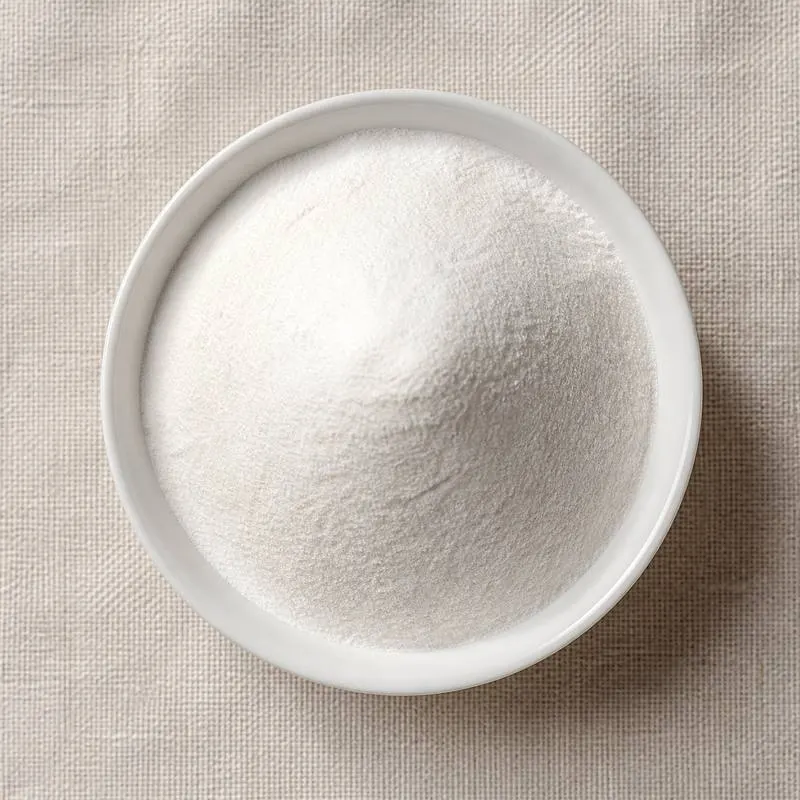
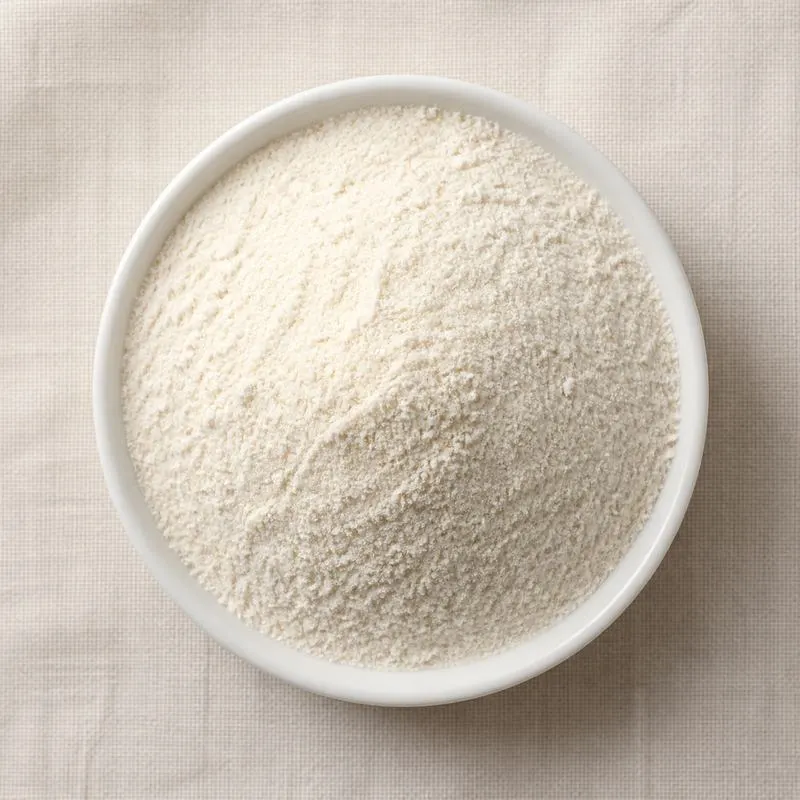
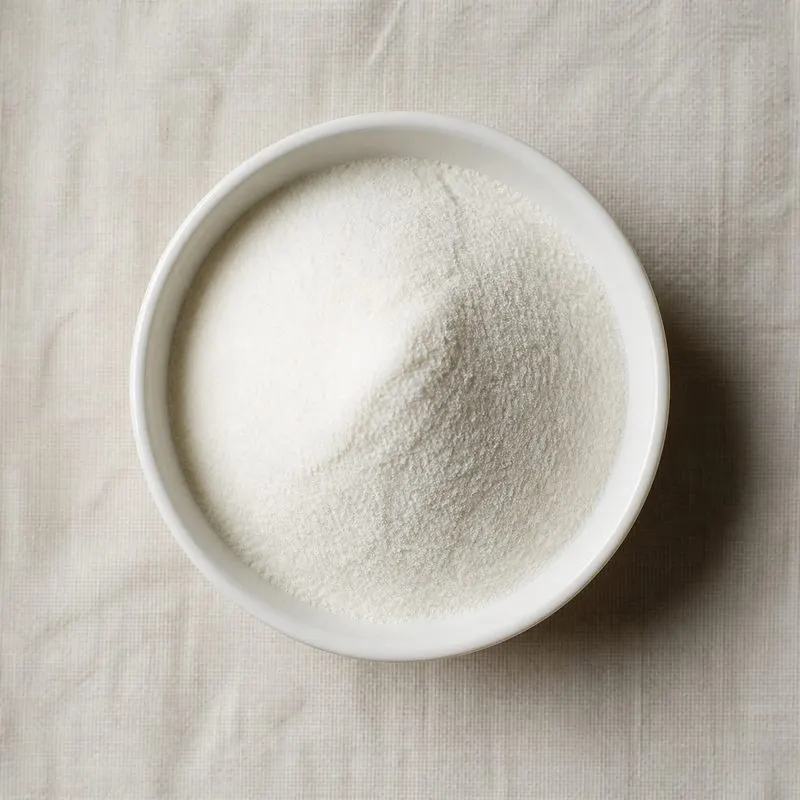
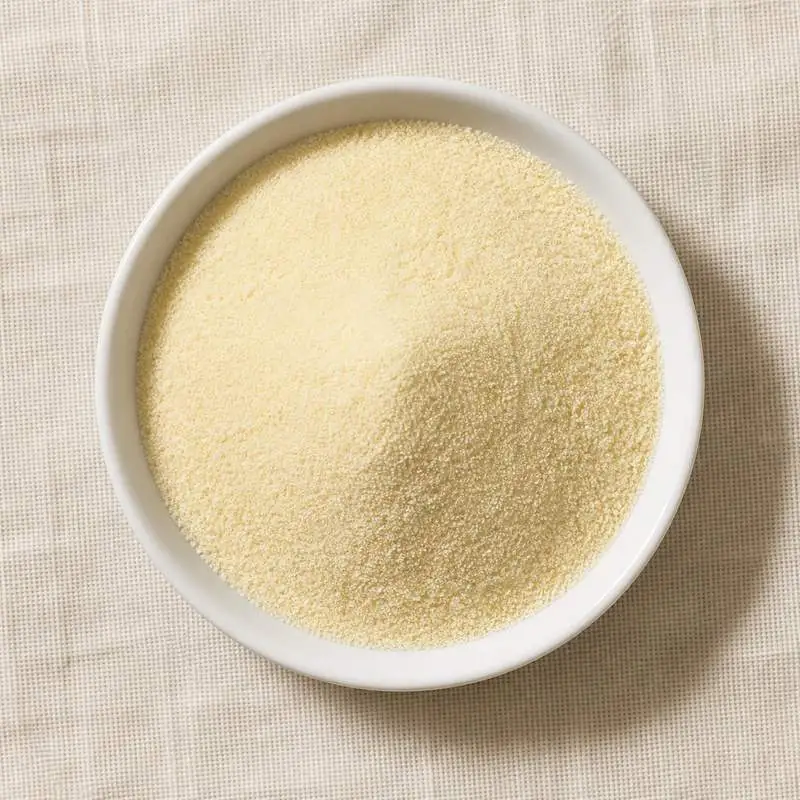
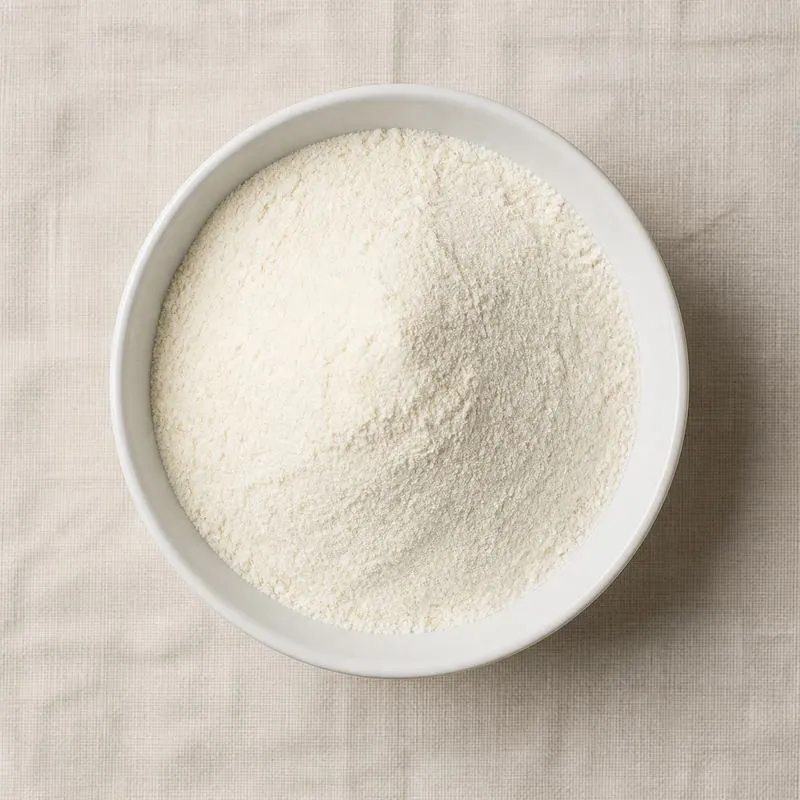
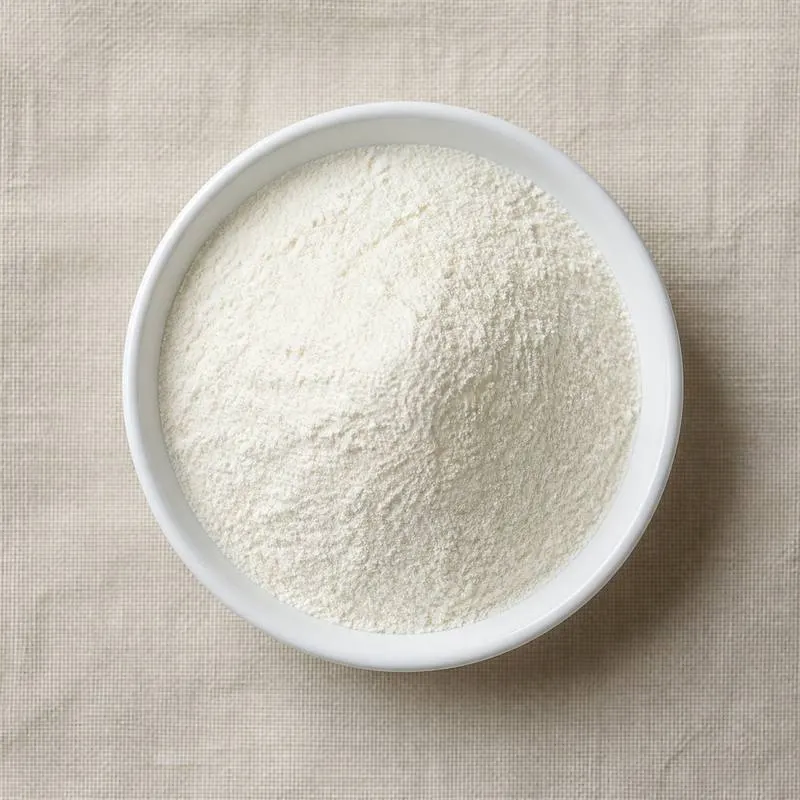
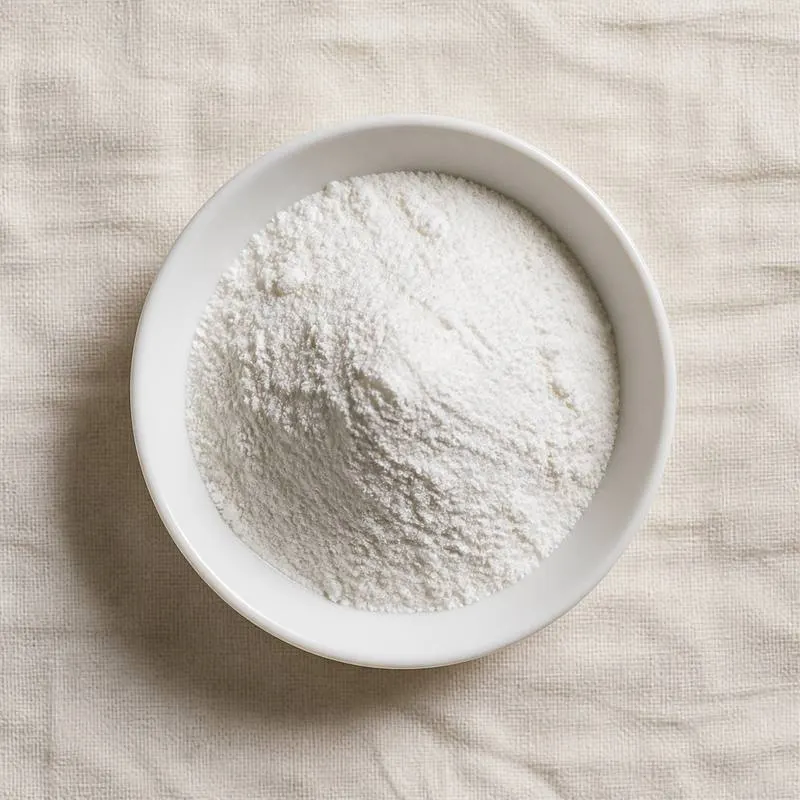
The powder is white to very pale yellow, light and low in bulk density, and markedly hygroscopic because of that porous structure. It dissolves in cold water to a clear solution and must be packed with a moisture barrier and often under nitrogen, since exposure to humid air collapses the structure and cakes the powder.
We source bulk Elastin Peptide Freeze Dried from top China manufacturers for our partners. The manufacturer is in Hainan. A smaller requirement can ship in a combined container with other ingredients.
Please send the grade you need, the volume and your destination port, and we will come back with a solution and a price.
or call +86-21-6858 0751
- Function
- Protein
Specifications
| Item | Specification |
|---|---|
| Appearance | White to very pale yellow freeze dried powder or porous cake |
| Odour and Taste | Faint characteristic odour, bland to slightly bitter |
| Source of Origin | Declared, fish bulbus arteriosus or bovine ligament |
| Protein (dry basis, N x 6.25) | Not less than 85.0 percent |
| Desmosine and Isodesmosine | Not less than 0.3 percent of protein |
| Peptides below 1000 Daltons | Not less than 85.0 percent |
| Loss on Drying | Not more than 5.0 percent |
| Ash | Not more than 6.0 percent |
| Bulk Density | 0.15 to 0.35 g/mL |
| pH (1 percent solution) | 5.5 to 7.5 |
| Solubility in Cold Water | Not less than 99.0 percent |
| Lead | Not more than 0.5 mg/kg |
| Arsenic (inorganic) | Not more than 0.5 mg/kg |
| Mercury | Not more than 0.5 mg/kg |
| Total Plate Count | Not more than 5000 cfu/g |
| Yeast and Mould | Not more than 50 cfu/g |
| E. coli | Negative in 1 g |
| Salmonella | Negative in 25 g |
Common Markets Grades
Grades are defined first by raw material, as for spray dried elastin peptide. Fish derived material from the bulbus arteriosus of bonito and tuna is the volume item and the one most often freeze dried, since it goes into premium supplement and cosmetic products where the cost of freeze drying can be carried. Bovine ligament and porcine aorta derived material are traded separately with their respective sourcing and certification requirements.
Beyond source, buyers specify peptide content, generally 85 percent or above on a dry basis for freeze dried grades, molecular weight distribution, and the desmosine and isodesmosine figure that confirms elastin identity. Residual moisture is specified lower than for spray dried material, typically below 5 percent, and is a meaningful quality indicator because incomplete sublimation leaves a product that will not keep. Presentation varies between a milled free flowing powder and an intact freeze dried cake broken down at the point of use, and some suppliers offer the material pre blended with collagen peptide or hyaluronic acid as a finished beauty premix rather than as a single ingredient.
Applications
- Premium skin positioned supplements, where the light colour and clean flavour justify the cost of freeze drying
- Instant beauty drink sachets that must dissolve completely in cold water without stirring
- Jelly and gel format beauty products in the Japanese and Chinese markets
- Blended beauty premixes combining elastin peptide with collagen peptide and hyaluronic acid
- Capsules and tablets where a low bulk density soluble protein is required
- Cosmetic serums and ampoules, where the peptide is reconstituted into the formulation
- Sheet mask and freeze dried cosmetic formats, using the freeze dried cake directly
- Joint and connective tissue supplements formulated alongside collagen
China Manufacturers of Elastin Peptide Freeze Dried
Top Elastin Peptide Freeze Dried manufacturers in China.

Company names and logos are the property of the manufacturers themselves. They are listed here because our own directory records them as producing this ingredient. A listing is not an endorsement by them, and we do not represent them or speak on their behalf.
Regulatory Status
In the United States hydrolysates of edible fish tissue are handled as conventional food ingredients on safety that the manufacturer establishes, and elastin peptide is sold under the dietary supplement framework. Freeze drying is a physical process and does not change the regulatory status of the material. Fish is a major food allergen and the source species must be declared regardless of the degree of hydrolysis, and bovine derived material carries the specified risk material controls and sourcing restrictions applying to ruminant tissue.
In the European Union a concentrated elastin hydrolysate has no established history of consumption as a food and would require novel food authorisation before being placed on the Union market as a food or supplement ingredient. Fish is a listed allergen under the food information regulation. Cosmetic use is governed by the cosmetic products regulation, where hydrolysed elastin is an established ingredient subject to the restrictions that apply to materials of animal origin. Skin and beauty claims made in food and supplement labelling may only be used where authorised on the Union register of health claims, and none is authorised for elastin peptide. The material is not a food additive, holds no E number, and has no Codex specification.
Manufacturing Process
The upstream process is that of any elastin hydrolysate. Elastin rich tissue, most often bonito or tuna bulbus arteriosus, is washed, trimmed and minced, then purified by using the chemical resistance of elastin: alkali treatment or a protease digestion removes collagen, muscle protein and other soluble tissue while the crosslinked elastin survives as an insoluble residue, which is washed and defatted. That residue is then hydrolysed with elastase or a broad specificity alkaline protease under conditions strong enough to cleave between the desmosine crosslinks, and the enzyme is inactivated by heating.
The hydrolysate is clarified by centrifugation and filtration, passed through ultrafiltration to control molecular weight and hold back undigested material, and desalted and concentrated by nanofiltration. From here the freeze dried route diverges from spray drying. The concentrate is filled into trays at a controlled depth, since fill depth decides drying time and uniformity, and frozen rapidly to below the eutectic temperature of the solution. The frozen trays are loaded into a vacuum chamber where primary drying sublimes the ice under low pressure with gentle shelf heating, followed by a secondary drying stage at higher shelf temperature that removes bound water down to the target residual moisture. The dried cake is broken and milled under low humidity, sieved, and packed immediately with a desiccant or under nitrogen.