Enzyme Digested Bacterial
Enzyme digested bacterial preparation is inactivated bacterial biomass that has been broken down with enzymes rather than simply killed, so that the cell wall is opened and the intracellular contents and wall fragments are exposed. It belongs to the postbiotic family, and the distinction from a merely heat treated preparation matters: a pasteurised whole cell presents its outer surface to the gut, while a digested one presents peptidoglycan fragments, teichoic and lipoteichoic acids, surface layer proteins, intracellular peptides and nucleic acid fragments that a whole cell keeps inside.
The starting biomass is usually a lactic acid bacterium or a bifidobacterium grown for the purpose, though preparations from other species are made for feed. Digestion is carried out with a combination of a cell wall lytic enzyme, commonly lysozyme or a glucanase, and one or more proteases. The choice depends on the wall chemistry of the organism, since the thick peptidoglycan of a Gram positive bacterium resists digestion in a way that a Gram negative wall does not. The result is a suspension of fragments and soluble material rather than intact cells, and it is dried as a whole rather than being fractionated.
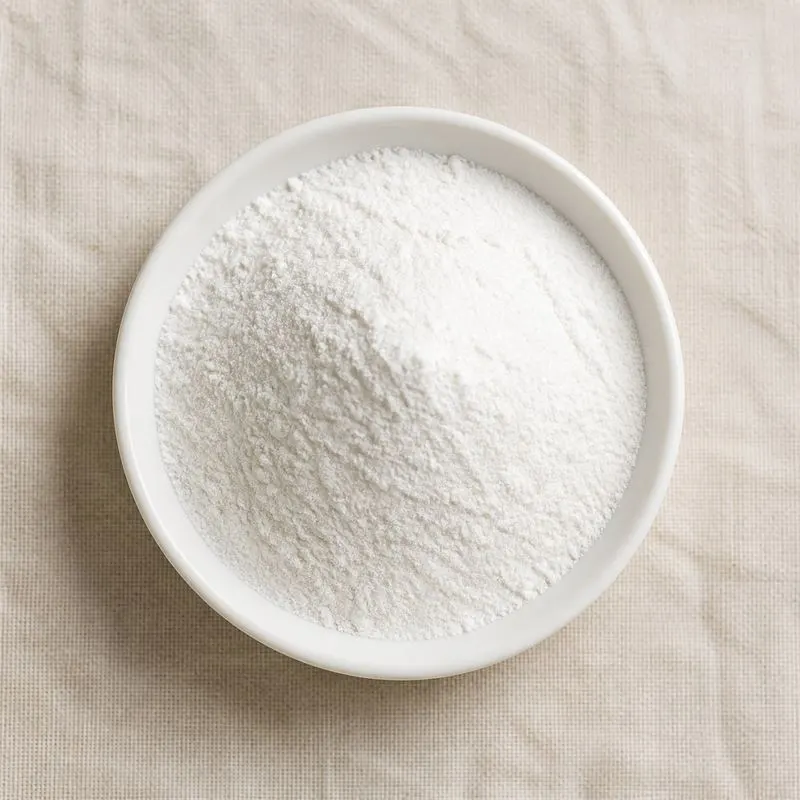
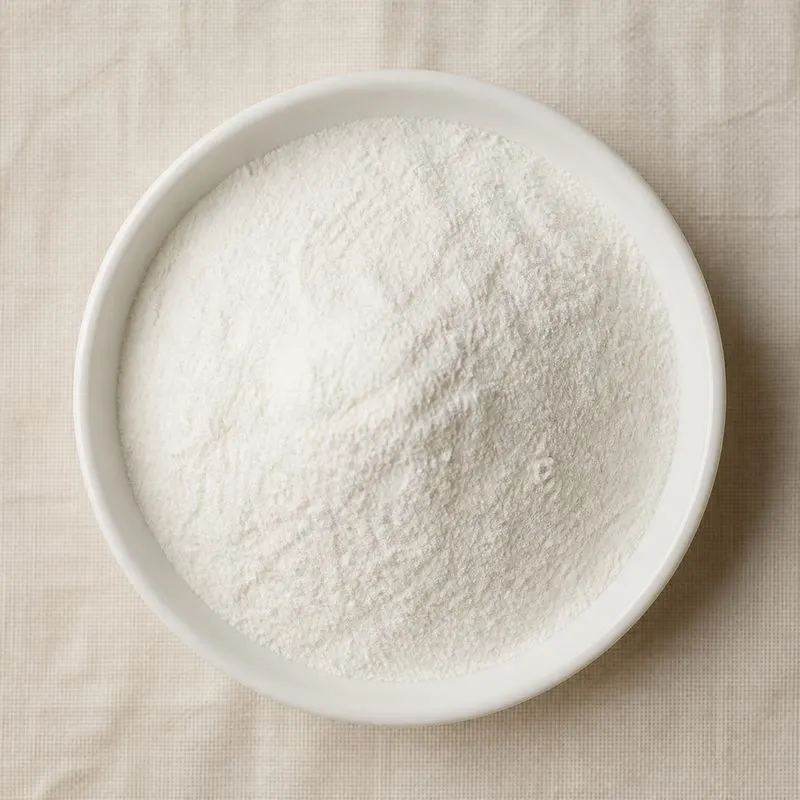
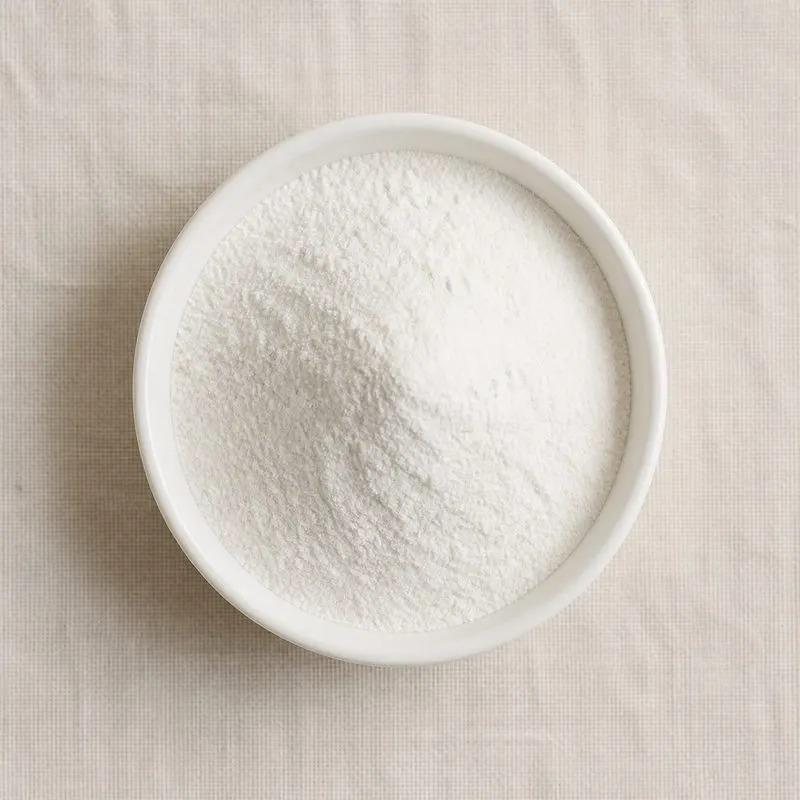
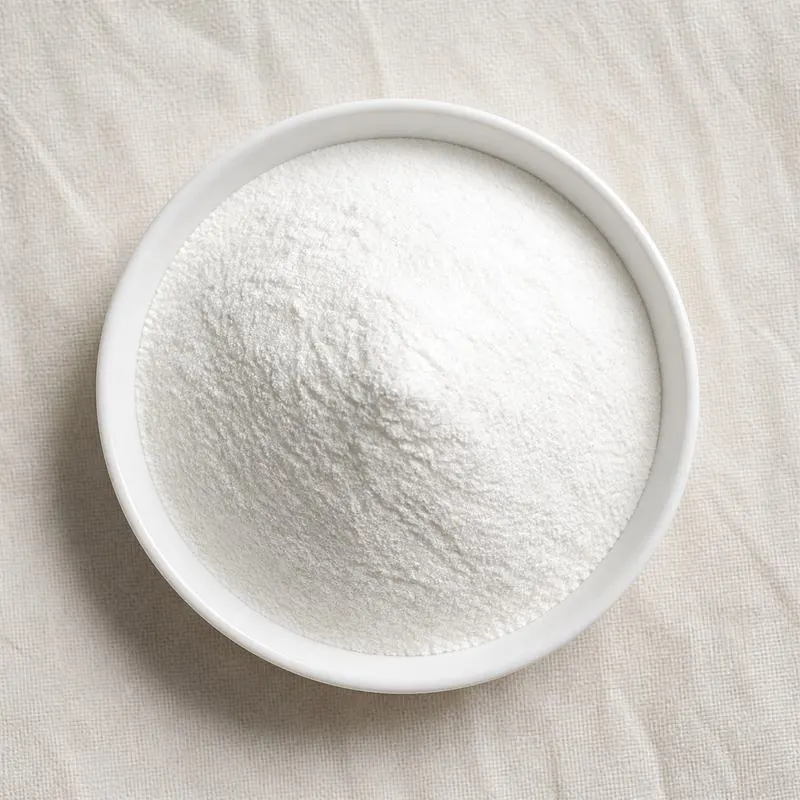
The dried preparation is a cream to light brown powder with a fermented, slightly savoury odour, dispersible and partly soluble depending on how far digestion was taken. It is stable at ambient temperature, survives heat treatment and extrusion, and carries no viability requirement, which is the practical advantage the whole postbiotic category offers over live cultures. Specification is on cell equivalent count, protein or peptide content, and a marker for the digestion, rather than on colony forming units.
We source bulk Enzyme Digested Bacterial from top China manufacturers for our partners. The manufacturer is in Guangxi. A smaller requirement can ship in a combined container with other ingredients.
Please send the grade you need, the volume and your destination port, and we will come back with a solution and a price.
or call +86-21-6858 0751
- Function
- Probiotic
Specifications
| Item | Specification |
|---|---|
| Appearance | Cream to light brown free flowing powder |
| Odour | Characteristic fermented, slightly savoury |
| Cell Equivalents | Not less than declared count in cell equivalents per gram |
| Viable Organisms | Less than 10 cfu/g |
| Identification | Parent strain confirmed by ribosomal sequencing |
| Soluble Protein and Peptides | Not less than 25.0 percent on the digest fraction |
| Degree of Hydrolysis | Within declared range by free amino nitrogen |
| Loss on Drying | Not more than 6.0 percent |
| Water Activity | Not more than 0.30 |
| Lead | Not more than 1 mg/kg |
| Arsenic | Not more than 1 mg/kg |
| Total Plate Count | Not more than 1000 cfu/g |
| Yeast and Mould | Not more than 100 cfu/g |
| Escherichia coli | Absent in 10 g |
| Salmonella | Absent in 25 g |
Common Markets Grades
The first grade distinction is the degree of digestion. Lightly digested grades retain much of the cell structure and are specified on cell equivalents together with a soluble protein figure. Extensively digested grades are largely soluble and are specified on peptide and free amino nitrogen content, and behave more like a hydrolysate than like a cell preparation. The intended effect determines which is appropriate, since the immune interactions attributed to these materials are associated with wall fragments that extensive digestion eventually destroys.
The second is the parent organism and its documentation. Material is sold against the strain of the culture it was made from, with the deposit number quoted, because the evidence for any functional claim attaches to that strain. The third is composition of the finished powder: concentrates carry a high cell equivalent for formulators, and standardised grades are diluted onto maltodextrin or a similar carrier to a fixed figure. Every grade should carry a release criterion for absence of viable organisms, and food grades are additionally distinguished from feed grades by hygiene controls and by the medium used in the fermentation.
Applications
- Postbiotic supplements in capsule and sachet form, where ambient stability removes the cold chain
- Immune support formulations, where the wall fragments rather than live cells are thought to be the active fraction
- Functional beverages, including heat treated and acidic drinks in which a live culture would not survive
- Bakery and extruded products, where the preparation passes through the process without loss
- Infant and paediatric nutrition in markets where the specific preparation is authorised
- Nutritional powders and meal replacements, as one component of a dry blend
- Skin and oral care formulations, where cell fragments are used for barrier and microbiome positioning
- Animal feed and aquaculture diets, where thermal stability through pelleting and extrusion is decisive
- Pet food and treats, where an immune positioned ingredient must survive extrusion
- Clinical nutrition, where a non viable preparation avoids the colonisation risk of a live organism
China Manufacturers of Enzyme Digested Bacterial
Top Enzyme Digested Bacterial manufacturers in China.

Company names and logos are the property of the manufacturers themselves. They are listed here because our own directory records them as producing this ingredient. A listing is not an endorsement by them, and we do not represent them or speak on their behalf.
Regulatory Status
These preparations have no regulatory category of their own, and their status follows that of postbiotics generally. In the United States they are used as dietary ingredients in supplements and, for food use, on the basis of a determination that the specific inactivated preparation is generally recognised as safe, with notifications submitted to the Food and Drug Administration for several such materials. Claims are limited to structure and function statements with the required disclaimer, since no health claim has been authorised for the category, and enzymes used in processing are processing aids that do not themselves require declaration where they are inactivated and carry no function in the finished food.
In the European Union the position depends on history of consumption. A preparation from a species already consumed in significant quantities before May 1997, produced by a process that does not substantially change the material, may be treated as a conventional ingredient, but enzymatic digestion is precisely the kind of process that raises the question of whether the material is novel, so authorisation under the novel food regulation is frequently required. Safety of the parent organism is assessed against the qualified presumption of safety list that the European Food Safety Authority maintains, and enzymes used in production must themselves be permitted for food use. Preparations for animal feed require authorisation under the feed additives regulation. No Codex standard covers the category, and the reference definition is the consensus statement on postbiotics published by the International Scientific Association for Probiotics and Prebiotics.
Manufacturing Process
Production begins with a conventional fermentation of the parent strain. A vial from the master cell bank is expanded through seed stages into a production fermenter charged with a carbohydrate source, a nitrogen source such as yeast extract or protein hydrolysate, and mineral salts, and grown under pH control to a high cell density. Because viability is not required in the finished product, the fermentation can be pushed for biomass yield rather than stopped at the point that would give the best survival through drying.
The broth is concentrated by centrifugation or microfiltration, and the cell concentrate is resuspended in buffer and heat treated to inactivate the organism before digestion begins, so that the enzymatic step operates on dead cells under controlled conditions. Enzymes are then added, a cell wall lytic enzyme to open the peptidoglycan and a protease to break down the wall and cytoplasmic proteins, and the digestion is run at a defined temperature, pH and time, monitored by the release of soluble protein or by loss of turbidity. The reaction is stopped by heating, which also destroys the added enzymes, and the digest is verified for absence of viable organisms by plating. The suspension is then blended with a carrier and drying aid and spray dried, the material tolerating spray drying because nothing has to remain alive, and the powder is milled, assayed for cell equivalents and for the chosen protein or peptide marker, standardised on carrier and packed under moisture barrier.