Ethyl Vanillin
Ethyl Vanillin is a synthetic flavour compound that delivers a vanilla character roughly three times stronger than vanillin itself on an equal-weight basis.
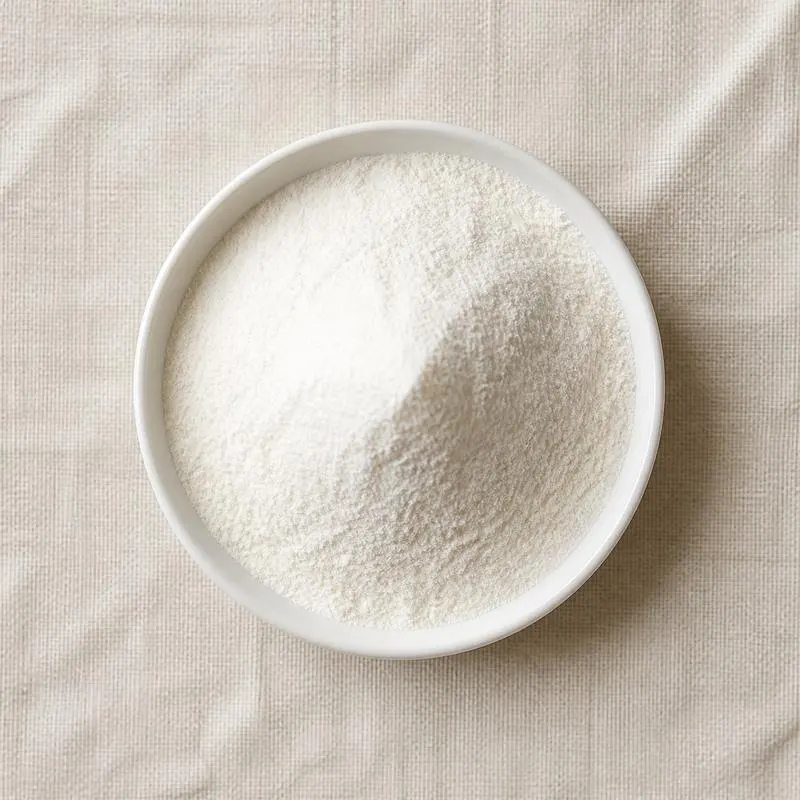
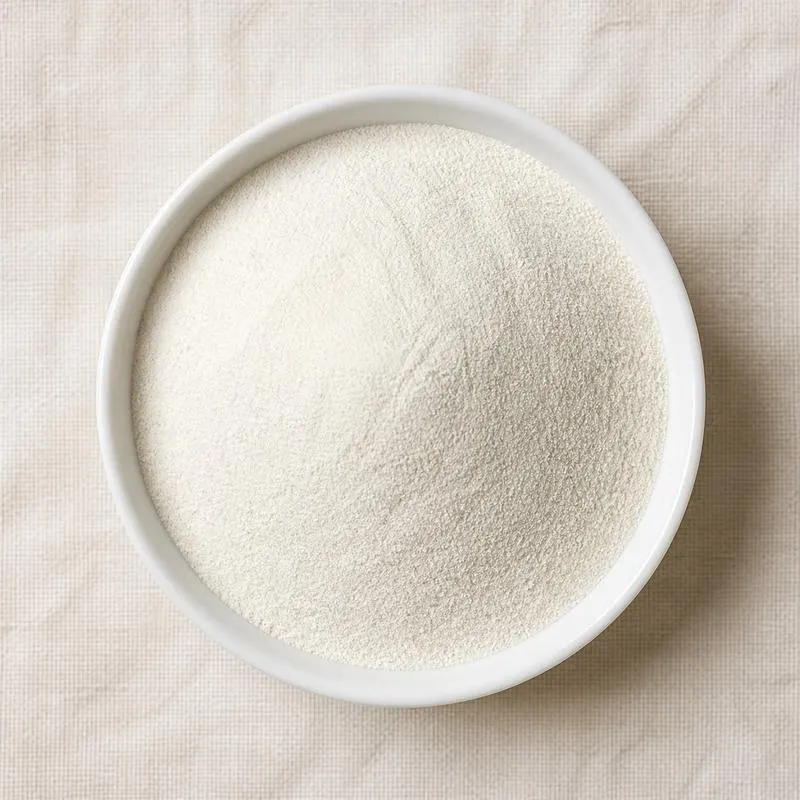
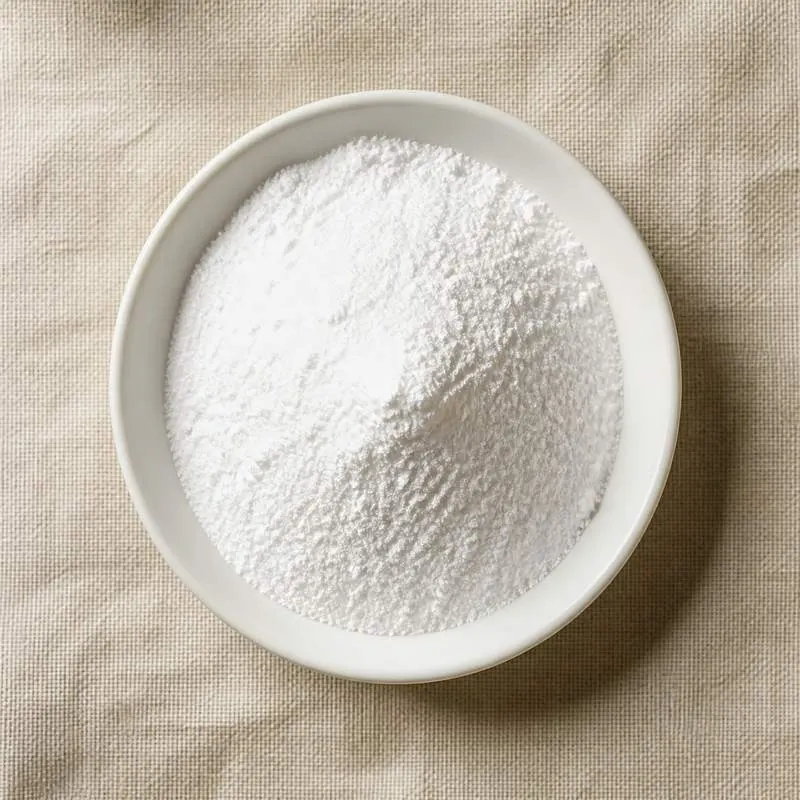
The molecule is 3-ethoxy-4-hydroxybenzaldehyde, formula C₉H₁₀O₃ (molar mass 166.17 g/mol), and appears as fine white to pale yellow crystals or powder. It does not occur naturally in vanilla bean and is therefore restricted to artificial flavour declarations.
We source bulk Ethyl Vanillin from top China manufacturers for our partners. The manufacturers are in Zhejiang. For this ingredient the minimum order is 500 kg and a 20-foot container takes 10 MT, and a smaller requirement can ship in a combined container with other ingredients.
Please send the grade you need, the volume and your destination port, and we will come back with a solution and a price.
or call +86-21-6858 0751
- Minimum order
- 500 kg
- Qty in 20' FCL
- 10 MT
- Packaging
- 25 kg galvanised drum, nitrogen blanketed
- ISO 9001
- HACCP
- Halal
- Kosher
Specifications
Grades / Types Available: Food Grade, Feed Grade
| Item | Specification |
|---|---|
| Appearance | White to slightly yellow crystalline powder |
| Odor | Intense vanilla, creamy |
| Purity | ≥99.0% |
| Melting Point | 76–78°C |
| Loss on Drying | ≤0.5% |
| Residue on Ignition | ≤0.05% |
| Heavy Metals (as Pb) | ≤10 mg/kg |
| Arsenic | ≤3 mg/kg |
| Mesh Size | 20–60 mesh |
| Shelf Life | 24 months |
| Purity/Assay (Food Grade) | 99% min |
| Moisture/Loss on Drying | 0.5% max |
| pH | 6.0 - 7.0 |
| Lead | 2 ppm max |
| Total Plate Count | 1000 cfu/g max |
| Yeast & Mold | 100 cfu/g max |
Common Markets Grades
Ethyl Vanillin has a narrow set of grades, because its primary use is as a high-impact flavour concentrate.
The standard food grade is a fine crystalline powder at minimum 99.0 percent assay, conforming to FCC specifications for colour, melting range, and residue on ignition. A slightly higher purity at 99.5 percent is produced for premium flavour houses where trace aldehyde impurities can affect off-note development.
Pharmaceutical grade ethyl vanillin at 99.5 percent or higher is used as a flavour enhancer in syrups and chewable forms. Spray-dried encapsulated grades on maltodextrin carriers improve handling, dust control, and heat stability in extruded and baked products.
Most commercial supply originates from a small number of producers, with Solvay operating the largest dedicated ethyl vanillin facility globally.
Applications
- Chocolate compounds and coatings where higher vanilla impact is required at low dosage
- Premium bakery: cakes, pastries, and biscuit fillings with rich vanilla profiles
- Ice cream and frozen desserts, often paired with vanillin for depth and lift
- Confectionery: caramels, toffees, fondant, and nougat
- Vanilla flavour compounds and emulsions as a high-impact top note
- Cream-based liqueurs and dairy beverages
- Pharmaceutical syrups and pediatric oral suspensions for flavour masking
- Chewing gum and breath mints requiring sustained vanilla character
- Fine fragrance compounding for oriental and gourmand accords
- Tobacco casing flavours
- Pet treat and palatability systems for sweet brown notes
China Manufacturers of Ethyl Vanillin
Top Ethyl Vanillin manufacturers in China.
 Brother Enterprises Holding Co., Ltd.11 ingredients in the directory
 Jiaxing Zhong Hua Chemical Co., Ltd.4 ingredients in the directory
Company names and logos are the property of the manufacturers themselves. They are listed here because our own directory records them as producing this ingredient. A listing is not an endorsement by them, and we do not represent them or speak on their behalf.
How We Help Source Ethyl Vanillin
Direct Factory Sourcing
We run the whole process: selecting the manufacturer from the top Chinese food ingredient producers, negotiating the price, verifying quality, and coordinating the logistics. You deal with us instead of with several factories at once.
Original Packaging and Documents from the Manufacturer
The manufacturer sends your Ethyl Vanillin out of its own factory in the original packing, through to your destination port. The COA, COO, MSDS, TDS and any certifications reach you from the manufacturer as well.
Free Samples and Lead Time
We send 100 to 500 g free for your own laboratory to test and you cover only the courier, usually within 2 to 3 working days. ETD is usually within 7 to 15 days once the order is confirmed, and we check that date against the factory's own manufacturing schedule before we give it to you.
Combined Shipment
We can load Ethyl Vanillin together with other ingredients such as Capsicum Oleoresin, Ethyl Maltol and White Pepper into one 20' FCL. If your quantity is small, we can also ship LCL.
Regulatory Status
Ethyl Vanillin is approved for use as a synthetic flavouring substance in the major regulated markets.
In the European Union it is listed in the Union flavouring list under FL number 05.020. It is permitted in food at quantum satis subject to good manufacturing practice and to declaration as an artificial flavour where labelling rules require it.
The U.S. Food and Drug Administration recognises it as Generally Recognized as Safe under 21 CFR 172.515. FEMA assigns it GRAS number 2464.
JECFA has evaluated ethyl vanillin and concluded that current intake presents no safety concern.
Pharmacopoeial standards exist in the European Pharmacopoeia and the British Pharmacopoeia for use in oral pharmaceutical preparations. Kosher and Halal certifications are routinely available.
Manufacturing Process
Industrial ethyl vanillin is produced almost entirely from guaethol (2-ethoxyphenol) by a condensation route analogous to vanillin synthesis.
Guaethol is reacted with glyoxylic acid in alkaline aqueous solution to form 3-ethoxy-4-hydroxymandelic acid. This intermediate is oxidised with copper-based catalysts and then decarboxylated under heat to give ethyl vanillin. The crude product is recovered by acidification, solvent extraction, and recrystallisation from water or aqueous ethanol.
An alternative older route oxidises safrole-derived isoeugenol ethyl ether, but that pathway is no longer economically competitive and has largely been retired.
Because guaethol is itself a specialty intermediate, ethyl vanillin commands a substantial price premium over vanillin and is generally dosed at one third the rate to achieve comparable sensory impact.