Vanilla Flavour
Vanilla flavour is a compounded flavouring built to deliver vanilla character at a controlled cost and strength, combining vanillin with supporting aroma chemicals, a solvent or powder carrier and, in the higher grades, a proportion of genuine bean extract.
Vanillin is the backbone of every version and carries most of the perceived odour. Ethyl vanillin, roughly three times stronger and sweeter in character, is added where intensity matters more than authenticity. Piperonal, anisyl alcohol, vanillic acid esters, maltol and small quantities of buttery and creamy aroma chemicals fill out the profile, and vanilla extract or oleoresin is included where a natural claim or a rounder bean character is needed. Liquid grades are carried in propylene glycol, ethanol, triacetin or a vegetable oil, while powder grades sit on maltodextrin, modified starch or a salt and sugar base.
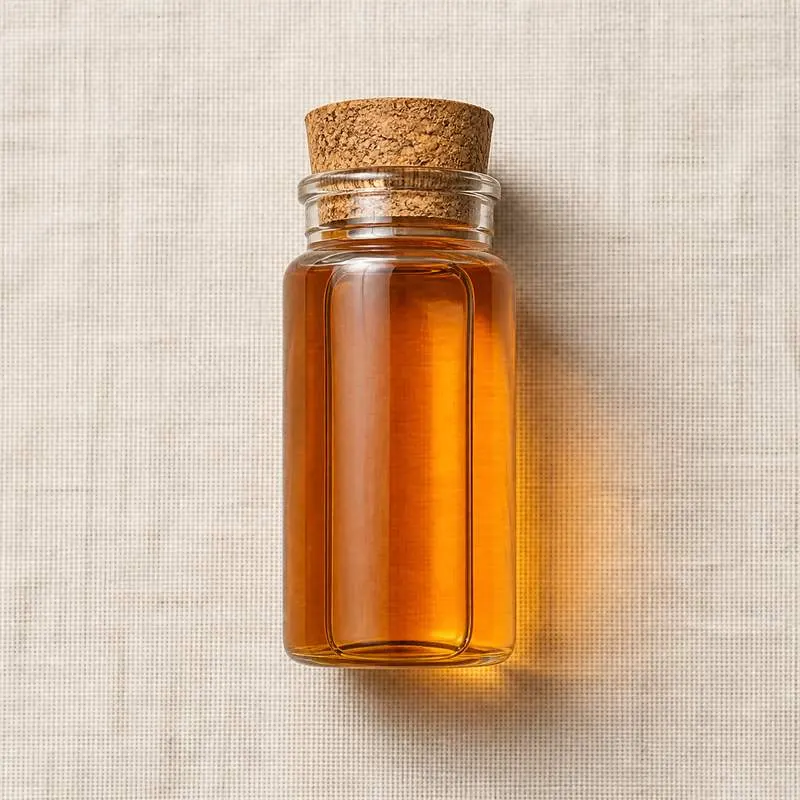
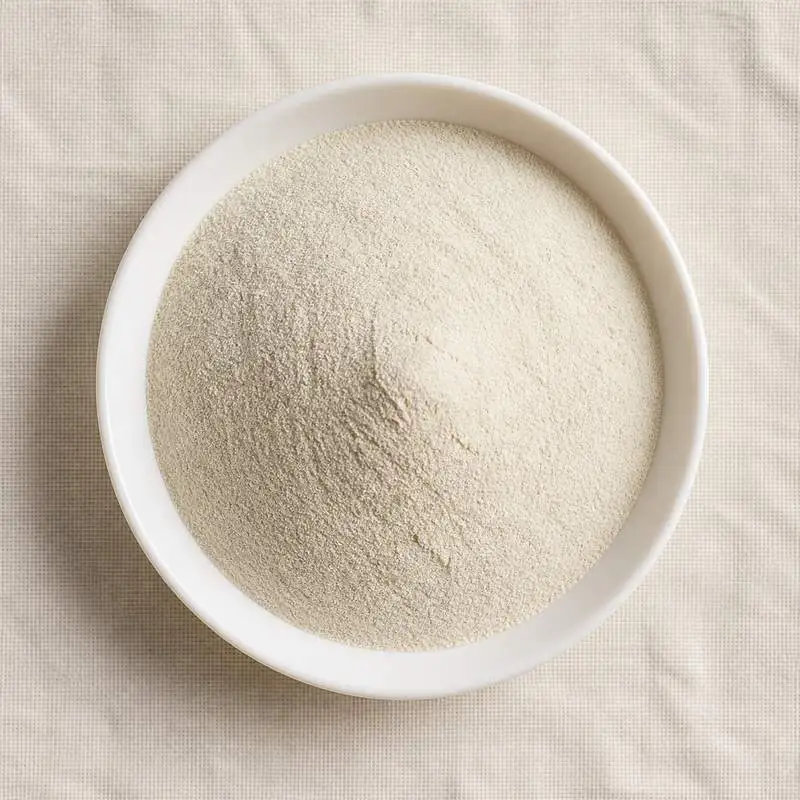
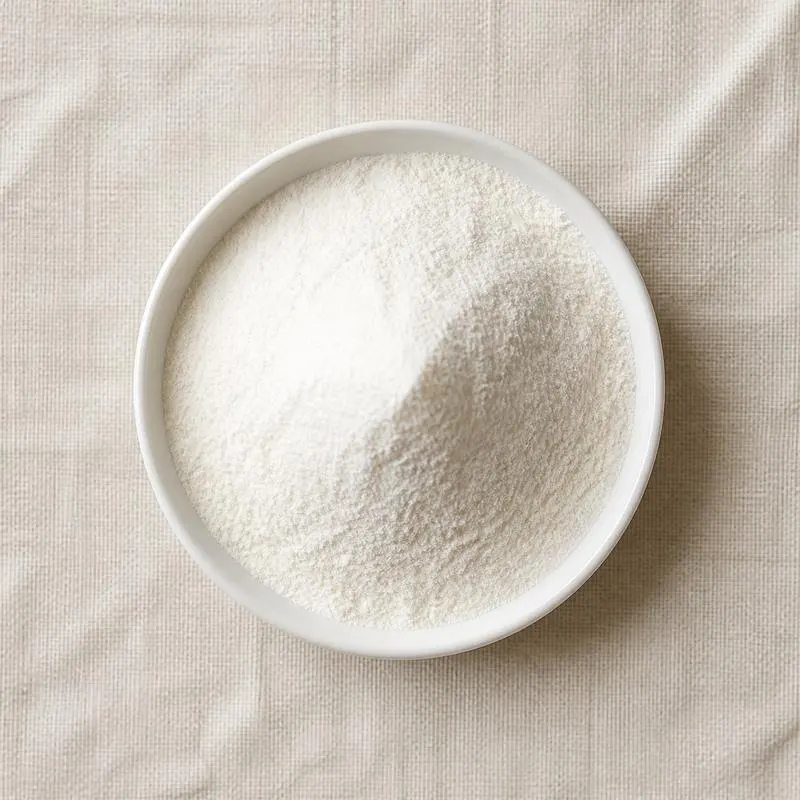
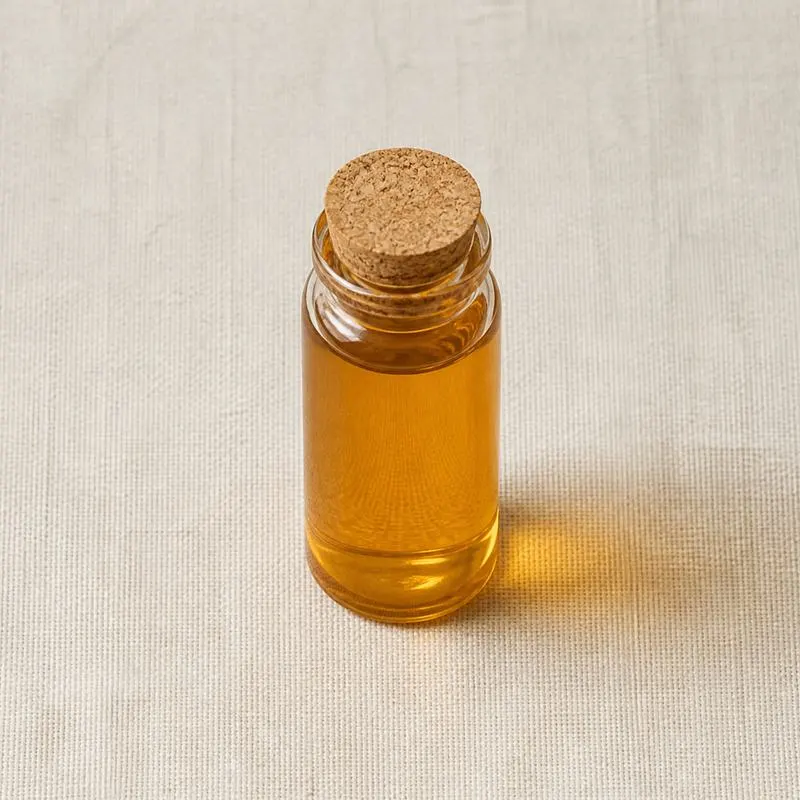
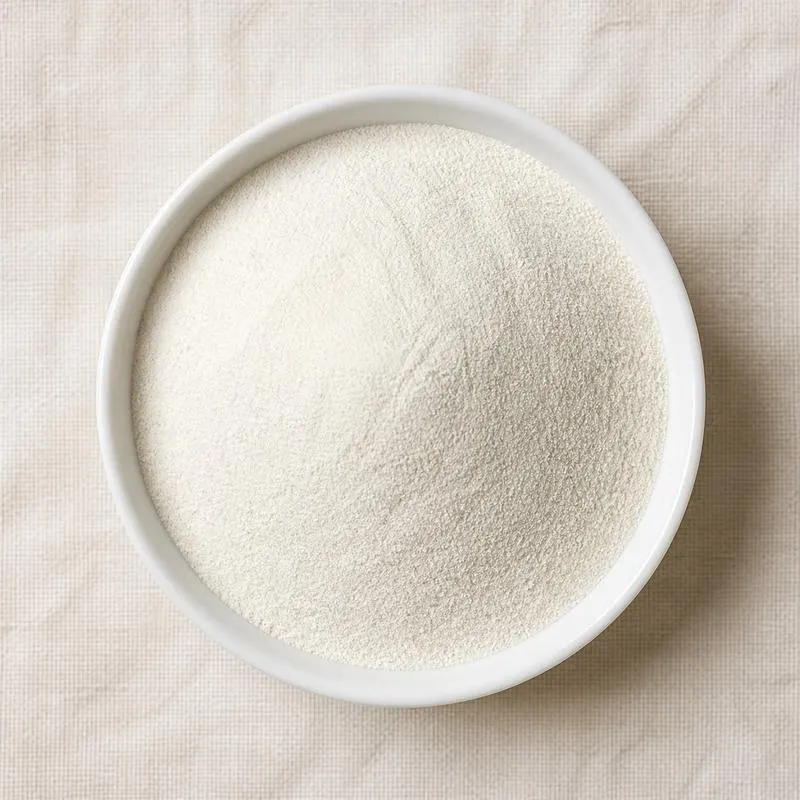
The physical form ranges from a clear pale liquid through a dark brown extract based liquid to a free flowing off white powder. Water soluble grades disperse directly into aqueous systems, oil soluble grades are made for fat continuous applications such as chocolate, and encapsulated powders are used where the flavour has to survive baking or extrusion. Vanillin sublimes slowly and is sensitive to alkaline conditions, so packs are kept sealed, cool and away from light.
We source bulk Vanilla Flavour from top China manufacturers for our partners. The manufacturer is in Fujian. A smaller requirement can ship in a combined container with other ingredients.
Please send the grade you need, the volume and your destination port, and we will come back with a solution and a price.
or call +86-21-6858 0751
- Function
- Flavours and Aromas
Specifications
| Item | Specification |
|---|---|
| Appearance | Clear pale yellow to dark brown liquid, or free flowing off white powder |
| Odour and taste | Characteristic sweet vanilla, free of solvent or off notes |
| Identification | Conforms to the reference profile by gas chromatography |
| Vanillin content | Declared per grade, 1.0 to 20.0% for liquid grades |
| Ethyl vanillin content | Declared per grade where present |
| Relative density at 20 degrees Celsius | 1.020 to 1.120 for propylene glycol grades |
| Refractive index at 20 degrees Celsius | 1.430 to 1.480 |
| Loss on drying, powder grade | Not more than 5.0% |
| Solubility | Miscible with water for propylene glycol and ethanol grades |
| Acid value | Not more than 2.0 mg KOH/g |
| Lead | Not more than 1.0 mg/kg |
| Arsenic | Not more than 0.5 mg/kg |
| Total plate count | Not more than 1,000 cfu/g |
| Salmonella | Absent in 25 g |
Common Markets Grades
The commercial ladder runs by composition. A natural vanilla flavour uses only vanilla derived material and other natural flavouring substances, so the flavour fraction can be declared as natural. A natural flavour type built on vanillin produced by fermentation of ferulic acid or by other bioconversion routes qualifies as natural in most markets without using bean at all, and it sits between bean extract and synthetic vanillin in price. An artificial or nature identical vanilla flavour is built on synthetic vanillin and ethyl vanillin and is the cheapest and by far the largest volume grade.
Strength and carrier form the other axes. Liquid grades are quoted by vanillin content, commonly from one to twenty percent, and by solvent, since propylene glycol, ethanol, triacetin and oil each suit different applications. Spray dried powders carry defined flavour loads on maltodextrin or octenyl succinic anhydride modified starch, and encapsulated powders with a heavier wall are specified for baking and extrusion. Heat stable grades, freeze thaw stable emulsion grades and alcohol free grades are quoted as separate specifications.
Applications
- Biscuits, cakes, wafers and sweet doughs, using a heat stable or encapsulated grade that survives the oven
- Ice cream, frozen yoghurt and dessert bases, the largest single application by volume
- Chocolate and compound coatings, where an oil soluble or powder grade is required because water carries into the fat phase badly
- Dairy drinks, flavoured milk, yoghurt and custard
- Confectionery, toffee, fudge and chewing gum
- Instant desserts, powdered drink mixes and dry bakery premixes, in the spray dried form
- Protein powders, meal replacements and nutritional beverages, where vanilla is used to mask the base protein note
- Breakfast cereals, granola and cereal bars applied in a coating slurry
- Cream liqueurs, flavoured spirits and coffee syrups
Brands Using Vanilla Flavour
Widely-distributed consumer products that list Vanilla Flavour on the ingredient label.
- NaturiumPhyto-Glow Lip Balm Spice ↗A tinted lip balm that the product page states contains natural vanilla flavour, used for both scent and flavour.Label verified 2026-08-31
- NaturiumPhyto-Glow Lip Balm Shimmer Comet ↗A shimmer lip balm in the same range, noted on the page as containing natural vanilla flavour.Label verified 2026-08-31
Brand names, product names and logos are the property of their owners. They appear here as published evidence that the ingredient is used, taken from the brand's own label or website. Their appearance is not an endorsement, and it does not mean the brand buys from us or from any manufacturer listed on this site.
China Manufacturers of Vanilla Flavour
Top Vanilla Flavour manufacturers in China.
Company names and logos are the property of the manufacturers themselves. They are listed here because our own directory records them as producing this ingredient. A listing is not an endorsement by them, and we do not represent them or speak on their behalf.
Regulatory Status
In the United States a compounded vanilla flavour is declared according to the definitions in 21 CFR 101.22, so a version built on synthetic vanillin is labelled artificial flavour while one built only from vanilla derived and other natural flavouring substances is labelled natural flavour. 21 CFR Part 182 lists vanillin as generally recognised as safe, and ethyl vanillin appears among the synthetic flavouring substances in 21 CFR 172.515, so both may be used. Where a product carries the vanilla name, the standards of identity in 21 CFR Part 169 govern which description may be used. 21 CFR 189.130 prohibits coumarin, historically used in vanilla imitations from tonka bean, from addition to human food.
In the European Union vanillin and ethyl vanillin appear on the Union list of authorised flavouring substances maintained under Regulation (EC) No 1334/2008, which also restricts the use of coumarin as a substance of concern. The same regulation governs when a flavouring may be described as natural, requiring the flavouring component to come wholly from the named source when vanilla is named on the front of the pack. Carriers and any additives present keep their own identity under Regulation (EC) No 1333/2008. The Joint FAO WHO Expert Committee on Food Additives has evaluated vanillin and ethyl vanillin as flavouring agents and raised no safety concern at their levels of use.
Manufacturing Process
Most of the volume rests on synthetic vanillin, which is made industrially by condensing guaiacol with glyoxylic acid to a mandelic acid intermediate, oxidising that intermediate and decarboxylating it to vanillin, then purifying the product by vacuum distillation and crystallisation. A smaller and more expensive stream is produced by the oxidation of lignosulphonate liquor from sulphite pulping, and a growing natural stream comes from the fermentative bioconversion of ferulic acid, obtained from rice bran or maize, by engineered bacteria or yeast, with the vanillin recovered by extraction and crystallisation.
Compounding is a blending operation carried out in stainless vessels under agitation. The vanillin and any ethyl vanillin are dissolved in the chosen solvent, sometimes with gentle warming since vanillin dissolves slowly in propylene glycol at ambient temperature, then the minor aroma chemicals and any vanilla extract are added against a weighed formula. The blend is held so the flavours come together, filtered to remove undissolved matter and checked against a reference by sensory panel and chromatography. Powder grades are instead emulsified with a carrier solution and spray dried, or plated onto a carrier, then sieved and packed in moisture barrier film.