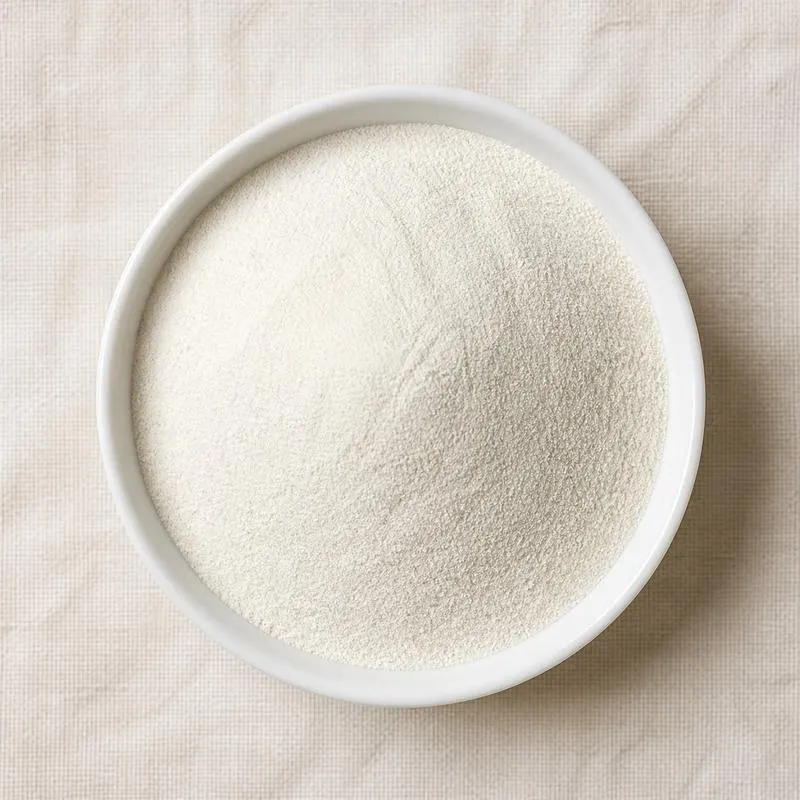
Fenmeizi Compound Seasoning
Fenmeizi compound seasoning is a branded compound seasoning, meaning a proprietary blend of seasoning materials formulated and sold as a single named ingredient rather than as a generic commodity. Products of this type are built on salt and a carrier such as maltodextrin or dextrose, carry umami from monosodium glutamate and the ribonucleotide salts, and take their identity from the spices, dehydrated vegetables, yeast extract, hydrolysed protein and compounded flavour that the recipe specifies.
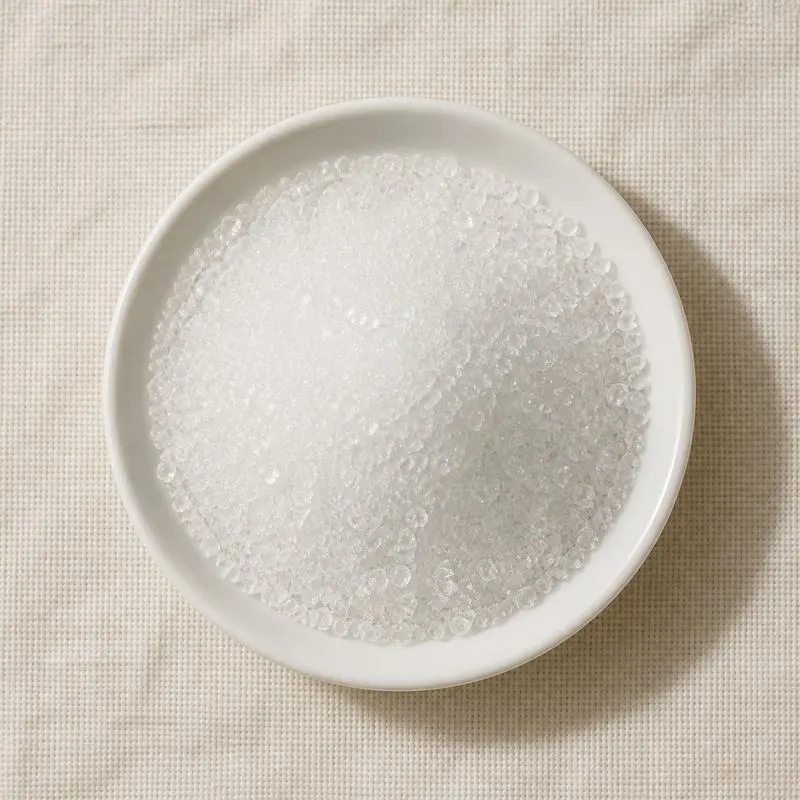
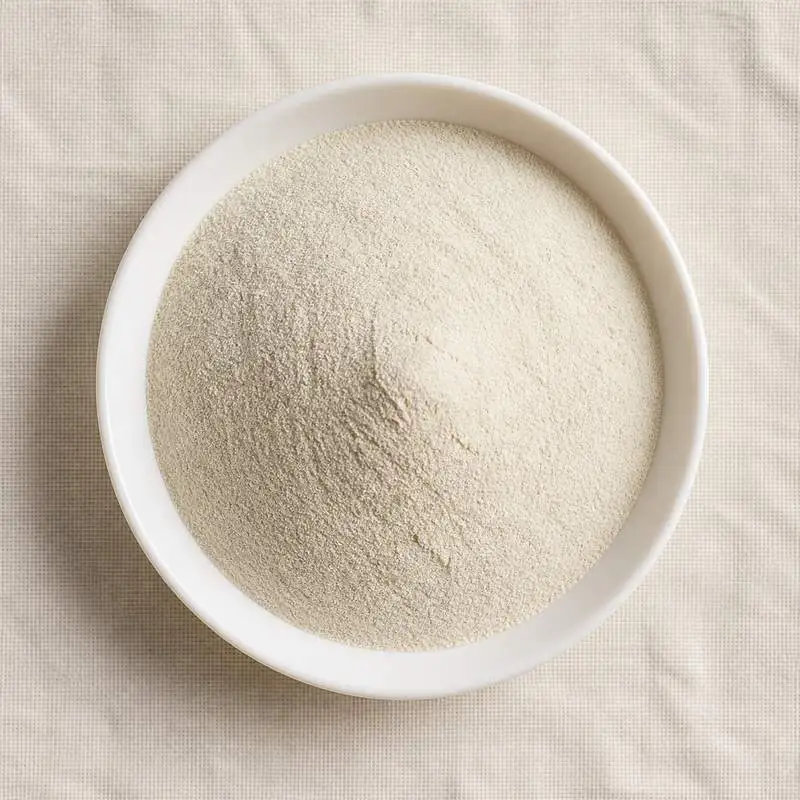
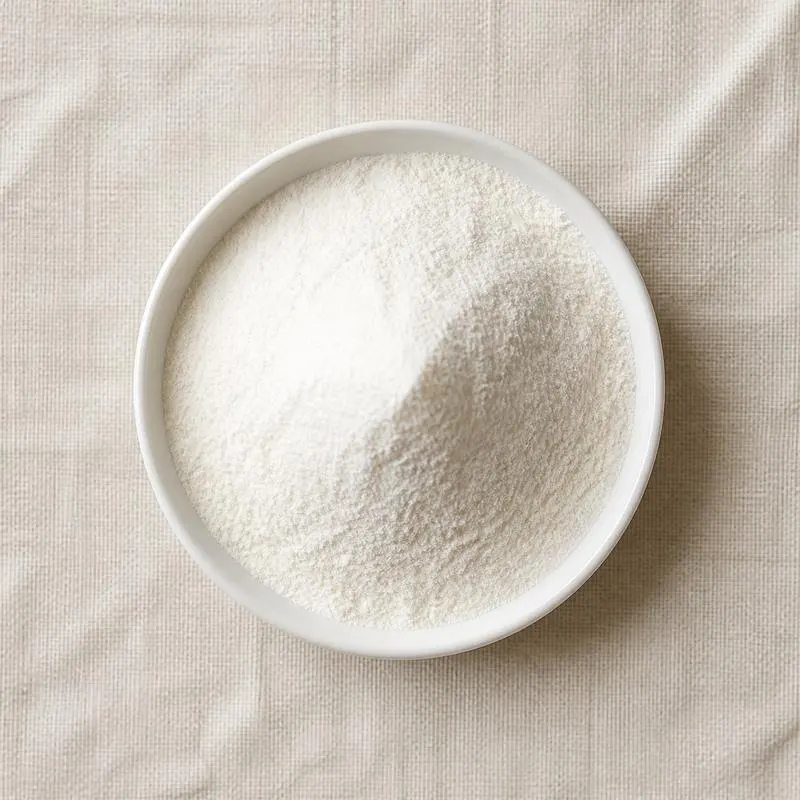
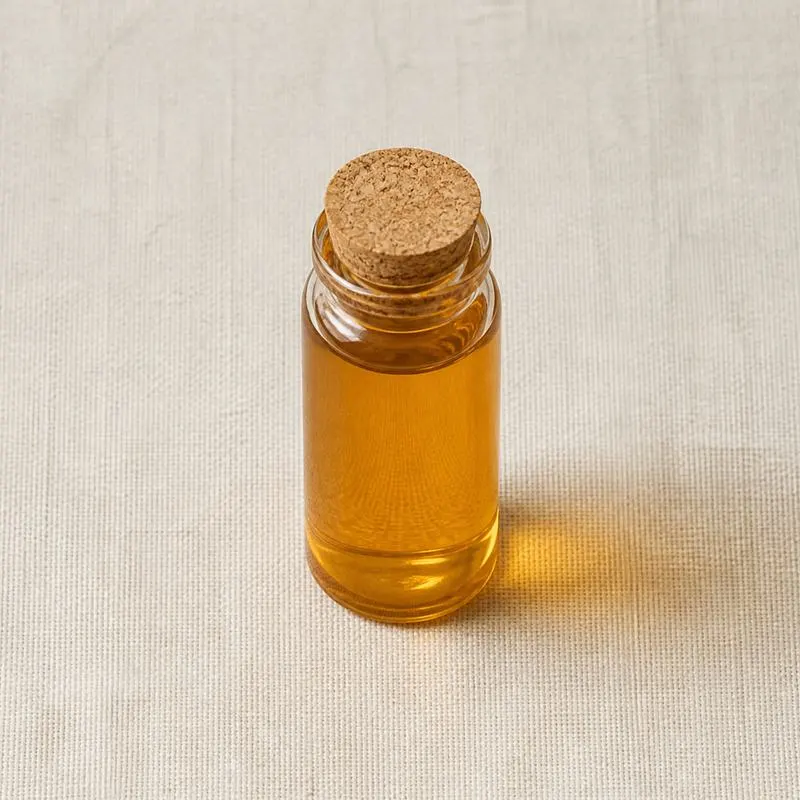
The commercial logic of a branded compound seasoning is that the formulation itself is the product. A food manufacturer or kitchen doses one ingredient at one rate and obtains a fixed, repeatable result, and the recipe behind it is held by the supplier rather than published, so the blend cannot be matched exactly from an ingredient declaration alone. Physical form follows the application, with free flowing powders and granules used dry, pastes and oil suspensions carrying fried and roasted notes that a powder cannot hold, and liquid concentrates dosed into wet systems.
We source bulk Fenmeizi Compound Seasoning from top China manufacturers for our partners. The manufacturer is in Shanghai. A smaller requirement can ship in a combined container with other ingredients.
Please send the grade you need, the volume and your destination port, and we will come back with a solution and a price.
or call +86-21-6858 0751
- Function
- Flavours and Aromas
Specifications
| Item | Specification |
|---|---|
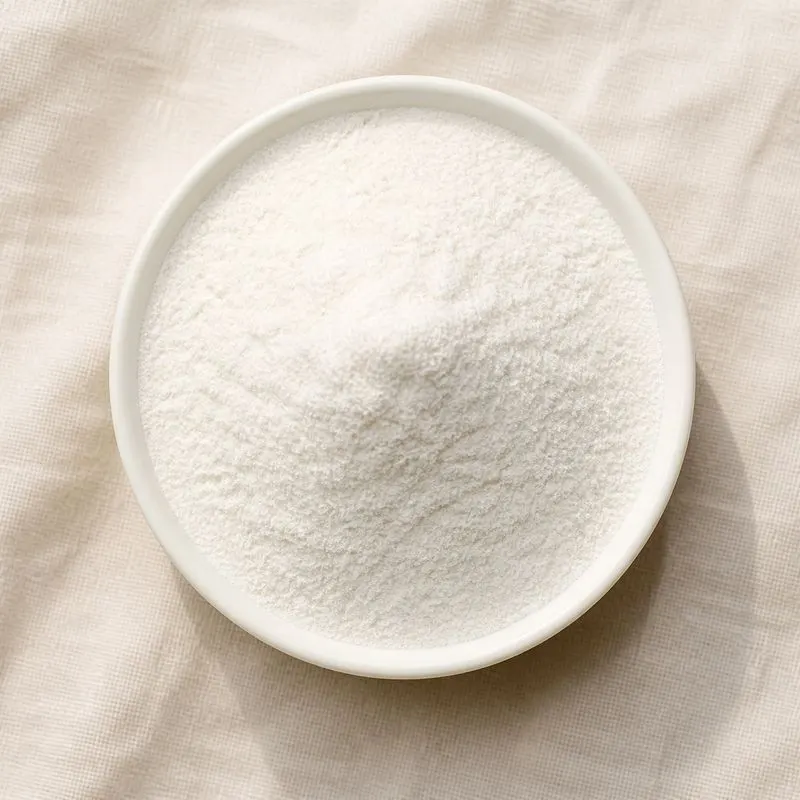
| Appearance | Homogeneous free flowing powder, light brown to reddish brown, free from foreign matter |
| Odour and Taste | Characteristic savoury aroma, full umami and salty taste, no off odour or off taste |
| Moisture | ≤ 5.0% |
| Sodium Chloride (as NaCl) | 35.0 – 45.0% |
| Monosodium Glutamate | ≥ 10.0% |
| Amino Nitrogen | ≥ 0.50% |
| Total Ash | ≤ 55.0% |
| Particle Size | ≥ 95% through 30 mesh |
| Solubility (60 °C water) | Disperses completely, no lumps or insoluble sediment |
| pH (10% solution, 25 °C) | 5.0 – 7.0 |
| Lead | ≤ 1.0 mg/kg |
| Arsenic | ≤ 0.5 mg/kg |
| Total Plate Count | ≤ 10,000 CFU/g |
| Coliforms | ≤ 30 MPN/100 g |
| Salmonella | Negative/25g |
Common Markets Grades
Because a product of this kind is defined by its own formula rather than by a standard, the meaningful variables are form and label rather than assay. Powder, granulated, paste and oil based versions of the same profile are sold separately, and granulation matters because a fine powder segregates in a dry blend and dusts during application while a granule flows and doses evenly. Reduced sodium versions substitute potassium chloride with a bitterness masker, and clean label versions replace monosodium glutamate and hydrolysed vegetable protein with yeast extract and fermented concentrates. Halal, kosher, vegetarian and non-genetically-modified status is set by the protein and fat components of the particular recipe.
Applications
- Central kitchen and foodservice cooking, dosed into sauces, braises and stir fries
- Marinades and injection brines for poultry and pork
- Snack seasoning, applied as a dry dust or through an oil slurry during tumbling
- Instant noodle and convenience meal seasoning sachets
- Soups, gravies and sauce bases prepared by dispersing in hot water
- Frozen and chilled ready meals, dosed into the sauce phase
- Retail seasoning packs for home cooking of a specific dish
- Coated and breaded products, blended into the predust or breader
China Manufacturers of Fenmeizi Compound Seasoning
Top Fenmeizi Compound Seasoning manufacturers in China.

Company names and logos are the property of the manufacturers themselves. They are listed here because our own directory records them as producing this ingredient. A listing is not an endorsement by them, and we do not represent them or speak on their behalf.
Regulatory Status
A compound seasoning is a compound food ingredient, so its regulatory position is the sum of its components rather than a single classification. In the United States salt, spices and dehydrated vegetables are foods, monosodium glutamate is affirmed as generally recognised as safe under 21 CFR 182.1 and must be declared by name, and the ribonucleotide salts are recognised for use as flavour enhancers and likewise declared. The FEMA GRAS programme covers flavour components and 21 CFR 101.22 governs their labelling, while their own regulations permit anticaking agents such as silicon dioxide and tricalcium phosphate with use level limits.
In the European Union the additive components carry E numbers under Regulation (EC) No 1333/2008, with monosodium glutamate as E621, disodium guanylate as E627, disodium inosinate as E631 and the mixed ribonucleotide salt as E635, and each must appear in the ingredient list by functional class together with its name or number. Flavourings fall under Regulation (EC) No 1334/2008 and carry no E number. Allergen declaration is the principal practical risk in this class, since wheat derived hydrolysed protein, soy, milk solids, celery and mustard are common in savoury formulations and must be declared however small the inclusion. Codex addresses the additive components through the general standard for food additives and the JECFA specifications.
Manufacturing Process
Manufacture is a controlled dry blending or paste making operation. Salt, sugars, umami salts, carriers, dehydrated vegetables, spices and flavours are received and released against specification, then weighed to the formula, with low inclusion materials such as nucleotides, colours and concentrated flavours pre-blended into a premix with a portion of carrier so that they distribute evenly through the batch. The premix and the bulk components are charged to a ribbon or plough blender and mixed for a validated cycle, with liquid flavour and oil sprayed in through nozzles where the recipe calls for it.
Powders that would otherwise cake are granulated, either by fluid bed agglomeration with a binder solution followed by drying or by roller compaction and milling, and an anticaking agent is added at the end of the cycle. Paste grades are cooked rather than blended, since the aroma of a fried seasoning base is generated by frying spices and aromatics in fat before the remaining ingredients are folded in and the paste is filled hot. All grades pass sifting, metal detection and check weighing, and are released against a retained reference on a sensory panel supported by moisture, salt and particle size testing.