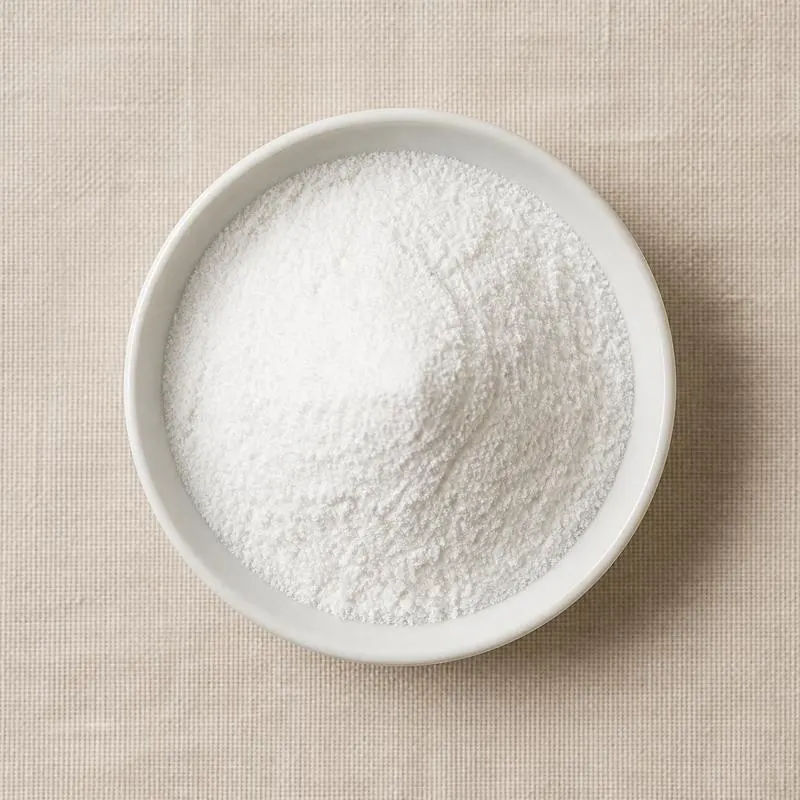
Tricalcium Phosphate
Tricalcium Phosphate is the calcium orthophosphate salt with idealized formula Ca₃(PO₄)₂, abbreviated TCP and registered under CAS 7758-87-4.
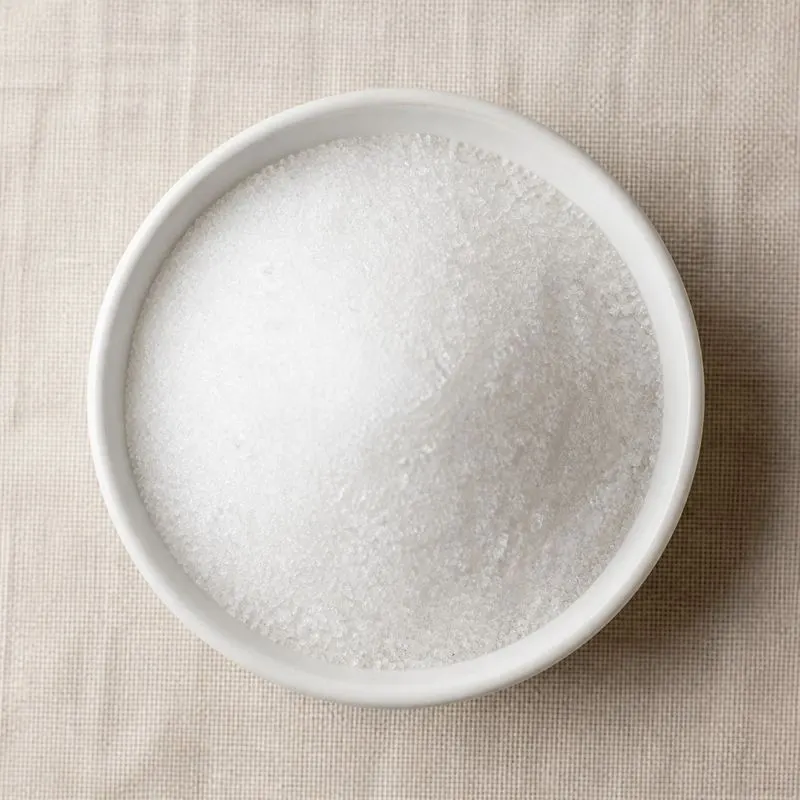
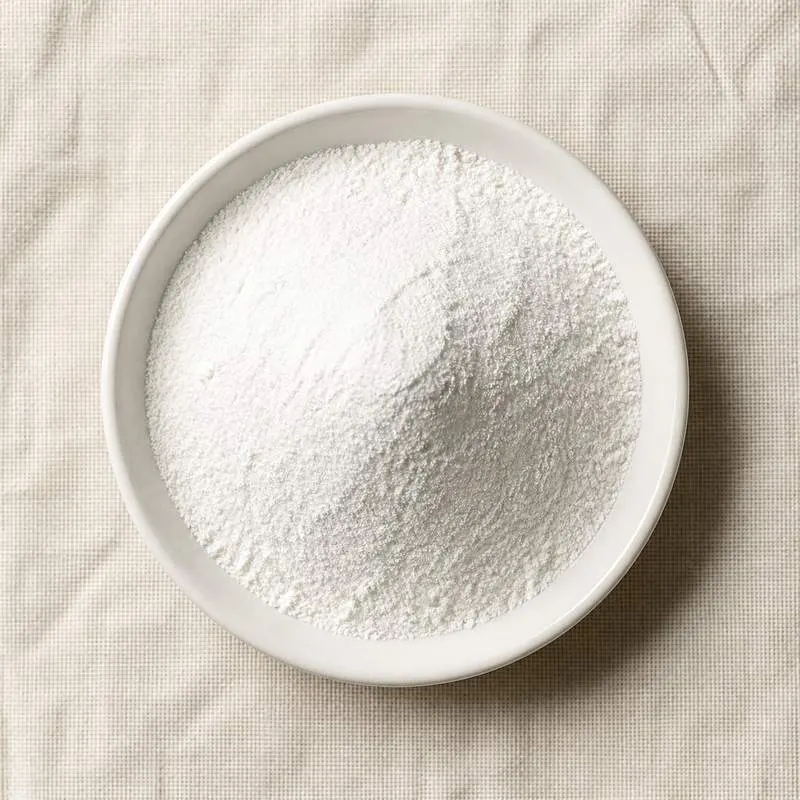
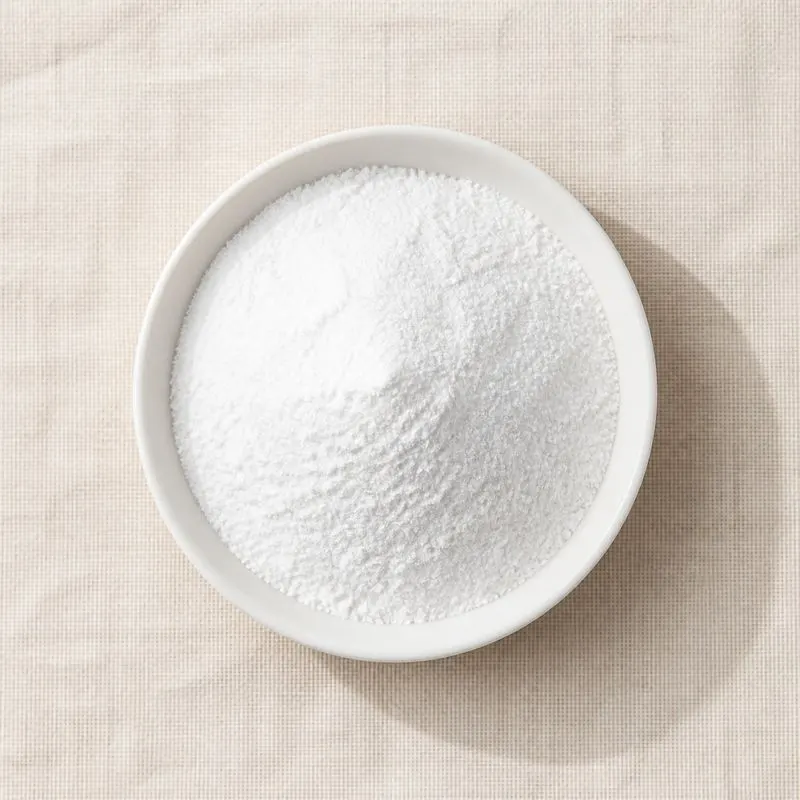
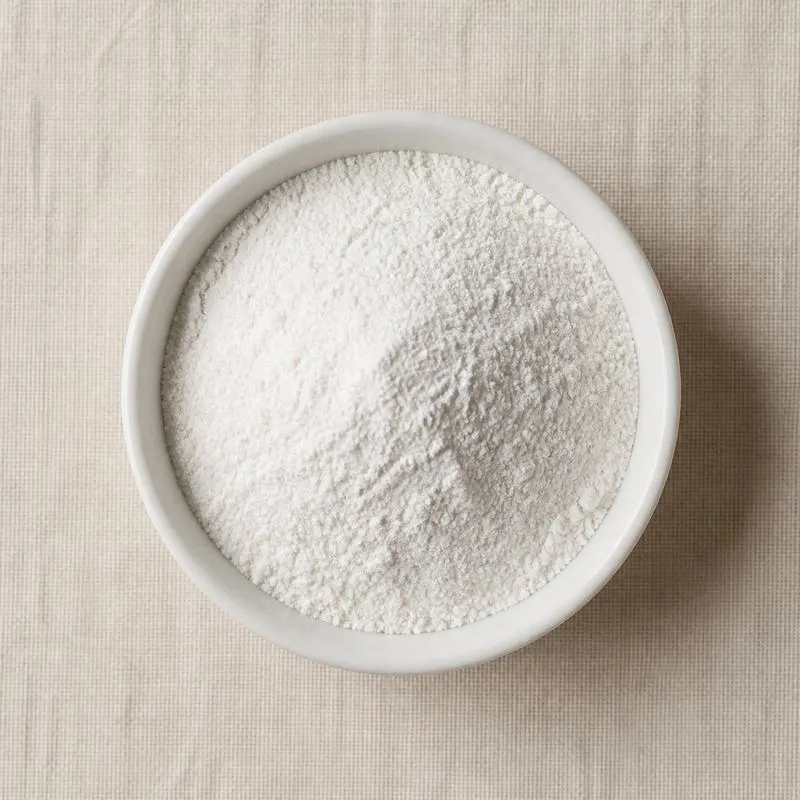
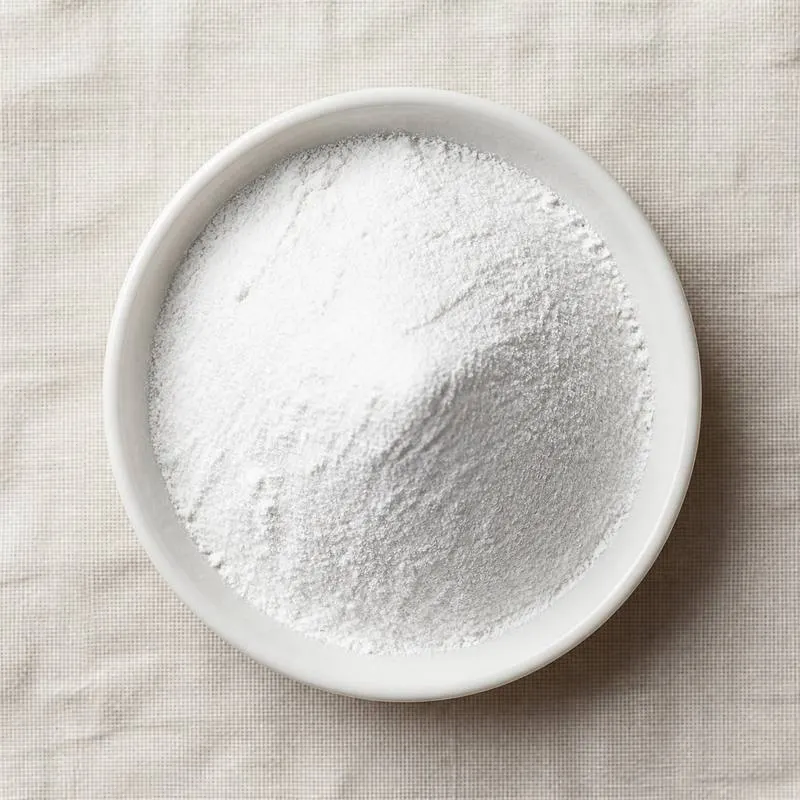
Industrial TCP is rarely a pure single phase. The commercial material is usually a hydroxyapatite-type product close to Ca₅(OH)(PO₄)₃, with a Ca:P ratio near 1.67 rather than the stoichiometric 1.5. It is a fine, free-flowing white powder.
We source bulk Tricalcium Phosphate from top China manufacturers for our partners, working with several of them. The manufacturers are mostly in Jiangsu, Guangxi and Shandong. For this ingredient the minimum order is 500 kg and a 20-foot container takes 20 MT, and a smaller requirement can ship in a combined container with other ingredients.
Please send the grade you need, the volume and your destination port, and we will come back with a solution and a price.
or call +86-21-6858 0751
- Minimum order
- 500 kg
- Qty in 20' FCL
- 20 MT
- Packaging
- 25 kg kraft paper bag with PE inner liner
- ISO 9001
- HACCP
- Halal
- Kosher
Specifications
| Item | Specification |
|---|---|
| Appearance | White odorless free-flowing powder |
| Assay (dry basis) | ≥ 90.0% |
| Calcium content | 34.0% to 40.0% |
| Phosphorus content | 18.0% to 22.0% |
| Loss on ignition | ≤ 10.0% |
| Acid-insoluble matter | ≤ 0.2% |
| Fluoride | ≤ 50 mg/kg |
| Heavy metals (as Pb) | ≤ 3 mg/kg |
| Arsenic | ≤ 2 mg/kg |
| Total plate count | ≤ 1000 CFU/g |
| Particle size | 100 mesh to ultrafine, or per customer specification |
Common Markets Grades
Food-grade TCP is the dominant commercial category. It is a light, low-bulk-density powder used as an anticaking agent in dry mixes and powdered ingredients.
A second food-grade presentation is densified or agglomerated for blendability and reduced dust during high-shear mixing.
Pharma-grade TCP is made to USP and Ph. Eur. monographs for direct-compression tableting and as a calcium source in chewable supplements. Tighter heavy-metal limits and controlled particle size separate this grade from the food grade.
Feed-grade TCP serves as a calcium-phosphorus supplement, though for monogastric species dicalcium phosphate is generally preferred for higher phosphorus availability. Defluorinated phosphate, a related material, is sometimes marketed alongside.
A high-purity grade close to single-phase β-Ca₃(PO₄)₂ is produced for bone-graft substitutes and dental ceramics. This biomedical grade is calcined at elevated temperature to fix the desired crystal phase.
Applications
- Anticaking agent in table salt, garlic salt, onion powder, and other dry seasonings
- Free-flow agent in powdered drink mixes, coffee whiteners, and instant beverage bases
- Calcium fortification of breakfast cereals, plant milks, juices, and infant formula
- Direct-compression filler in pharmaceutical tablets and chewable vitamin products
- Toothpaste mild abrasive and dental remineralization aid
- Powdered cheese and grated-cheese topping anticaking applications
- Bakery flour fortification and dough conditioning premixes
- Spice rubs and seasoning blends for poultry and meat processing
- Bone-graft substitute and synthetic-bone scaffold material in biomedical use
- Ceramic and porcelain whitening additive
- Animal-feed mineral premixes for ruminant cattle and small ruminants
Brands Using Tricalcium Phosphate
Widely-distributed consumer products that list Tricalcium Phosphate on the ingredient label.
- Morton SaltMorton Flour Salt ↗A flour salt containing tricalcium phosphate and a trace of yellow prussiate of soda as free-flowing and anticaking agents.Label verified 2026-05-24
- Morton SaltMorton Pulverized Salts - Extra Fine 200 and Extra Fine 325 ↗Morton Pulverized Salts Extra Fine 200 and Extra Fine 325 are 'treated with ultra fine tricalcium phosphate, a free flowing, anticaking additive approved as GRAS' per Morton's official business product page.Label verified 2026-05-24
- Silk (Danone)Silk Vanilla Soy Dairy-Free Yogurt Alternative ↗Silk Vanilla Soy Dairy-Free Yogurt Alternative ingredient panel includes tricalcium phosphate as a calcium-fortification/mineral source.Label verified 2026-05-24
- Silk (Danone)Silk Plain Soy Dairy-Free Yogurt Alternative ↗Silk Plain Soy Dairy-Free Yogurt Alternative ingredient list (silk.com product page) includes tricalcium phosphate as a calcium-fortification ingredient.Label verified 2026-05-24
- CargillCargill Flour Salts (food processing) ↗Cargill's official 'Flour Salt in Food Processing' page states the flour-salt line 'contains tricalcium phosphate (TCP) to improve caking resistance and flowability,' with average purity of 99.7% sodium chloride.Label verified 2026-05-24
Brand names, product names and logos are the property of their owners. They appear here as published evidence that the ingredient is used, taken from the brand's own label or website. Their appearance is not an endorsement, and it does not mean the brand buys from us or from any manufacturer listed on this site.
China Manufacturers of Tricalcium Phosphate
Top Tricalcium Phosphate manufacturers in China.
 Gangxi Yunbo Health Technology Co., Ltd.10 ingredients in the directory
- Jiangsu Debang Duoling Health Technology Co., Ltd.10 ingredients in the directory
 Lianyungang Dongtai Food Ingredients Co., Ltd.11 ingredients in the directory
 Lianyungang Hengsheng Fine Chemical Co., Ltd.10 ingredients in the directory
- Lianyungang Kede Food Ingredients Co., Ltd.5 ingredients in the directory
 Lianyungang Zhonghong Chemical Co., Ltd.11 ingredients in the directory
 Nature Food Technology Co.;Ltd.12 ingredients in the directory
 Reephos (Chongqing) Food Ingredients Co., Ltd.9 ingredients in the directory
- Yunnan Addiphos Technology Co., Ltd.7 ingredients in the directory
Company names and logos are the property of the manufacturers themselves. They are listed here because our own directory records them as producing this ingredient. A listing is not an endorsement by them, and we do not represent them or speak on their behalf.
How We Help Source Tricalcium Phosphate
Direct Factory Sourcing
We run the whole process: selecting the manufacturer from the top Chinese food ingredient producers, negotiating the price, verifying quality, and coordinating the logistics. You deal with us instead of with several factories at once.
Original Packaging and Documents from the Manufacturer
The manufacturer sends your Tricalcium Phosphate out of its own factory in the original packing, through to your destination port. The COA, COO, MSDS, TDS and any certifications reach you from the manufacturer as well.
Free Samples and Lead Time
We send 100 to 500 g free for your own laboratory to test and you cover only the courier, usually within 2 to 3 working days. ETD is usually within 7 to 15 days once the order is confirmed, and we check that date against the factory's own manufacturing schedule before we give it to you.
Combined Shipment
We can load Tricalcium Phosphate together with other ingredients such as Sodium Acetate, Calcium Citrate and Sodium Lactate into one 20' FCL. If your quantity is small, we can also ship LCL.
Regulatory Status
Tricalcium Phosphate is approved for food use in essentially every regulated market.
The European Union assigns it E number E341(iii), grouped with mono- and dicalcium phosphates within the calcium phosphates family of Regulation (EC) 1333/2008. Use levels are specified across cereals, beverages, dairy analogues, and dietary foods.
The U.S. Food and Drug Administration affirms TCP as GRAS under 21 CFR 182.5217 and 184.1434 for nutrient supplementation, anticaking, and dough conditioning.
JECFA includes TCP within the group maximum tolerable daily intake established for phosphate additives.
Pharmacopoeial monographs are published in USP-NF as Tribasic Calcium Phosphate, in Ph. Eur. as Calcium Phosphate, and in JP. Halal and Kosher certifications are routinely available for mineral-source product.
Manufacturing Process
The standard commercial route to TCP is precipitation from phosphoric acid and a calcium source.
Defluorinated wet-process phosphoric acid is neutralised with calcium hydroxide or calcium carbonate under controlled pH and temperature. Reaction at pH above 9 favors the apatitic product that the trade calls tricalcium phosphate. The resulting slurry is filtered, washed thoroughly to remove sodium and chloride, and spray-dried or flash-dried to give the characteristic light powder.
An alternative route hydrolyses monocalcium or dicalcium phosphate in the presence of excess lime, again giving the apatitic precipitate.
For biomedical-grade β-tricalcium phosphate, the precipitated material is calcined above 900 °C to convert the hydroxyapatite intermediate into the desired β-phase. Particle shape is then controlled by spray-drying or sintering depending on whether powder or scaffold form is required.
Bone-derived TCP, produced by calcining defatted bone above 1000 °C and milling, is a niche route used where a non-mineral origin is preferred.