Ferrous Pyrophosphate
Ferrous Pyrophosphate is the iron(II) salt of pyrophosphoric acid, a niche fortification iron with very low water solubility and minimal organoleptic impact in finished foods.
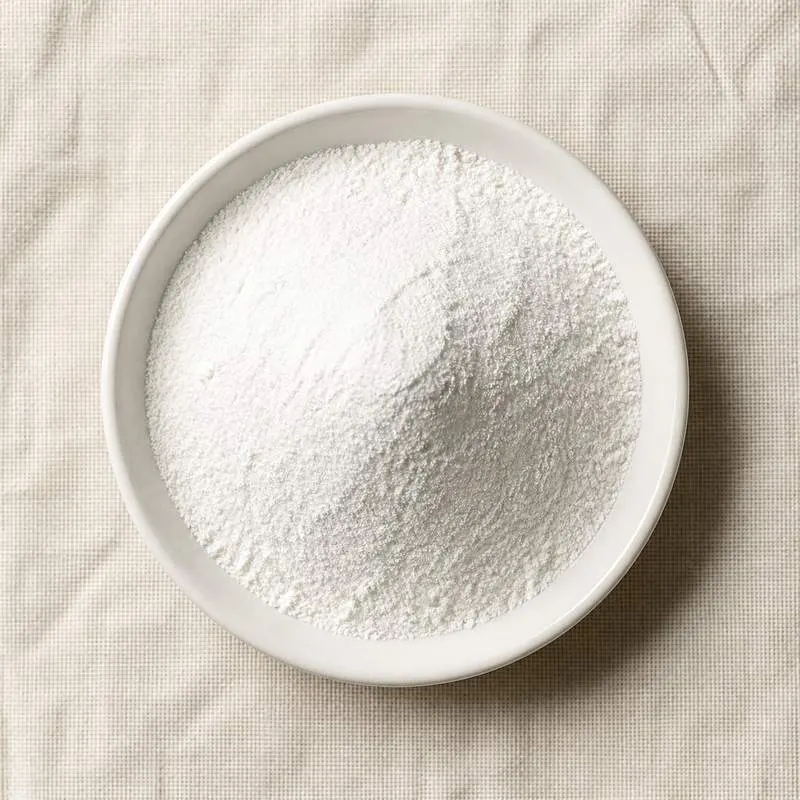
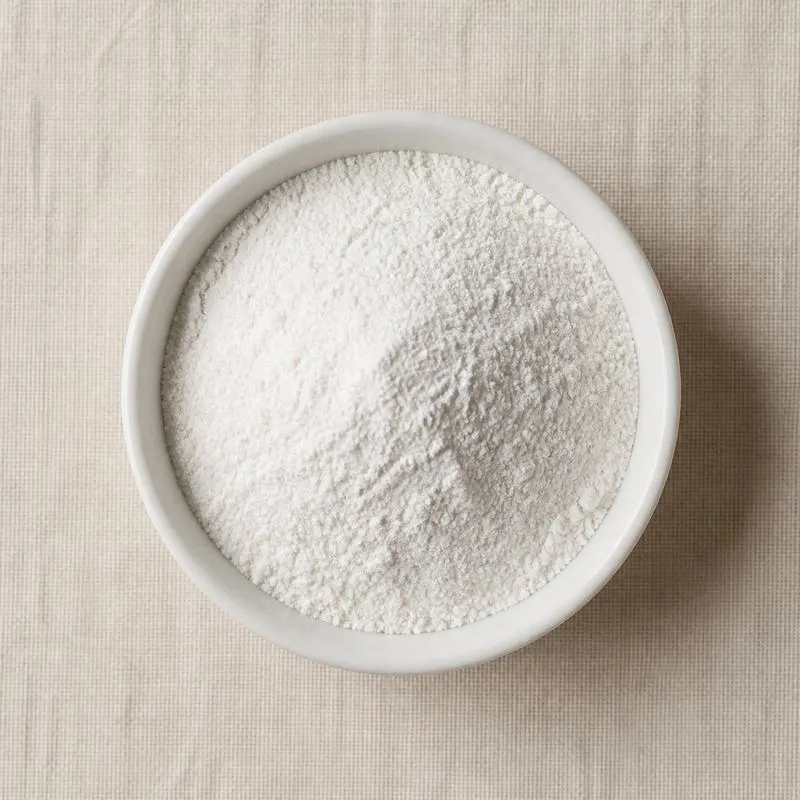
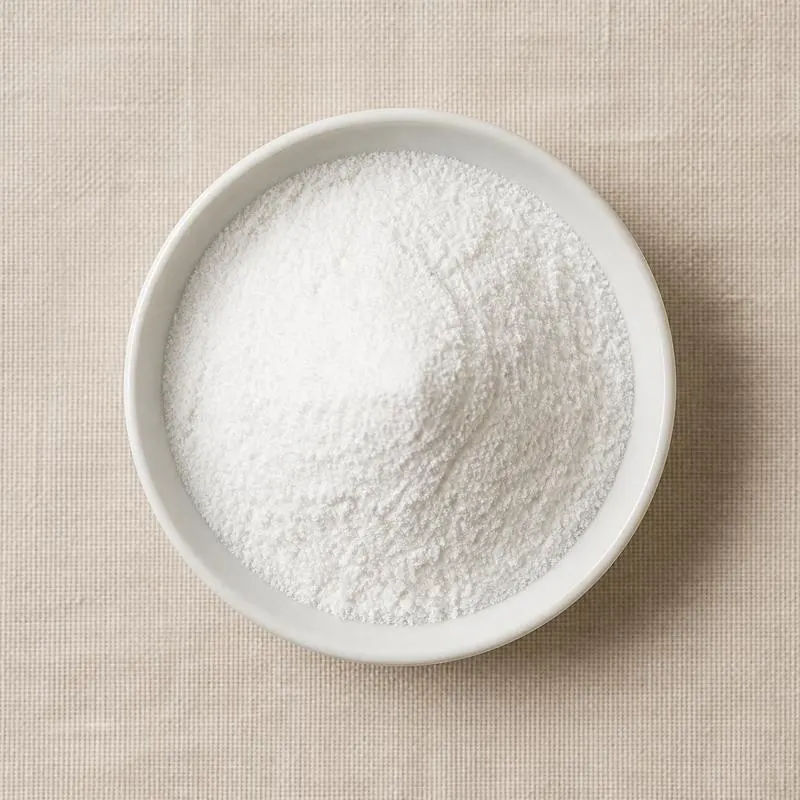
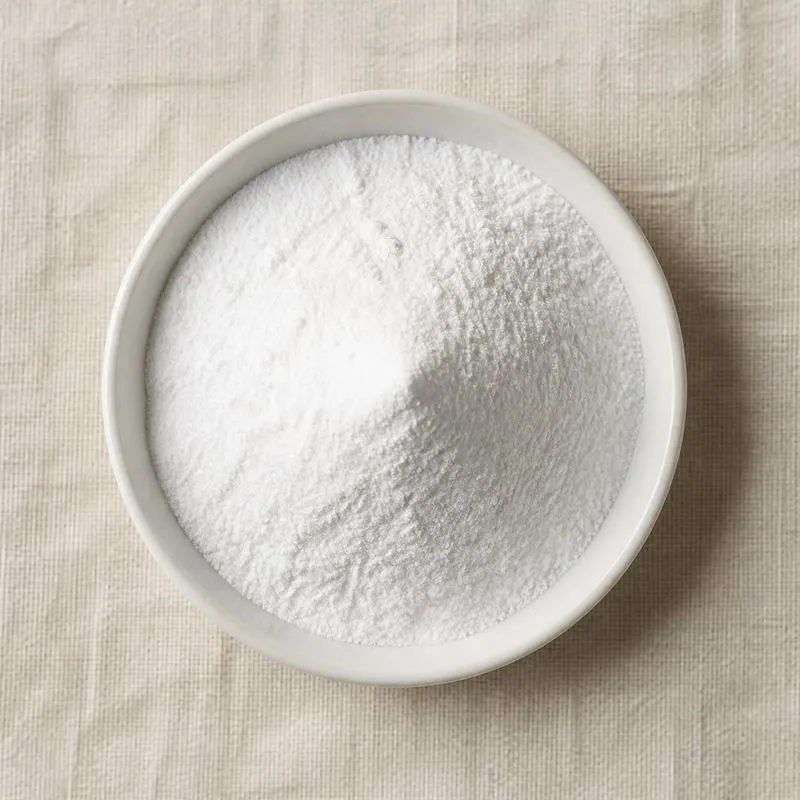
The compound has the general formula Fe2(P2O7), and commercial material is hydrated with a variable amount of crystal water. It is a near-white to pale grey-green fine powder. Elemental iron content typically runs around 30 percent depending on hydration, somewhat lower than ferric pyrophosphate but with the absorption advantage of starting in the +2 oxidation state.
We source bulk Ferrous Pyrophosphate from top China manufacturers for our partners. The manufacturer is in Jiangsu. A smaller requirement can ship in a combined container with other ingredients.
Please send the grade you need, the volume and your destination port, and we will come back with a solution and a price.
or call +86-21-6858 0751
- Packaging
- 25 kg kraft paper bag with PE inner liner
- ISO 9001
- HACCP
- Halal
- Kosher
Specifications
Grades / Types Available: Food Grade
| Item | Specification |
|---|---|
| Appearance | White to grey powder |
| Iron Content | 24-26% |
| Loss on Drying | ≤ 1.0% |
| Heavy Metals (as Pb) | ≤ 10 mg/kg |
| Arsenic | ≤ 3 mg/kg |
| Purity/Assay | 95% min |
| Moisture/Loss on Drying | 5% max |
| pH | 6.0 - 8.0 |
| Lead | 2 ppm max |
| Total Plate Count | 1000 cfu/g max |
| Yeast & Mold | 100 cfu/g max |
Common Markets Grades
Food fortification grade ferrous pyrophosphate meets FCC and JECFA specifications. The grade comes in standard milled and micronized cuts, with particle size driving both sensory neutrality and absorption.
Micronized cuts in the low single-digit micron range are used in dairy and beverage matrices where larger particles would settle and feel gritty.
Standard milled grades, with particle sizes in the tens of microns, are used in dry premixes, cereals, bars, and bakery applications where sedimentation in liquid is not a concern.
Encapsulated and coated grades, using lipid or polysaccharide shells, further suppress sensory impact and protect oxidizable nutrients in long shelf-life products.
Applications
- Iron fortification of fortified flours, breakfast cereals, and infant cereals
- Nutrition bars, biscuits, and bakery products where flavour neutrality and colour stability are required
- Chocolate-flavoured and cocoa-based products where soluble iron salts would catalyse rancidity
- Dry beverage premixes and instant drink powders
- Infant and follow-on formula in markets that permit insoluble iron sources
- Medical foods and clinical-nutrition powders
- Premix manufacture for staple-food and condiment fortification programs
- Salt and bouillon-cube fortification in certain national programs
- Veterinary and pet-nutrition iron premixes
Brands Using Ferrous Pyrophosphate
Widely-distributed consumer products that list Ferrous Pyrophosphate on the ingredient label.
Brand names, product names and logos are the property of their owners. They appear here as published evidence that the ingredient is used, taken from the brand's own label or website. Their appearance is not an endorsement, and it does not mean the brand buys from us or from any manufacturer listed on this site.
China Manufacturers of Ferrous Pyrophosphate
Top Ferrous Pyrophosphate manufacturers in China.

Company names and logos are the property of the manufacturers themselves. They are listed here because our own directory records them as producing this ingredient. A listing is not an endorsement by them, and we do not represent them or speak on their behalf.
How We Help Source Ferrous Pyrophosphate
Direct Factory Sourcing
We run the whole process: selecting the manufacturer from the top Chinese food ingredient producers, negotiating the price, verifying quality, and coordinating the logistics. You deal with us instead of with several factories at once.
Original Packaging and Documents from the Manufacturer
The manufacturer sends your Ferrous Pyrophosphate out of its own factory in the original packing, through to your destination port. The COA, COO, MSDS, TDS and any certifications reach you from the manufacturer as well.
Free Samples and Lead Time
We send 100 to 500 g free for your own laboratory to test and you cover only the courier, usually within 2 to 3 working days. ETD is usually within 7 to 15 days once the order is confirmed, and we check that date against the factory's own manufacturing schedule before we give it to you.
Combined Shipment
We can load Ferrous Pyrophosphate together with other ingredients such as Sodium Acetate, Calcium Citrate and Sodium Lactate into one 20' FCL. If your quantity is small, we can also ship LCL.
Regulatory Status
Ferrous Pyrophosphate is approved as a source of iron in food supplements and fortified foods in most regulated markets, though it is less commonly listed than its ferric counterpart in modern fortification guidance.
In the United States it is listed as a permitted source of iron in dietary supplements and in conventional foods under nutrient supplement provisions.
The European Union permits ferrous salts of orthophosphoric and pyrophosphoric acids as sources of iron in food supplements under Regulation (EC) No 1925/2006, with constraints on infant-formula use.
JECFA has reviewed iron pyrophosphate compounds as fortification iron sources.
Pharmacopoeial coverage is limited compared to sulphate, fumarate, and gluconate. Halal and Kosher certifications exist from major suppliers, and material is generally suitable for vegan labelling.
Manufacturing Process
Industrial synthesis proceeds by reacting a soluble ferrous source with sodium or potassium pyrophosphate in aqueous solution under a nitrogen atmosphere. Pyrophosphate itself is produced by thermal condensation of orthophosphate at controlled temperature.
Ferrous sulphate or ferrous chloride solution is added to the pyrophosphate solution at controlled pH. The product precipitates as a fine pale solid almost immediately. The reaction is run cold and under nitrogen to keep the iron in the +2 oxidation state and to limit particle growth.
The precipitate is collected by filtration or centrifugation, washed extensively with deoxygenated water to remove sodium sulphate or chloride byproducts, and dried under vacuum at modest temperature.
Where micronized grades are required, the dried solid is processed by jet milling or wet-bead milling to drive the median particle size into the low single-digit micron range. Tight control of crystal water content is needed to lock the target iron assay.