Flaxseed Protein
Flaxseed Protein is a plant protein concentrate or isolate produced from defatted seeds of Linum usitatissimum, typically delivering 50 to 80 percent protein on a dry basis.
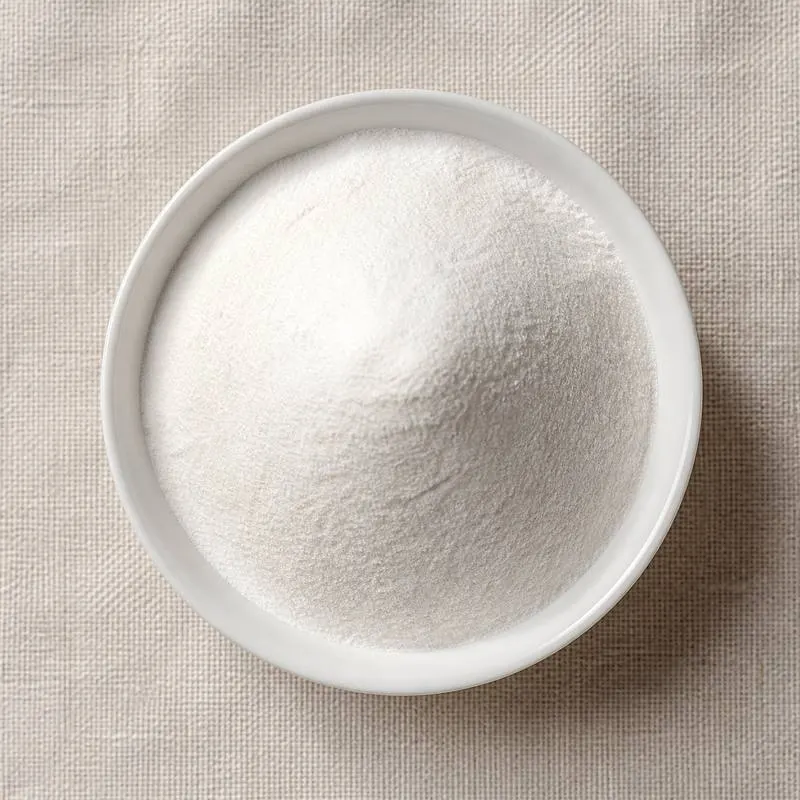
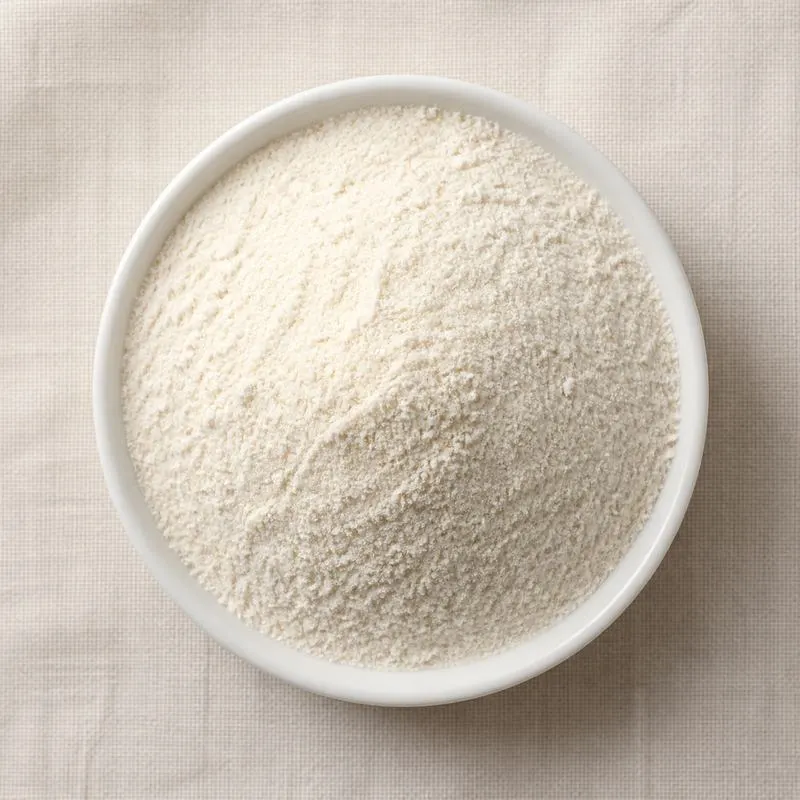
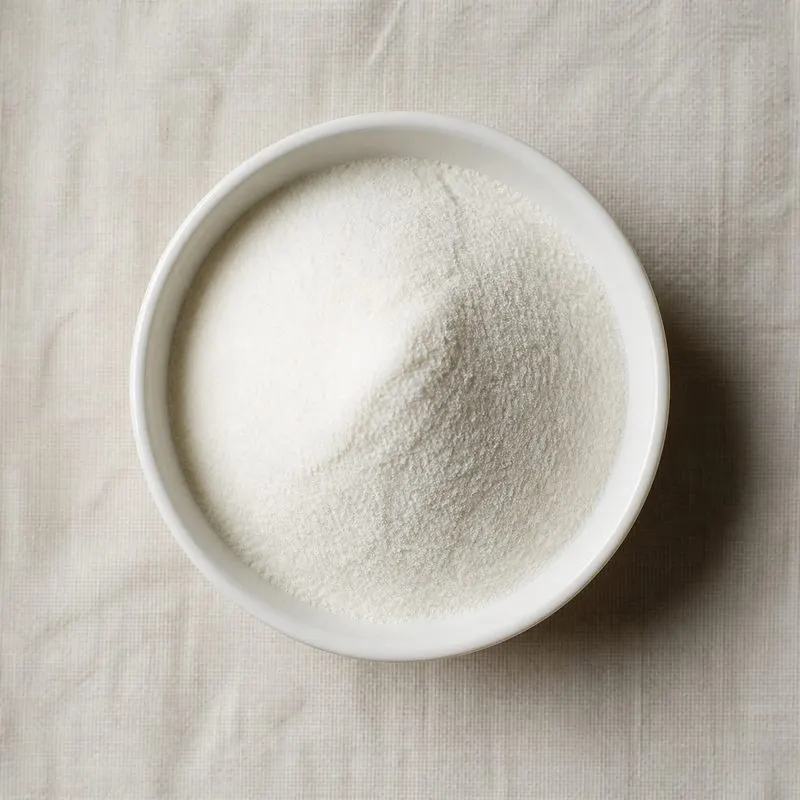
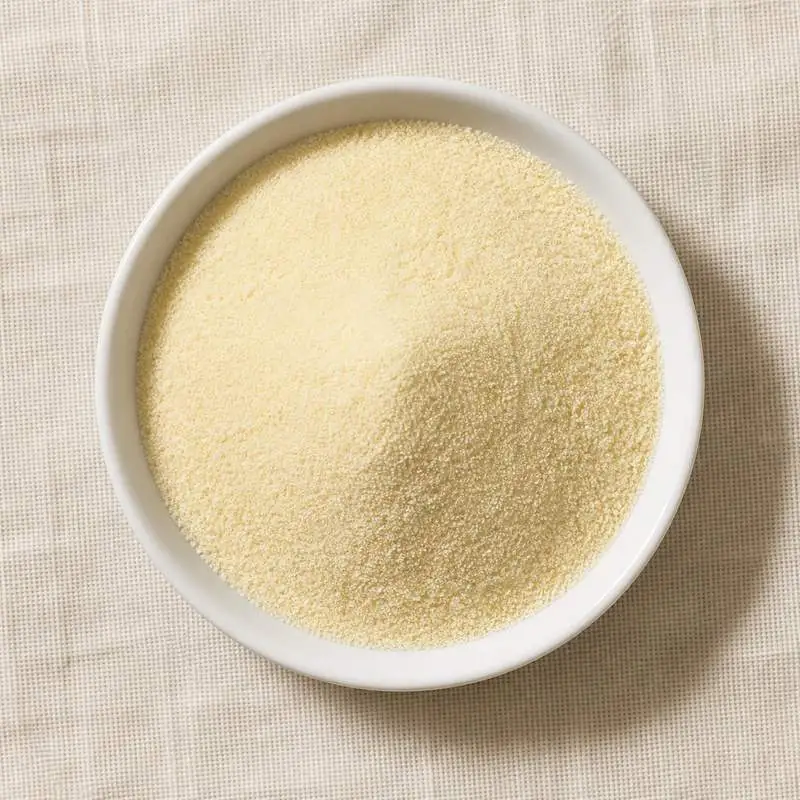
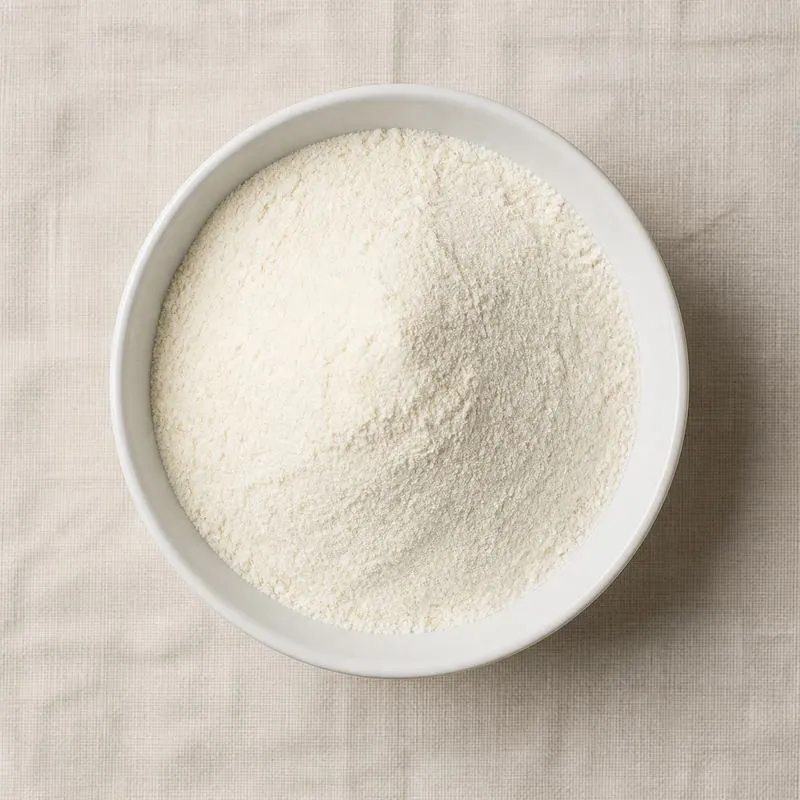
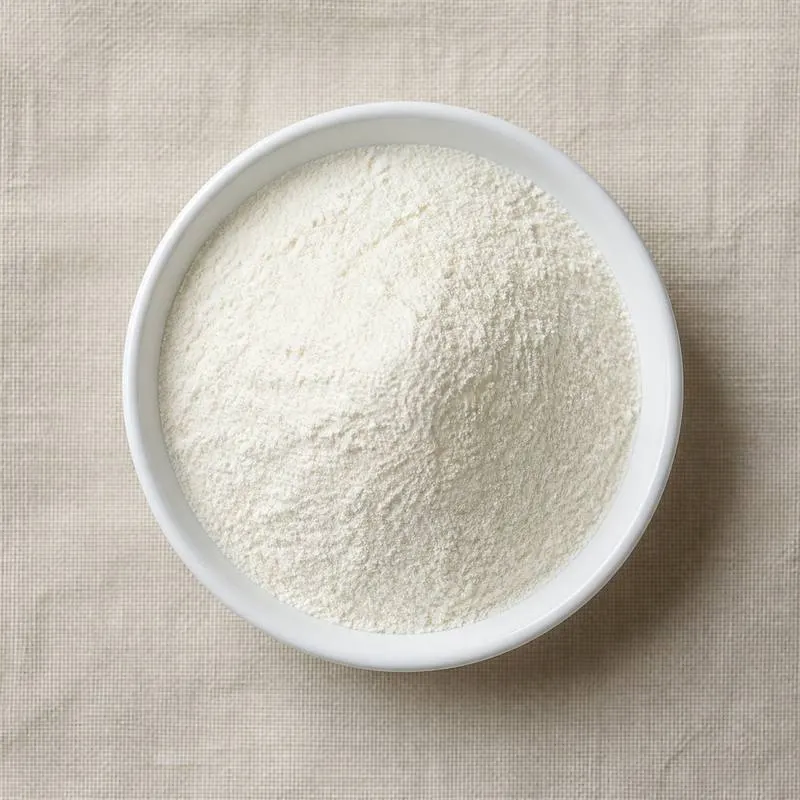
The powder is light brown to deep tan with a mild nutty taste. It is commonly positioned alongside flaxseed oil as a paired protein-and-omega-3 product line.
Flaxseed protein carries useful amounts of arginine, glutamic acid, and aspartic acid, and contributes residual lignans and soluble fibre that survive the protein extraction.
We source bulk Flaxseed Protein from top China manufacturers for our partners. The manufacturer is in Liaoning. A smaller requirement can ship in a combined container with other ingredients.
Please send the grade you need, the volume and your destination port, and we will come back with a solution and a price.
or call +86-21-6858 0751
- Packaging
- 25 kg kraft paper bag with PE inner liner
- ISO 9001
- HACCP
- Halal
- Kosher
Specifications
Grades / Types Available: food grade, feed grade
| Item | Specification |
|---|---|
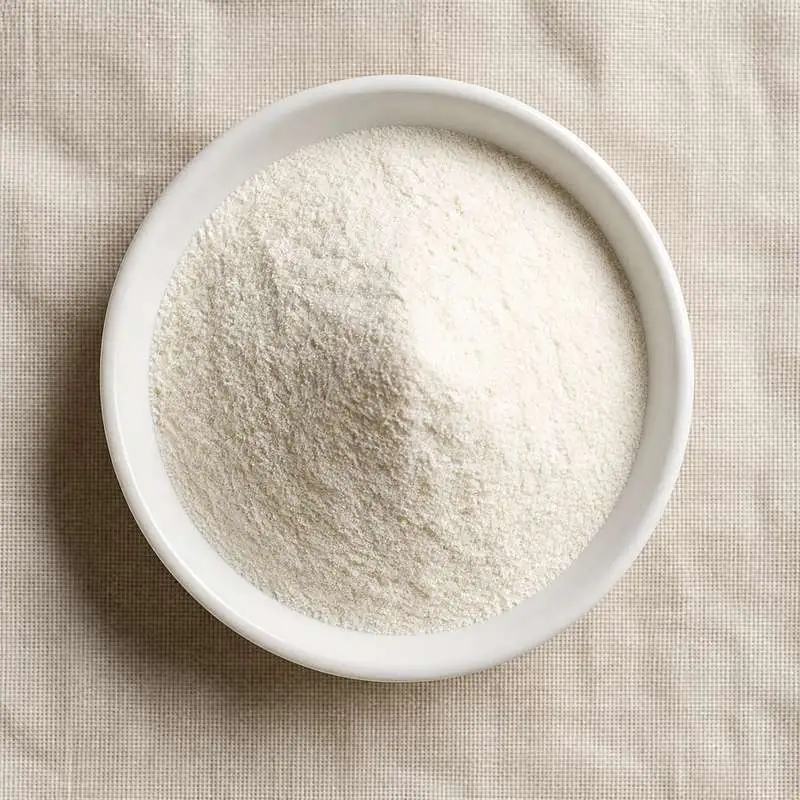
| Appearance | Light brown fine powder |
| Protein (dry basis) | ≥ 40% |
| Moisture | ≤ 8.0% |
| Fat | ≤ 10% |
| Ash | ≤ 7.0% |
| Dietary Fiber | ≥ 15% |
| Particle Size | 80 mesh |
| Total Plate Count | ≤ 10,000 cfu/g |
| Purity (Food Grade) | 90% |
| pH (Food Grade) | 6.5 |
| Heavy Metals (Food Grade) | <0.5 ppm |
| Lead (Food Grade) | <0.1 ppm |
| Arsenic (Food Grade) | <0.1 ppm |
| Yeast & Mold (Food Grade) | <100 cfu/g |
Common Markets Grades
Flaxseed Protein is graded by protein content and by oil and fibre residue.
The 30 to 35 percent flaxseed flour is the simplest grade, suitable for bakery and cereal applications where omega-3 and fibre are wanted alongside protein.
The 50 to 60 percent concentrate is the most widely traded grade. It is used in protein blends, bars, and bakery formulations.
The 70 to 80 percent isolate is produced by a smaller number of producers for sports nutrition, beverages, and clinical nutrition.
Brown and golden (yellow) flax variants are produced separately because they produce powders with distinctly different colours and slightly different lignan profiles.
Organic-certified material is widely available from Canadian, Russian, and Kazakh seed origins.
Applications
- Plant-based protein powders, often blended with pea, rice, or hemp protein
- Omega-3 and protein combination supplements
- Protein bars and snack bites where fibre and lignans add positioning
- Bakery: breads, muffins, crackers, and gluten-free goods
- Breakfast cereals, granolas, and instant oat mixes
- Meal replacement and weight-management beverages
- Plant-based meat analogues for binding and protein support
- Pancake, waffle, and brownie premixes
- Functional yogurts and dairy-free fermented products
- Pet food and treats for grain-free and high-fibre formats
- Sports recovery blends positioned for endurance and cardiovascular support
Brands Using Flaxseed Protein
Widely-distributed consumer products that list Flaxseed Protein on the ingredient label.
- Sprout LivingSimple Protein Flax ↗Sprout Living Simple Flax Protein: 100% pure single-ingredient cold-pressed, dried and milled organic flaxseed protein powder, 15 g protein per serving; rich in omega 3, 6 and 9.Label verified 2026-05-24
- Garden of LifeRaw Organic Protein (Plant-Based Formula) ↗Garden of Life Raw Organic Protein sprouted-grain protein blend includes organic flax seed sprout protein among 13 sprouted seed/grain/legume proteins.Label verified 2026-05-24
Brand names, product names and logos are the property of their owners. They appear here as published evidence that the ingredient is used, taken from the brand's own label or website. Their appearance is not an endorsement, and it does not mean the brand buys from us or from any manufacturer listed on this site.
China Manufacturers of Flaxseed Protein
Top Flaxseed Protein manufacturers in China.

Company names and logos are the property of the manufacturers themselves. They are listed here because our own directory records them as producing this ingredient. A listing is not an endorsement by them, and we do not represent them or speak on their behalf.
How We Help Source Flaxseed Protein
Direct Factory Sourcing
We run the whole process: selecting the manufacturer from the top Chinese food ingredient producers, negotiating the price, verifying quality, and coordinating the logistics. You deal with us instead of with several factories at once.
Original Packaging and Documents from the Manufacturer
The manufacturer sends your Flaxseed Protein out of its own factory in the original packing, through to your destination port. The COA, COO, MSDS, TDS and any certifications reach you from the manufacturer as well.
Free Samples and Lead Time
We send 100 to 500 g free for your own laboratory to test and you cover only the courier, usually within 2 to 3 working days. ETD is usually within 7 to 15 days once the order is confirmed, and we check that date against the factory's own manufacturing schedule before we give it to you.
Combined Shipment
We can load Flaxseed Protein together with other ingredients such as Collagen Peptide, Soy Protein Isolate and Fish Collagen Peptide into one 20' FCL. If your quantity is small, we can also ship LCL.
Regulatory Status
Flaxseed Protein is regulated as a conventional food in most jurisdictions.
It is not classified as a Novel Food in the European Union when sourced from Linum usitatissimum seed with documented food history. Whole flaxseed has a long history of human consumption in Europe and North America.
Self-affirmed GRAS status is the typical US route for flaxseed protein in food use.
Organic certification under USDA NOP and EU 2018/848 is widely available. Kosher and Halal certificates are routinely issued.
The ingredient is naturally vegan, gluten-free, and non-GMO when conventional seed is used. Allergen labelling is not required in major jurisdictions.
Manufacturing Process
Flaxseed Protein begins with whole flaxseed sourced from Canada, Russia, Kazakhstan, China, or India. Canada is the dominant global supplier.
The seeds are cleaned, optionally dehulled, and pressed mechanically to extract flaxseed oil. The press cake holds 30 to 40 percent protein and retains useful lignans and soluble fibre.
For the flour and lower-protein concentrate, the cake is simply milled, sieved, and standardised.
For higher protein grades, the cake is extracted with water or mild alkali, often after a mucilage-removal step that uses water washing or enzyme treatment. Mucilage removal improves protein recovery and downstream filtration.
The dissolved protein is precipitated near pH 4.5, washed, neutralised, and spray-dried. Final powders are blended for protein uniformity and screened.