Fresh Ginger Essential Oil
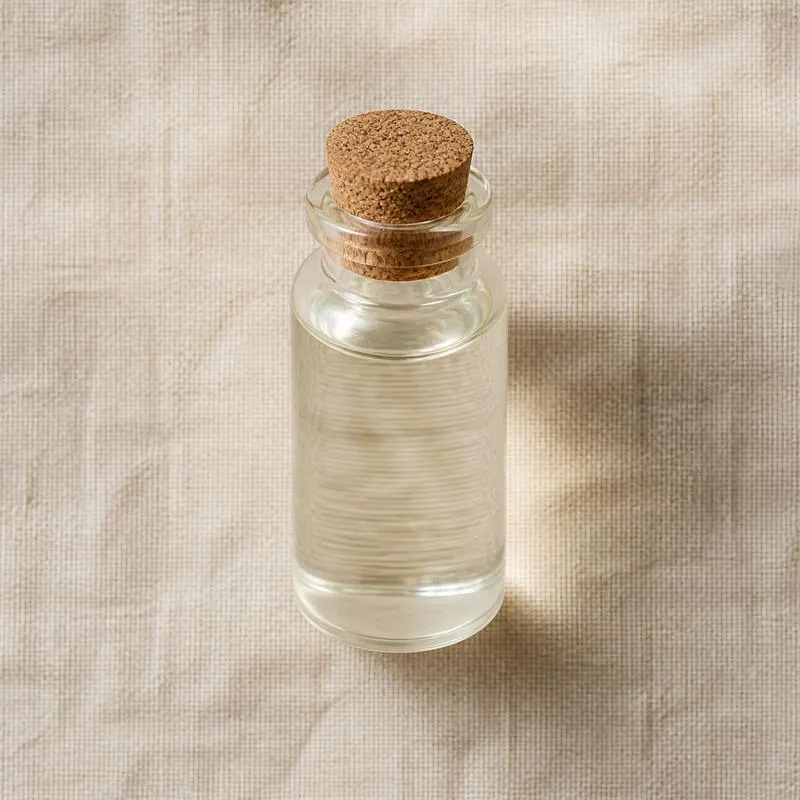
Fresh ginger essential oil is the volatile oil steam distilled from the fresh, undried rhizome of Zingiber officinale. Its composition is dominated by sesquiterpene hydrocarbons, principally zingiberene, beta-sesquiphellandrene, ar-curcumene and beta-bisabolene, with a monoterpene fraction of camphene, alpha-pinene, 1,8-cineole and citral that supplies the bright, lemony lift characteristic of fresh material.
Distilling fresh rather than dried rhizome is the point of the product. Drying converts part of the sesquiterpene fraction and drives off the lighter citrus notes, so oil from dried ginger is warmer, woodier and less green, while fresh ginger oil keeps the sharp, juicy, slightly citrus impression of the raw rhizome. Both are traded, and the certificate states which was used.
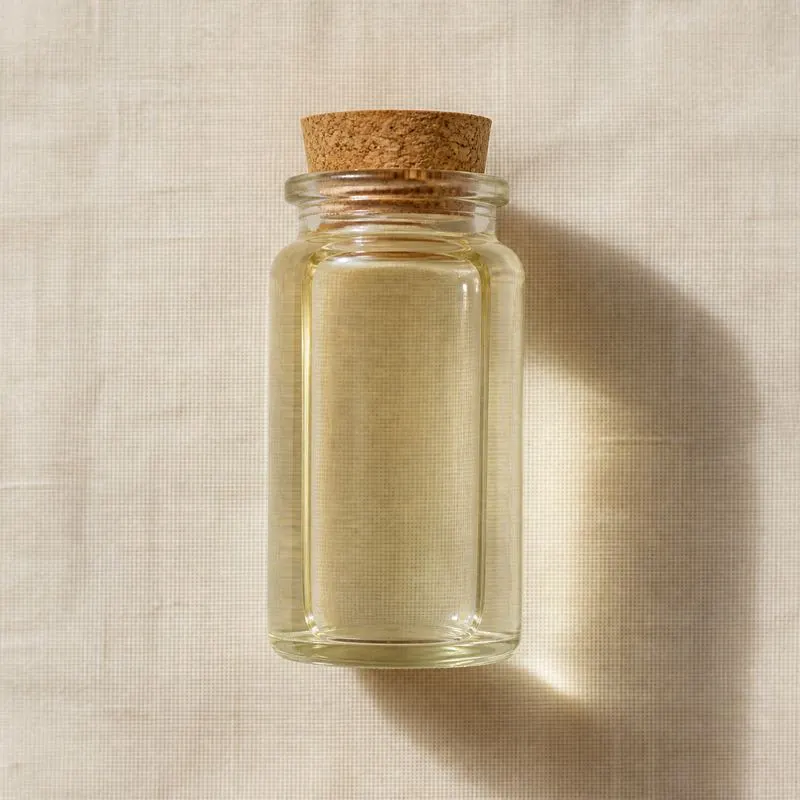
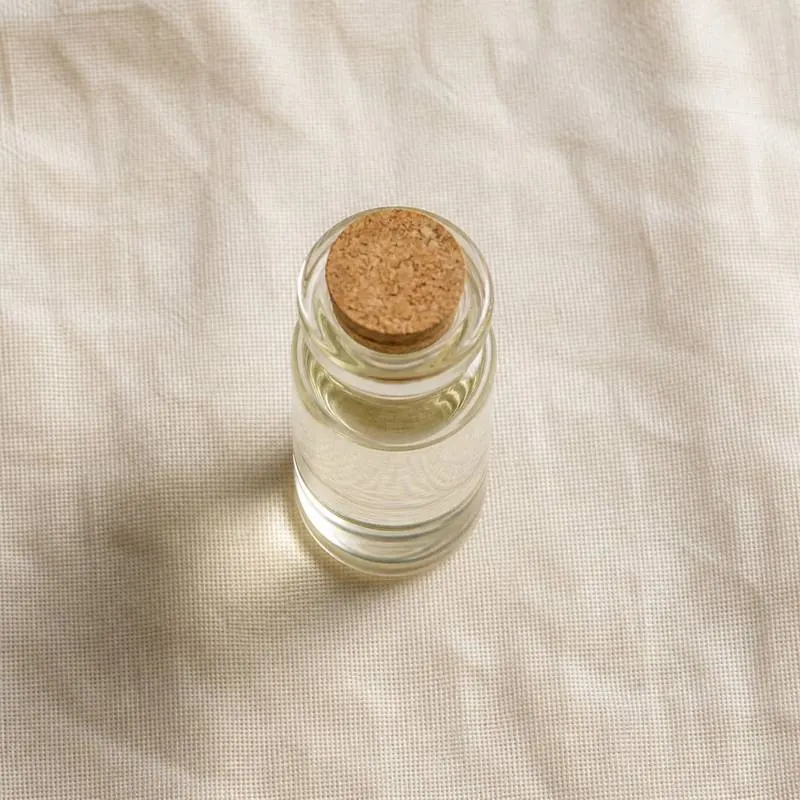
The oil carries aroma but not heat. Gingerols and shogaols, the pungent principles responsible for the burn of ginger, are non-volatile and remain in the spent rhizome, so they appear in ginger oleoresin and in carbon dioxide extracts but not in the distilled oil. The oil is a pale yellow to amber mobile liquid, practically insoluble in water and miscible with ethanol and vegetable oils, and it thickens and darkens as the sesquiterpenes oxidise, so it is stored cold under nitrogen.
We source bulk Fresh Ginger Essential Oil from top China manufacturers for our partners. The manufacturer is in Shandong. A smaller requirement can ship in a combined container with other ingredients.
Please send the grade you need, the volume and your destination port, and we will come back with a solution and a price.
or call +86-21-6858 0751
- Function
- Essential oil
Specifications
| Item | Specification |
|---|---|
| Appearance | Clear pale yellow to amber mobile liquid |
| Odour and Flavour | Fresh, warm, characteristic ginger with citrus lift |
| Botanical Source | Zingiber officinale fresh rhizome |
| Zingiberene Content | 18.0% to 35.0% by gas chromatography |
| beta-Sesquiphellandrene Content | 6.0% to 14.0% by gas chromatography |
| Specific Gravity (20 degrees Celsius) | 0.871 to 0.890 |
| Refractive Index (20 degrees Celsius) | 1.488 to 1.494 |
| Optical Rotation (20 degrees Celsius) | Minus 28 to minus 45 degrees |
| Solubility in 90% Ethanol | Soluble in 5 volumes, may show slight opalescence |
| Acid Value | ≤ 2.0 mg KOH/g |
| Heavy Metals (as Pb) | ≤ 10 mg/kg |
| Lead | ≤ 2 mg/kg |
| Arsenic | ≤ 1 mg/kg |
| Pesticide Residues | Complies with destination market limits |
Common Markets Grades
The primary distinction is fresh against dried rhizome distillation, quoted separately because the profiles differ in the citral and monoterpene fraction. Origin is quoted alongside, since Chinese, Indian, Nigerian and Australian material differ noticeably, and buyers frequently specify a zingiberene range as the marker for freshness and strength.
Crude distilled oil is sold together with redistilled and rectified grades produced under vacuum to lighten colour and remove heavy residue, and terpeneless grades in which part of the hydrocarbon fraction is stripped to improve solubility and stability. Ginger oleoresin and supercritical carbon dioxide extract are separate articles carrying the pungent gingerols as well as the volatiles, and they are not substitutes for the essential oil where only aroma is wanted. Organic certified oil is available from the main origins.
Applications
- Soft drinks, in ginger ale, ginger beer and cola flavour systems, usually as an emulsion in the concentrate
- Confectionery and chewing gum, in ginger sweets and spiced confectionery
- Bakery, in gingerbread, biscuits and spiced cakes, where the oil supplements or replaces ground spice
- Savoury seasoning, in Asian sauce bases, marinades and stir fry seasoning
- Meat and seafood processing, where ginger aroma is used to round off and mask fishy notes
- Alcoholic beverages, in ginger liqueurs, spiced rum and bitters
- Dairy and dessert, in spiced ice cream, yoghurt and chai style products
- Instant beverage powders and tea blends, in encapsulated form
- Personal care and fragrance, in warm spicy accords for fine fragrance and toiletries
- Aromatherapy and massage products, diluted in a carrier oil
Brands Using Fresh Ginger Essential Oil
Widely-distributed consumer products that list Fresh Ginger Essential Oil on the ingredient label.
Brand names, product names and logos are the property of their owners. They appear here as published evidence that the ingredient is used, taken from the brand's own label or website. Their appearance is not an endorsement, and it does not mean the brand buys from us or from any manufacturer listed on this site.
China Manufacturers of Fresh Ginger Essential Oil
Top Fresh Ginger Essential Oil manufacturers in China.

Company names and logos are the property of the manufacturers themselves. They are listed here because our own directory records them as producing this ingredient. A listing is not an endorsement by them, and we do not represent them or speak on their behalf.
Regulatory Status
In the United States 21 CFR 182.20 lists ginger oil among the essential oils, oleoresins and natural extractives generally recognised as safe for their intended use in food, and it carries FEMA GRAS status as a flavouring substance. Foods flavoured with it are labelled as containing natural flavour, and use in cosmetics and personal care falls under the separate cosmetic rules.
In the European Union ginger essential oil is a natural flavouring preparation under Regulation (EC) No 1334/2008 on flavourings, which frames its use and the maximum levels of certain biologically active principles occurring naturally in botanical flavourings. No E number applies. The European Medicines Agency has published a herbal monograph on ginger rhizome covering its traditional medicinal use, which is a separate framework from the food flavouring position. The Joint FAO/WHO Expert Committee on Food Additives has evaluated citral and related terpene flavouring agents found in the oil and publishes specifications for them.
Manufacturing Process
Fresh rhizome is lifted, washed free of soil, and trimmed of roots and damaged tissue. Because the product is defined by distilling undried material, the rhizome is processed quickly after harvest and is comminuted immediately before charging, since the oil is held in cells that must be ruptured for steam to reach it and since the light citrus notes are lost on standing.
The crushed rhizome is charged into a stainless steel still and extracted by steam distillation over several hours. The vapour is condensed and the oil separated from the distillation water in a Florentine flask, with the aqueous phase cohobated to recover dissolved oxygenated compounds. Crude oil is decanted, dried over a desiccant and filtered, then rectified under vacuum where a lighter, low-residue grade is required, and fractionated where a terpeneless grade is wanted. Yield on fresh weight is low, in the region of a few tenths of a percent, which is why the spent rhizome is often taken forward for oleoresin extraction. Finished oil is profiled by gas chromatography, blended to specification and filled into lined drums under nitrogen.