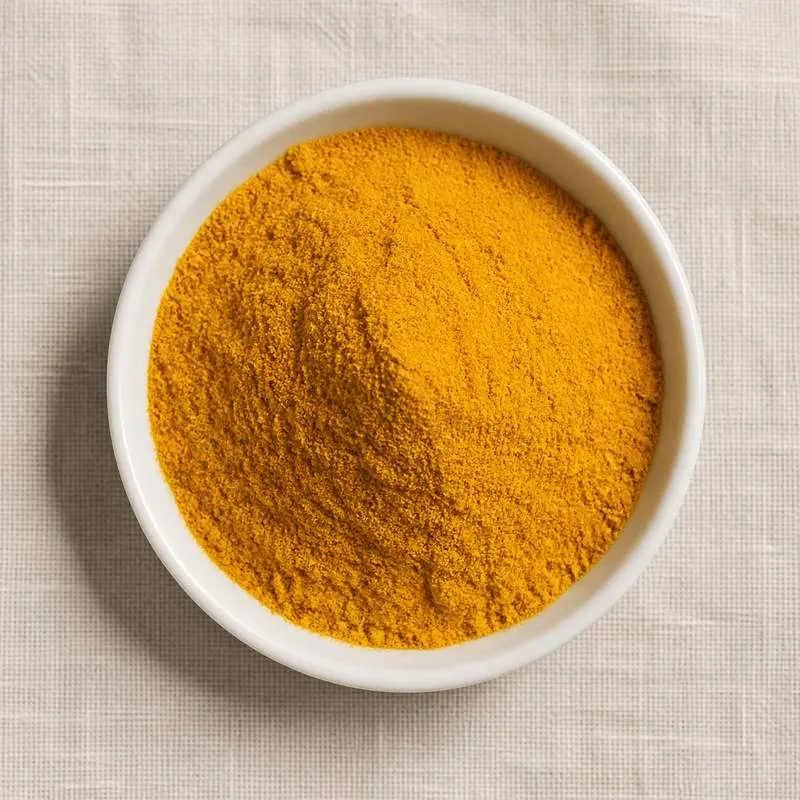
Gingerols
Gingerols are the principal pungent constituents of fresh Zingiber officinale rhizome. The commercial material is a purified mixture of 6-gingerol, 8-gingerol, and 10-gingerol, with 6-gingerol typically the largest single component.
The reference compound 6-gingerol carries CAS number 23513-14-6 and the molecular formula C17H26O4 with a molar mass of 294.39 g/mol. The structure features a beta-hydroxy ketone linked to a vanillyl aromatic ring, which underlies both the pungency and the chemical reactivity of the molecule.
We source bulk Gingerols from top China manufacturers for our partners, working with several of them. The manufacturers are mostly in Anhui, Henan and Guangdong. A smaller requirement can ship in a combined container with other ingredients.
Please send the grade you need, the volume and your destination port, and we will come back with a solution and a price.
or call +86-21-6858 0751
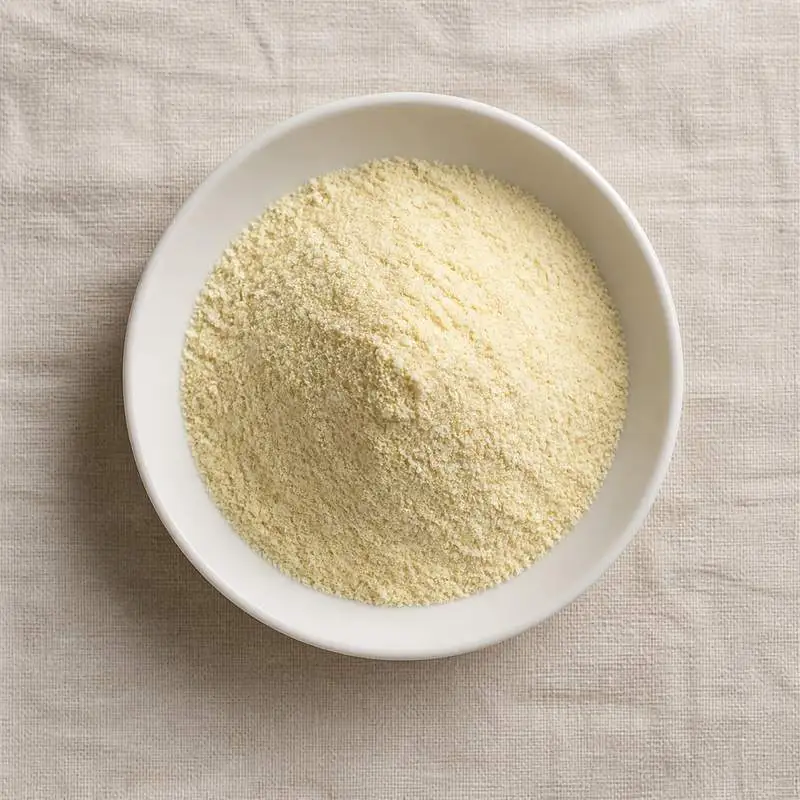
- Packaging
- 25 kg kraft paper bag with PE inner liner
- ISO 9001
- HACCP
- Halal
- Kosher
Specifications
| Item | Specification |
|---|---|
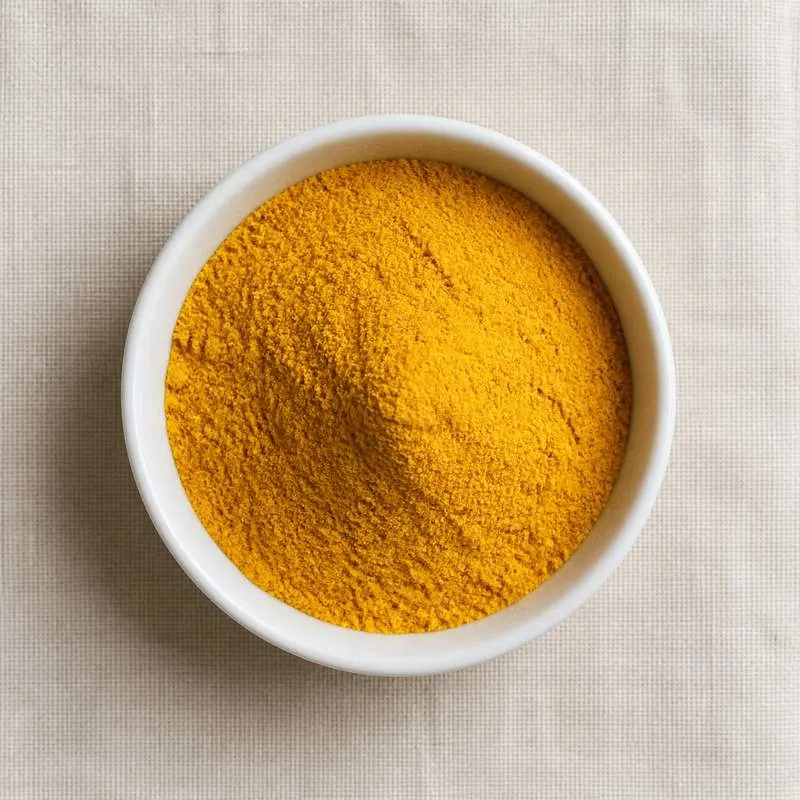
| Appearance | Yellow to brownish-yellow free-flowing powder |
| Total gingerols (HPLC) | 5% / 10% / 20% (grade dependent) |
| 6-Gingerol (HPLC) | ≥ 98% (isolated compound grade) |
| Particle size | 100% through 80 mesh |
| Loss on drying | ≤ 5.0% |
| Heavy metals (as Pb) | ≤ 2 mg/kg |
| Total plate count | ≤ 1000 cfu/g |
| Source | Zingiber officinale rhizome |
Common Markets Grades
Gingerols are graded at several purity tiers depending on use.
Analytical reference standards run at greater than 98 percent purity for HPLC calibration in pharmacopoeial laboratories. These are small-pack items aimed at quality-control departments rather than formulation.
Research and high-end nutraceutical grades range from 30 to 90 percent total gingerols, with the balance being non-pungent ginger phytochemicals such as shogaols, paradols, and zingerone.
Functional-ingredient grades sit at 5 to 25 percent total gingerols on a powder carrier. These are the practical commercial format for capsules, tablets, and softgels where dose density matters but cost must remain manageable.
Each lot is characterised by HPLC for the individual gingerol homologs. The 6-, 8-, and 10-gingerol ratio is reported separately, since the three homologs differ in pungency intensity per milligram.
Applications
- Single-active capsule supplements for digestive comfort
- Anti-nausea formulations targeting motion sickness and chemotherapy-induced nausea
- Sports nutrition products positioned around recovery and muscle soreness
- Joint-support and inflammation-modulation blends
- Cardiovascular wellness stacks combined with garlic and hawthorn
- Cognitive and brain-health formulas
- Functional gummies and soft chews at higher dose density
- Premium effervescent tablets and rapid-release formats
- Dermatological and warming topical products
- Pharmaceutical research applications and in-vitro studies
- Reference and calibration standards for analytical laboratories
- Concentrated traditional medicine preparations
Brands Using Gingerols
Widely-distributed consumer products that list Gingerols on the ingredient label.
- NOW FoodsNOW Ginger Root Extract 250 mg Veg Capsules ↗Standardized to minimum 5% Gingerols; label specifies 'Ginger (Zingiber officinale) (Root) Extract... (min. 5% Gingerols)'.Label verified 2026-05-24
- Bluebonnet NutritionBluebonnet Ginger Root Extract Vegetable Capsules ↗Standardized to 5% (15 mg) Gingerols & Shogaols per serving on Supplement Facts panel.Label verified 2026-05-24
- Gaia HerbsGaia Herbs Ginger Supreme (60 Liquid Phyto-Caps) ↗Label discloses 'Total Pungent Compounds from Ginger 30 mg' (gingerols + related pungent constituents).Label verified 2026-05-24
Brand names, product names and logos are the property of their owners. They appear here as published evidence that the ingredient is used, taken from the brand's own label or website. Their appearance is not an endorsement, and it does not mean the brand buys from us or from any manufacturer listed on this site.
China Manufacturers of Gingerols
Top Gingerols manufacturers in China.
 Anhui Garlicare Bio-tech Co., Ltd.3 ingredients in the directory
 Guangdong Tiansheng Food Technology Co., Ltd.8 ingredients in the directory
- Henan Mingtian Food Co., Ltd.4 ingredients in the directory
 Linquan Zerun Plant & Spice Co., Ltd.9 ingredients in the directory
- Taizhou Aohua Food Co., Ltd.4 ingredients in the directory
 Zhongjing Food Co., Ltd.4 ingredients in the directory
Company names and logos are the property of the manufacturers themselves. They are listed here because our own directory records them as producing this ingredient. A listing is not an endorsement by them, and we do not represent them or speak on their behalf.
How We Help Source Gingerols
Direct Factory Sourcing
We run the whole process: selecting the manufacturer from the top Chinese food ingredient producers, negotiating the price, verifying quality, and coordinating the logistics. You deal with us instead of with several factories at once.
Original Packaging and Documents from the Manufacturer
The manufacturer sends your Gingerols out of its own factory in the original packing, through to your destination port. The COA, COO, MSDS, TDS and any certifications reach you from the manufacturer as well.
Free Samples and Lead Time
We send 100 to 500 g free for your own laboratory to test and you cover only the courier, usually within 2 to 3 working days. ETD is usually within 7 to 15 days once the order is confirmed, and we check that date against the factory's own manufacturing schedule before we give it to you.
Combined Shipment
We can load Gingerols together with other ingredients such as Astaxanthin, Dehydrated Garlic and Lutein into one 20' FCL. If your quantity is small, we can also ship LCL.
Regulatory Status
Gingerols themselves are not assigned a food-additive number. They are regarded as natural constituents of the ginger rhizome and fall under the broader regulatory frameworks that cover ginger and ginger extracts.
The U.S. FDA recognises ginger and ginger constituents as GRAS under 21 CFR 182.20 when used as flavourings. Use as a dietary supplement ingredient is governed by DSHEA, with structure-function claims requiring the standard disclaimer.
The European Pharmacopoeia ginger monograph specifies gingerols as the marker compounds for identity and assay of ginger extracts made to the monograph. The United States Pharmacopeia uses an essentially identical approach.
The European Medicines Agency community herbal monograph for Zingiberis rhizoma references gingerol content as one of the markers underpinning traditional-use indications. JECFA has not raised safety concerns for ginger constituents at dietary use levels.
Manufacturing Process
Gingerols are concentrated from ginger oleoresin or from a primary ethanolic extract of dried rhizome. The challenge in production is selectivity, since the gingerols are present in a complex matrix alongside shogaols, paradols, essential oils, and lipids.
The first step is removal of the volatile fraction by vacuum stripping or short-path distillation, recovering the essential oil as a separate byproduct.
The remaining oleoresin is partitioned between immiscible solvents to separate the gingerol-rich fraction from waxes, lipids, and chlorophyll. Liquid-liquid extraction using ethyl acetate against aqueous methanol is a typical industrial approach.
Further enrichment is done by column chromatography on silica gel or reverse-phase resin, with fractions monitored by HPLC. Combined gingerol fractions are concentrated, dried, and either crystallised for ultra-high-purity grades or spray-dried onto a carrier for nutraceutical grades.
The product is sensitive to heat, light, and oxygen. Gingerols dehydrate to shogaols above 60 C and oxidise on prolonged air exposure, so the entire process runs cold and under inert gas where practical.