Gamma Oryzanol
Gamma oryzanol is not a single compound but a defined mixture of ferulic acid esters of triterpene alcohols and plant sterols, found in rice bran oil and recovered from it as a concentrated powder.
The principal constituents are cycloartenyl ferulate, 24-methylenecycloartanyl ferulate, campesteryl ferulate and beta-sitosteryl ferulate, and the proportions among them are characteristic enough to be used for authentication, since gamma oryzanol is adulterated in the trade with cheaper ferulic acid or sterol preparations. Each molecule pairs a phenolic acid with a sterol or triterpene alcohol, which is why the material behaves as both an antioxidant and a lipid soluble sterol source.
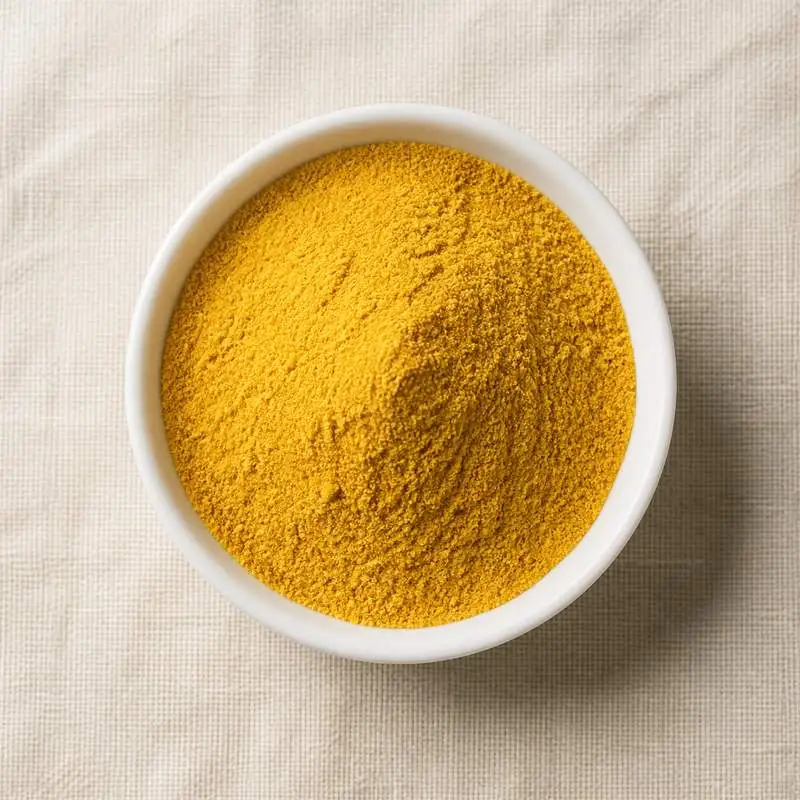
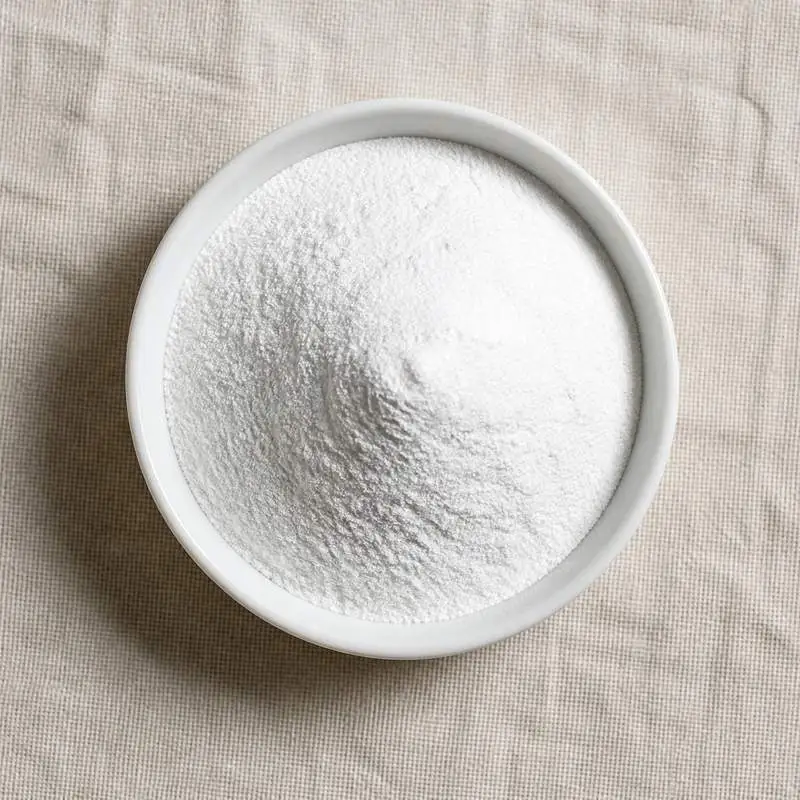
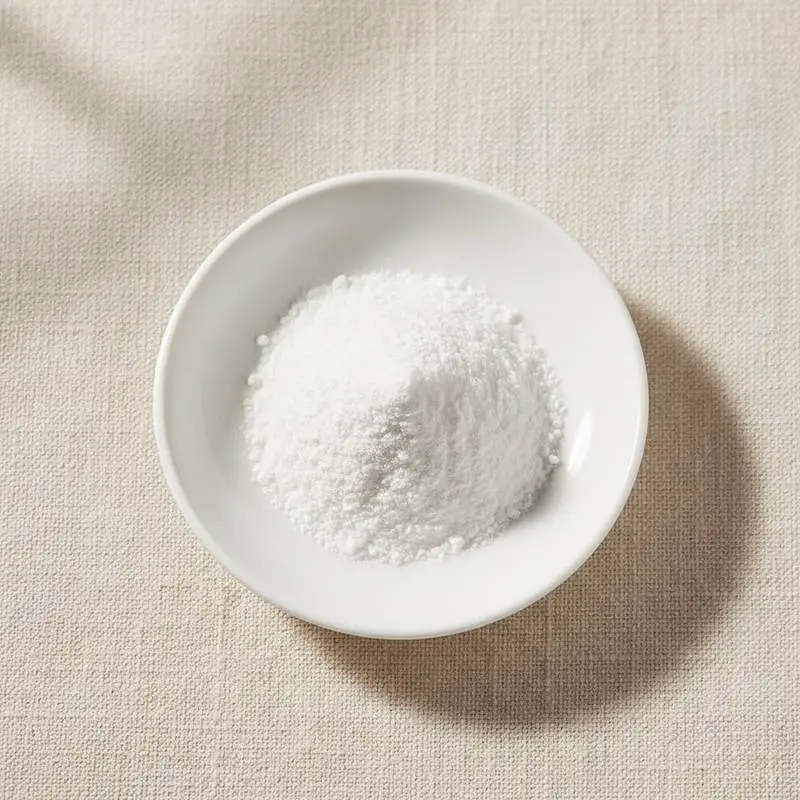
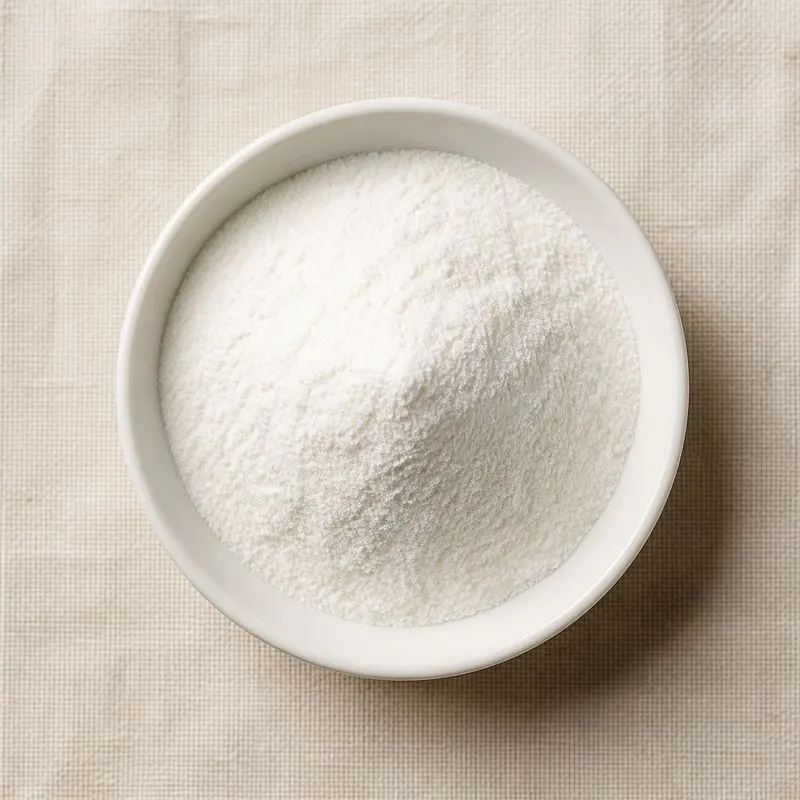
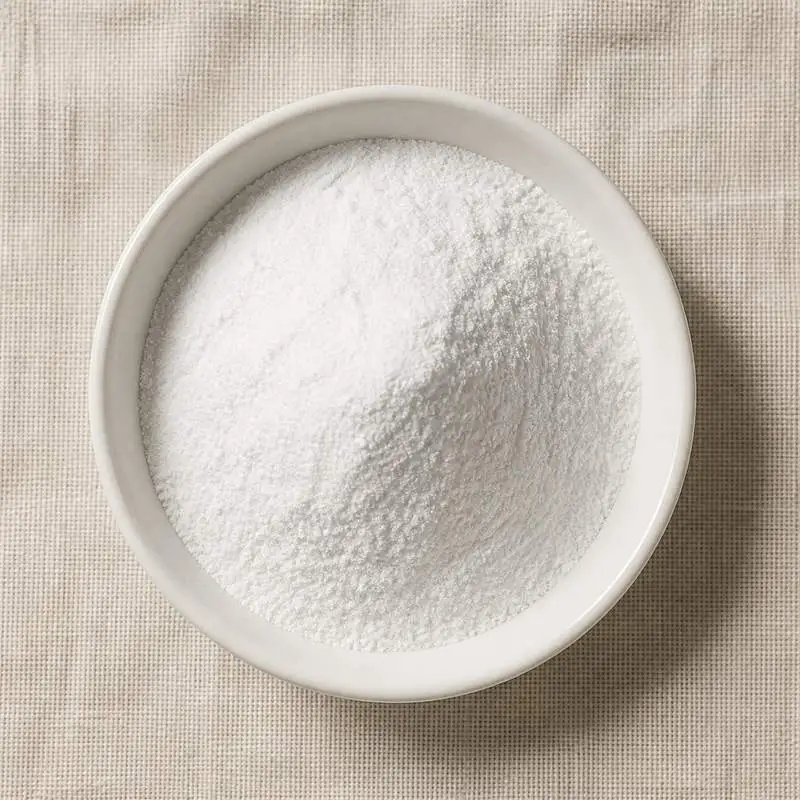
It is a white to pale yellow or light beige crystalline powder with a faint characteristic odour, melting in the range of 135 to 140 degrees Celsius. It is practically insoluble in water and only slightly soluble in ethanol, dissolving well in oils, chloroform and ethyl acetate, so it is formulated into oil phases, softgels and emulsions rather than into aqueous systems. It absorbs strongly in the ultraviolet, which underlies its use in sun care, and it is stable to heat and to normal processing but degrades under strong alkali, which cleaves the ester bond and releases free ferulic acid.
We source bulk Gamma Oryzanol from top China manufacturers for our partners. The manufacturer is in Jiangxi. A smaller requirement can ship in a combined container with other ingredients.
Please send the grade you need, the volume and your destination port, and we will come back with a solution and a price.
or call +86-21-6858 0751
- Function
- Nutraceutical
Specifications
| Item | Specification |
|---|---|
| Appearance | White to pale yellow crystalline powder |
| Identification | Ester distribution conforms to reference by chromatography |
| Assay by liquid chromatography | Not less than 98.0% |
| Melting Range | 135 C to 140 C |
| Free Ferulic Acid | Not more than 0.5% |
| Loss on Drying | Not more than 1.0% |
| Residue on Ignition | Not more than 0.2% |
| Acid Value | Not more than 2.0 mg KOH/g |
| Residual Hexane | Not more than 25 mg/kg |
| Lead | Not more than 1.0 mg/kg |
| Arsenic | Not more than 1.0 mg/kg |
| Total Plate Count | Not more than 1,000 CFU/g |
| Yeast and Mould | Not more than 100 CFU/g |
| Salmonella | Absent in 25 g |
Common Markets Grades
The market is graded on assay. A 98 to 99 percent crystalline grade is the reference article for supplements and cosmetics, determined spectrophotometrically or by liquid chromatography, with the chromatographic method preferred because it also shows the ester distribution and therefore exposes adulteration. Grades at 90, 80 and 70 percent are traded at lower cost for applications where the residual oil and sterol matrix is acceptable, and a rice bran oil concentrate carrying gamma oryzanol at one to two percent is sold as a whole oil ingredient.
Beyond assay the practical variables are colour, which darkens as residual oil and oxidation products increase, particle size, and the presence of a dispersion aid. Because the neat crystalline powder is difficult to incorporate into anything aqueous, producers also offer water dispersible grades in which the active is adsorbed onto a carrier or emulsified and spray dried, at a declared active load. Cosmetic grade material is specified additionally on residual solvent and on colour, and a feed grade with looser limits is traded for animal nutrition.
Applications
- Sports nutrition and body composition supplements, a long established outlet for the ingredient
- Cholesterol and lipid management formulations, positioned on the plant sterol fraction
- Menopause and general wellbeing supplements in the Japanese and East Asian markets
- Antioxidant systems in edible oils and fat containing foods, where it slows oxidation
- Sun care and skincare products, using the ultraviolet absorbance and antioxidant properties
- Hair care preparations aimed at scalp condition and shine
- Functional rice bran oil sold on its natural gamma oryzanol content
- Fortified bakery and snack products, using the water dispersible grade
- Animal feed and aquaculture supplements aimed at growth and lipid metabolism
Brands Using Gamma Oryzanol
Widely-distributed consumer products that list Gamma Oryzanol on the ingredient label.
Brand names, product names and logos are the property of their owners. They appear here as published evidence that the ingredient is used, taken from the brand's own label or website. Their appearance is not an endorsement, and it does not mean the brand buys from us or from any manufacturer listed on this site.
China Manufacturers of Gamma Oryzanol
Top Gamma Oryzanol manufacturers in China.

Company names and logos are the property of the manufacturers themselves. They are listed here because our own directory records them as producing this ingredient. A listing is not an endorsement by them, and we do not represent them or speak on their behalf.
Regulatory Status
In the United States, gamma oryzanol is marketed as a dietary ingredient under the Dietary Supplement Health and Education Act rather than as an approved food additive for general food use, and rice bran oil naturally containing it is a conventional food. It is also used in cosmetics, where it is regulated under the cosmetic provisions rather than as a food substance. Claims are limited to structure function statements.
In the European Union, gamma oryzanol is not an authorised food additive and carries no E number. A concentrated preparation intended for food supplement use is assessed against the novel food regulation where it lacks significant consumption in the Union before May 1997, and member state rules govern its placement in supplements; rice bran oil itself, carrying the compound at its natural level, is an ordinary food. In cosmetics the ingredient is used under the cosmetic products regulation. In Japan it has a longer and more formal history, having been used as an approved pharmaceutical active as well as a food ingredient. JECFA has not issued a specification for the material, so buyers work to the manufacturer's monograph, with chromatographic determination of the four principal esters the accepted way to confirm identity and detect adulteration.
Manufacturing Process
The starting point is rice bran, the outer layer removed during rice milling, which must be stabilised promptly because its own lipase attacks the oil within hours of milling. Stabilised bran is extracted with hexane to give crude rice bran oil, and the gamma oryzanol is present in that crude oil at roughly one to two percent. Recovery then turns on the fact that the esters are weakly acidic phenolics, so they partition into alkali during refining and end up concentrated in the soapstock rather than in the refined oil.
The soapstock or the crude oil itself is treated with dilute alkali under controlled strength and temperature, strong enough to move the oryzanol into the aqueous phase but not so strong that it hydrolyses the ester bond, and the resulting soap solution is separated. Acidifying that solution with sulphuric or hydrochloric acid precipitates a crude oryzanol rich acid oil, which is separated, washed to remove salts and dissolved in a solvent such as ethanol, acetone or ethyl acetate. The dissolved material is treated with adsorbents to strip colour, then recrystallised, usually in more than one pass, with the mother liquor recycled. The crystals are filtered, washed with chilled solvent, dried under vacuum at low temperature, then milled, sieved and assayed by liquid chromatography before blending and packing in light barrier containers. Supercritical carbon dioxide extraction and preparative chromatography are used as alternatives where a solvent free or very high purity product is required.