Garlic Essential Oil
Garlic essential oil is the volatile oil steam distilled from crushed cloves of Allium sativum. It is almost entirely a mixture of organosulphur compounds, principally diallyl disulphide, diallyl trisulphide, diallyl sulphide, allyl methyl trisulphide and related polysulphides, which together carry the intense cooked-garlic character of the material.
The chemistry changes during manufacture, and that matters for how the oil is understood. Intact garlic contains alliin, which the enzyme alliinase converts to allicin the moment the clove is crushed. Allicin is unstable and decomposes under the heat of distillation into the allyl sulphides that make up the oil, so distilled garlic oil contains no allicin at all. Products sold on an allicin claim are macerates, powders or extracts made by other routes, not distilled oil.
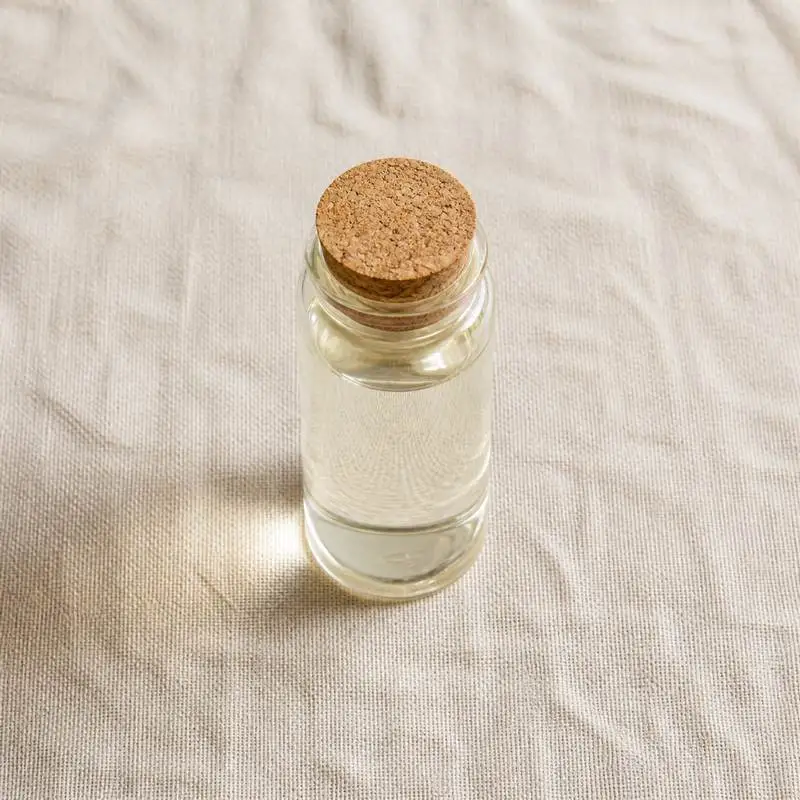
The oil is a pale to dark amber mobile liquid with an extremely powerful odour, practically insoluble in water and miscible with ethanol and vegetable oils. Yield from fresh cloves is very low, in the region of one to three parts per thousand, which is why the concentrated oil is expensive and is almost always sold diluted in a refined vegetable oil at one to five percent for handling. It darkens on exposure to air and light and is stored cold in filled containers.
We source bulk Garlic Essential Oil from top China manufacturers for our partners. The manufacturer is in Shandong. A smaller requirement can ship in a combined container with other ingredients.
Please send the grade you need, the volume and your destination port, and we will come back with a solution and a price.
or call +86-21-6858 0751
- Function
- Essential oil
Specifications
| Item | Specification |
|---|---|
| Appearance | Clear pale to dark amber mobile liquid |
| Odour and Flavour | Extremely powerful characteristic garlic |
| Botanical Source | Allium sativum fresh cloves |
| Diallyl Disulphide Content | 25.0% to 45.0% by gas chromatography |
| Diallyl Trisulphide Content | 15.0% to 35.0% by gas chromatography |
| Chromatographic Profile | Conforms to reference fingerprint |
| Specific Gravity (20 degrees Celsius) | 1.045 to 1.090 |
| Refractive Index (20 degrees Celsius) | 1.555 to 1.580 |
| Solubility in 90% Ethanol | Soluble in 3 volumes, clear solution |
| Acid Value | ≤ 2.0 mg KOH/g |
| Heavy Metals (as Pb) | ≤ 10 mg/kg |
| Lead | ≤ 2 mg/kg |
| Arsenic | ≤ 1 mg/kg |
| Pesticide Residues | Complies with destination market limits |
Common Markets Grades
The trade separates pure distilled oil from the diluted grades that most buyers actually use. Concentrated oil is sold for flavour compounding, while one, two and five percent dilutions in refined soybean, sunflower or vegetable oil are used for direct dosing, since the concentrate is too potent to weigh accurately at normal use levels. Water-dispersible emulsions and spray dried encapsulates on a gum or modified starch carrier are made for beverage and dry seasoning use.
Distilled oil should not be confused with the other garlic articles in the market. Garlic oil macerate, made by steeping garlic in vegetable oil, garlic oleoresin, and allicin-standardised garlic powder are separate products with different compositions and different label positions. Within distilled oil, grades are specified by the diallyl disulphide range and by the total sulphur profile, and organic certified material is available.
Applications
- Savoury seasoning blends, replacing garlic powder where a clean, standardised and microbiologically safe aroma source is needed
- Meat processing, in sausage, salami, marinade and cured meat seasoning
- Sauces, dressings and condiments, including garlic mayonnaise, ketchup and barbecue sauces
- Snack seasoning, applied on a topical carrier to crisps, nuts and extruded products
- Instant noodle and convenience meal seasoning sachets and oil packets
- Ready meals and frozen prepared foods, where fresh garlic would not survive the process consistently
- Bakery, in garlic bread, savoury crackers and flavoured spreads
- Dietary supplements, in softgel capsules alongside other garlic preparations
- Animal feed and pet food palatants, where garlic aroma improves acceptance
- Agricultural and household products, in repellent formulations built on the sulphur compounds
Brands Using Garlic Essential Oil
Widely-distributed consumer products that list Garlic Essential Oil on the ingredient label.
- Silky ScentsGarlic Essential Oil ↗Steam distilled garlic essential oil listed with the botanical name Allium sativum and the bulb as the plant part used.Label verified 2026-08-31
- SULU Organics100% Pure and Natural Organic Garlic Essential Oil ↗Garlic essential oil steam distilled from bulbs, listed on the page under the scientific name Allium sativum.Label verified 2026-08-31
- ArtizenGarlic Essential Oil 1 oz ↗Undiluted garlic essential oil sold for aromatherapy and diffuser blends, with no fillers or carrier dilution.Label verified 2026-08-31
Brand names, product names and logos are the property of their owners. They appear here as published evidence that the ingredient is used, taken from the brand's own label or website. Their appearance is not an endorsement, and it does not mean the brand buys from us or from any manufacturer listed on this site.
China Manufacturers of Garlic Essential Oil
Top Garlic Essential Oil manufacturers in China.

Company names and logos are the property of the manufacturers themselves. They are listed here because our own directory records them as producing this ingredient. A listing is not an endorsement by them, and we do not represent them or speak on their behalf.
Regulatory Status
In the United States 21 CFR 182.20 lists garlic oil among the essential oils, oleoresins and natural extractives generally recognised as safe for their intended use in food, and it carries FEMA GRAS status as a flavouring substance. Foods flavoured with it are labelled as containing natural flavour. Garlic in oil preparations that are not shelf stable have been the subject of Food and Drug Administration guidance on the risk of Clostridium botulinum growth, which applies to macerated garlic in oil rather than to the distilled essential oil, but keeps documentation of the product type relevant.
In the European Union garlic essential oil is a natural flavouring preparation under Regulation (EC) No 1334/2008 on flavourings, which frames its use and the maximum levels of certain biologically active principles in botanical flavourings. No E number applies. Garlic preparations sold as supplements with health claims fall under the health claim regulation instead, and few garlic claims are authorised. The Joint FAO/WHO Expert Committee on Food Additives has evaluated allyl sulphide flavouring agents of the type found in this oil and publishes specifications for them.
Manufacturing Process
Fresh cloves are peeled, inspected and crushed or milled. The crushing step is the critical one, since it brings alliinase into contact with alliin and generates the allicin that is the precursor of everything in the finished oil, and the crushed mass is held briefly to let that conversion run before heat is applied.
The macerated garlic is charged into a stainless steel still and extracted by steam distillation. Under the heat of distillation allicin decomposes into diallyl sulphides, which are carried over with the steam, condensed, and separated from the distillation water in a Florentine flask. Because the oil is denser than water it collects as the lower phase, unlike most spice oils. Crude oil is decanted, dried and filtered, and is normally used without heavy rectification, since the sulphur compounds are thermally fragile. The concentrate is then blended into refined vegetable oil to the declared strength, or homogenised into a carrier system and spray dried for the encapsulated grade. Finished material is profiled by gas chromatography, assessed against a retained sensory standard, and filled into lined drums protected from light.