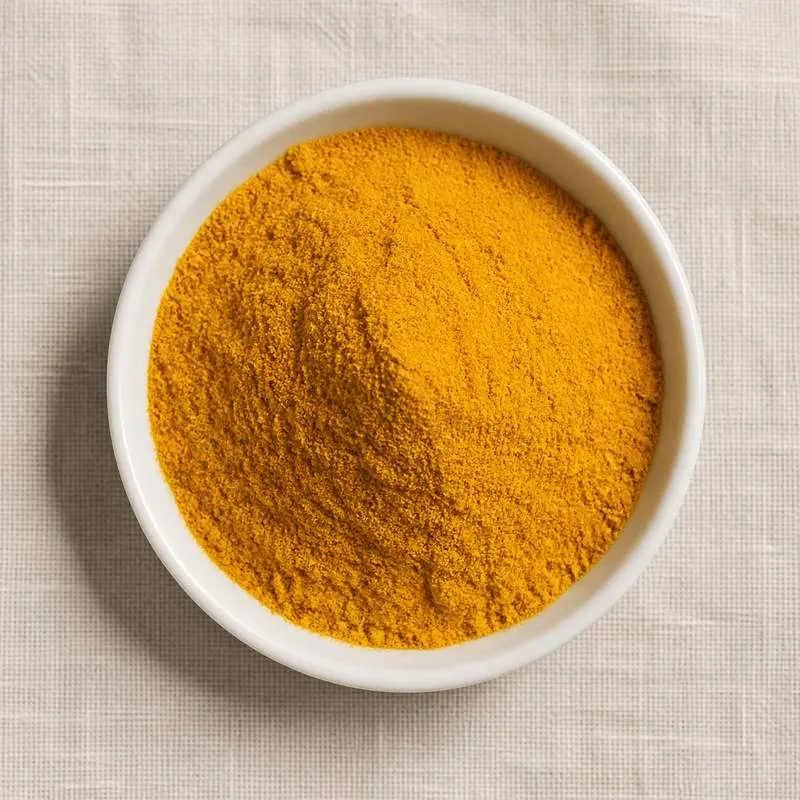
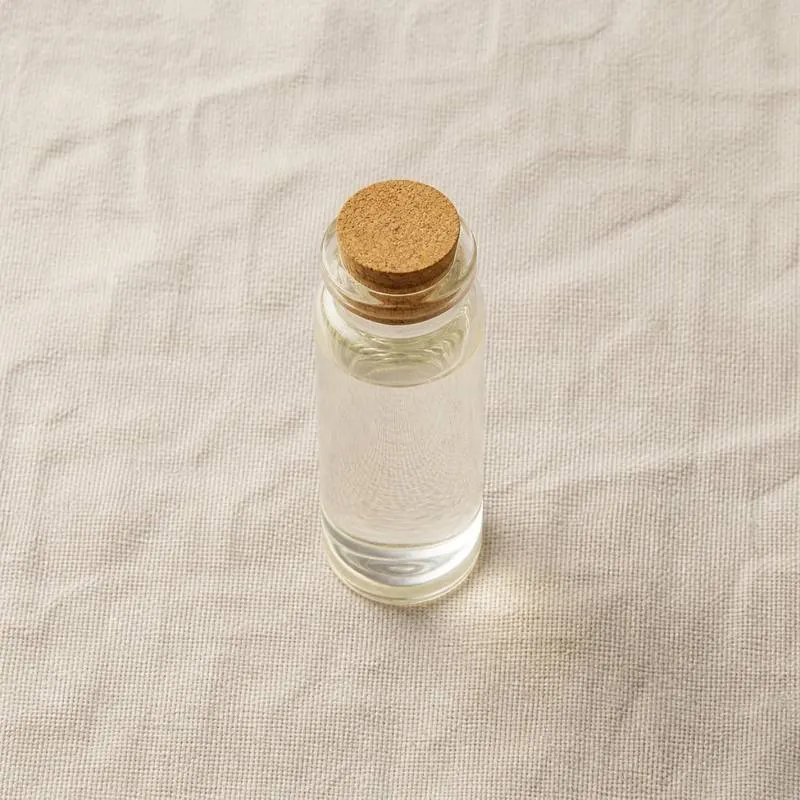
Garlic Oil
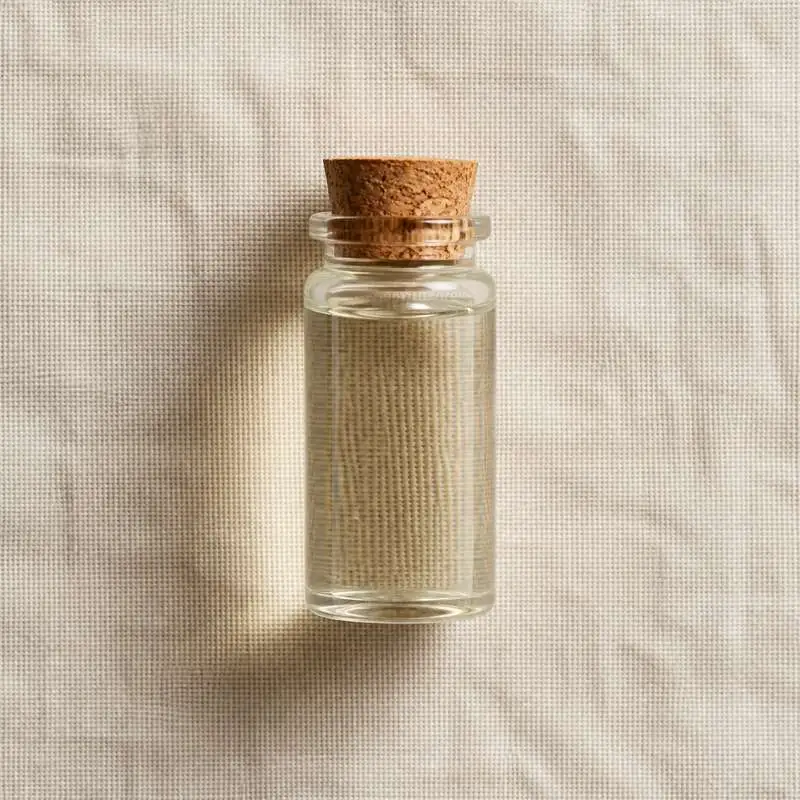
Garlic Oil is the steam-distilled volatile oil of Allium sativum cloves, a pale yellow to amber liquid with an intensely sulfurous, pungent aroma.
The oil is dominated by organosulfur compounds, particularly diallyl disulfide, diallyl trisulfide, allyl methyl trisulfide, and related allyl sulfides. These molecules form during steam distillation as alliin breaks down and the unstable allicin intermediates rearrange under heat.
We source bulk Garlic Oil from top China manufacturers for our partners, working with several of them. The manufacturers are mostly in Anhui, Jiangxi and Shandong. A smaller requirement can ship in a combined container with other ingredients.
Please send the grade you need, the volume and your destination port, and we will come back with a solution and a price.
or call +86-21-6858 0751
- Packaging
- 250 kg plastic drum or 1,000 kg IBC tote
- ISO 9001
- HACCP
- Halal
- Kosher
Specifications
Grades / Types Available: Food Grade
| Item | Specification |
|---|---|
| Appearance | Yellow to amber liquid |
| Diallyl Disulfide (DADS) | 40-50% |
| Total Sulfides | ≥ 80% |
| Specific Gravity (20°C) | 1.040-1.090 |
| Heavy Metals (as Pb) | ≤ 10 mg/kg |
| Refractive index (20°C) | n(CRM)±0.010 |
| Relative density (20°C/20°C) | D(CRM)±0.010 |
| Peroxide value (g/100g) | ≤0.5 |
| Arsenic (as As) / (mg/kg) | ≤3 |
Common Markets Grades
Garlic oil is graded by sulphur compound profile, colour, and intended use.
Pure steam-distilled garlic oil is the reference grade, typically 99 percent oil with no solvent residue. Yield from fresh cloves is low, on the order of 0.1 to 0.3 percent, which keeps the unit cost high.
Diluted grades carry 1, 2, 5, and 10 percent oil in food-grade vegetable carriers such as soybean, sunflower, or medium-chain triglyceride oil. The diluted formats simplify dosing in food and supplement applications where the neat oil is too concentrated to handle safely.
Plated powder grades carry the oil on a silica, maltodextrin, or modified starch base for dry-blend use. Microencapsulated grades coat the oil in a polysaccharide shell to mask the strong odour during handling and to extend shelf life.
Specifications usually call out refractive index, specific gravity, total sulphur content, and a GC-FID fingerprint of the principal allyl sulphide peaks.
Applications
- Flavouring for sauces, dressings, marinades, and snack coatings
- Seasoning for processed meats, sausages, and ready meals
- Bouillon cubes, soup mixes, and savory stocks
- Garlic-flavoured bread spreads and infused oils
- Pharmaceutical and nutraceutical capsules for cardiovascular support
- Softgels marketed for cholesterol management and immune support
- Topical preparations for fungal and skin conditions
- Pet food flavouring at controlled inclusion levels
- Insect and pest repellent formulations
- Veterinary anthelmintic preparations
- Aromatherapy and natural fragrance applications
- Functional gummies and chewable supplements
Brands Using Garlic Oil
Widely-distributed consumer products that list Garlic Oil on the ingredient label.
- NOW FoodsNOW Garlic Oil 1500 mg Softgels ↗Garlic Oil extracted/concentrated from the bulb of Allium sativum; other ingredients Soybean Oil and Softgel Capsule (gelatin, glycerin, water).Label verified 2026-05-24
- NOW FoodsNOW Odorless Garlic Softgels ↗A softgel containing garlic oil concentrate from Allium sativum bulb.Label verified 2026-05-24
- McCormickMcCormick Garlic Salt (5.25 oz) ↗Ingredient list: 'Salt, Garlic, Calcium Silicate (to Make Free Flowing), and Garlic Oil', explicitly includes garlic oil.Label verified 2026-05-24
- McCormickMcCormick Salt Free Very Good Garlic by Tabitha Brown All Purpose Seasoning ↗Ingredients include 'Garlic Oil' alongside garlic, spices, citric acid, molasses, lemon peel, black garlic, lemon oil and turmeric extractives.Label verified 2026-05-24
Brand names, product names and logos are the property of their owners. They appear here as published evidence that the ingredient is used, taken from the brand's own label or website. Their appearance is not an endorsement, and it does not mean the brand buys from us or from any manufacturer listed on this site.
China Manufacturers of Garlic Oil
Top Garlic Oil manufacturers in China.
 Anhui Garlicare Bio-tech Co., Ltd.3 ingredients in the directory
 Jiangxi Baicao Pharmaceutical Co., Ltd.2 ingredients in the directory
 Jinan Aorun Technology Co., Ltd.9 ingredients in the directory
 Linquan Zerun Plant & Spice Co., Ltd.9 ingredients in the directory
- Quanzhou Heyuan Food Co., Ltd.5 ingredients in the directory
Company names and logos are the property of the manufacturers themselves. They are listed here because our own directory records them as producing this ingredient. A listing is not an endorsement by them, and we do not represent them or speak on their behalf.
How We Help Source Garlic Oil
Direct Factory Sourcing
We run the whole process: selecting the manufacturer from the top Chinese food ingredient producers, negotiating the price, verifying quality, and coordinating the logistics. You deal with us instead of with several factories at once.
Original Packaging and Documents from the Manufacturer
The manufacturer sends your Garlic Oil out of its own factory in the original packing, through to your destination port. The COA, COO, MSDS, TDS and any certifications reach you from the manufacturer as well.
Free Samples and Lead Time
We send 100 to 500 g free for your own laboratory to test and you cover only the courier, usually within 2 to 3 working days. ETD is usually within 7 to 15 days once the order is confirmed, and we check that date against the factory's own manufacturing schedule before we give it to you.
Combined Shipment
We can load Garlic Oil together with other ingredients such as Astaxanthin, Dehydrated Garlic and Lutein into one 20' FCL. If your quantity is small, we can also ship LCL.
Regulatory Status
Garlic oil is regulated as a flavouring substance and is not assigned an E number.
The U.S. FDA lists it as GRAS under 21 CFR 182.20 for use as a natural flavouring substance. The Flavour and Extract Manufacturers Association of the United States assigned it FEMA 2503.
The European Union covers garlic oil under flavouring regulation 1334/2008 as a natural flavouring complex. No E number applies.
JECFA has reviewed allyl sulphide flavouring substances and concluded no safety concern at current use levels. The European Pharmacopoeia includes a monograph for Allii sativi bulbi pulvis and related preparations for herbal medicinal use, with garlic oil products falling under the broader Allium sativum framework.
Pesticide MRLs for Allium crops control the upstream raw material. Kosher and Halal certifications are routinely available for food and supplement use.
Manufacturing Process
Fresh garlic cloves are peeled, crushed, and held briefly to allow enzymatic conversion of alliin to allicin. The crushed mash is then loaded into stainless-steel stills and steam-distilled at atmospheric pressure or under mild vacuum.
The steam-distillation temperature drives a rearrangement of the unstable allicin into a family of allyl sulfides. Diallyl disulfide and diallyl trisulfide are the major rearrangement products and dominate the finished oil profile.
The hot vapor of water and oil is condensed and collected. Oil separates from the aqueous phase by gravity in a Florentine flask. The aqueous phase is recycled or sent back through the still to recover additional oil traces.
The crude oil is dried over anhydrous sodium sulphate, filtered, and standardised by GC-FID against a sulphur compound reference profile. Most lots are then blended with a small volume of higher- or lower-sulphur lots to hit the target fingerprint.
Dilution, encapsulation, and plating are secondary processing steps carried out for specific customer applications. The neat oil itself is the global trading currency of the category.