Garlic Flavour
Garlic Flavour is a compounded flavouring that reproduces the aroma and taste of Allium sativum, built around the organosulphur compounds that give garlic its character. Intact garlic contains the odourless precursor alliin; when the tissue is cut, the enzyme alliinase converts it to allicin, which is unstable and breaks down within hours to diallyl disulphide, diallyl trisulphide, allyl methyl sulphide and related compounds. Those breakdown products, not allicin itself, are what a commercial garlic flavour delivers, which is why a flavour built from them tastes of cooked or processed garlic rather than of raw cloves.
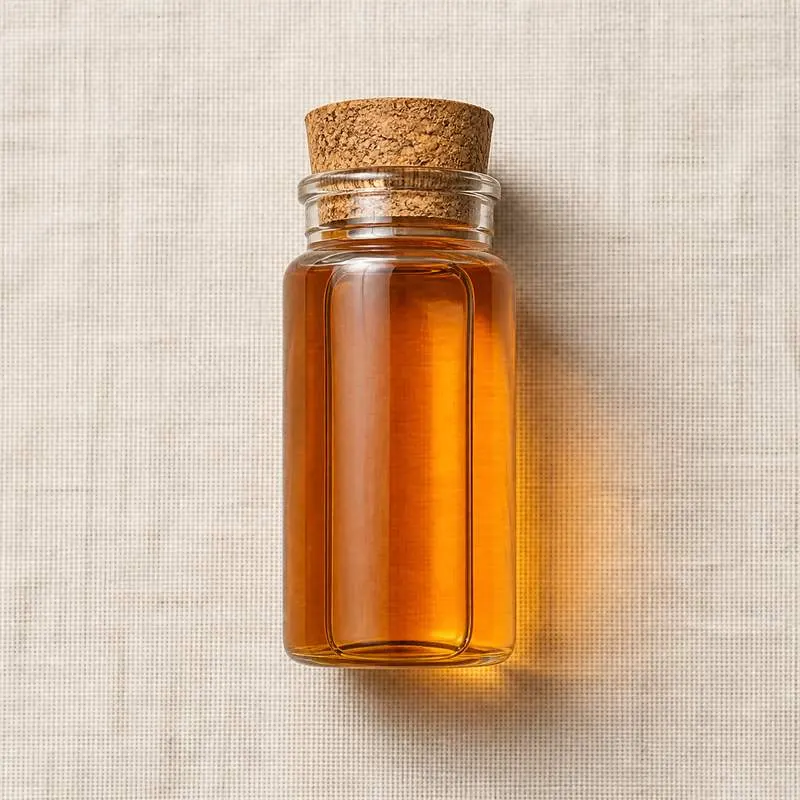
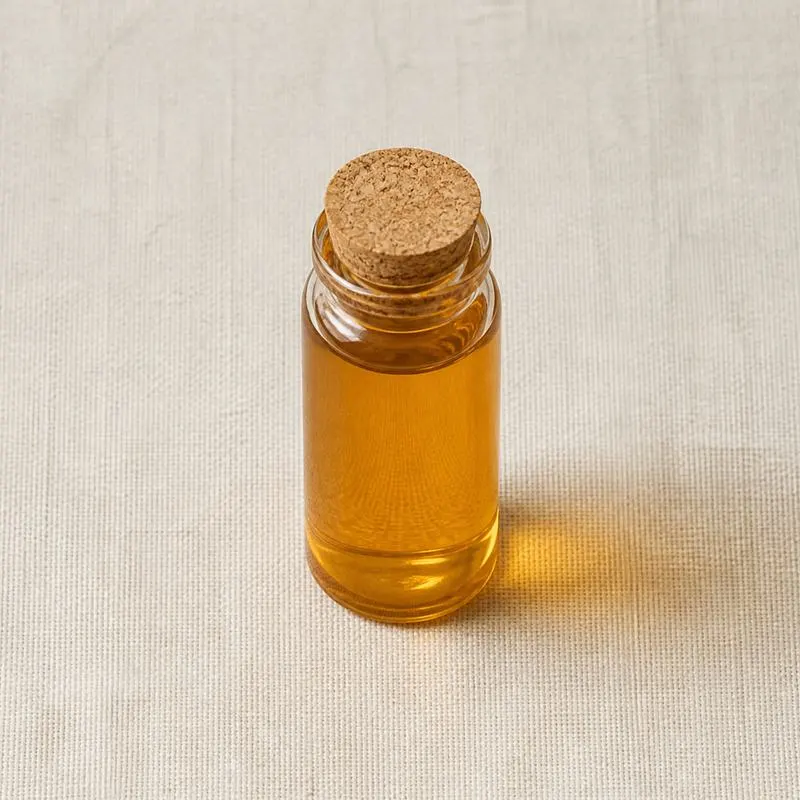
It comes as an oil soluble liquid, most often garlic oil diluted in a vegetable oil carrier since the undiluted distilled oil is extremely potent, as a water dispersible solution in propylene glycol, and as a spray dried powder on maltodextrin or salt carrier for dry blending. The sulphur compounds are volatile and reactive, oxidising and darkening on exposure to air, light and metal ions, so material is packed under nitrogen in lined and light shielded containers. Carry over of odour in a plant is a practical problem, and dedicated lines are usual.
We source bulk Garlic Flavour from top China manufacturers for our partners. The manufacturer is in Shanghai. A smaller requirement can ship in a combined container with other ingredients.
Please send the grade you need, the volume and your destination port, and we will come back with a solution and a price.
or call +86-21-6858 0751
- Function
- Flavours and Aromas
Specifications
| Item | Specification |
|---|---|
| Appearance | Pale yellow to amber clear oily liquid |
| Odour | Characteristic pungent garlic, true to reference sample |
| Solubility | Soluble in edible oils and ethanol, insoluble in water |
| Total Sulphide Content | Not less than 80.0 percent of the volatile fraction |
| Diallyl Disulphide | Not less than 25.0 percent of the volatile fraction |
| Relative Density at 25 degrees Celsius | 1.050 to 1.095 for undiluted oil |
| Refractive Index at 20 degrees Celsius | 1.555 to 1.580 for undiluted oil |
| Dilution Strength | As declared, plus or minus 5 percent relative |
| Residual Solvent | Not more than 25 mg per kg |
| Lead | Not more than 1.0 mg per kg |
| Arsenic | Not more than 1.0 mg per kg |
| Heavy Metals as Pb | Not more than 10 mg per kg |
| Total Plate Count | Not more than 1000 cfu per gram |
| Salmonella | Absent in 25 g |
Common Markets Grades
The primary split is between steam distilled garlic oil, the true essential oil obtained from crushed cloves at yields of around one part in five hundred and normally sold diluted at 1 to 10 percent in vegetable oil, and oleoresin grades, which are solvent extracted and carry non volatile material along with the aroma. Both are natural. Nature identical grades built from synthesised diallyl disulphide and allyl sulphides are cheaper and are used where cost is the deciding factor and a natural claim is not needed.
Dried garlic products form a related group graded separately, running from granulated and powdered dehydrated garlic through to roasted and black garlic powders with a sweeter, mellower profile. Buyers specify the total sulphur compound content or the diallyl disulphide level as the measure of strength, the carrier and dilution factor, whether the grade is heat stable for a cooked application, and whether an encapsulated version is needed so that the aroma releases only in the mouth.
Applications
- Snack seasoning dusts for crisps and extruded corn snacks in garlic variants
- Instant noodle oil sachets, where an oil soluble grade carries the fried garlic note
- Processed meat such as sausage, salami and marinated poultry
- Sauces, dressings and mayonnaise, where a dispersible grade avoids the visible pieces of fresh garlic
- Ready meals and retort products, where an encapsulated grade survives sterilisation
- Bread and savoury bakery, including garlic bread and flavoured crackers
- Bouillon, soup powders and seasoning blends
- Marinades and rubs for grilling and barbecue applications
- Plant based meat analogues, where garlic covers legume protein off notes
- Pet food palatants, where the sulphur fraction contributes to feed acceptance
China Manufacturers of Garlic Flavour
Top Garlic Flavour manufacturers in China.
Company names and logos are the property of the manufacturers themselves. They are listed here because our own directory records them as producing this ingredient. A listing is not an endorsement by them, and we do not represent them or speak on their behalf.
Regulatory Status
In the United States garlic is a spice recognised as generally recognised as safe under 21 CFR 182.10, and garlic oil and oleoresin appear among the essential oils, oleoresins and natural extractives listed at 21 CFR 182.20. The FEMA GRAS programme and 21 CFR 172.515 for synthetic flavouring substances clear the nature identical sulphur compounds used in compounded grades. Labelling as natural or artificial flavour follows 21 CFR 101.22, and residual extraction solvent in oleoresin grades is subject to the applicable limits.
In the European Union garlic oil and oleoresin are flavouring preparations within the meaning of Regulation (EC) No 1334/2008, obtained from a food by a physical process, and may be declared as natural flavourings where they meet the conditions in that regulation. Synthesised allyl sulphides must appear in the Union list of authorised flavouring substances with an FL number. A separate directive governs the extraction solvents used in the production of foodstuffs. Codex has adopted general guidelines for the use of flavourings, and JECFA has evaluated the aliphatic and aromatic sulphides and thiols as a flavouring group.
Manufacturing Process
Steam distilled garlic oil is produced from fresh cloves that are peeled, crushed and held briefly so that alliinase can act on alliin and generate the thiosulphinates. The macerated mass is charged to a still and steam distilled, during which the unstable thiosulphinates rearrange into the stable allyl sulphides that make up the oil. The condensate separates into an aqueous phase and a dense oil phase, and the oil is drawn off, dried, filtered and standardised by blending into refined vegetable oil to a fixed strength.
Oleoresin production instead percolates ethanol or a food grade hydrocarbon solvent through dried or fresh crushed garlic, with the miscella concentrated and the solvent stripped in a falling film evaporator under vacuum. Compounded grades take either base and blend it with nature identical sulphur compounds, carrier solvent and where required a top note fraction, then filter and fill under nitrogen. Powder grades are emulsified with a carbohydrate carrier and spray dried, or spray chilled into a fat matrix where encapsulation is needed, then sieved and packed.