Glycyrrhiza
Glycyrrhiza is the botanical name that covers the dried roots and stolons of Glycyrrhiza glabra, G. uralensis, and G. inflata, the three species that supply the world licorice trade.
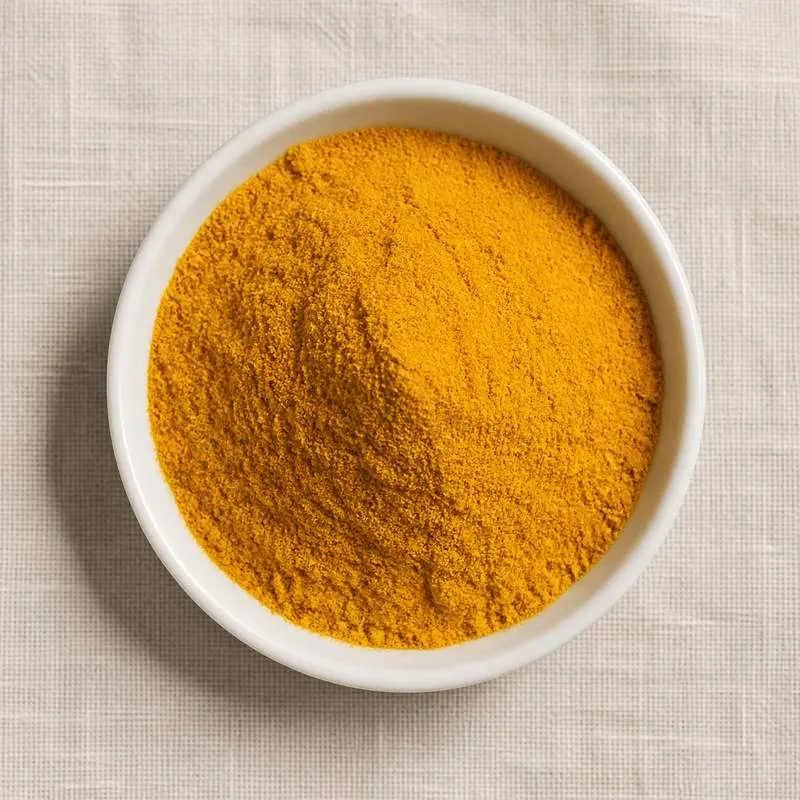
The material is shipped as the crude raw drug, either as peeled or unpeeled sticks, cut and sifted root, or coarse milled powder, for downstream extraction, formulation, or direct use in traditional medicine.
The fresh-cut root has a fibrous, pale yellow to ochre interior with a sweet, slightly bitter aftertaste that develops during drying.
We source bulk Glycyrrhiza from top China manufacturers for our partners. The manufacturer is in Hubei. For this ingredient the minimum order is 500 kg, and a smaller requirement can ship in a combined container with other ingredients.
Please send the grade you need, the volume and your destination port, and we will come back with a solution and a price.
or call +86-21-6858 0751
- Minimum order
- 500 kg
- Packaging
- 250 kg plastic drum or 1,000 kg IBC tote
- ISO 9001
- HACCP
- Halal
- Kosher
Specifications
| Item | Specification |
|---|---|
| Appearance | Pale yellow to ochre fibrous root, cut or milled to a light brown powder |
| Odour and Taste | Characteristic, sweet with a slightly bitter aftertaste |
| Identification | Conforms by TLC to Glycyrrhiza glabra, G. uralensis or G. inflata |
| Glycyrrhizic Acid (HPLC) | ≥ 2.0%, typically 2 – 14% by origin and grade |
| Liquiritin (HPLC) | ≥ 0.50% |
| Loss on Drying | ≤ 12.0% |
| Total Ash | ≤ 7.0% |
| Acid-Insoluble Ash | ≤ 2.0% |
| Foreign Matter | ≤ 2.0% |
| Particle Size (milled grade) | ≥ 95% through 40 mesh |
| Heavy Metals (as Pb) | ≤ 10 mg/kg |
| Arsenic (as As) | ≤ 2 mg/kg |
| Total Plate Count | ≤ 10,000 cfu/g |
| Yeast and Mould | ≤ 500 cfu/g |
| Salmonella | Negative/25g |
Common Markets Grades
Trade grades for the crude botanical reflect species, region, and physical preparation.
Peeled Spanish or Italian licorice root, derived from cultivated G. glabra, is the top grade for confectionery extraction and for European pharmacopoeial use.
Unpeeled Central Asian root, mostly wild-collected G. glabra from Uzbekistan, Turkmenistan, and Iran, is the standard grade for industrial extraction.
Chinese gan cao is the dried root and rhizome of G. uralensis, sold both as raw root and as zhi gan cao, the honey-fried form used in classical Chinese formulas.
Xinjiang licorice is the harvested root of G. inflata, valued for its higher glabridin content and its use as starting material for cosmetic flavonoid concentrates.
Within each origin, root is graded further by diameter, age, and glycyrrhizin assay, with assays running from 2 to 14 percent.
Applications
- Starting material for industrial extraction of glycyrrhizin and standardised licorice extracts
- Raw material for confectionery, brewing, and tobacco-casing concentrate production
- Crude drug in traditional Chinese, Kampo, and Ayurvedic formulas
- Direct decoction in herbal teas and traditional beverages
- Cut-and-sifted root for tea-bag and infusion blends
- Coarse milled powder for tablet and capsule manufacture in herbal medicine
- Starting material for glabridin and licorice flavonoid isolation
- Source of natural sweetener intermediates for the food industry
- Botanical reference standard in pharmacopoeial identity testing
- Component in adaptogenic and digestive herbal blends
Brands Using Glycyrrhiza
Widely-distributed consumer products that list Glycyrrhiza on the ingredient label.
- Enzymatic TherapyEnzymatic Therapy DGL Original Chewable ↗Official label: Deglycyrrhizinated Licorice (Glycyrrhiza glabra) Root Extract 3:1 with glycine; contains <1% glycyrrhizin to minimize blood-pressure impact.Label verified 2026-05-24
- NOW FoodsNOW Licorice Root 450 mg ↗Official NOW Foods Supplement Facts: 450 mg Licorice (Glycyrrhiza glabra) root per veg capsule.Label verified 2026-05-24
- Nature's WayNature's Way Licorice Root ↗Official Nature's Way product page identifies the active as Glycyrrhiza glabra L. (licorice) root, 900 mg per 2-capsule serving.Label verified 2026-05-24
- SolaraySolaray Licorice Root 450 mg ↗Official Solaray product page: 450 mg Licorice (Glycyrrhiza glabra) whole root per capsule.Label verified 2026-05-24
Brand names, product names and logos are the property of their owners. They appear here as published evidence that the ingredient is used, taken from the brand's own label or website. Their appearance is not an endorsement, and it does not mean the brand buys from us or from any manufacturer listed on this site.
China Manufacturers of Glycyrrhiza
Top Glycyrrhiza manufacturers in China.

Company names and logos are the property of the manufacturers themselves. They are listed here because our own directory records them as producing this ingredient. A listing is not an endorsement by them, and we do not represent them or speak on their behalf.
How We Help Source Glycyrrhiza
Direct Factory Sourcing
We run the whole process: selecting the manufacturer from the top Chinese food ingredient producers, negotiating the price, verifying quality, and coordinating the logistics. You deal with us instead of with several factories at once.
Original Packaging and Documents from the Manufacturer
The manufacturer sends your Glycyrrhiza out of its own factory in the original packing, through to your destination port. The COA, COO, MSDS, TDS and any certifications reach you from the manufacturer as well.
Free Samples and Lead Time
We send 100 to 500 g free for your own laboratory to test and you cover only the courier, usually within 2 to 3 working days. ETD is usually within 7 to 15 days once the order is confirmed, and we check that date against the factory's own manufacturing schedule before we give it to you.
Combined Shipment
We can load Glycyrrhiza together with other ingredients such as Astaxanthin, Dehydrated Garlic and Lutein into one 20' FCL. If your quantity is small, we can also ship LCL.
Regulatory Status
Licorice root is a long-recognised food ingredient and traditional herbal substance.
The European Union treats Glycyrrhiza glabra root as a traditional herbal substance with an EMA HMPC monograph, and several finished products hold national registrations under the Traditional Herbal Medicinal Product framework.
The United States permits the root and its extracts as dietary ingredients with a long pre-1994 history of use, and the underlying extract is GRAS as a flavour under 21 CFR 184.1408.
The Chinese Pharmacopoeia lists gan cao with identity, assay, and limits for glycyrrhizic acid and liquiritin. The European Pharmacopoeia, United States Pharmacopeia, and Japanese Pharmacopoeia each carry their own monographs on the species they recognise.
Halal, Kosher, and organic certifications are routinely available, particularly for cultivated material from Italy, Spain, and Inner Mongolia.
Manufacturing Process
Wild collection still accounts for a major share of supply, particularly in Central Asia, Iran, and Afghanistan, where deep root systems are dug from semi-arid steppe and floodplain soils.
Cultivated production is concentrated in Spain, Italy, southern Russia, Inner Mongolia, and Xinjiang, where stands are established from rhizome cuttings and harvested after three to five years.
Roots are dug in autumn after the foliage has died back, washed of soil, sorted by diameter, and air-dried in the sun or in low-temperature tunnels. For the peeled grade, the outer cork is shaved away mechanically before drying.
Dried root is graded, baled, and either shipped as sticks or further processed into cut-and-sifted material or coarse powder.
Honey-fried gan cao is prepared by stir-roasting the sliced root with honey until the surface darkens, a traditional pao zhi step that modifies the taste and the activity profile in Chinese herbal practice.