Glycyrrhizin
Glycyrrhizin is the principal sweet-tasting triterpene saponin glycoside found in the roots of Glycyrrhiza glabra and related licorice species, with the CAS number 1405-86-3.
The compound is reported to be 50 to 150 times sweeter than sucrose by weight, depending on assay conditions, and carries the characteristic anise-like licorice note that defines kanzo, salmiak, and many herbal confections.
We source bulk Glycyrrhizin from top China manufacturers for our partners, working with several of them. The manufacturers are mostly in Gansu, Qinghai and Shaanxi. A smaller requirement can ship in a combined container with other ingredients.
Please send the grade you need, the volume and your destination port, and we will come back with a solution and a price.
or call +86-21-6858 0751
- Packaging
- 25 kg kraft paper bag with PE inner liner
- ISO 9001
- HACCP
- Halal
- Kosher
Specifications
Grades / Types Available: Cosmetic grade
| Item | Specification |
|---|---|
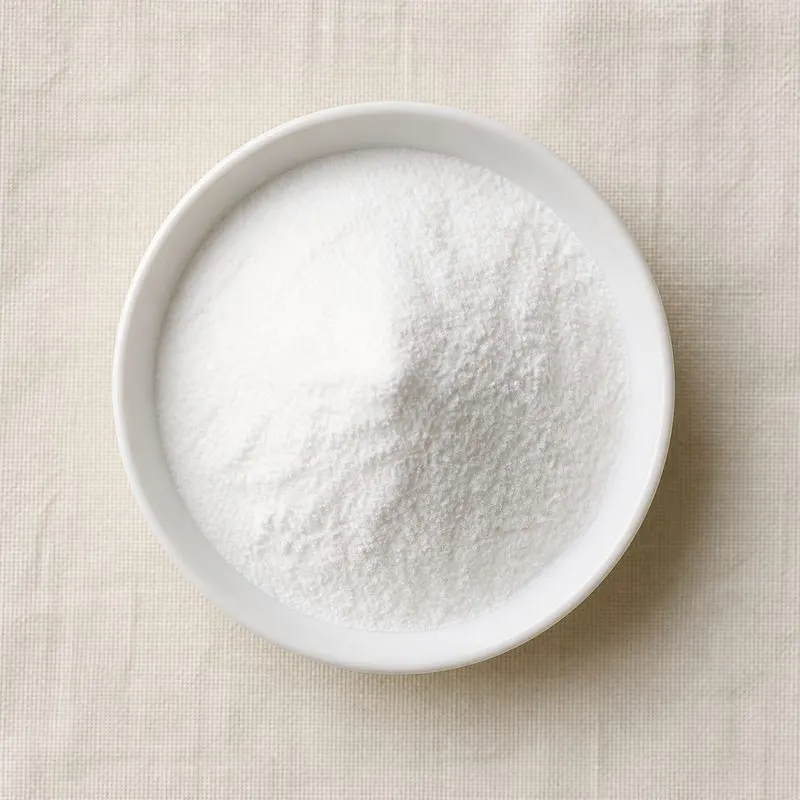
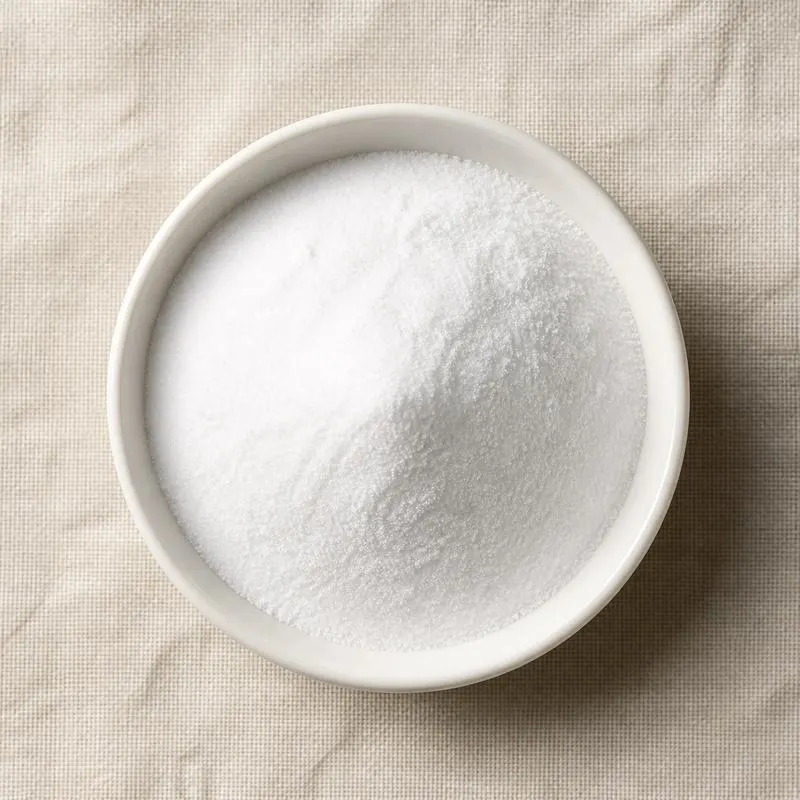
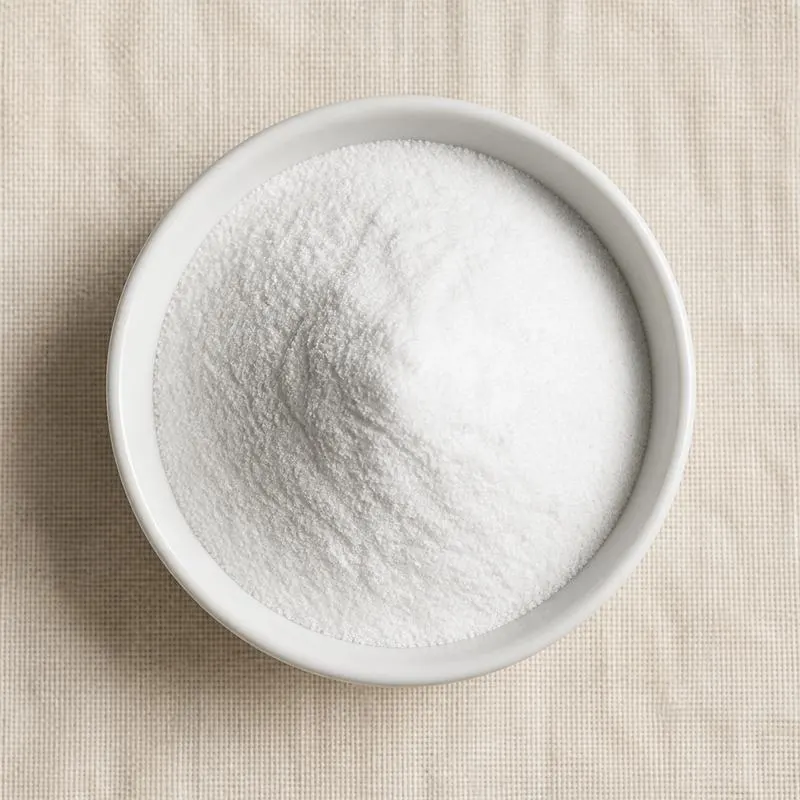
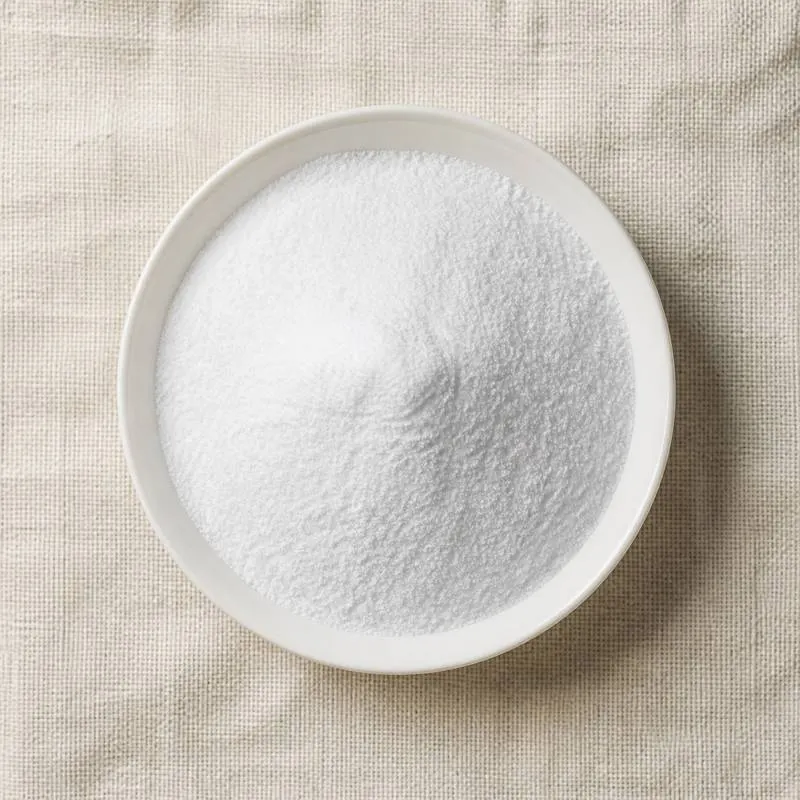
| Appearance | Yellow to brownish powder or blocks |
| Glycyrrhizic Acid Content | ≥ 25.0% (extract) / ≥ 95.0% (purified) |
| Moisture | ≤ 12.0% |
| Ash | ≤ 8.0% |
| Heavy Metals (as Pb) | ≤ 10 ppm |
| Total Plate Count | ≤ 10,000 CFU/g |
| Solubility | Dissolved in ethanol, 1,3-butanediol. Do not dissolve in water |
| Typical Dosage | 1‰-5‰ |
| Packing | 1kg aluminum foil bag |
| Transport | Non-hazardous cargo(IMO/IATA) |
Common Markets Grades
Glycyrrhizin is graded by purity of the free acid form, typically 40 percent, 70 percent, 90 percent, and 95 percent assay measured by HPLC.
Lower-assay extracts of 25 to 40 percent are sold as licorice extract powders for tea blends and traditional formulations where the full root profile is wanted.
Higher-assay grades of 90 percent and above are reserved for pharmacopoeial use, throat lozenges, and food applications where a clean sweet note is wanted without the bitter aftertaste of crude root.
The free acid is poorly water-soluble in cold water, so most food and beverage applications rely on its ammonium, potassium, or sodium salts.
Applications
- Licorice candy, salmiak, pontefract cakes, and traditional Dutch and Scandinavian sweets
- Throat lozenges and herbal cough drops in combination with menthol or eucalyptus
- Tobacco and snuff flavouring as a sweetener and humectant
- Dark beer, stout, and porter where licorice notes round bitterness
- Soy sauce, miso, and other fermented sauces in Japanese cuisine
- Herbal teas and traditional Chinese medicine decoctions
- Chocolate and cocoa products to mask astringency and extend sweetness
- Foam stabiliser in egg-free meringues and root beer
- Topical creams and ointments for anti-inflammatory positioning
- Toothpaste and mouthwash for sweetness that does not feed tooth decay
- Pharmaceutical syrups as a flavour masker for bitter actives
- Functional supplements positioned for liver and respiratory health
Brands Using Glycyrrhizin
Widely-distributed consumer products that list Glycyrrhizin on the ingredient label.
- Yamasa (ヤマサ醤油)ヤマサあまくちしょうゆ (Amakuchi Soy Sauce) ↗Official 原材料 panel: '脱脂加工大豆…、小麦、食塩、果糖ぶどう糖液糖、大豆/アルコール、調味料(核酸)、甘味料(カンゾウ)', licorice (カンゾウ) listed as sweetenerLabel verified 2026-05-24
- Haribo (UK / Dunhills)HARIBO Pontefract Cakes ↗UK ingredient panel: '...gelatine; liquorice extract (4.5%); salt; sunflower oil; glazing agent: beeswax.'Label verified 2026-05-24
- Panda LicoricePanda Natural Soft Black Licorice 200g ↗Official ingredient panel: 'Molasses, WHEAT FLOUR, licorice extract, aniseed oil.'Label verified 2026-05-24
- Mondelez (Maynards Bassetts)Maynards Bassetts Liquorice Allsorts ↗UK ingredient panel includes 'liquorice extract' alongside sugar, molasses, glucose syrup, wheat flour, gelatine, etc.Label verified 2026-05-24
- Darrell LeaDarrell Lea Original Soft Australian Black Licorice ↗Ingredient panel: 'Wheat Glucose Syrup, Wheat Flour, Treacle, Molasses, Sugar, Water, Wheat Fiber, Sunflower Oil, Caramel Color, Licorice Extract (0.5%), Anise Seed Oil...'Label verified 2026-05-24
- Kookaburra LicoriceKookaburra Black Licorice ↗Ingredient panel: 'wheat flour, glucose syrup, treacle, molasses, sugar, water, modified corn starch... licorice extract, aniseed oil...'Label verified 2026-05-24
- RicolaRicola Liquorice Swiss Herb Drops Sugar Free ↗Ingredient panel: contains 'extract of liquorice (2.1%)' plus Ricola herb extract blendLabel verified 2026-05-24
- Ryukakusan (龍角散)龍角散ののどすっきり飴 (Throat Candy) ↗A throat candy whose blend of 19 herbal extracts includes 'カンゾウ' (licorice).Label verified 2026-05-24
- Kasugai / Tsumura (春日井製菓 × ツムラ)ツムラのおいしい和漢ぷらす のど飴 (桔梗・甘草) ↗A herbal throat drop containing '甘草エキス' (kanzo/licorice extract) and 'キキョウエキス' as its featured ingredients.Label verified 2026-05-24
- Philip Morris (Marlboro)Marlboro King Size Cigarettes ↗Philip Morris USA ingredient disclosure lists 'Licorice Extract' among ingredients added at 0.1% or more across Marlboro brand cigarettesLabel verified 2026-05-24
Brand names, product names and logos are the property of their owners. They appear here as published evidence that the ingredient is used, taken from the brand's own label or website. Their appearance is not an endorsement, and it does not mean the brand buys from us or from any manufacturer listed on this site.
China Manufacturers of Glycyrrhizin
Top Glycyrrhizin manufacturers in China.
- Gansu Fanzhi Pharmaceutical Co., Ltd.4 ingredients in the directory
- Qinghai Lake Pharmaceutical Co., Ltd.8 ingredients in the directory
 Shaanxi Huatai Biological Fine Chemical Co., Ltd.5 ingredients in the directory
 Zhangjiagang Free Trade Zone Hongyufeng Bio-Technology Co., Ltd.11 ingredients in the directory
Company names and logos are the property of the manufacturers themselves. They are listed here because our own directory records them as producing this ingredient. A listing is not an endorsement by them, and we do not represent them or speak on their behalf.
How We Help Source Glycyrrhizin
Direct Factory Sourcing
We run the whole process: selecting the manufacturer from the top Chinese food ingredient producers, negotiating the price, verifying quality, and coordinating the logistics. You deal with us instead of with several factories at once.
Original Packaging and Documents from the Manufacturer
The manufacturer sends your Glycyrrhizin out of its own factory in the original packing, through to your destination port. The COA, COO, MSDS, TDS and any certifications reach you from the manufacturer as well.
Free Samples and Lead Time
We send 100 to 500 g free for your own laboratory to test and you cover only the courier, usually within 2 to 3 working days. ETD is usually within 7 to 15 days once the order is confirmed, and we check that date against the factory's own manufacturing schedule before we give it to you.
Combined Shipment
We can load Glycyrrhizin together with other ingredients such as Stevia, Erythritol and Maltitol into one 20' FCL. If your quantity is small, we can also ship LCL.
Regulatory Status
Glycyrrhizin is recognised as a flavour and sweetener in most regulated markets, though intake guidance is tighter than for most sweeteners.
The United States Food and Drug Administration lists licorice and its derivatives, including glycyrrhizin and ammonium glycyrrhizinate, as GRAS under 21 CFR 184.1408 with use-level limits ranging from 0.05 percent in baked goods to 16 percent in hard candy. The FDA has issued consumer advisories about pseudoaldosteronism (hypertension and hypokalemia) at intakes above roughly 100 mg per day of glycyrrhizin.
In the European Union the ammonium salt is permitted as the flavouring E958. EFSA has reviewed dietary intake several times.
Japan permits glycyrrhizin and its salts widely as natural flavour and sweetener, and the compound has long-standing use in licensed pharmaceutical preparations for chronic hepatitis.
Manufacturing Process
All commercial glycyrrhizin originates from licorice roots, primarily Glycyrrhiza uralensis grown in Inner Mongolia and Xinjiang, and Glycyrrhiza glabra from Iran, Turkey, and Central Asia.
Dried and shredded roots are extracted with hot water or dilute ammonia, which converts the native calcium and potassium glycyrrhizinate into a soluble form. The crude extract is concentrated under vacuum and acidified with sulphuric acid to precipitate the free acid.
The crude precipitate is then redissolved in dilute ammonia and re-precipitated several times to remove tannins, polysaccharides, and flavonoids. Final purification uses macroporous resin chromatography or recrystallisation from acetic acid to reach pharmacopoeial purity.
The acidified mother liquor is often spray-dried to produce 40 to 70 percent extract powders, while the highly purified material is converted to ammonium, mono- or tri-sodium, or mono- or tri-potassium salts for downstream use.