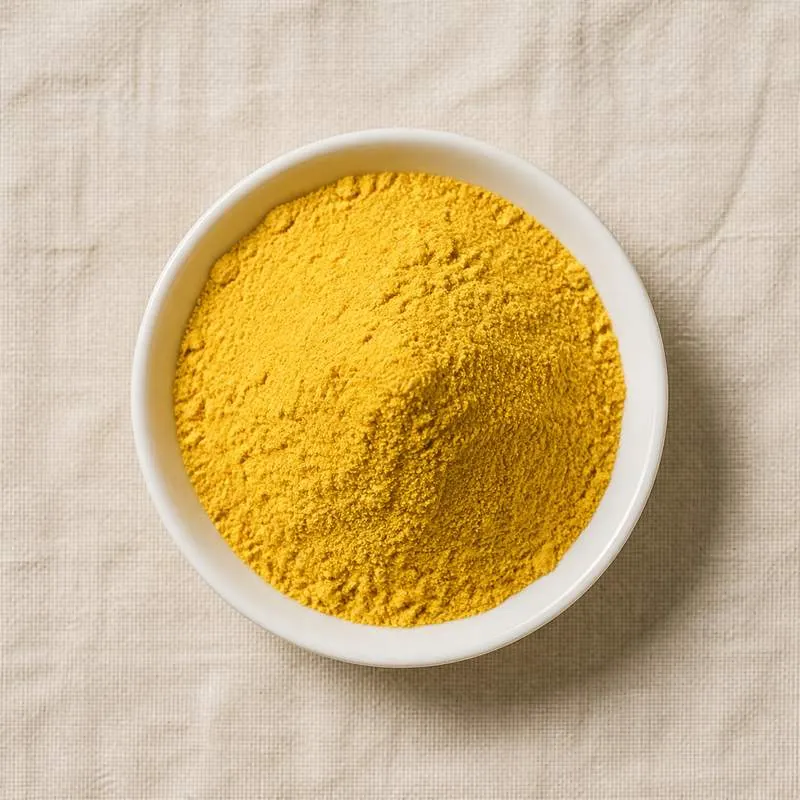
Grape Skin Red
Grape Skin Red is an anthocyanin-based natural colourant produced from the skins of red and black grape varieties (Vitis vinifera) left over from wine and juice pressing. It delivers shades ranging from pink and red at low pH to purple and grey-blue as pH rises.
The extract is a complex mixture of monoglucoside and acylated anthocyanins, with malvidin-3-O-glucoside typically the dominant pigment. It carries the E number E163ii in the European Union and is one of the most widely used members of the anthocyanin colour family.
We source bulk Grape Skin Red from top China manufacturers for our partners. The manufacturers are in Guangdong and Tianjin. A smaller requirement can ship in a combined container with other ingredients.
Please send the grade you need, the volume and your destination port, and we will come back with a solution and a price.
or call +86-21-6858 0751
- Packaging
- 250 kg plastic drum or 1,000 kg IBC tote
- ISO 9001
- HACCP
- Halal
- Kosher
Specifications
Grades / Types Available: Food Grade, Feed Grade
| Item | Specification |
|---|---|
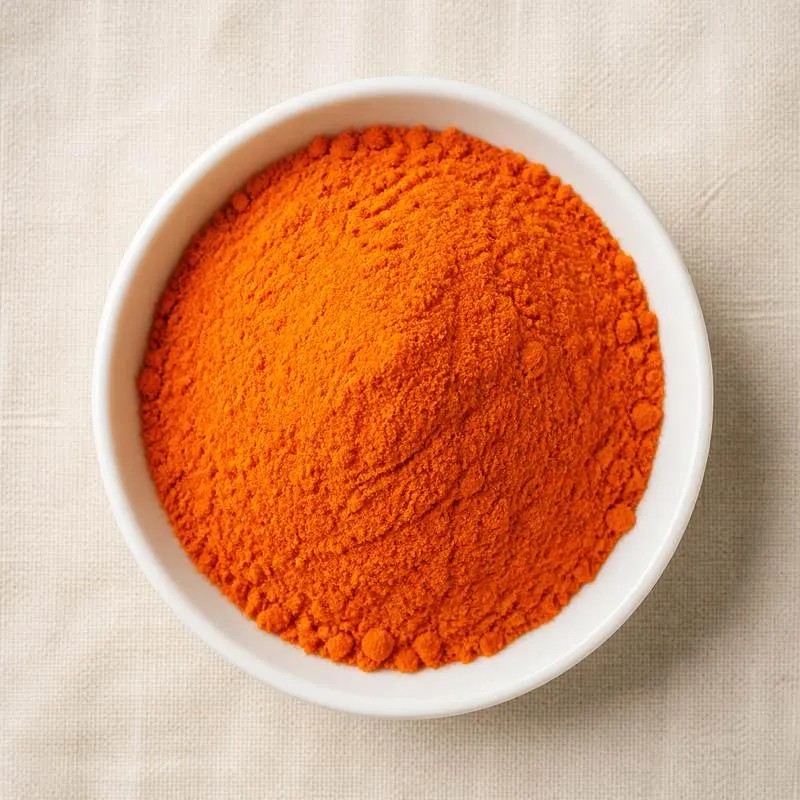
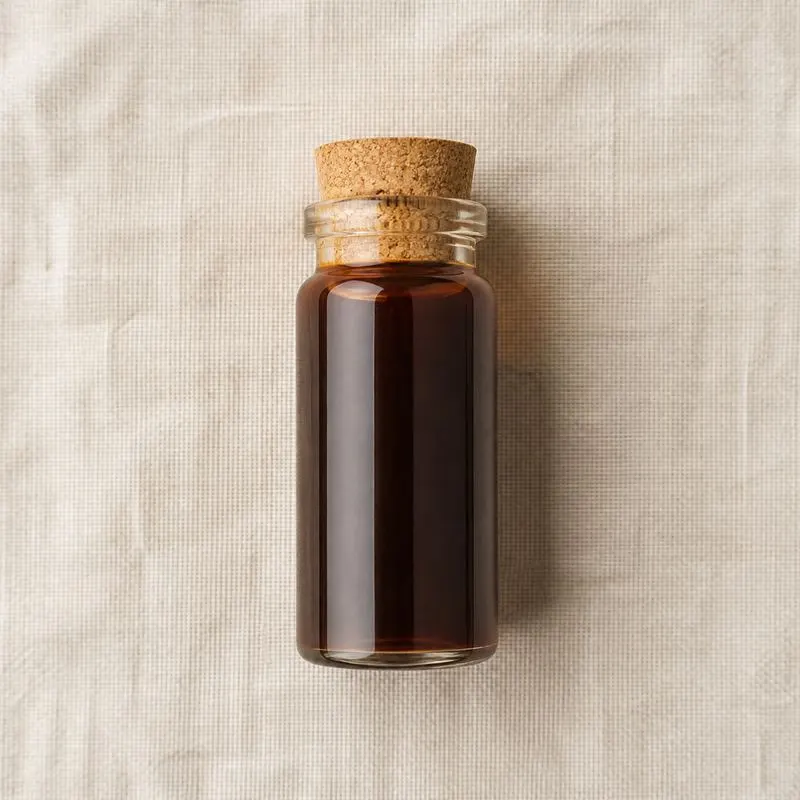
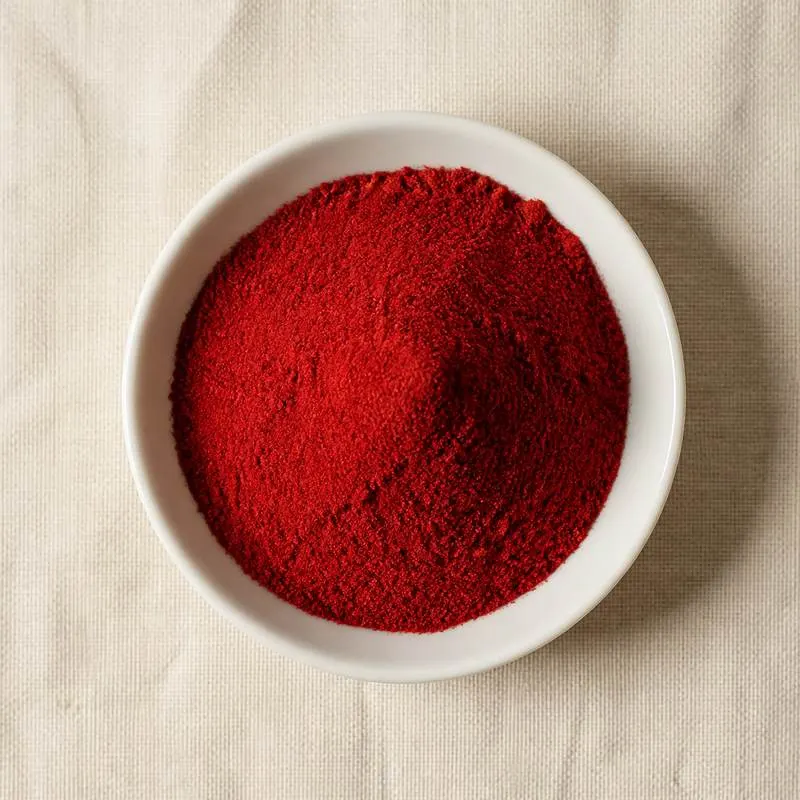
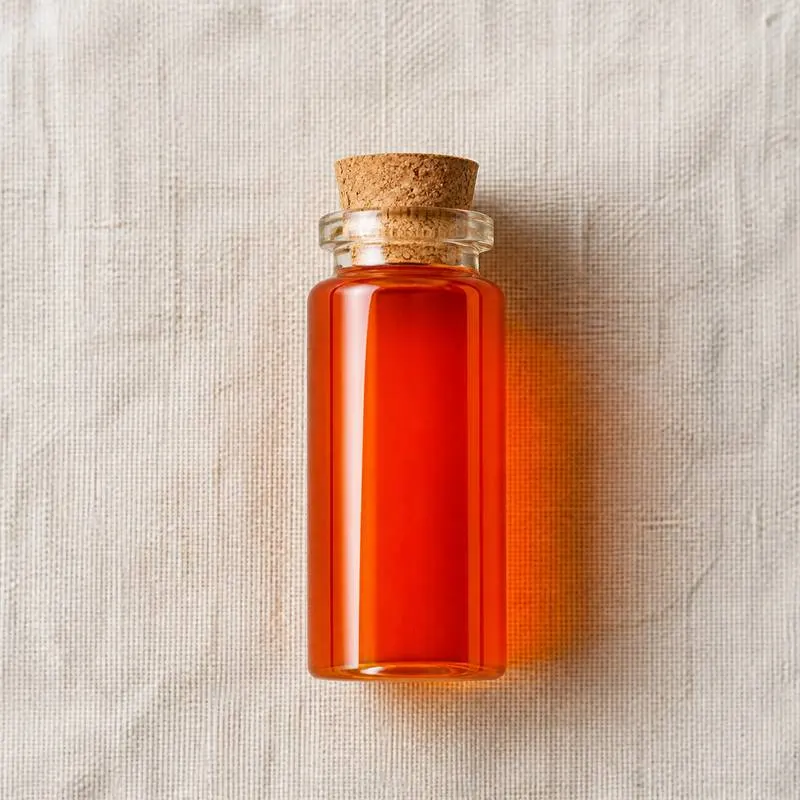
| Appearance | Dark red-purple liquid or powder |
| Colour Value (E1%/1cm, 520 nm) | ≥50 (liquid) / ≥300 (powder) |
| Anthocyanins | ≥5% (powder) |
| Moisture | ≤5.0% (powder) |
| SO₂ (residual) | ≤100 mg/kg |
| pH (10% sol.) | 3.0–4.5 |
| Solubility | Water-soluble |
| Heavy Metals (as Pb) | ≤2 mg/kg |
| Arsenic | ≤1 mg/kg |
| Total Plate Count | ≤1,000 cfu/g |
| Salmonella | Absent in 25g |
| Purity (Food Grade) | ≥ 95% |
| Moisture/Loss on Drying | ≤ 5% |
| Particle Size/Mesh | 80 mesh |
| Lead | ≤ 1 ppm |
| Yeast & Mold | ≤ 100 cfu/g |
Common Markets Grades
Grape Skin Red is graded by total anthocyanin content, often expressed in colour units (E1, 1cm at 520 nm in acid solution) or as percent malvidin-3-glucoside equivalents.
Liquid grades for beverage and confectionery work are typically standardised at 2 to 5 colour units per gram, with sugar, citric acid, and sulphite added for stability and microbial control.
Spray-dried powders concentrate the pigment to 10 to 30 colour units per gram on a maltodextrin or gum arabic carrier. These are used in dry mixes, tablets, and bakery applications.
Sulphite-free and organic-certified grades exist for clean-label work, though shelf life is shorter without sulphur dioxide protection. Some suppliers offer deflavored grades that reduce the natural grape note for neutral applications.
Applications
- Fruit juices, nectars, and red-berry blends to reinforce or restore colour lost during processing
- Carbonated soft drinks and flavoured waters in the red and pink range
- Wine coolers, sangria-style ready-to-drinks, and fruit-based alcoholic beverages
- Jams, jellies, preserves, and fruit fillings
- Yogurt and dairy desserts with fruit preparations at low pH
- Confectionery: hard candies, gummies, jellies, and panned shells
- Frozen desserts, sorbets, and ice creams with berry profiles
- Bakery glazes, fillings, and decorative gels
- Sauces and condiments in the red to purple range
- Dietary supplements and tablet coatings positioned around polyphenol content
- Pet treats and natural-positioning pet food
Brands Using Grape Skin Red
Widely-distributed consumer products that list Grape Skin Red on the ingredient label.
Brand names, product names and logos are the property of their owners. They appear here as published evidence that the ingredient is used, taken from the brand's own label or website. Their appearance is not an endorsement, and it does not mean the brand buys from us or from any manufacturer listed on this site.
China Manufacturers of Grape Skin Red
Top Grape Skin Red manufacturers in China.
- Naturlich (ZhuHai) Food Ingredients &Solutions10 ingredients in the directory
 Tianjin Jianfeng Natural Product R&D Co., Ltd.8 ingredients in the directory
Company names and logos are the property of the manufacturers themselves. They are listed here because our own directory records them as producing this ingredient. A listing is not an endorsement by them, and we do not represent them or speak on their behalf.
How We Help Source Grape Skin Red
Direct Factory Sourcing
We run the whole process: selecting the manufacturer from the top Chinese food ingredient producers, negotiating the price, verifying quality, and coordinating the logistics. You deal with us instead of with several factories at once.
Original Packaging and Documents from the Manufacturer
The manufacturer sends your Grape Skin Red out of its own factory in the original packing, through to your destination port. The COA, COO, MSDS, TDS and any certifications reach you from the manufacturer as well.
Free Samples and Lead Time
We send 100 to 500 g free for your own laboratory to test and you cover only the courier, usually within 2 to 3 working days. ETD is usually within 7 to 15 days once the order is confirmed, and we check that date against the factory's own manufacturing schedule before we give it to you.
Combined Shipment
We can load Grape Skin Red together with other ingredients such as Beta Carotene, Caramel Colour and Lycopene into one 20' FCL. If your quantity is small, we can also ship LCL.
Regulatory Status
Grape Skin Red is approved in the European Union under E163ii (within the broader anthocyanins family E163). Regulation (EC) No 1333/2008 governs use levels and largely sets them at quantum satis for permitted categories.
The U.S. Food and Drug Administration lists grape skin extract under 21 CFR 73.169 as a colour additive exempt from certification, restricted to beverages, including non-alcoholic and alcoholic carbonated and still drinks. Grape colour extract for non-beverage food uses falls under separate listings.
JECFA has evaluated grape skin extract and accepted it for food use within established limits. The Codex name is Grape Skin Extract (INS 163ii).
The colourant is plant-derived and is generally accepted as vegan, vegetarian, kosher, and halal, subject to certification of any processing aids and the carrier. Some grades use sulphites that must be declared on the label.
Manufacturing Process
The starting material is grape pomace, the skins, seeds, and stems left after pressing grapes for wine or juice. Pomace is sourced from wineries in Italy, Spain, France, Chile, and Argentina during and shortly after the autumn harvest.
Fresh or freshly frozen skins are extracted with acidified water or aqueous ethanol. Sulphur dioxide is often added to inhibit oxidation and preserve the bright red pigments.
The crude extract is filtered, concentrated under vacuum to a thick syrup, and then either sold as a liquid concentrate or spray-dried onto a carbohydrate carrier. Membrane processes such as ultrafiltration and reverse osmosis are increasingly used to remove tannins and improve colour clarity.
Because pomace is a wine-industry by-product, supply volume and pigment profile vary with each vintage. Producers blend across harvests and varietals to maintain consistent colour strength.